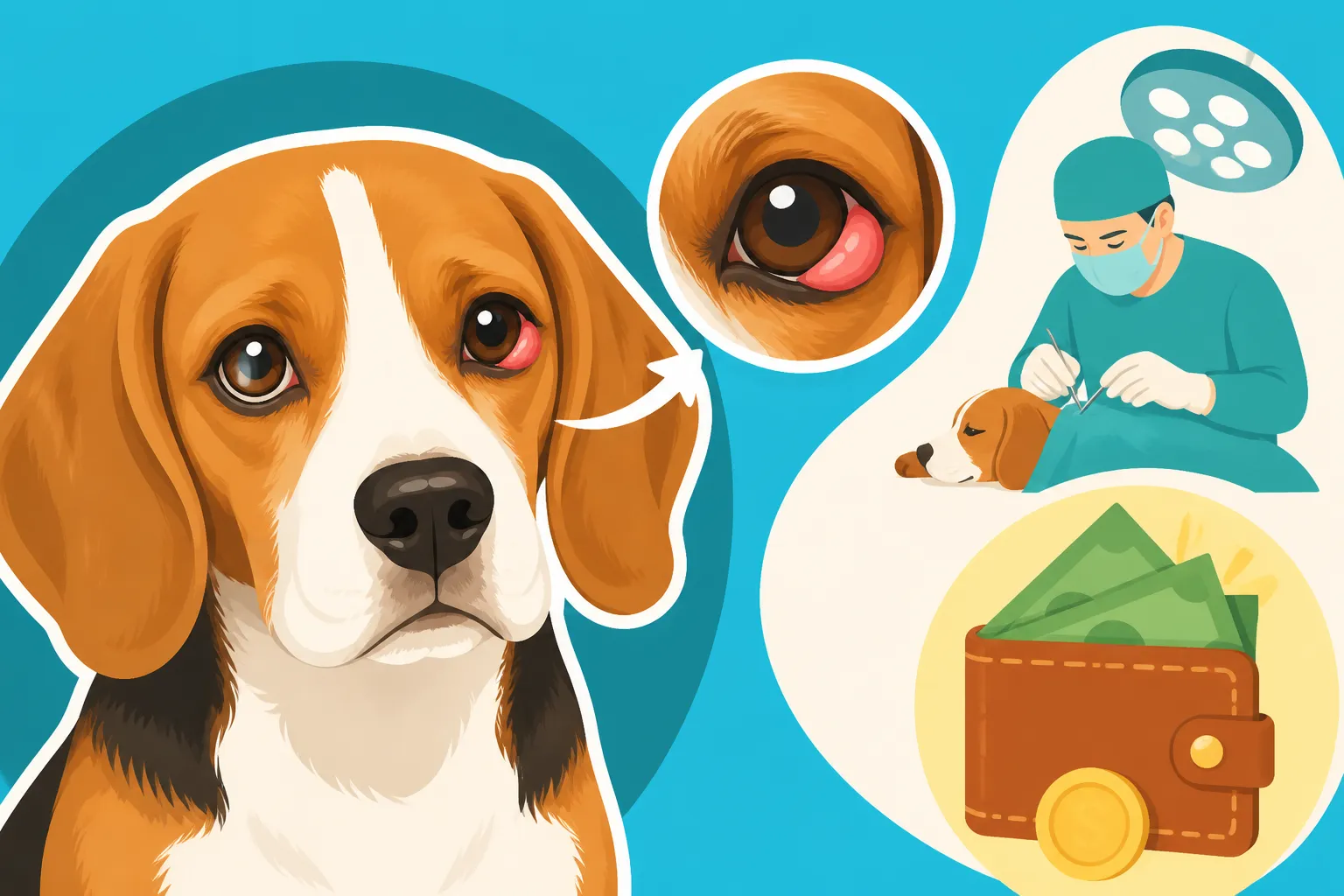
Beagle Cherry Eye Surgery Pricing
Seeing that bright red "cherry" pop out of your beloved Beagle's eye can be incredibly alarming, and almost immediately, your mind races to what it means for their health and, let's be honest, your wallet. It's a common concern for many Beagle parents facing this unexpected challenge. This guide will walk you through the various aspects of cherry eye surgery costs, from the initial vet visit to post-operative care, helping you understand the financial journey involved in getting your hound back to their happy, healthy self.
Understanding Cherry Eye in Beagles and Why Surgery Is Needed
When you first notice that startling red mass in your Beagle's eye, it’s natural to feel a pang of panic. This isn't just a cosmetic issue; it's a condition that can cause real discomfort and lead to more serious problems if not addressed. Understanding what cherry eye is and why surgical intervention is often the best path forward is the first step.
What Exactly is Cherry Eye?
At the inner corner of your Beagle's eye, there's a third eyelid, officially known as the nictitating membrane. Tucked neatly within this membrane is a small gland responsible for producing a significant portion of your dog's tears. For reasons that are often genetic or breed-predisposed, this gland can sometimes pop out of its normal position, becoming visible as a red, swollen mass – the "cherry" you see. Beagles, with their endearing, often slightly droopy eyes, are unfortunately one of the breeds that tend to be more susceptible to this condition. It's not just unsightly; that exposed gland can become irritated, dry, and prone to infection because it's no longer protected as it should be. You might notice your Beagle pawing at their eye, blinking excessively, or having noticeable discharge, all signs of the discomfort this can cause.
When Surgery Becomes the Necessary Step
Many owners, understandably, hope for a simpler fix. Sometimes, in very mild cases, a veterinarian might suggest a course of anti-inflammatory eye drops or even a gentle massage technique to try and encourage the gland to slip back into place. However, the reality for most Beagles with cherry eye is that these conservative methods are often temporary or simply ineffective. The gland is prolapsed because the connective tissue holding it in place is weakened, and drops or massage don't fix that underlying structural issue. If left untreated, the exposed gland can suffer permanent damage, leading to chronic dry eye, persistent inflammation, and an increased risk of infections. This can be quite painful for your Beagle and, over time, can impact their vision. Because of these potential long-term complications and the high likelihood of recurrence with non-surgical approaches, most veterinarians will recommend surgery as the most effective and lasting solution. You'll want to discuss all options with your vet, but more often than not, surgery offers the best prognosis for your Beagle's comfort and long-term eye health. It’s also wise to educate yourself on other common eye issues your breed may face, such as Beagle Cherry Eye and Glaucoma, or Beagle Dry Eye and Daily Drops.
Breaking Down the Costs of Beagle Cherry Eye Surgery
The idea of surgery for your beloved Beagle can be stressful enough without the added worry of the bill. It's true that veterinary surgery is an investment in your dog's health, but understanding where the costs come from can help you prepare. Cherry eye surgery isn't just one lump sum; it's a combination of several important stages, each with its own associated expenses.
Initial Consultation and Diagnosis
Before any surgery can happen, your Beagle needs a thorough examination to confirm the diagnosis and assess their overall health. This starts with a standard veterinary consultation fee. During this visit, your veterinarian will not only examine the prolapsed gland but will also perform a full eye exam to check for any secondary issues like corneal ulcers or other underlying conditions. They might conduct a Schirmer tear test, which measures tear production, especially crucial for Beagles, as prolonged exposure of the gland can sometimes lead to decreased tear production even after the cherry eye is resolved. Pre-anesthetic blood work is also often recommended, or even required, to ensure your Beagle is a good candidate for anesthesia and to identify any potential health risks that could complicate the procedure. While these initial diagnostic costs are separate from the surgery itself, they are absolutely non-negotiable. They provide your vet with vital information to plan the safest and most effective treatment. Think of it as laying the groundwork—you wouldn't build a house without a proper foundation, and you shouldn't proceed with surgery without a complete picture of your Beagle's health.
The Surgical Procedure Itself
This is typically where the largest portion of the cost comes in. The most common and successful surgical technique for cherry eye in Beagles is called the "pocket technique" or Morgan Pocket method. This involves creating a small pocket within the third eyelid and tucking the prolapsed gland back inside, then suturing the tissue to hold it securely in its natural position.
The cost for the surgery covers several critical components:
- Anesthesia: This includes not just the anesthetic drugs but also the dedicated veterinary technician who will be monitoring your Beagle's vital signs throughout the procedure. There will be costs associated with IV fluids, intubation, and any necessary pain management administered during the surgery.
- Surgeon's Fee: This accounts for the expertise and time of the veterinary surgeon performing the delicate procedure. Depending on the severity of the prolapse and whether an ophthalmologist specialist is involved, this fee can vary.
- Facility Fees: These cover the use of the sterile operating room, surgical equipment, and general overhead of the veterinary hospital.
- Surgical Supplies: This includes sutures, specialized instruments, and other disposable materials used during the operation.
It's also important to consider that Beagles can sometimes develop cherry eye in both eyes, either at the same time or sequentially. If both eyes require surgery, the total cost will naturally be higher, as it effectively doubles many of the above components, though sometimes a slight discount might be applied for doing both eyes in one anesthetic event.
Post-Operative Care and Medications
The care doesn't stop once your Beagle is out of surgery; the recovery period is crucial for preventing complications and ensuring a successful outcome. You'll go home with a regimen of medications, which will add to your total cost.
Typically, this includes:
- Oral Pain Management: Anti-inflammatory medications and pain relievers to keep your Beagle comfortable in the days following surgery.
- Eye Drops or Ointments: Antibiotic eye drops to prevent infection and possibly lubricating drops to keep the eye moist during healing. These need to be administered diligently, often several times a day.
- E-Collar: Commonly known as the "cone of shame," this is vital to prevent your Beagle from rubbing, scratching, or pawing at the surgical site, which could dislodge sutures or introduce infection. While a minor cost, it's a non-negotiable part of healing.
You’ll also need to factor in follow-up appointments. Usually, at least one or two post-operative checks are required to ensure the eye is healing properly, that the gland remains in place, and that there are no signs of infection or complications. These visits are critical for your vet to monitor progress and adjust medications if needed. While it might feel like an additional expense after the surgery, skipping these follow-ups could jeopardize the success of the entire procedure. These visits contribute to the overall Beagle Routine Vet Costs Across a Year.
Factors That Influence the Overall Price Tag
Just like going to the doctor for yourself, the total cost of veterinary care can fluctuate significantly based on a number of variables. When it comes to Beagle cherry eye surgery, several key factors can either raise or lower the final bill. Understanding these can help you anticipate the expense more accurately.
Geographic Location and Veterinary Practice Type
Where you live can have a big impact on veterinary pricing. For instance, a veterinary clinic in a bustling metropolitan area, like those around Los Angeles or New York City, will almost certainly have higher overheads—rent, staff salaries, equipment costs—than a practice in a rural town in, say, Oklahoma. These higher operational costs are inevitably reflected in their service fees.
Furthermore, the type of practice you visit makes a difference. A general practice veterinarian, who handles a wide range of common pet ailments, will usually have different pricing structures than a board-certified veterinary ophthalmologist. While a general vet is often capable of performing cherry eye surgery, complex cases or those with pre-existing eye conditions might be referred to a specialist. Specialists have advanced training and equipment, and their services often come with a higher price tag. If your Beagle's cherry eye appears after hours or on a weekend, and you need to visit an emergency veterinary clinic, expect an additional surcharge on top of standard fees. It’s always good to be aware of the Beagle Emergency Funds Worth Building for such unexpected events.
Severity of the Prolapse and Any Complications
The condition of your Beagle's cherry eye itself plays a significant role in determining the complexity and, therefore, the cost of surgery. A fresh, uncomplicated prolapse that is caught early is generally easier and quicker to repair. The tissues are typically healthy, and the gland hasn't been exposed for long enough to become severely inflamed or infected.
However, if the cherry eye has been present for a while, the gland can become very swollen, dry, and even infected. This can make the surgery more challenging and time-consuming. Your vet might need to prescribe medications to reduce inflammation or clear up an infection before surgery can even be performed, adding to the pre-operative costs. In rare cases, if the original repair fails or if the gland prolapses again (which is uncommon with the pocket technique but can happen), a revision surgery would be necessary, incurring additional expenses. This is why addressing the issue promptly is always recommended for both your Beagle's health and potentially your budget.
Considering Pet Insurance and Financial Aid
Navigating unexpected veterinary bills can be daunting, but there are resources available to help. Pet insurance is one avenue that many Beagle owners find invaluable, particularly for unexpected surgeries like cherry eye. Providers like Healthy Paws offer various plans that can cover a significant portion of eligible veterinary expenses, including accidents, illnesses, and surgeries. The key, however, is to enroll your Beagle before any conditions manifest. Most insurance policies consider cherry eye a pre-existing condition if diagnosed before enrollment or during a waiting period, meaning it wouldn't be covered if it already exists when you sign up. Therefore, considering Beagle Pet Insurance and What It Runs a Month when your Beagle is young and healthy is a proactive step.
If you don't have pet insurance, or if the condition is deemed pre-existing, there are still options. Many veterinary clinics offer payment plans or work with third-party financing companies to help spread out the cost of large bills. Additionally, there are numerous non-profit organizations and veterinary aid programs designed to assist pet owners with financial hardships. Don't hesitate to talk openly with your vet's office about your financial concerns; they often have resources or suggestions to help you get your Beagle the care they need.
Managing Your Beagle's Recovery and Preventing Recurrence
Bringing your Beagle home after cherry eye surgery is just the beginning of the recovery journey. Your diligent care during this period is essential for successful healing and to minimize the chances of the condition returning. Beyond immediate recovery, thinking about long-term eye health is key to your Beagle's comfort and well-being.
Home Care During the Healing Period
The first couple of weeks after surgery are critical. Your veterinary team will provide you with detailed instructions, and it’s vital to follow them to the letter. This typically includes:
- Administering Medications: You’ll likely have a schedule for oral pain medication and various eye drops or ointments. Consistency is key here. Set reminders on your phone if you need to, and make sure you understand how to apply eye medications correctly without causing further irritation.
- The Infamous E-Collar: Your Beagle will probably hate their cone, but it's an absolute necessity. It prevents them from rubbing or scratching at the surgical site, which could tear sutures, introduce bacteria, or cause the gland to prolapse again. Keep it on diligently until your vet gives the all-clear.
- Activity Restriction: Your Beagle might feel great after a few days, but strenuous activity can put strain on the surgical site. Avoid jumping, rough play, and long walks for the recommended period. Leash walks for potty breaks and calm indoor activities are usually best.
- Monitoring: Keep a close eye on the affected eye for any signs of complications: excessive redness, swelling, discharge, or if the "cherry" appears to be re-emerging. Contact your vet immediately if you notice anything concerning.
This careful attention to detail at home will directly contribute to a smooth recovery and a lasting surgical outcome.
Long-Term Eye Health for Your Beagle
Even after a successful recovery from cherry eye surgery, maintaining your Beagle's long-term eye health should remain a priority. While the pocket technique is highly effective, no surgery has a 100% guarantee against recurrence, though it's quite rare. More importantly, Beagles can be prone to other eye issues, so continued vigilance is important.
- Regular Vet Check-ups: Ensure your Beagle has regular veterinary check-ups. These routine visits are not just for vaccinations; they allow your vet to examine your Beagle's eyes as part of a comprehensive health assessment. As your Beagle ages, the frequency of these visits may increase to address age-related concerns, as discussed in Beagle Vet Visit Frequency After the Age of Ten.
- Vigilance for Other Conditions: Be aware that a Beagle who had cherry eye in one eye has a slightly higher chance of developing it in the other eye at some point. Also, keep an eye out for signs of other issues like dry eye (keratoconjunctivitis sicca), which can sometimes develop even after the gland is repositioned, or other Beagle Eye Conditions and the Board-Certified Exam.
- Overall Health and Nutrition: Good nutrition and a healthy weight contribute to your Beagle's overall well-being, including their eye health. Feeding a balanced diet from reputable brands, whether traditional kibble from places like Chewy or fresh food options like Ollie, supports their immune system and helps prevent inflammation. Proper nutrition also plays a role in managing a Beagle Obesity Treated as a Health Problem, which can indirectly impact overall health.
By staying proactive with regular vet care, promptly addressing any new concerns, and providing excellent general care, you can help ensure your Beagle enjoys clear, comfortable vision for years to come.
| Service/Item | Potential Cost Factor | Notes |
|---|---|---|
| Vet Consultation/Exam | Moderate | Initial visit to diagnose and assess overall health |
| Pre-anesthetic Bloodwork | Moderate | Crucial for safe anesthesia, checks organ function |
| Anesthesia & Monitoring | High | Includes drugs, IV fluids, dedicated monitoring by technician (cost varies with time and weight) |
| Surgical Procedure (one eye) | High (Main Cost) | Covers surgeon's fee, facility use, and specialized surgical supplies |
| Medications (post-op) | Moderate | Pain relief, anti-inflammatories, antibiotic eye drops/ointments |
| E-collar (cone) | Low | Essential to prevent self-trauma and ensure proper healing |
| Follow-up Exams | Moderate | One or more visits to monitor healing, remove sutures (if applicable), and ensure success |
| Total Estimated Range | Significant | Prices vary widely based on location, clinic, and complexity. Always get a detailed quote. |
Disclaimer
This article is for general informational purposes only and does not constitute professional advice. Laws, prices and regulations vary by location and change over time. Consult a qualified professional for guidance on your specific situation.