Breeding Away From Epilepsy in Beagle Lines
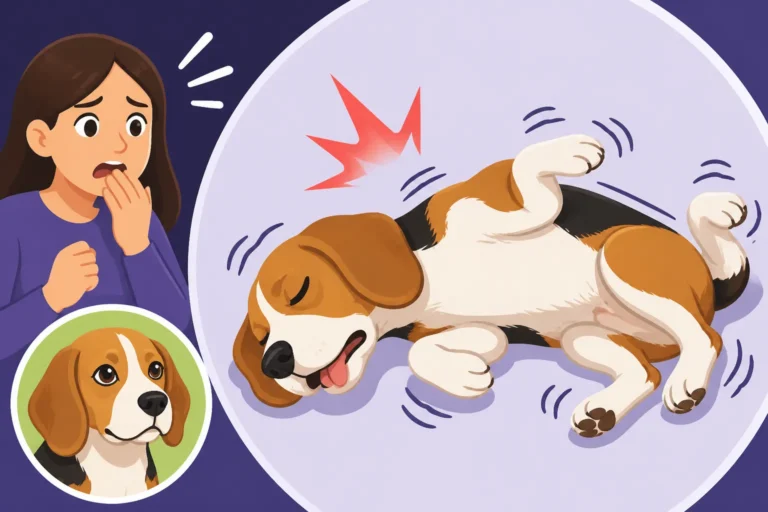
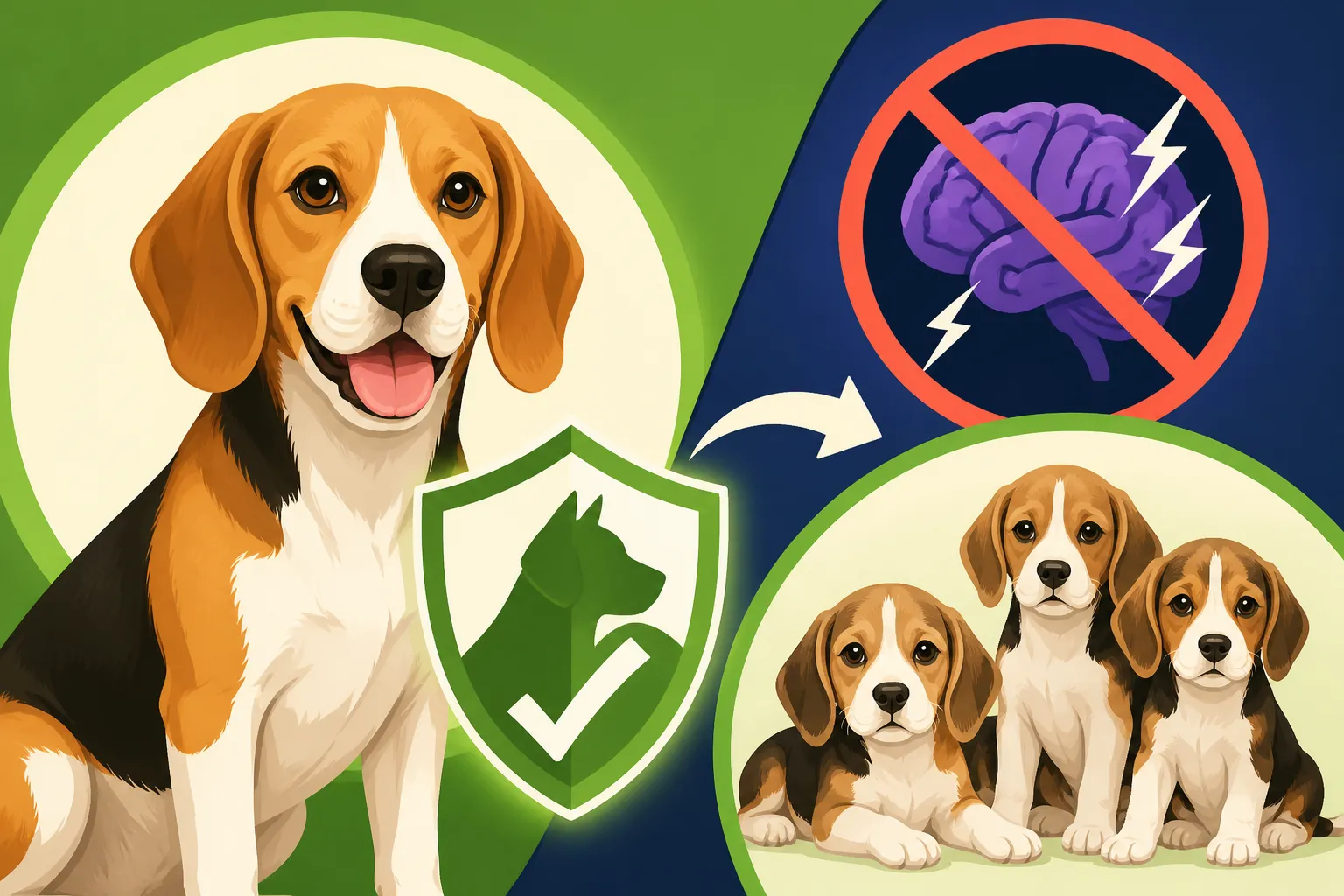
The sudden, terrifying sight of your beloved Beagle seizing can be one of the most heartbreaking experiences a dog owner faces. For Beagles, epilepsy is a real and often devastating concern, leaving many families wondering if there was anything that could have been done to prevent it. This comprehensive guide will walk you through the critical steps reputable breeders take to minimize the risk of epilepsy in future generations, focusing on responsible breeding practices and the vital role of genetic screening.
The Shadow of Epilepsy in Beagle Lines
The reality is that epilepsy, particularly idiopathic epilepsy, is unfortunately common in Beagles. It’s a condition that not only causes distress for the dog but also immense worry and financial strain for their human companions. Understanding the nature of this disease is the first step toward appreciating why careful breeding is so crucial.
Understanding Idiopathic Epilepsy
Idiopathic epilepsy is diagnosed when a Beagle experiences recurrent seizures without any identifiable underlying cause, such as a brain tumor, infection, or metabolic disorder. Essentially, it means the seizures are genetic in origin. Typically, the first seizure manifests in Beagles when they are between six months and six years old, making early detection and prevention a significant challenge for breeders. The seizures can range from mild, almost imperceptible episodes to full-blown grand mal seizures that are truly frightening to witness. It's important to differentiate this from other forms, such as Lafora disease, which is a specific, late-onset genetic epilepsy with its own unique characteristics. For a deeper dive, you can learn more about Idiopathic Epilepsy in Beagles From Six Months to Six Years.
The term "idiopathic" itself points to the mystery surrounding the exact genetic mechanisms. While we know it's inherited, the precise genes involved are complex, often involving multiple genes interacting with each other, rather than a single dominant or recessive gene. This polygenic inheritance makes breeding away from it a far greater challenge than for diseases caused by a single, easily identifiable gene mutation. Breeders are working against a subtle, often hidden genetic predisposition that can surface unexpectedly.
The Genetic Puzzle of Beagle Seizures
The inheritance pattern of idiopathic epilepsy in Beagles is thought to be complex, meaning it’s not as simple as a clear dominant or recessive trait. Instead, multiple genes likely contribute to a dog’s susceptibility, sometimes coupled with environmental factors that might trigger the expression of the condition. This complexity means that even Beagles with no personal history of seizures can carry and pass on genes that increase the risk in their offspring. It’s not just about looking at the parents; you need to cast a much wider net across the entire pedigree.
This genetic intricacy is why responsible breeders cannot simply say, "My dogs have never had a seizure, so their puppies won't either." They must delve into the health history of grandparents, great-grandparents, and all related siblings from previous litters. It's a bit like assembling a complex puzzle where some pieces are missing, and you're trying to predict the full picture. For instance, while one form of epilepsy, Lafora Disease and Late-Onset Beagle Epilepsy, has a specific DNA test, the more common idiopathic epilepsy remains elusive in terms of a single, definitive test.
Breeding Practices to Mitigate Risk
Responsible breeding is the cornerstone of reducing the prevalence of inherited diseases like epilepsy. It's not just about producing pretty puppies; it's about making thoughtful, ethical decisions that contribute to the long-term health and welfare of the breed. This involves rigorous research, careful selection, and a strong commitment to transparency.
Diligent Pedigree Research and Health History
One of the most powerful tools a breeder has is the pedigree. This isn't just a list of names; it's a map of genetic history. A responsible breeder will meticulously research the health history of every dog in a prospective breeding pair’s lineage, going back several generations. They're not just looking for seizure diagnoses but also for any unexplained sudden deaths, behavioral changes that might signal neurological issues, or even anecdotal reports of "odd behavior" from previous owners of relatives. This deep dive requires extensive networking with other breeders, maintaining open communication lines, and sometimes even tracking down pet owners from past litters.
Furthermore, a truly dedicated breeder will not breed a dog simply because it has not had seizures itself. They will investigate if any of its siblings, half-siblings, or offspring from previous breedings have developed epilepsy. If a sire or dam has produced an epileptic pup, a responsible breeder will almost certainly remove them from their breeding program, even if the parent themselves never showed symptoms. This level of commitment goes beyond superficial appearances and delves into the true genetic potential being passed down.
Avoiding Affected and High-Risk Animals
This point might seem obvious, but it's fundamental: Beagles diagnosed with epilepsy should never be bred. Period. Breeding an affected dog guarantees the perpetuation of the genes responsible for the condition. However, the challenge with idiopathic epilepsy is that some Beagles can be carriers, meaning they carry the genes but never develop the disease themselves. Identifying these carriers without a definitive genetic test is the breeder's dilemma.
To navigate this, responsible breeders will often avoid breeding Beagles that come from lines with a high incidence of epilepsy, even if the individual dog appears healthy. They'll also be extremely cautious about breeding "carrier" status dogs for conditions like Lafora disease if a test is available, preferring to breed clear-to-clear whenever possible. This conservative approach, while sometimes limiting the gene pool, is essential for slowly weeding out these problematic genes. The goal is always to reduce the overall genetic load for epilepsy in the breed, ensuring that future generations have the best possible chance at a seizure-free life.
The Role of Health Testing and Transparency
Beyond pedigree research, modern veterinary science offers genetic tests and health clearances that are indispensable for responsible breeding. Transparency about these results is just as important as the tests themselves, building trust between breeders and prospective puppy owners.
Available Genetic Tests for Beagles
While a comprehensive genetic test for all forms of idiopathic epilepsy in Beagles is still largely unavailable, there are specific tests that breeders should utilize. The most significant of these is the DNA test for Lafora Disease, a progressive myoclonic epilepsy that primarily affects Beagles and Basset Hounds. This is a crucial test because Lafora is a devastating, late-onset condition, and identifying carriers or affected dogs before they breed is vital. Responsible breeders will test all their breeding stock for Lafora. If a dog is a carrier, they will only breed it to a dog that is clear, ensuring no puppies are affected by this specific form of epilepsy. You can read more about The Lafora DNA Test Available for Beagles to understand its importance.
In addition to epilepsy-specific tests, good breeders will also perform a full panel of general health screenings. This includes tests for conditions like Musladin-Lueke Syndrome (MLS), which also has a DNA test, and various eye and hip clearances. These broader tests contribute to overall breed health and demonstrate a breeder's commitment to producing sound, healthy dogs. You might find a breeder referring to a "full DNA panel" for their Beagles, which provides insight into several potential genetic issues. Understanding how to interpret these results is key, and an article on Reading a Beagle DNA Panel Result Line by Line can be very helpful.
Comprehensive Health Clearances and Databases
Reputable Beagle breeders go far beyond just looking for epilepsy. They commit to a comprehensive health testing regimen for all their breeding stock, often participating in programs like the Canine Health Information Center (CHIC) program, which is part of the Orthopedic Foundation for Animals (OFA). CHIC requires specific health tests for each breed, for Beagles including hips, eyes, and MLS (Musladin-Lueke Syndrome). While not directly testing for idiopathic epilepsy, participation in such programs demonstrates a breeder's dedication to health and transparency. Discovering more about Beagle Health Testing Under CHIC can illuminate the rigorous standards applied.
These clearances, such as OFA hip and elbow evaluations, eye exams by board-certified veterinary ophthalmologists, and genetic tests for conditions like Lafora and MLS, provide documented evidence of a breeding dog's health. The results are often publicly available on the OFA website, allowing prospective puppy buyers to verify the health status of a puppy's parents directly. This level of transparency is a hallmark of an ethical breeder and provides a sense of security that the breeder is making informed decisions to produce healthy Beagles, reducing the risk of a myriad of potential health issues, not just epilepsy.
Breeder Transparency and Support
The most responsible breeders are an open book. They will readily share all health clearance certificates, including DNA test results for Lafora, and discuss any known health issues in their lines, even those not directly related to epilepsy, like Beagle Hip Dysplasia and Everyday Joint Wear or Beagle Hypothyroidism and the Weight It Puts On. They understand that prospective owners want to make an informed decision and are looking for a partner in their Beagle's long-term health. They will never pressure you or withhold information.
Furthermore, a good breeder provides lifetime support for their puppies. This means they are available to answer questions, offer advice, and provide guidance throughout your Beagle’s life. If a puppy they bred develops epilepsy, they will want to know and will support the owner. This includes discussing treatment options, sharing experiences from other owners, and sometimes even offering financial or practical assistance. A breeder who truly cares will not only provide health certifications but also recommend considering pet insurance, perhaps even suggesting a reliable provider like Healthy Paws, to ensure you're financially prepared for the unexpected. While no insurance can cover pre-existing conditions, a policy from a provider like Healthy Paws can be incredibly helpful for any unexpected health issues that arise later, especially if you get it before a diagnosis. It’s about building a community of responsible Beagle owners who prioritize the well-being of the breed.
Choosing a Breeder for a Healthy Future
When you're looking for a Beagle puppy, the breeder you choose is paramount. Their practices, their knowledge, and their commitment to health will directly impact the future well-being of your furry family member. Don't rush this decision; it's one of the most important you'll make.
Questions to Ask Prospective Breeders
Interviewing potential breeders is crucial. Don't be shy about asking direct, probing questions about their breeding program and their dogs' health. Here are some essential questions to include:
- "Have the parents of this litter, or any of their close relatives (siblings, parents, previous offspring), ever had a seizure?"
- "What health clearances do you perform on your breeding dogs, and may I see the official documentation (OFA, CHIC, genetic tests for Lafora, MLS, etc.)?"
- "Are you aware of any epilepsy in the broader pedigree of these dogs, going back several generations?"
- "What support do you offer if a puppy from this litter develops epilepsy or another serious health condition?"
- "Are you part of any breed clubs or health databases that track genetic diseases?"
A reputable breeder will not only welcome these questions but will also be able to answer them thoroughly and provide documentation. They understand that you’re doing your due diligence. You can find more detailed questions to ask in guides like What to Ask a Beagle Breeder About Genetics.
The "What If" Scenario and Breeder Guarantees
Even with the most rigorous health testing and careful breeding practices, genetics are never 100% predictable. Sometimes, despite a breeder's best efforts, a puppy may still develop an inherited condition like epilepsy. A responsible breeder understands this inherent risk and will have a clear policy or guarantee in their contract to address such situations. This might include a health guarantee for a certain period, an offer to take the dog back, help with veterinary expenses for the condition, or a replacement puppy from a future litter.
This "what if" scenario highlights the importance of a breeder's long-term commitment. Their responsibility doesn't end when you take the puppy home. It extends throughout the dog's life. This long-term engagement often includes providing advice on Senior Beagle Care After the Age of Ten or guiding you through unexpected health challenges. Such guarantees aren't just about financial compensation; they reflect a breeder's ethical stance and their dedication to the welfare of the puppies they produce, demonstrating they stand behind their breeding decisions. Even with the best preparation, pet insurance from a company like Healthy Paws can provide an essential safety net, covering unexpected illnesses and accidents that might arise.
Building a Relationship Beyond the Sale
Choosing a Beagle from a reputable breeder is about much more than a transaction; it's about forming a lifelong relationship. Good breeders are invested in the lives of the puppies they bring into the world. They want updates, they want to see photos, and they want to be a resource for you. This ongoing dialogue ensures that they can track the health and temperament of their lines, making better breeding decisions in the future.
This means you should feel comfortable reaching out to your breeder with any concerns, from training questions to health issues, years down the line. If you're considering adopting a Beagle, remember that a responsible breeder views themselves as a steward of the breed, not just a seller of puppies. Their commitment to breeding away from health issues like epilepsy is a testament to this philosophy, aiming for a future where every Beagle can live a full, vibrant life.
| Factor | Responsible Breeding Practices (Proactive) | Less Responsible Breeding (Reactive/Avoidant) |
|---|---|---|
| Pedigree Research | Deep dive into 3+ generations for health history, including siblings. | Only looks at parents, ignores extended family history. |
| Health Testing | OFA, CHIC, DNA tests (Lafora, MLS) for all breeding stock; public results. | Minimal or no testing; relies on "visually healthy" parents; no public records. |
| Epilepsy History | Avoids breeding affected or high-risk carriers; removes problematic lines. | Breeds dogs with known epilepsy in their lines; ignores carrier status. |
| Transparency | Shares all health records willingly; discusses potential issues openly. | Hides health records; dismisses concerns; provides vague answers. |
| Breeder Support | Lifetime support, contract guarantees for health issues, takes dogs back. | "Sale is final" mentality; no support post-purchase; unconcerned with outcomes. |
| Cost of Puppy | Reflects investment in health testing, quality care, and genetic screening. | Lower price often indicates lack of health investment and ethical practices. |
Disclaimer
Please remember that this article provides general information and guidance. While we strive to offer accurate and helpful content, it is not a substitute for professional veterinary advice. Always consult with a qualified veterinarian for any health concerns or before making any decisions about your Beagle's care or breeding.