Beagle Ear Hematomas Caused by Head Shaking
One moment your beloved Beagle is happily sniffing around, and the next, you notice a strange, soft swelling on their ear flap that wasn't there just hours ago. This alarming development, often accompanied by frantic head shaking and pawing at the ear, is a common and distressing issue for Beagle owners: an ear hematoma. It's truly upsetting to see your normally joyful hound in such discomfort, and this guide is here to walk you through exactly what a Beagle ear hematoma is, why it happens, and what steps you can take to get your furry friend back to their comfortable, sniff-filled life.
Understanding Beagle Ear Hematomas: What Exactly Are They?
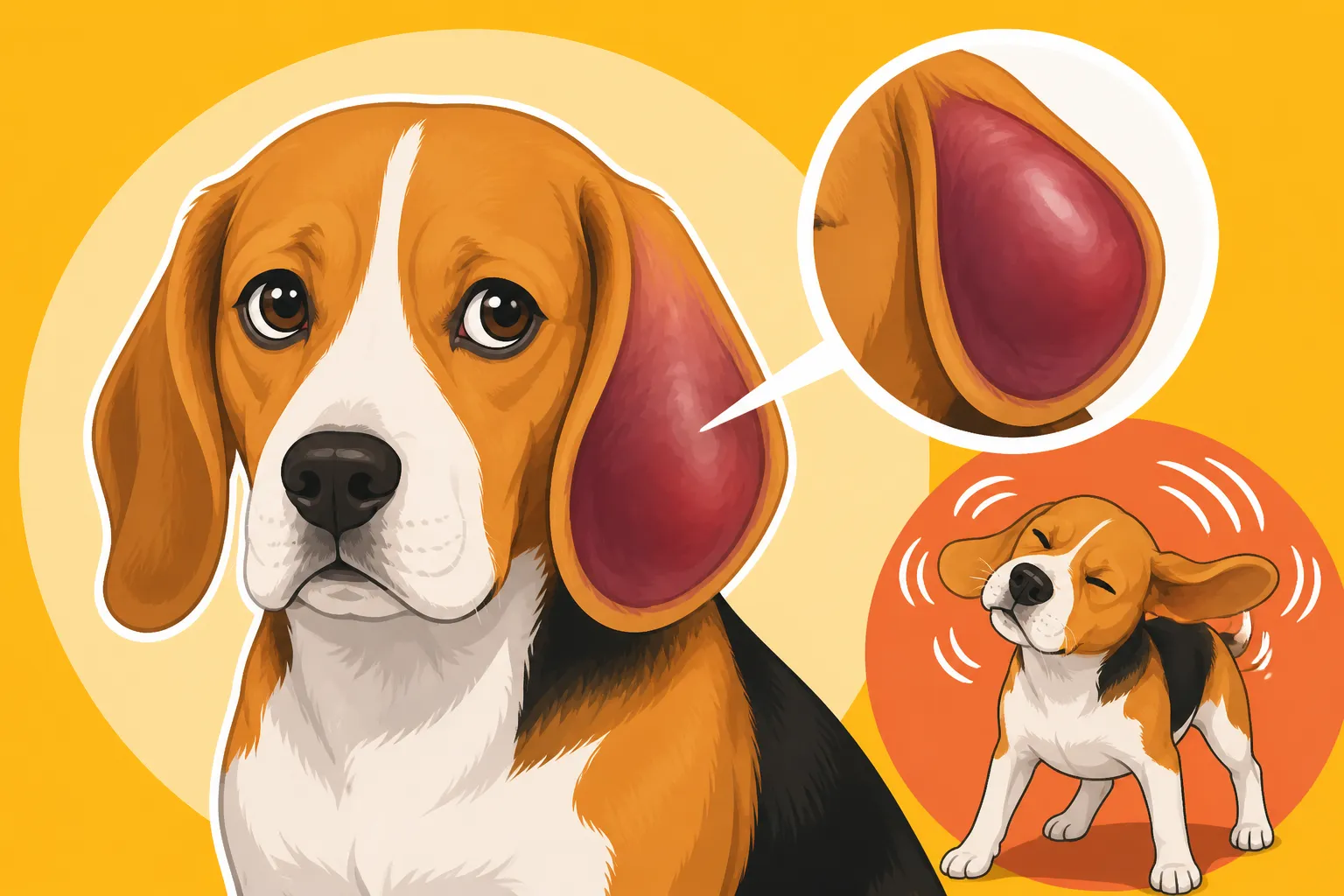
When you see that pillow-like swelling on your Beagle's ear, you're looking at what veterinarians call an aural hematoma. It’s essentially a blood blister that forms within the ear flap itself, specifically between the cartilage and the skin. It can pop up so suddenly it feels like magic, but rest assured, there's a very logical, albeit uncomfortable, reason behind it.
The Anatomy of the Beagle Ear and Why It's Prone
Beagles are famous for their long, floppy, velvety ears. While undeniably adorable and a key part of their charm, these pendulous ears are also a common culprit for a host of ear-related problems. Their length and the way they lie flat against the head create a warm, moist, and poorly ventilated environment. This makes them a perfect breeding ground for bacteria and yeast, leading to frequent ear infections.
Beyond infection, the very structure of these ears plays a role in hematoma formation. The ear flap, or pinna, contains a network of delicate blood vessels that are relatively unprotected. When your Beagle violently shakes its head or scratches excessively, these blood vessels can rupture under the shearing force, much like shaking a water balloon too vigorously. The blood has nowhere to go but to pool, creating that distinctive, fluid-filled swelling. It’s a sad irony that the very feature that makes them so endearing can also contribute to such painful issues.
The Role of Head Shaking in Hematoma Formation
It all starts with an itch or irritation. Imagine having an incredibly itchy spot you just can't reach effectively – you'd probably resort to some pretty dramatic movements to try and alleviate it, right? For a Beagle, that intense irritation usually comes from deep within the ear canal. Whether it's the maddening tickle of ear mites, the burning discomfort of a severe infection, or the constant itch of allergies, their natural reaction is vigorous head shaking and scratching.
This isn't just a gentle wobble; it's often a full-body, ear-flapping frenzy. The sheer force generated by these violent motions, particularly with those heavy, floppy ear flaps, causes the small blood vessels inside the ear flap to break. Think of it like a whip-lashing motion. Blood then leaks from these damaged vessels and collects between the cartilage and the skin of the ear flap. This pooling of blood is the hematoma. If the underlying cause of the head shaking isn't addressed, not only will the hematoma continue to cause pain, but the chances of recurrence after treatment are significantly higher. It’s a vicious cycle that needs intervention.
Identifying the Signs and Underlying Causes of a Hematoma
Spotting a Beagle ear hematoma is usually quite straightforward, but understanding why it's happening is key to preventing future episodes. This isn't just a cosmetic issue; it's often a symptom of deeper discomfort.
What a Beagle Ear Hematoma Looks and Feels Like
The most obvious sign of an ear hematoma is the sudden appearance of a soft, fluid-filled swelling on the inner or outer surface of your Beagle's ear flap. It can range in size from a small pea to encompassing almost the entire ear, making it look incredibly puffy, like a balloon. When you gently touch it (and your Beagle might protest loudly, as it's often quite painful), it feels warm and spongy. Some owners describe it as feeling like a water balloon or a soft, squishy pillow.
Beyond the visible swelling, your Beagle will likely be showing other signs of distress. Intense head shaking, tilting their head to one side, pawing at the affected ear, or rubbing it against furniture are all common. They might whine, resist having their head touched, or even become unusually withdrawn. Eating might be affected if the pain is severe. You might also notice redness or discharge from the ear canal if an infection is the underlying cause. Catching these Beagle Ear Infection Symptoms to Catch Early is crucial, as early intervention can prevent the head shaking that leads to hematomas.
Why Your Beagle is Shaking Its Head So Violently
This is the million-dollar question, and answering it correctly is paramount for long-term relief. An ear hematoma is almost always a secondary problem, caused by something else irritating your Beagle's ear to the point of vigorous head shaking.
The most common culprit? Ear infections. Beagles are exceptionally prone to these, thanks to their long, floppy ears. Whether it's a bacterial infection, a fungal infection like those stubborn Beagle Yeast Ear Infections That Keep Returning, or even ear mites, the discomfort can be immense, leading to relentless head shaking. Allergies are another huge factor. Just like people, Beagles can suffer from environmental allergies (pollen, dust mites) or food allergies, both of which often manifest as itchy skin and ears. An itchy ear often means a shaking ear. Foreign bodies, like a grass awn (foxtail) or a tiny insect that has worked its way into the ear canal, can also cause acute, severe irritation and frantic attempts to dislodge it. Less common causes include trauma (though this is rare unless there was a direct injury), or even certain autoimmune conditions. Your vet will need to perform a thorough ear exam, often involving an otoscope and a swab of the ear canal discharge, to identify the root cause. Without treating that primary problem, any hematoma treatment is just a temporary fix.
Treatment Options for Beagle Ear Hematomas: From Drainage to Surgery
When you discover an ear hematoma, it’s natural to feel a bit overwhelmed and worry about your Beagle. The good news is that these are very treatable, but choosing the right approach is vital for your dog’s comfort and for avoiding future issues.
Non-Surgical Approaches and When They Might Be Considered
For very small, fresh hematomas, or for Beagles who are not good candidates for anesthesia due to other health concerns, your vet might discuss non-surgical options. The most common is needle aspiration, where a needle and syringe are used to drain the accumulated blood. This sounds simple, and it is, but the success rate is often low. Why? Because the space where the blood collected tends to fill right back up. The underlying vessels are still fragile, and without adequate pressure or internal support, the blood just re-accumulates, sometimes within hours or days. It's incredibly frustrating for owners to see it return.
Another non-surgical method involves pressure bandaging. After aspiration, a tight bandage is applied to the ear flap to keep pressure on the area and prevent re-filling. However, maintaining consistent, appropriate pressure on a floppy Beagle ear can be incredibly challenging, and it needs to be monitored closely to ensure it's not too tight or uncomfortable. While these methods can sometimes work, especially if the hematoma is caught extremely early and is very small, they often provide only temporary relief and carry a high rate of recurrence, often leading to surgery down the line anyway.
The Surgical Solution: Incision, Drainage, and Suturing
For most Beagle ear hematomas, especially those that are moderate to large, or those that have recurred after aspiration, surgery is generally the most effective and definitive treatment. This involves a veterinary surgeon making a small incision on the inner surface of the ear flap to drain all the blood. The real key to successful surgery, however, lies in the next step: suturing.
Once the blood is drained, the surgeon will place multiple sutures (stitches) directly through the ear flap, from one side to the other. These sutures are strategically placed to re-adhere the skin to the cartilage, eliminating the pocket where the blood was pooling and preventing it from re-filling. They act as internal splints, providing gentle pressure across the entire affected area. The sutures are usually left in for several weeks, allowing the tissues to heal and bond back together. While this procedure does require general anesthesia, it has a much higher success rate in preventing recurrence and promoting proper healing. It also helps to minimize the risk of the ear becoming permanently thickened or "cauliflowered," which can happen if a hematoma is left untreated or poorly managed.
Post-Procedure Care and Preventing Recurrence
After surgery, your Beagle will come home with an Elizabethan collar (often called a "cone of shame") to prevent them from scratching or shaking their head and damaging the delicate stitches. This cone is non-negotiable, as even a moment of vigorous head shaking can undo the surgeon's hard work. You'll likely also have pain medication to keep your pup comfortable, and possibly antibiotics if an infection was present.
The most critical part of post-operative care, and truly, the long-term solution, is to identify and treat the underlying cause of the head shaking. If your vet diagnosed a bacterial ear infection, continue the prescribed ear drops religiously. If it was yeast, follow the protocol for those Beagle Yeast Ear Infections That Keep Returning. For allergies, this might involve dietary changes, environmental controls, or specific allergy medications. This is where a comprehensive approach truly pays off. Consistent follow-up with your veterinarian is essential to monitor healing and ensure the primary issue is fully resolved. It's a journey, not a single appointment. Keep in mind that unexpected medical emergencies like this can add up. Many owners find that pet insurance, such as a plan from Healthy Paws, can be incredibly helpful in managing these unforeseen costs, allowing them to focus on their Beagle's recovery without added financial stress.
The following table outlines the general characteristics of different treatment approaches:
| Treatment Method | Description | Pros | Cons | Typical Cost Range (USD) | Recurrence Rate |
|---|---|---|---|---|---|
| Needle Aspiration | Draining fluid with a needle; often combined with pressure wrapping. | Minimally invasive; no anesthesia required for initial drainage. | Very high recurrence rate; often a temporary fix; frequent vet visits for re-draining. | $50 – $200 | High (70-90%) |
| Surgical Incision & Suturing | Surgical incision to drain blood, then sutures placed to re-attach skin to cartilage. | Most effective, lowest recurrence rate; prevents cauliflower ear. | Requires general anesthesia; longer recovery with sutures and E-collar; higher initial cost. | $300 – $1,500 | Low (5-15%) |
| Laser Ablation | Using a laser to create drainage holes and seal blood vessels. | Less invasive than traditional surgery; faster healing time. | Specialized equipment needed; not available at all clinics; potential for recurrence if not sealed well. | $400 – $1,800 | Moderate (20-30%) |
| Teat Cannula Placement | Inserting a small tube to allow continuous drainage; used with pressure. | Less invasive than surgery; can be done with sedation. | Risk of infection; tube can be dislodged; requires careful monitoring. | $200 – $600 | Moderate (30-50%) |
Note: Cost ranges are estimates and can vary widely based on location, clinic, and severity of the hematoma.
Preventing Future Hematomas: Holistic Ear Health for Your Beagle
Seeing your Beagle go through the pain and recovery of an ear hematoma is enough to make any owner determined to prevent it from ever happening again. The good news is that many preventative measures are within your control and revolve around consistent, proactive ear care.
Regular Ear Cleaning and Inspection Routines
The single most impactful thing you can do to prevent ear hematomas is to establish a consistent ear care routine. Those adorable floppy ears are a magnet for moisture, dirt, and debris, which all set the stage for infections. This means weekly ear cleaning should become a non-negotiable part of your Beagle’s grooming schedule, especially if they love to explore outdoors or swim.
When you're cleaning your Beagle's ears, use a vet-approved ear cleaning solution and cotton balls or gauze – never cotton swabs, as these can push debris further into the canal. Gently massage the base of the ear to help break up wax and debris, then allow your Beagle to shake their head. After that, wipe away any loosened gunk from the outer ear. Beyond cleaning, simply taking a moment to lift those long ear flaps and inspect the ear canal for any signs of redness, discharge, odor, or swelling can make all the difference. Early detection of irritation means you can address issues before they escalate into vigorous head shaking and a hematoma. For detailed guidance, check out our guide on Cleaning a Beagle Ear Before Infection Starts and remember How Often a Beagle's Ears Need Cleaning.
Addressing Allergies and Other Irritants Proactively
If your Beagle is prone to ear issues, it's worth considering if allergies are playing a role. Environmental allergies can cause chronic ear inflammation, leading to recurring infections and persistent itching. Similarly, some Beagles develop Beagle Food Allergies Showing Up on the Skin which can manifest as itchy ears. If you suspect allergies, your veterinarian might suggest an elimination diet trial or allergy testing to identify triggers. Managing allergies can significantly reduce ear irritation and, consequently, the head shaking that leads to hematomas.
Beyond allergies, stay vigilant for other irritants. Always perform a thorough check for ticks and foreign bodies after outdoor adventures, particularly if your Beagle has been running through tall grasses or brush. Removing a tiny grass awn before it burrows deeper can save your Beagle a lot of pain and prevent a potential hematoma. Consistent parasite prevention is also key to keeping ear mites at bay.
The Importance of Prompt Vet Care
It cannot be stressed enough: if you notice your Beagle shaking its head more than usual, pawing at its ears, or if there's any odor, redness, or discharge from the ear, don't wait. These are classic signs of an underlying problem that needs professional attention. Delaying a vet visit often means the infection or irritation will worsen, leading to more intense head shaking and a higher risk of a hematoma developing. What starts as a minor irritation can quickly become a significant and painful problem for your Beagle.
Prompt veterinary diagnosis and treatment of any ear condition will not only alleviate your Beagle's discomfort but also protect them from the painful and often costly ordeal of an ear hematoma. Regular check-ups allow your vet to spot subtle issues you might miss. Think of it as investing in your Beagle's long-term ear health and comfort. Having a robust pet insurance plan, like one from Healthy Paws, can certainly provide peace of mind for those unexpected vet visits and treatment costs that arise from chronic ear issues or emergency situations like a hematoma. This helps ensure that you can make the best medical decisions for your Beagle without undue financial strain, especially when those Beagle Ear Infection Vet Visits Adding Up.
Disclaimer
The information provided in this article is for educational purposes only and is not a substitute for professional veterinary advice. Always consult with a qualified veterinarian for any health concerns or before making any decisions about your pet's medical care.