The Signs a Beagle Ear Needs a Vet
It's incredibly frustrating, isn't it? One minute your Beagle is happily sniffing around, and the next, they're shaking their head or pawing at an ear with an intensity that makes your stomach drop. Those long, floppy ears are part of their charm, but they're also a perfect breeding ground for all sorts of trouble, making it really hard to tell if it's just a bit of wax or a full-blown emergency. This guide is here to walk you through the tell-tale signs that your Beagle's ear isn't just a little irritated, but actually needs a professional veterinary eye, and fast.
The Early Warning Signs Your Beagle's Ears Are Troubled
Sometimes, the first hints that something is amiss with your Beagle's ears are so subtle you might second-guess yourself. It's easy to dismiss a quick head shake as just getting rid of an itch, or a moment of grumpiness as a bad mood. But with Beagles, especially those prone to Beagle Ear Infections and the Drooping Ear Flap, paying attention to these quiet signals can make all the difference in catching an issue before it spirals out of control.
Subtle Behavioral Changes You Might Miss
Your Beagle has a unique personality, and any shift, even a small one, can be a window into their discomfort. When their ears start bothering them, they might not immediately yelp or scratch furiously. Instead, you might notice them shaking their head a little more frequently than usual, perhaps after they get up from a nap or come in from the yard. It's often a gentle, almost unconscious shake at first, rather than a violent one. They might also start pawing at an ear with a hind leg, or rubbing their head along the carpet or furniture. This isn't just cute; it's them trying to relieve an itch or irritation they can't quite get at.
Beyond the physical actions, observe their overall demeanor. Is your usually boisterous Beagle a bit more withdrawn? Are they less enthusiastic about their walk or playtime? Do they seem reluctant to have their head petted, especially around the ears? If you go to scratch behind their ear, do they flinch, pull away, or even give a low growl when they normally lean into the affection? These are all signs that their ear might be causing them pain or significant discomfort, leading to a general malaise. Trust your gut if your Beagle just seems "off."
Initial Physical Clues Inside the Ear
Once you notice those subtle behavioral shifts, it's time for a gentle inspection. Now, I know some Beagles aren't thrilled about having their ears handled, but it's a vital part of their care. You're looking for anything that deviates from their normal, healthy ear. A healthy Beagle ear should be a clean, pale pink inside the flap, without excessive wax, discharge, or any noticeable odor.
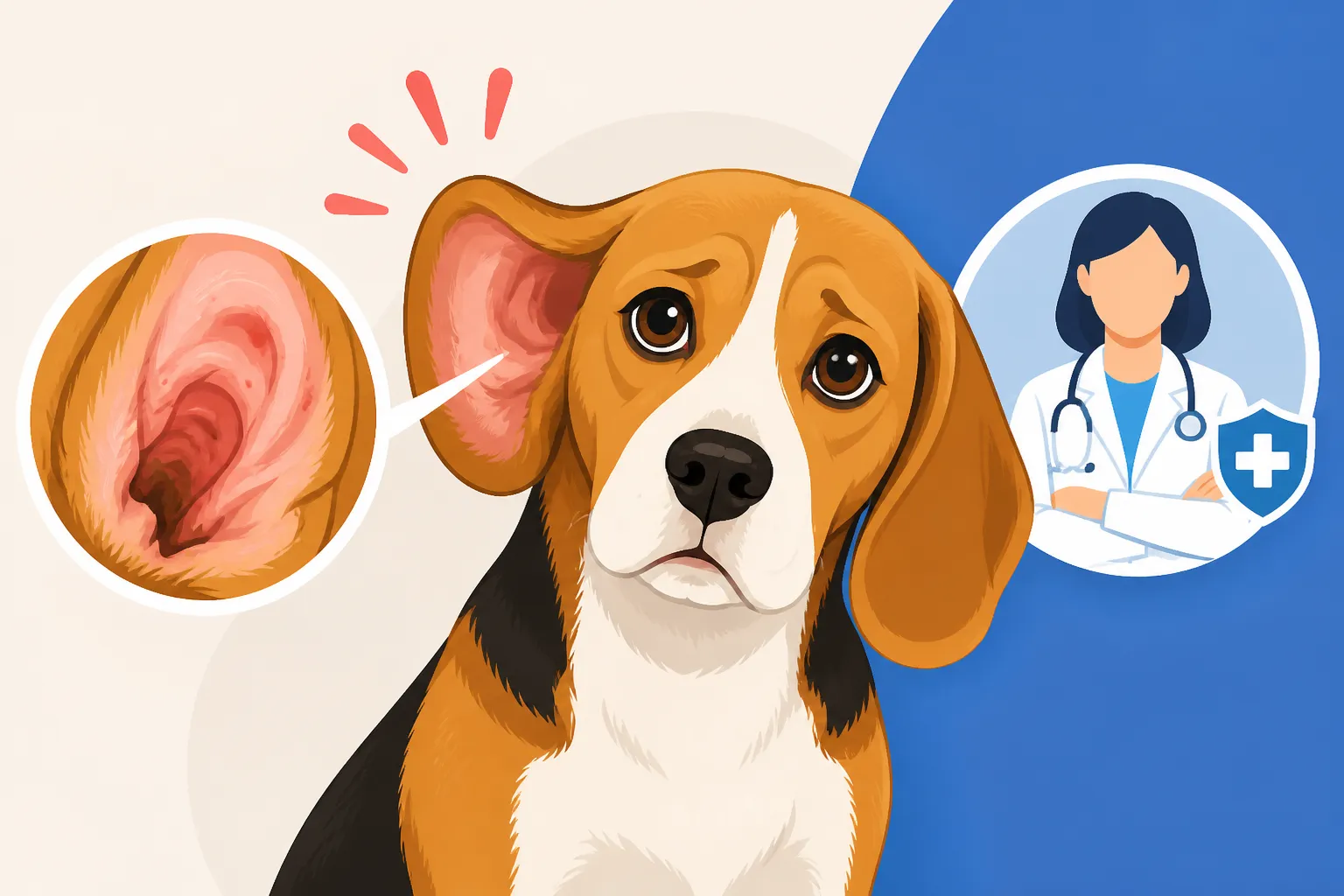
The first physical clues are usually quite mild. You might see a slight redness on the inner ear flap, perhaps just around the opening of the ear canal. It might look a little pinker than usual, not inflamed, but just more colored. You might also notice a slight increase in ear wax. Normal ear wax is usually light brown and odorless. But if you see wax that's darker, stickier, or just seems to be building up faster than usual, that's a sign. Don't panic immediately; sometimes it's just dirt or pollen. But combine it with the behavioral signs, and you've got a reason to keep a closer eye on things. Remember, a quick glance isn't enough; you need to lift that floppy ear and peer inside.
The Importance of Regular Ear Checks
Making ear checks a routine part of your Beagle's care can truly save you headaches (and vet bills!) down the line. Those long, heavy ear flaps that make them so adorable also reduce air circulation and create a warm, moist environment perfect for bacteria and yeast to flourish. Think of it like a tiny sauna for pathogens! If you make it a habit, say, once a week while you're grooming them or giving them a cuddle, you'll quickly learn what "normal" looks and smells like for your dog.
If you spot something unusual during these checks – a bit more wax, a slightly pinker ear – you can address it early. Sometimes, a gentle cleaning with a vet-approved ear cleaner is all that's needed to head off a brewing problem. Products you can find on sites like Chewy or Amazon can be incredibly helpful for maintaining ear hygiene, but always make sure they're specifically designed for dogs and that you know how to use them correctly. Early detection through regular checks is your best defense against those painful, deep-seated infections. For more on this, check out How Often a Beagle's Ears Need Cleaning.
Recognizing More Advanced Ear Infection Symptoms
If those early whispers of trouble go unheeded, or if an infection strikes quickly, the signs become much more pronounced and harder to ignore. This is often when owners really start to worry, and for good reason. The discomfort your Beagle is feeling can escalate rapidly, leading to clear, unmistakable symptoms that scream "vet visit!"
Distinct Odors and Visible Discharge
This is often the symptom that really makes owners sit up and take notice because, well, you can't miss it. If your Beagle's ear develops a strong, unpleasant odor, it's a huge red flag. A healthy ear should have almost no smell, or at most a very faint, clean, waxy scent. An infected ear, however, can smell anywhere from yeasty and sweet (like old bread or beer) to downright putrid, like something rotten. This pungent smell is a strong indicator of bacterial or yeast overgrowth.
Along with the odor, you'll usually see noticeable discharge. This isn't just a bit of dark wax; it's often excessive and changes in consistency and color.
- Dark brown, waxy, or tar-like discharge: This often points to a yeast infection, which is incredibly common in Beagles. It can be sticky and build up quickly.
- Yellow, green, or pus-like discharge: This is typically a sign of a bacterial infection, which can be more serious and often requires antibiotics. This discharge might also be watery or thick and creamy.
- Bloody or rust-colored discharge: This could indicate trauma, a severe infection causing irritation and bleeding, or even polyps or tumors within the ear canal.
Any of these types of discharge, especially when accompanied by a strong odor, means it's definitely time to schedule an appointment with your veterinarian. This kind of discharge is a clear sign that the infection has taken hold and needs medical intervention. You might want to refer to Beagle Yeast Ear Infections That Keep Returning for deeper insight into managing recurring yeast issues.
Pain, Swelling, and Redness That Progresses
As an ear infection takes hold, the inflammation in the ear canal intensifies, leading to visible signs of pain, swelling, and redness. When you gently lift your Beagle's ear flap (if they even let you get that close), you might see the entire inner surface of the ear, and sometimes even the outside of the ear flap, is bright red and inflamed. It might also feel hot to the touch compared to the surrounding skin.
Swelling is another common symptom. The tissues inside the ear canal can become so swollen that they almost close off the canal, making it even harder for air to circulate and exacerbating the problem. Your Beagle will likely be very sensitive and reactive to any touch near the affected ear. They might pull away sharply, yelp, growl, or even snap if the pain is severe. This pain can also manifest as relentless head shaking, often more vigorous and persistent than the subtle shakes you might have seen earlier. They might also scratch at the ear with their hind leg until the skin breaks, creating secondary infections or wounds. This cycle of itching, scratching, and pain can be agonizing for your dog.
Balance Issues or Persistent Head Tilting
When an ear infection progresses and moves deeper into the ear canal, affecting the middle or inner ear, it can start to impact your Beagle's neurological function, particularly their sense of balance. If you notice your Beagle persistently tilting their head to one side, almost as if they're constantly listening with one ear, this is a significant symptom. The tilt will typically be towards the affected ear.
In more severe cases, or if the infection is particularly aggressive, you might observe more pronounced balance issues. Your Beagle could start walking in circles, often favoring the side of the affected ear. Their gait might become wobbly or uncoordinated, similar to how a person might stumble if they're dizzy. They might seem disoriented or even fall over. While less common for simple outer ear infections, if you see these neurological signs, it indicates a much deeper and more serious problem that requires immediate veterinary attention. These symptoms can sometimes be indicative of a deeper ear infection that can impact hearing or even lead to more systemic issues if left untreated.
When an Ear Problem Becomes a Veterinary Emergency
While most ear infections aren't life-threatening, some situations demand immediate veterinary care. Knowing when to rush to the emergency clinic versus waiting for a regular appointment can prevent serious complications and prolonged suffering for your beloved Beagle. These are the moments when you simply cannot afford to wait.
Acute Pain, Bleeding, or Foreign Objects
If your Beagle suddenly cries out in extreme pain when touching their ear, or if you see visible fresh blood, pus actively oozing, or an obvious injury (like a tear to the ear flap, a bite mark, or a deep scratch), do not delay. Acute pain can be a sign of a ruptured eardrum, a severely inflamed ear canal, or even something more serious like Beagle Pain Syndrome Fever and Neck Stiffness that can mimic ear issues.
Finding a foreign object lodged deep inside the ear canal is also an emergency. Foxtails, grass awns, or even small insects can burrow into the ear, causing immense pain and potentially rupturing the eardrum or migrating further into the head. Never attempt to remove a foreign object yourself unless it's clearly visible and superficial. You risk pushing it deeper or causing more damage. If you suspect an object is in there, get your Beagle to the vet right away. Likewise, a sudden, large swelling on the ear flap itself, especially after violent head shaking, could be a Beagle Ear Hematomas Caused by Head Shaking, which is a collection of blood under the skin that needs to be drained by a vet.
Systemic Illness Accompanying Ear Issues
An ear infection that has spread or is severely debilitating can cause more generalized signs of illness in your Beagle. If you notice any of the following symptoms alongside the ear problems, consider it an emergency:
- Fever: Your Beagle feels unusually warm, especially around the ears, or has an elevated body temperature.
- Lethargy: They are unusually tired, listless, and unresponsive. They might not want to get up, play, or even eat.
- Loss of Appetite: Your Beagle refuses to eat or drink, or shows a significant decrease in appetite.
- Vomiting or Diarrhea: While less common for ear infections alone, if coupled with severe ear pain, it could indicate a more systemic problem or a secondary illness.
These systemic signs mean the infection might be overwhelming your Beagle's body, or it could be a sign of another, more serious underlying condition that is weakening their immune system and allowing the ear infection to flourish. In such cases, your vet needs to assess the full picture quickly to prevent further deterioration.
Rapid Deterioration or Non-Response to Home Care
You know your Beagle best. If you've been monitoring a mild ear issue and suddenly, within a matter of hours, it goes from slightly red to intensely swollen and painful, or the discharge becomes profuse, that rapid deterioration is a sign to seek emergency care. Similarly, if you've been prescribed medication for an ear infection, and after a few days, your Beagle shows absolutely no improvement – or worse, gets worse – don't hesitate to call your vet. Sometimes the initial diagnosis or medication isn't quite right for the specific type of infection, or your dog might have an allergy or resistance.
It's tempting to think "it can wait until morning" or "my regular vet will be open soon." But in cases of rapid worsening, severe pain, or any of the systemic signs mentioned, waiting could lead to a deeper, more entrenched infection, permanent damage to the ear, or prolonged suffering for your Beagle. When in doubt, it's always better to err on the side of caution and get them checked out.
Here's a quick summary of when to act:
| Symptom Category | Signs to Watch For | Urgency Level | What to Do |
|---|---|---|---|
| Mild Discomfort | Frequent head shaking, occasional pawing, mild redness, slight wax | Low | Monitor closely, gentle cleaning (if applicable), schedule regular vet check if persistent. |
| Clear Infection | Strong odor, excessive discharge (waxy, yellow, green), visible redness, swelling, pain when touched, frequent scratching | Medium | Schedule a vet appointment within 24-48 hours. |
| Emergency | Acute pain, bleeding, foreign object visible, sudden severe swelling, head tilting, balance loss, fever, lethargy, vomiting, rapid worsening | High | Seek immediate veterinary attention (emergency clinic if necessary). |
Maintaining Healthy Beagle Ears to Prevent Future Woes
Prevention is always better than cure, especially when it comes to those notorious Beagle ears. Establishing a proactive ear care routine can drastically reduce the chances of your furry friend suffering from painful infections. It takes a little commitment, but the payoff in comfort for your Beagle is immense.
A Proactive Ear Cleaning Schedule
Consistency is key when it comes to keeping Beagle ears healthy. Because of their long, droopy design, air circulation is naturally poor, creating a warm, moist environment where bacteria and yeast thrive. This makes them highly susceptible to ear infections. Your best defense is a regular cleaning and inspection schedule. I recommend doing a quick visual check and a sniff test daily or every other day, especially if your Beagle loves to swim or run through tall grass. Then, a thorough cleaning, typically once a week or as advised by your vet.
To clean them, you'll want a vet-approved ear cleaning solution – never just water or alcohol, as these can cause irritation or dry out the delicate skin. You can find excellent options on Chewy or even through your vet's office. Gently lift the ear flap, apply the solution into the ear canal (following the product's instructions), and massage the base of the ear for about 30 seconds. You'll often hear a squishing sound as the solution breaks up wax and debris. Let your Beagle shake their head, and then use a soft cotton ball or gauze (never a Q-tip, as it can push debris deeper) to wipe out any visible dirt and excess solution from the outer ear flap. This routine, often called The Five Minute Beagle Ear Routine, can make a world of difference.
Managing Moisture and Environmental Triggers
Moisture is the enemy of a healthy Beagle ear. Water trapped inside the ear canal after baths, swims, or even just humid weather creates the perfect breeding ground for those pesky yeast and bacteria. Always make sure to thoroughly dry your Beagle's ears after they get wet. You can use a soft towel, or even a low, cool setting on a hairdryer held at a safe distance, making sure not to burn the delicate skin. Lift the ear flap and gently wipe the accessible parts of the ear canal.
Beyond moisture, environmental triggers play a huge role. Beagles, with their low-to-the-ground sniffing habits, are constantly exposing their ears to allergens like pollen, dust, and grass. If your Beagle is particularly itchy or experiences recurring ear issues during certain seasons, environmental allergies could be at play. Avoiding known triggers where possible, or taking steps to reduce exposure, can help. This might mean wiping their paws and ears after outdoor excursions, or ensuring your home environment is clean and free of excessive dust. Recognizing Why Beagle Ears Trap Moisture So Well can help you be more vigilant.
Addressing Underlying Health Conditions Like Allergies
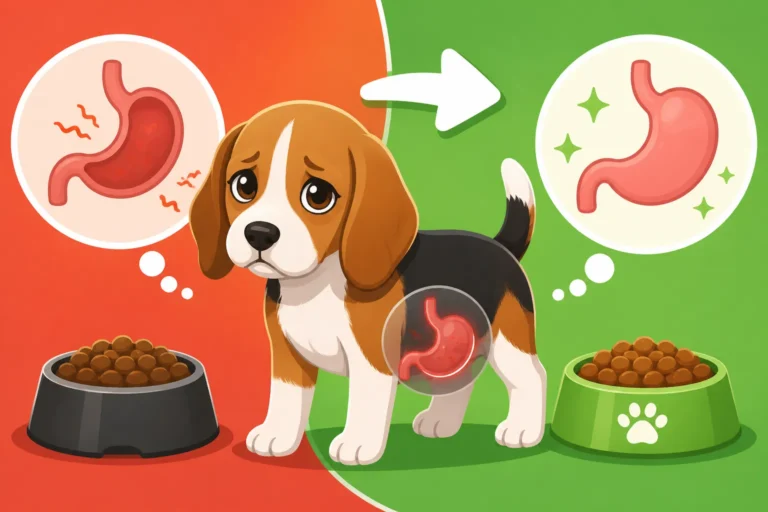
Sometimes, ear infections aren't just a simple matter of moisture or hygiene; they're a symptom of a larger, underlying health issue. Allergies, both environmental and food-related, are incredibly common culprits behind chronic ear problems in Beagles. If your Beagle is experiencing recurrent ear infections, especially if they are accompanied by other signs like itchy skin, paw licking, or digestive upset, it's crucial to explore the possibility of allergies with your vet.
Diagnosing allergies can be a bit of a detective mission, often involving elimination diets for food allergies or skin tests for environmental allergens. For food allergies, your vet might recommend a novel protein or hydrolyzed protein diet. There are many specialized dog food brands available, some even offer fresh food delivery like Ollie, which can be beneficial for managing sensitivities. Switching to such a diet, under veterinary guidance, can often alleviate persistent ear issues if food is the trigger. Similarly, managing environmental allergies with medication, supplements, or even immunotherapy can lead to a significant improvement in ear health. Ignoring these underlying conditions means you'll be constantly battling ear infections without ever getting to the root of the problem. For more on this, you can check out Beagle Skin Allergies and Constant Itching.
Disclaimer
This article is for general informational purposes only and does not constitute professional advice. Laws, prices and regulations vary by location and change over time. Consult a qualified professional for guidance on your specific situation.