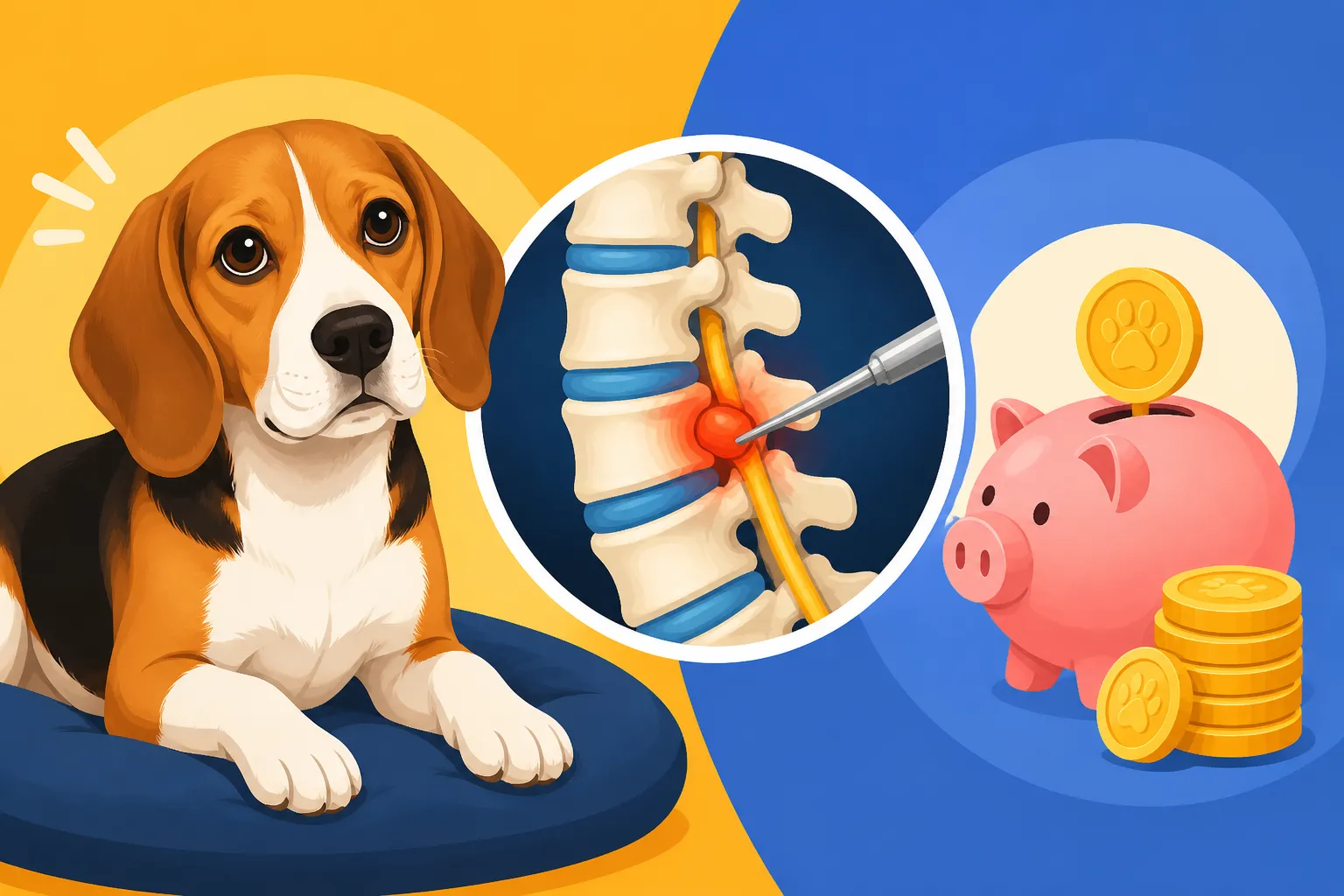
What Beagle Disc Surgery Costs
It's a terrifying moment for any Beagle owner: you notice your cheerful, tail-wagging companion suddenly hesitant to jump, or worse, dragging a back leg, clearly in pain. Intervertebral Disc Disease (IVDD) can strike quickly, turning a vibrant dog into one suffering immense discomfort, often leading to the agonizing question of surgery. This guide will meticulously break down the significant costs associated with Beagle disc surgery, from the initial diagnostic steps to the long road of recovery, helping you understand the financial journey ahead.
Understanding Intervertebral Disc Disease in Beagles
Intervertebral Disc Disease (IVDD) is a common, debilitating condition that can affect Beagles, and understanding why it happens and what to look for is the first step toward getting your furry friend the help they need. The emotional toll of seeing your Beagle in pain is immense, and the financial stress of treatment can feel overwhelming, so let's get into the specifics.
Why Beagles Are Prone to Disc Issues
Beagles, like many breeds with longer backs and shorter legs (a characteristic known as chondrodystrophy), are unfortunately predisposed to IVDD. Their spinal discs, which act as cushions between the vertebrae, are more prone to degeneration and herniation. Instead of cushioning the spine, these discs can rupture or bulge, pressing on the spinal cord and causing everything from mild pain to complete paralysis. It's not just a genetic lottery; everyday movements can contribute. A sudden twist, a hard landing from a jump, or even just the wear and tear of a happy, active life can lead to problems. We often see it manifest as a "slipped disc," but it's more accurately a degenerative process that can lead to acute symptoms. Owners often wonder about the specific mechanics behind it; for a deeper dive, you might find Beagle Disc Disease and That Slightly Long Back helpful in understanding the anatomical nuances.
Recognizing the Signs of a Disc Injury
Catching disc issues early can make a significant difference in prognosis and, sometimes, even the cost of treatment. The signs can vary greatly depending on which part of the spine is affected and how severe the compression is. Initially, you might notice subtle changes: a reluctance to climb stairs, a hesitant jump onto the couch, or an unusual stiffness. Your Beagle might yelp when picked up or show signs of tenderness when you touch their back. As the condition progresses, you could see more pronounced symptoms like weakness in one or both hind legs, a wobbly gait, or even paralysis. They might have trouble coordinating their movements, drag their paws, or exhibit urinary or fecal incontinence. Don't dismiss any unusual behavior as just "being old" or "clumsy." Early detection is key, so if you're seeing any of these red flags, it's time to act. For a more detailed look at what to watch for, check out our posts on Early Beagle Disc Signs Long Before Paralysis and Beagle Back Pain Warning Signs.
The Initial Veterinary Consultation and Diagnostic Costs
When your Beagle starts showing signs of back trouble, the first thing you’ll do is rush them to the vet. This initial visit is crucial, but it's also where the costs begin to accumulate, even before any talk of surgery. It’s important to understand each step, not just for your peace of mind, but for your wallet too.
The First Vet Visit and Pain Management
Your regular veterinarian will conduct a thorough physical and neurological exam. They'll test your Beagle's reflexes, pain response, and proprioception (awareness of limb position) to pinpoint the affected area of the spine. This initial consultation fee typically ranges from $50 to $150, depending on your location and clinic. If they suspect a disc issue, they'll usually start your Beagle on pain medication and anti-inflammatory drugs to reduce swelling and discomfort. These might include non-steroidal anti-inflammatory drugs (NSAIDs) like Rimadyl or Metacam, muscle relaxants, and sometimes even a short course of steroids. The cost of these medications can add another $50 to $200 for the initial prescription, often requiring refills as the situation develops. In some mild cases, strict rest and medication might be sufficient, but for many Beagles with IVDD, further diagnostics are needed.
Advanced Diagnostics: X-rays, MRI, and Myelogram
Once pain management is initiated, your vet will likely recommend advanced imaging to confirm the diagnosis and determine the severity and exact location of the disc herniation. Simple X-rays, while useful for ruling out other issues like fractures or tumors, don't show soft tissue structures like discs very well. However, they are often a first step and can cost $150 to $400.
For a definitive diagnosis of IVDD and to map out a surgical plan, an MRI (Magnetic Resonance Imaging) or a myelogram is usually required. An MRI is considered the gold standard as it provides highly detailed images of the spinal cord and surrounding soft tissues, allowing the surgeon to see exactly where the disc is impinging on the nerves. An MRI can be incredibly expensive, often ranging from $2,500 to $5,000, as it requires specialized equipment and general anesthesia.
A myelogram is another diagnostic option, where a contrast dye is injected into the spinal canal and then X-rays are taken. This helps highlight the spinal cord compression. While typically less expensive than an MRI, a myelogram still requires anesthesia and carries a slight risk. The cost for a myelogram can range from $1,500 to $3,000. These advanced diagnostics are often performed by a veterinary neurologist or at a specialty referral center. It's a significant financial hurdle, but absolutely essential for a precise diagnosis and effective surgical intervention. We have more detailed information on what to expect specifically for Beagle MRI Costs Before Back Surgery.
Surgical Procedures and Their Associated Expenses
Once a disc herniation is confirmed and localized, the discussion turns to surgery. This is often the most significant portion of the overall cost, encompassing the procedure itself, the expertise of the surgeon, and the critical monitoring involved. It's a daunting prospect, but for many Beagles, it offers the best chance at regaining mobility and living a pain-free life.
Types of Disc Surgery for Beagles
The specific surgical procedure chosen for your Beagle will depend on the location and nature of the disc herniation. For issues in the thoracolumbar (mid to lower back) region, a hemilaminectomy is common. This involves removing a portion of the vertebral bone to access and remove the herniated disc material that is pressing on the spinal cord. It's a delicate procedure requiring immense skill. For cervical (neck) disc issues, a ventral slot procedure might be performed, where the surgeon makes an incision from the underside of the neck to remove the offending disc material. Another technique, less common for acute herniations but sometimes used preventatively or for mild cases, is fenestration, which involves creating a small window in the outer layer of the disc to remove its inner material, reducing the risk of future herniation. Each of these procedures has its own complexity and associated time in the operating room, directly impacting the final bill.
The Core Cost of the Surgery Itself
The surgical fee itself is a complex figure that bundles many services together. This typically includes the surgeon's fee (which accounts for their specialized training and expertise), the operating room time, the cost of specialized equipment, and all the surgical supplies used during the procedure. For Beagle disc surgery, the core surgical cost alone can range dramatically, usually between $3,000 and $7,000. This wide range is influenced by several factors: the severity of the herniation, the specific procedure required, the geographic location of the veterinary specialty hospital, and the experience level of the veterinary surgeon. In densely populated urban areas or at leading referral centers, you can expect costs to lean towards the higher end of this spectrum. Remember, this figure often doesn't include the initial diagnostics or the extensive post-operative care, which are additional, substantial expenses. Understanding the odds of a good recovery is also a critical consideration; you can learn more about this in our article Beagle Disc Surgery and the Odds of Recovery.
Anesthesia and Monitoring Fees
Spinal surgery is a major undertaking, and meticulous anesthesia and monitoring are paramount for your Beagle's safety. These fees cover the cost of the veterinary anesthesiologist or technician who will manage your dog's anesthesia from start to finish. This includes continuous monitoring of vital signs such as heart rate, respiratory rate, blood pressure, oxygen saturation, and body temperature throughout the entire procedure. Medications for anesthesia, intravenous fluids, and any necessary emergency drugs are also factored into this cost. Given the delicate nature of spinal surgery and the need for a stable patient, this aspect of care is highly specialized. Anesthesia and monitoring charges can add another $500 to $1,500 to the total bill. It’s a non-negotiable expense that ensures your Beagle remains safe and comfortable during such an intensive operation, and it requires dedicated, highly skilled staff.
Post-Operative Care and Recovery Costs
The surgery itself is a critical step, but it's just the beginning of the journey. The post-operative period is equally vital for a successful recovery, and it comes with its own set of expenses. This phase requires immense dedication from both you and your veterinary team, and budgeting for it is just as important as budgeting for the surgery itself.
Hospitalization and Medication Post-Surgery
After spinal surgery, Beagles typically require a few days of inpatient hospitalization for intensive monitoring and pain management. During this time, they'll receive round-the-clock care, including intravenous fluids, injectable pain medications, anti-inflammatories, and possibly muscle relaxants. The veterinary staff will meticulously monitor their neurological function, bladder control, and overall comfort. Each day of hospitalization can cost anywhere from $200 to $500, so a 2-4 day stay can quickly add $400 to $2,000 to your total. Once your Beagle is stable enough to go home, you'll be sent home with oral medications for pain relief, inflammation, and sometimes nerve support, which can cost an additional $100 to $300 for the initial supply. These medications are crucial for keeping them comfortable and supporting their healing process during the initial weeks at home.
Rehabilitation and Physical Therapy
The recovery from disc surgery is a marathon, not a sprint, and physical therapy plays an indispensable role in helping your Beagle regain strength, coordination, and nerve function. Rehabilitation starts slowly, often with gentle range-of-motion exercises, massage, and controlled leash walks. As they progress, modalities like underwater treadmill therapy, therapeutic exercises, laser therapy, and acupuncture can be introduced. These therapies help build muscle, improve balance, reduce pain, and encourage nerve regeneration.
Each rehabilitation session can cost $50 to $150, and your Beagle might need multiple sessions per week for several weeks or even months. A full rehabilitation program could easily add $1,000 to $3,000+ to the overall cost. While it seems like an extra expense, consistent physical therapy is often the difference between a partial and a full recovery, giving your Beagle the best chance at a normal, active life. For guidance on specific recovery strategies, you might find our article on Beagle Physical Therapy After a Back Injury incredibly helpful.
Home Care Setup: Ramps, Harnesses, and Crate Rest
Bringing your Beagle home after disc surgery requires a commitment to creating a safe and supportive environment. Strict crate rest is paramount for several weeks to prevent re-injury and allow the spine to heal. This means a comfortable, appropriately sized crate. Additionally, you'll need to prevent your Beagle from jumping on and off furniture or climbing stairs. This often necessitates investing in ramps for a Beagle's bed and car or steps, which can range from $50 to $200 each. Orthopedic beds can provide extra comfort and support during recovery, with brands available on Chewy offering a wide selection starting from $40 to over $100.
A specialized support harness, such as those that provide assistance for the hindquarters, might also be needed, costing $30 to $100. Creating a "no-jump" zone and managing your Beagle's environment to ensure they don't exacerbate their injury is critical. This might even include baby gates to block off stairs or rooms. These home modifications are not just about convenience; they are vital for successful healing and preventing a relapse. The concept of Crate Rest for a Beagle With a Disc Injury is fundamental to this phase, and understanding how to effectively implement it will be key. For tips on protecting your Beagle’s back in the long term, consider reading Ramps and Steps That Protect a Beagle Spine.
Long-Term Management and Potential Complications
Even after successful surgery and initial recovery, managing a Beagle with IVDD is often a lifelong commitment. The costs don't necessarily end when they walk out of rehab; ongoing care and the possibility of future issues need to be considered in your overall budget.
Ongoing Medications and Supplements
Many Beagles who have undergone disc surgery will require some form of ongoing management, especially as they age. This might include long-term pain management, particularly for those with residual nerve pain or arthritis secondary to the spinal changes. Medications like gabapentin or amantadine, often used for neuropathic pain, can cost $30 to $100 per month. Additionally, joint supplements containing glucosamine, chondroitin, and MSM can help support spinal health and joint function, potentially reducing inflammation and discomfort. These supplements can range from $20 to $60 per month, depending on the brand and dosage. While not always strictly necessary, these can significantly improve your Beagle's comfort and quality of life in the long run.
Follow-Up Vet Visits and Check-ups
Even if your Beagle seems to be recovering beautifully, regular follow-up appointments with your general vet and potentially the specialist are crucial. These visits allow the veterinary team to monitor your Beagle's progress, assess their neurological function, and adjust any medications or rehabilitation plans as needed. Initially, these might be frequent – perhaps every few weeks for the first few months – and then taper off to every few months or annually. Each follow-up visit can range from $50 to $150, not including any recheck X-rays or blood work that might be ordered, which would be additional costs. These check-ups are essential for catching any potential issues early and ensuring your Beagle maintains the best possible spinal health.
Potential for Recurrence or New Disc Issues
It’s important to understand that while surgery can effectively address a specific disc herniation, it doesn't eliminate the underlying predisposition to IVDD. Beagles remain at risk for future disc problems, either a recurrence at the same site or, more commonly, a new herniation at a different disc level. This possibility means that the "lifetime cost" of a Beagle with IVDD can be significantly higher than anticipated. A new incident could mean repeating the entire diagnostic and surgical process, incurring another round of substantial expenses. This reality underscores the importance of lifelong preventative measures, such as maintaining a healthy weight (see Beagle Obesity Treated as a Health Problem), avoiding high-impact activities, using ramps, and continuing appropriate physical therapy exercises. When you consider the possibility of multiple surgeries over their lifetime, The Lifetime Cost of One Beagle can indeed become quite substantial, easily extending into the tens of thousands of dollars.
Mitigating Costs: Insurance and Financial Planning
The costs associated with Beagle disc surgery are undeniably steep, and it's completely normal to feel overwhelmed. However, there are proactive steps you can take to alleviate some of the financial burden and ensure your Beagle gets the care they need without breaking the bank.
The Role of Pet Insurance
Pet insurance can be an absolute lifesaver when faced with unexpected and costly veterinary emergencies like disc surgery. If you enroll your Beagle before any signs of IVDD appear, a good pet insurance policy can cover a significant portion of the diagnostic tests, surgery, hospitalization, and even rehabilitation costs. Most policies operate on a reimbursement model, where you pay the vet directly and then submit a claim to your insurer. Providers like Healthy Paws are well-regarded for their comprehensive coverage, often offering unlimited annual benefits after your deductible is met, which is invaluable for conditions requiring extensive treatment.
However, a crucial point to remember is the "pre-existing condition" clause. If your Beagle has already shown symptoms or been diagnosed with IVDD before you enroll or during the waiting period, that specific condition will likely not be covered. This is why getting insurance early, ideally when your Beagle is a puppy, is always recommended. For a deeper dive into policy specifics, refer to Beagle Pet Insurance and What It Runs a Month. It's a proactive investment that can save you thousands down the line.
Emergency Funds and Payment Plans
Even with pet insurance, there will be out-of-pocket expenses like deductibles and co-pays. And for those without insurance, having an emergency fund dedicated to your pet's health is absolutely critical. Aim to save at least $3,000 to $5,000 for veterinary emergencies. This fund can provide immediate access to necessary care without the stress of scrambling for money. We have a dedicated resource on Emergency Funds Worth Building for a Beagle to help you plan.
If you don't have an emergency fund or insurance, don't despair. Many veterinary specialty hospitals understand the financial strain of these procedures and offer payment options. Companies like CareCredit provide low- or no-interest financing options for veterinary expenses, allowing you to pay off the bill in installments. Some clinics might also work with you on a payment plan directly. Additionally, non-profit organizations and breed-specific rescues sometimes offer financial aid for owners facing significant veterinary bills. Never hesitate to discuss your financial concerns openly with your veterinary team; they are often able to help you explore all available options.
Estimated Costs for Beagle Disc Surgery
To help visualize the financial commitment, here’s a breakdown of the typical cost ranges for different phases of Beagle disc surgery. Please remember these are estimates and actual costs can vary significantly based on location, severity, and individual clinic pricing.
| Cost Category | Low Estimate (USD) | High Estimate (USD) | What It Covers |
|---|---|---|---|
| Initial Vet Visit & Meds | $100 | $350 | Examination, initial pain medication, anti-inflammatories. |
| Diagnostics (X-rays, MRI/Myelogram) | $1,650 | $5,400 | X-rays, anesthesia for imaging, MRI or myelogram to confirm diagnosis and pinpoint lesion. |
| Surgical Procedure | $3,000 | $7,000 | Surgeon's fee, operating room time, surgical supplies, anesthesia during surgery, monitoring. |
| Hospitalization (2-4 days) | $400 | $2,000 | Overnight stays, IV fluids, injectable pain medications, continuous monitoring by staff. |
| Post-Op Medications (take home) | $100 | $300 | Oral pain relievers, anti-inflammatories, muscle relaxants. |
| Rehabilitation/Physical Therapy | $1,000 | $3,000+ | Multiple sessions of hydrotherapy, laser therapy, exercises (can vary widely based on duration). |
| Home Care Setup | $100 | $400 | Ramps, orthopedic bed (e.g., from Chewy), specialized harness, crate. |
| Total Estimated Cost | $6,350 | $18,450+ | This does not include potential long-term medications, follow-up visits, or recurrence of the condition. |
Disclaimer
The information provided in this article is for educational purposes only and should not be considered a substitute for professional veterinary advice. Always consult with a qualified veterinarian regarding any health concerns or before making any decisions about your Beagle's medical care or financial planning.