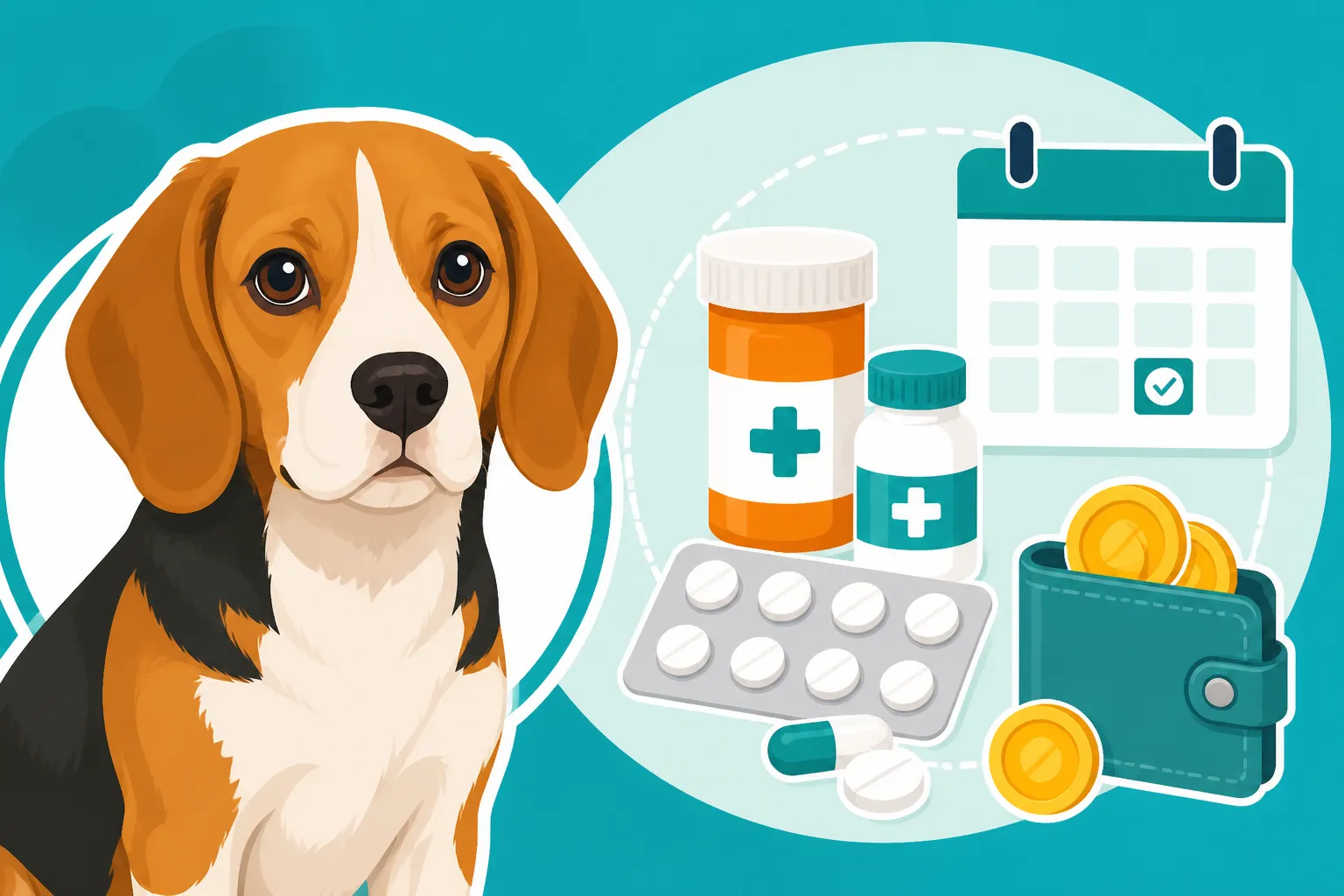
Beagle Seizure Medication Cost Per Month
When your beloved Beagle is diagnosed with a seizure disorder like epilepsy, it's a gut punch. Beyond the immediate fear and heartbreak of seeing your companion in distress, a new wave of worry often washes over you: how in the world are we going to afford the ongoing medication to keep these episodes at bay? It’s a very real and valid concern that many Beagle owners face, and it adds an immense financial strain to an already emotionally taxing situation. This guide is here to break down the typical monthly costs associated with Beagle seizure medication, offering clarity and practical advice on managing these expenses long-term.
Facing the Financial Realities of Beagle Epilepsy Management
Bringing a Beagle into your life is an incredible joy, but it also comes with the understanding that you're committing to their health and well-being for their entire lifespan. When a condition like epilepsy enters the picture, often without warning, it transforms that commitment. Suddenly, you're not just thinking about annual vet check-ups and good quality food; you're contemplating a lifelong regimen of medication, regular blood tests, and potentially emergency vet visits. It’s a profound shift, and it’s completely normal to feel overwhelmed by the financial implications. You’re not alone in these worries.
The Initial Shock of Diagnosis Costs
Before you even get to the monthly medication costs, there’s often a significant initial outlay for diagnosis. When a Beagle has its first seizure, it's a terrifying experience, and your first step is usually an emergency vet visit. This initial consultation, coupled with blood work to rule out other causes like liver shunts, kidney disease, or toxins, can quickly add up. Sometimes, more advanced diagnostics like an MRI or spinal tap are recommended, especially if the seizures are atypical or don't respond to initial medication, and these can run into the thousands. While not strictly "medication costs," these initial investigations are part of the journey toward finding the right treatment. For more on what these episodes look like, you might want to read our article on What a Beagle Seizure Actually Looks Like.
The Lifelong Commitment to Medication
Once a diagnosis of epilepsy is confirmed, and your veterinarian determines that medication is necessary – usually after a Beagle experiences cluster seizures or severe, frequent individual seizures – you're looking at a daily commitment. The goal of seizure medication isn't to cure epilepsy, but to manage the frequency, severity, and duration of seizures, improving your Beagle’s quality of life. This means that, for most Beagles, once they start on anti-seizure medication, they will need to stay on it for the rest of their lives. This continuous need is what makes the monthly cost such a significant factor in a Beagle owner's budget. It’s a testament to your dedication to your furry family member, but it's also a financial reality that demands careful planning.
Common Anti-Seizure Medications and Their Monthly Expenses
The specific medication your Beagle is prescribed will depend on several factors: the type and frequency of seizures, your dog's age and overall health, and often, your veterinarian's experience and preferences. Each medication comes with its own cost structure, potential side effects, and monitoring requirements. Understanding these can help you anticipate your monthly outgoings.
Phenobarbital: The Traditional Workhorse
Phenobarbital is one of the oldest and most commonly prescribed anti-seizure medications for dogs. It's effective for many Beagles, relatively inexpensive, and generally well-tolerated. However, it does require careful monitoring, as it can affect the liver.
A monthly supply of Phenobarbital for a typical 25-30 pound Beagle might range from $15 to $50, depending on the dosage, whether you purchase generic or brand-name, and where you fill the prescription (your vet's office vs. an online pharmacy like Chewy). For Beagles starting this medication, there will be an initial period where dosages might be adjusted based on blood levels and seizure control, which could mean slightly higher costs if your vet dispenses smaller quantities more frequently at first. We cover more details about this specific treatment in Phenobarbital for a Beagle With Epilepsy.
Potassium Bromide: Often a Partner in Treatment
Potassium Bromide (KBr) is another long-standing anti-seizure drug, often used in conjunction with Phenobarbital, especially when Phenobarbital alone isn't enough to control seizures. It can also be used as a primary medication for Beagles who cannot tolerate Phenobarbital due to liver issues.
The monthly cost for Potassium Bromide can vary, but it's often in a similar range to Phenobarbital, perhaps a little higher. For a standard Beagle, expect to pay anywhere from $20 to $60 per month. Like Phenobarbital, the price can fluctuate based on dosage, formulation (liquid vs. pill), and pharmacy. You can learn more about its use in our detailed post, Potassium Bromide as a Beagle Seizure Drug.
Newer Generation Medications: When Other Options Aren't Enough
Sometimes, Beagles require newer, often more expensive, anti-seizure medications, either alone or in combination with Phenobarbital or Potassium Bromide. These might be prescribed if the traditional drugs aren't effective, or if a Beagle experiences significant side effects.
- Levetiracetam (Keppra): This drug is often favored for its rapid onset and fewer side effects compared to older drugs. However, it can be significantly more expensive. A monthly supply for a Beagle might range from $50 to $200 or more, depending heavily on the dosage and whether you use the immediate-release, extended-release, or generic version. The generic version is usually much more affordable.
- Zonisamide: Another newer drug that can be effective and well-tolerated. Monthly costs for a Beagle might fall between $40 and $150.
- Gabapentin: While often used for pain management, Gabapentin also has anti-seizure properties and can be used as an add-on therapy. It's generally less expensive than Levetiracetam or Zonisamide, typically costing $20 to $80 per month for a Beagle.
It's important to remember that these are general ranges. Your vet will always prescribe what they believe is best for your specific Beagle, and sometimes the best choice isn't the cheapest, but the one that offers the most effective seizure control with the fewest side effects.
Here’s a quick overview of typical monthly medication costs:
| Medication Name | Typical Monthly Cost Range (for a 25-30lb Beagle) | Common Usage | Key Considerations |
|---|---|---|---|
| Phenobarbital | $15 – $50 | First-line, broad-spectrum | Requires regular liver enzyme monitoring |
| Potassium Bromide (KBr) | $20 – $60 | Often combined with Phenobarbital, or stand-alone | Can take weeks to reach therapeutic levels; requires blood level monitoring |
| Levetiracetam (Keppra) | $50 – $200+ | Often an add-on; fewer side effects | Can be expensive, especially brand-name; often requires multiple daily doses |
| Zonisamide | $40 – $150 | Often an add-on; generally well-tolerated | Can also be used for behavioral issues in some cases |
| Gabapentin | $20 – $80 | Adjunct therapy, pain management | Short half-life may require frequent dosing; less potent as a sole anti-seizure medication |
Beyond the Pill Bottle: Associated Costs of Epilepsy Management
It's not just the pills themselves that contribute to the monthly cost of managing a Beagle with epilepsy. There are other crucial expenses that are inextricably linked to ensuring the effectiveness and safety of their medication regimen. These often get overlooked when first calculating the impact, but they are absolutely essential for long-term success.
Regular Blood Work and Monitoring
Most anti-seizure medications, especially Phenobarbital and Potassium Bromide, require regular blood tests. This isn't just to ensure the drug is at a therapeutic level in your Beagle's system (meaning it's high enough to prevent seizures but not so high it causes toxicity), but also to monitor organ function, particularly the liver and kidneys. These drugs are metabolized and excreted by these organs, and long-term use can sometimes lead to complications.
Your vet will typically recommend blood work every 6-12 months once your Beagle is stable, but more frequently during initial dose adjustments or if side effects appear. Each blood panel, which usually includes a chemistry panel and drug levels, can cost anywhere from $80 to $200. While not a monthly cost, it's a significant recurring expense that needs to be factored into your annual budget. For a deeper dive into one of these vital checks, consider reading Liver Monitoring for a Beagle on Seizure Medication.
Follow-Up Vet Visits and Adjustments
Even when a Beagle is stable on medication, routine check-ups are vital. Your vet needs to assess their overall health, discuss any changes in seizure activity (which is why Keeping a Seizure Diary for Your Beagle is so helpful!), and make any necessary medication adjustments. These visits, often every 3-6 months, can range from $50 to $150 per visit, not including any additional tests or medication refills.
And let's be realistic: seizures can be unpredictable. There might be times when your Beagle has a breakthrough seizure, or a cluster of seizures that requires an immediate vet visit, potentially even an emergency one outside of regular hours. These unexpected visits can range from a few hundred dollars for a quick assessment and an injectable dose of a rescue medication (like rectal diazepam) to thousands if hospitalization is needed. This is where an emergency fund or robust pet insurance coverage truly comes into its own.
Dietary and Lifestyle Adjustments
While not a direct medication cost, managing a Beagle with epilepsy often involves looking at their overall health, which includes diet and lifestyle. Some owners choose to explore specific diets or supplements that they believe support neurological health, although scientific evidence for direct seizure control through diet alone is limited. However, maintaining an ideal weight is crucial for overall health, and a balanced diet certainly contributes. Brands like Ollie offer fresh, human-grade food that some owners consider for optimal health, potentially reducing other health issues that could complicate seizure management. Similarly, avoiding known seizure triggers, which might include certain environmental factors or even specific foods (though rare), can be part of the holistic approach. While these won't directly replace medication, they are part of the comprehensive care package you're providing.
Strategies for Managing Monthly Medication Costs
The good news is that there are proactive steps you can take to make managing your Beagle's seizure medication costs more feasible. It takes a little research and planning, but it can make a real difference in the long run.
Generic vs. Brand Name Drugs
This is one of the most significant ways to save money. Just like with human medications, generic veterinary drugs contain the same active ingredients and are held to the same quality standards as their brand-name counterparts, but they are almost always considerably cheaper. Always ask your veterinarian if a generic version of your Beagle's seizure medication is available. For example, generic Levetiracetam is often a fraction of the cost of brand-name Keppra.
Online Pharmacies and Bulk Purchasing
Once your Beagle is on a stable dose, consider purchasing their medication from reputable online pet pharmacies, like Chewy, or even human pharmacies that stock veterinary drugs. These often offer lower prices than your vet’s in-house pharmacy. You'll typically need a prescription from your vet, which they can either send directly to the online pharmacy or provide to you to upload.
Buying in bulk, if your vet approves and the medication has a long shelf life, can also reduce costs. Many online pharmacies offer discounts for larger quantities, or free shipping for orders over a certain amount, making it more cost-effective than buying smaller amounts monthly. Always ensure you're using a VET-VIPPS accredited pharmacy to guarantee safety and legitimacy.
Pet Insurance Considerations
If your Beagle was insured before their epilepsy diagnosis, pet insurance can be an absolute lifesaver. Most comprehensive pet insurance plans will cover a significant portion (often 70-90%) of the costs associated with chronic conditions like epilepsy, including medication, blood tests, and vet visits. However, it's crucial to understand that epilepsy, once diagnosed, becomes a pre-existing condition, and most insurance policies will not cover pre-existing conditions. This means that if your Beagle develops epilepsy and then you try to get insurance, it won't be covered.
Companies like Healthy Paws are known for their comprehensive coverage, but it's vital to enroll a puppy or young Beagle before any health issues arise. If you're considering a Beagle puppy, researching Beagle Pet Insurance and What It Runs a Month and getting coverage early is one of the smartest financial decisions you can make. It truly highlights why Insuring a Beagle Before an Epilepsy Diagnosis is so important. For existing Beagles with a diagnosis, insurance won't help with the epilepsy, but it can still be valuable for covering other potential health issues.
Assistance Programs and Discount Cards
While less common for specific seizure medications, some pharmaceutical companies or non-profit organizations offer assistance programs for pets with chronic conditions. It's worth asking your vet if they are aware of any such programs or if there are discount cards (like those sometimes available for human generics) that might apply to your Beagle's medication. Every little bit helps when facing long-term costs. Sometimes local humane societies or veterinary schools might offer reduced-cost services or have access to programs that can alleviate financial burdens. Don't be afraid to ask your vet for guidance on these lesser-known options.
Navigating the financial landscape of Beagle epilepsy management can feel daunting, but with a clear understanding of the costs and proactive strategies, you can ensure your beloved companion receives the consistent, high-quality care they need without completely breaking the bank. Your Beagle deserves every chance at a happy, seizure-managed life, and with careful planning, you can provide it.
Disclaimer
The information provided in this article is for general informational purposes only and is not a substitute for professional veterinary advice. Always consult with a qualified veterinarian for any health concerns or before making any decisions related to your Beagle's medical care or treatment plan. Medication costs are estimates and can vary widely based on location, pharmacy, dosage, and specific product.