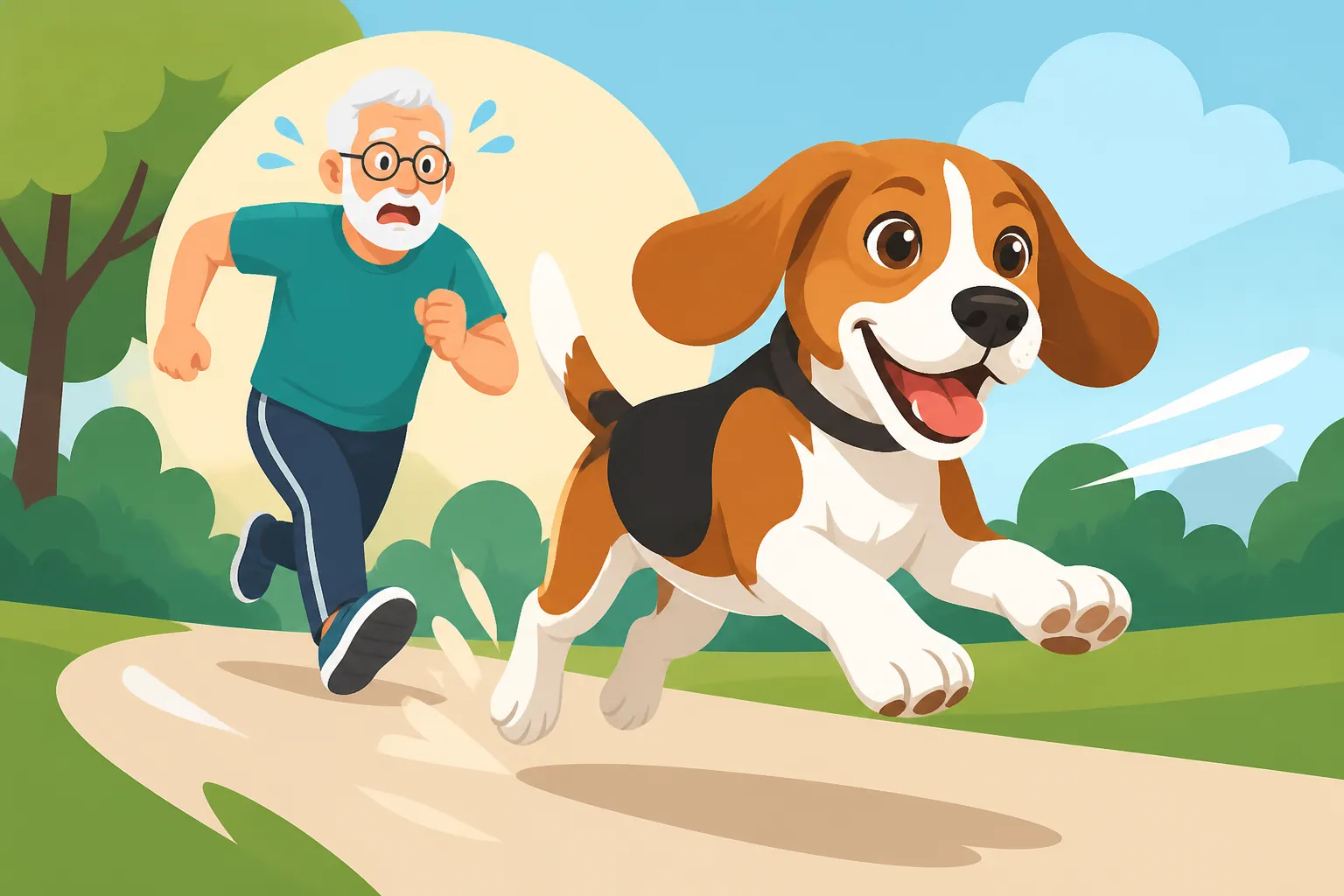
Whether a Retiree Can Keep Up With a Beagle
It's wonderful that you're considering bringing a Beagle into your life during your retirement years! Many retirees find immense joy and companionship in dogs, and the thought of having a loyal, loving friend by your side is truly heartwarming. However, before you fall head over heels for those big, soulful eyes and floppy ears, it’s really important to have a realistic conversation about whether a Beagle’s unique energy and needs genuinely align with a typical retirement lifestyle. Beagles are not just cute; they are a vibrant, high-drive hound breed with specific requirements that can be quite demanding, even for younger, more active individuals. This guide will help you weigh those factors and decide if a Beagle is truly the right fit for your golden years.
Understanding the Beagle's Boundless Energy and Instincts
When you picture a retired life, perhaps it involves leisurely strolls, quiet evenings, and manageable routines. A Beagle, with its rich history as a hunting hound, can sometimes throw a delightful, albeit chaotic, wrench into that picture. Their energy isn't just a physical output; it's deeply rooted in their scent-driven instincts and curious nature.
The Scent Drive and Endless Curiosity
Beagles were bred for centuries to follow a scent trail, often for miles, without stopping. This isn't just a hobby for them; it's their entire world. Imagine a dog whose primary joy and motivation in life is sniffing every blade of grass, every hidden crumb, every fascinating new aroma the wind carries. This means that a simple walk around the block for a human is an intense, mentally stimulating, and physically demanding 'work shift' for a Beagle. They don't just walk; they track.
This deep-seated instinct means your Beagle will pull relentlessly on the leash as they pursue a scent, often ignoring your calls or attempts to redirect them. If there's a rabbit, a squirrel, or even just a particularly interesting patch of forgotten pizza crust a block away, their focus will narrow entirely to that scent cone. This intense focus, often mistaken for stubbornness, is just pure, unadulterated Beagle. Keeping up with this requires a solid grip, good balance, and the ability to maintain control, especially if you have joint issues or reduced mobility. Letting a Beagle Sniff on Every Single Walk is crucial for their mental well-being, but it also dictates the pace and direction of your outing, which might not always be what you envisioned for your daily exercise.
Daily Exercise and Mental Stimulation Requirements
A Beagle isn't content with just a quick potty break in the yard. They need vigorous, consistent exercise every single day to truly thrive and prevent boredom-induced behaviors. We're talking about at least an hour, often two, of dedicated physical activity, ideally broken into a couple of sessions. This isn't just a trot; it often involves brisk walks, playful romps in a secure yard, or structured games.
Beyond physical exertion, their minds need to be engaged. A bored Beagle is often a destructive Beagle. Puzzle toys, scent games, and training sessions are vital. For a retiree, especially one who might be experiencing a natural decline in energy or mobility, providing this consistent level of stimulation can be a significant challenge. Think about rainy days, or days when you might not be feeling your best – your Beagle won't necessarily understand that your energy is low; their internal motor is still running strong. Sniffing Walks and Why They Tire a Beagle Out are incredibly effective, but they require you to be out there, often regardless of weather, navigating your Beagle's relentless pursuit of interesting smells.
The Famous Beagle Bay and Vocalization
Oh, the Beagle bay! It's an iconic sound, instantly recognizable, and a defining trait of the breed. It's also a sound that can carry for quite a distance and might not be everyone's cup of tea, including potentially your neighbors. Beagles were bred to use their voices to alert hunters to a found trail or to signal their location in dense brush. They are, by nature, a vocal breed.
This means they'll often bay at squirrels, postal workers, passing dogs, or even just out of boredom or loneliness. While you can work on training a "quiet" cue, you can't truly train the bay out of a Beagle; it's hardwired. What a Beagle Bay Actually Sounds Like is something you should definitely listen to online before committing! For a retiree living in an apartment, a quiet neighborhood, or someone who values a serene home environment, this can become a significant source of stress and potential neighborly disputes. It's a sound that evokes images of the hunt, not necessarily quiet contemplation.
Physical Demands on a Retiree
Beyond their inherent nature, the actual physical act of managing a Beagle can be surprisingly demanding. They are compact, but powerful dogs, and their enthusiasm can sometimes outweigh an owner's physical capabilities.
Leash Walking Strength and Control
As mentioned, a Beagle on a scent mission can pull with surprising force. Even a smaller 13-inch Beagle can exert significant leverage. If you have arthritis, balance issues, or simply aren't as strong as you once were, a sudden lunge after a squirrel could easily pull you off balance, causing a fall or injury. Traditional flat collars are often ineffective and can even cause choking if a Beagle pulls hard, which is why harnesses are usually recommended. A front-clip harness can help manage pulling, but it doesn't eliminate the need for strength and vigilance.
It’s not just the strength needed, but the constant awareness. You need to be ready to brace yourself, redirect, or even stop entirely when your Beagle locks onto a scent. This kind of active walking isn't always conducive to a relaxing stroll. Using specialized equipment and training is key. For example, a sturdy harness and a good quality leash are essential. You might find yourself searching for equipment at places like Chewy, looking for something that offers better control without causing discomfort to your Beagle or yourself.
The "Go Anywhere" Mentality and Escape Artistry
Beagles are notorious escape artists. They are clever, determined, and driven by their noses. If there's a weak spot in a fence, they'll find it. If there's an open gate, they'll bolt through it. If they can dig under, they will. Their instinct to follow a scent overrides almost everything else, including their desire to stay with their human. This means your home and yard need to be exceptionally secure.
Retrieving a loose Beagle can be incredibly challenging. They are fast, agile, and deaf to your calls once they're on a trail. If you're not able to quickly run, crouch, or navigate uneven terrain, a simple escape can turn into a dangerous situation for both you and your dog. What to Do the Moment a Beagle Gets Loose involves quick thinking and physical capability that might be harder to muster in retirement. Maintaining a secure perimeter, checking for weak spots, and being hyper-vigilant about doors and gates is an ongoing commitment. Beagle Fence Height and Whether They Climb is a real consideration; many Beagles can clear surprisingly high fences if motivated.
Grooming and Regular Care
While Beagles have short coats and aren't typically high-maintenance in terms of fancy haircuts, they do require regular grooming and care. Their long, floppy ears are particularly prone to infections because they trap moisture and debris, creating a perfect breeding ground for bacteria and yeast. This means weekly ear cleaning is non-negotiable.
This task involves holding your Beagle still, gently lifting their ear flaps, and cleaning deep into the ear canal with a specialized solution. This can be awkward and require a certain level of dexterity and strength to manage a squirming dog. Cleaning Beagle Ears Once Every Week is a vital part of their health routine. If you struggle with bending, fine motor skills, or holding a resistant dog, this regular task could become quite difficult, potentially leading to unchecked ear infections that require expensive vet visits. Similarly, regular nail trims and tooth brushing also require some physical effort and consistent handling.
| Beagle Need | Physical Demand on Owner | Potential Challenges for Retirees |
|---|---|---|
| Scent Walks | Consistent leash control, bracing against pulling, navigating varied terrain, vigilance for distractions. | Falls, joint strain, inability to keep up with dog's pace, difficulty retrieving if dog bolts. |
| Daily Exercise | 1-2 hours of active play/walks, all weather. | Fatigue, bad weather days, reduced mobility impacting ability to participate. |
| Vocalization | Managing noise, potential neighbor issues. | Stress from constant noise, difficulty implementing training, fear of repercussions. |
| Escape Risk | Quick reflexes, ability to run/chase, secure fencing maintenance. | Inability to give chase, difficulty repairing fences, stress of a lost dog. |
| Grooming/Care | Dexterity for ear cleaning, strength for nail trims, handling a squirming dog. | Arthritis, shaky hands, difficulty bending, managing a resistant dog. |
Lifestyle Considerations for Retirees
A Beagle isn't just a dog you add to your life; they become a significant part of your daily rhythm and can influence your lifestyle choices. For retirees, this integration needs careful thought.
Travel, Socialization, and Alone Time
Many retirees look forward to more travel, visiting family, or enjoying quiet social gatherings. A Beagle's needs can impact these plans. Their high energy, vocal nature, and separation anxiety (as a pack animal) mean they often don't do well being left alone for long periods. If you frequently travel, you'll need reliable and often costly solutions like pet sitters or boarding. Beagle Boarding, Sitters and Travel Costs can add up quickly.
If you enjoy a quiet home or frequent guests, a baying Beagle could disrupt the peace. While some Beagles can adapt to travel, many find new environments stressful and may vocalize more or exhibit anxious behaviors. Consider how often you'd need to leave your Beagle and whether they could truly thrive in a home where they are frequently left without company, which can often lead to destructive behaviors and more baying.
Financial Commitments
While the initial cost of a Beagle puppy or adoption fee might seem manageable, the ongoing financial commitment over their lifespan is substantial. Beagles are a healthy, long-lived breed, often living Beagle Lifespan and the Twelve to Fifteen Year Range. This means many years of food, vet care, vaccinations, parasite prevention, and unexpected medical emergencies.
As dogs age, just like humans, their vet bills tend to increase. Conditions like Beagle Arthritis Arriving in Middle Age, Beagle Hypothyroidism and the Weight It Puts On, or even Beagle Epilepsy and Seizures From Six Months On can require lifelong medication and regular monitoring, which can be expensive. The Lifetime Bill for a Beagle That Reaches Fifteen can be quite a shock if you haven't budgeted for it. Pet insurance can help, but it's another monthly expense, and older dogs might have pre-existing conditions that aren't covered. When ordering their specific diet or necessary supplies, you might rely heavily on online retailers like Chewy, which can help manage costs but still represent a consistent outlay.
Adapting the Home Environment
Beagles are driven by their noses and stomachs. This means counter-surfing, trash-raiding, and general scavenging are common behaviors. Your home environment needs to be Beagle-proofed, which often requires more than just putting things away. Secure trash cans, baby gates to block off kitchens, and diligent clean-up are essential.
For retirees, maintaining a meticulously clean and secured environment, especially if mobility makes bending or reaching difficult, can be taxing. You might need to invest in things like Ramps for a Beagle's Bed and Car to protect their back and your ability to lift them as they age, especially if they develop conditions like Beagle Back Problems and Intervertebral Disc Disease. Every cupboard, every low-lying item, every potential food source will be a target for a clever, hungry Beagle. Even ordering specialty food or hard-to-find chews from places like Chewy will require you to secure them immediately upon delivery to prevent unintended raids!
Finding the Right Fit: Alternative Considerations
If, after reading all of this, you're starting to feel a little overwhelmed by the prospect of keeping up with a young Beagle, don't despair! There are still many wonderful ways to enjoy canine companionship in your retirement that might be a better match for your energy levels and lifestyle.
Older Beagles or Rescue Dogs
One of the most compassionate and often overlooked options is adopting an older Beagle. Many reputable Beagle rescues have senior dogs who, through no fault of their own, find themselves in need of a loving home. These dogs often come with a known history, their personalities are already developed, and crucially, their energy levels are typically much lower than a puppy or adolescent Beagle.
An older Beagle might be content with shorter, more leisurely walks (still with plenty of sniffing!), enjoy quiet cuddle sessions on the couch, and already be house-trained and past the destructive puppy phase. They may have less inclination to escape or counter-surf. Senior Beagle Adoption at a Reduced Fee is also often an option at rescues, making the financial commitment a bit more approachable. Many rescues also make an effort to match you with a dog whose temperament and needs align with your lifestyle, sometimes even providing a foster period to ensure it's a good fit. Some rescues even specialize in rehoming Adopting a Beagle That Came Out of a Lab, which might be a more mature, quieter dog.
Shared Responsibility and Support Systems
Even if you adopt a calmer, older Beagle, having a support system in place can make all the difference. Consider if family members, friends, or trusted neighbors might be willing to help with walks, vet visits, or provide care if you travel. Hiring a reputable dog walker or joining a local dog daycare a few days a week can also alleviate some of the pressure of daily exercise and socialization.
Having someone else who can step in when you're not feeling 100% or need a break can turn the potential challenges of Beagle ownership into a much more enjoyable experience. Don't be afraid to ask for help or to budget for these services, knowing they contribute to both your and your Beagle's well-being.
Considering Other Breeds or Companion Animals
If the active, scent-driven nature of a Beagle truly feels like too much, it's perfectly okay to explore other breeds that might be a better fit for a quieter, less physically demanding lifestyle. There are many wonderful companion breeds that are known for being lower energy, more independent, or less prone to vocalization and escape artistry.
Lap dogs, some of the smaller terrier breeds, or even a well-matched cat can provide immense companionship without the intense physical demands of a working hound. The goal is to find an animal whose needs you can genuinely meet and who will bring joy, not stress, into your retirement. Ultimately, finding the right furry friend is about honesty and knowing your own limits, ensuring that the love and companionship go both ways.
Example: A Tale of Two Retirees
Let's imagine two retirees, both considering a Beagle:
Retiree A: Martha (Age 68)
Martha has always been active. She walks 3 miles every morning, tends a large garden, and regularly goes hiking with friends. She lives in a house with a securely fenced yard, close to walking trails. She has adult children nearby who are willing to help with dog sitting if she travels. Martha also enjoys training and is looking forward to mental stimulation for a dog, perhaps even exploring some beginner scent work classes. She's aware of the Beagle bay and has understanding neighbors.
- Verdict for Martha: A Beagle could be a fantastic fit! Her active lifestyle, physical capability, existing support system, and interest in training align well with a Beagle's needs. She could manage a young, energetic Beagle and thrive with the challenge.
Retiree B: Robert (Age 72)
Robert enjoys a more sedentary lifestyle. He prefers reading, watching movies, and quiet hobbies. His daily walks are short and gentle, mostly around his apartment complex. He has some mild arthritis in his hands and knees. He lives alone, and while he has friends, they aren't able to help with dog care. He values peace and quiet and is concerned about noise disturbing his neighbors. He's also on a fixed income and worries about unexpected large expenses.
- Verdict for Robert: A young, energetic Beagle would likely be a significant mismatch and source of stress. The physical demands of walking, the potential for noise, and the financial commitment for a long-lived, active breed would be overwhelming. Robert would be much better suited to an older, calmer dog from a rescue, or perhaps a different breed altogether known for lower energy.
Making an informed decision now will lead to years of happy companionship, rather than unexpected challenges. Beagles are truly wonderful dogs for the right owner, but their unique blend of charm, stubbornness, and boundless energy means they require a committed, capable partner to keep up.
Disclaimer
This article is for general informational purposes only and does not constitute professional advice. Laws, prices and regulations vary by location and change over time. Consult a qualified professional for guidance on your specific situation.