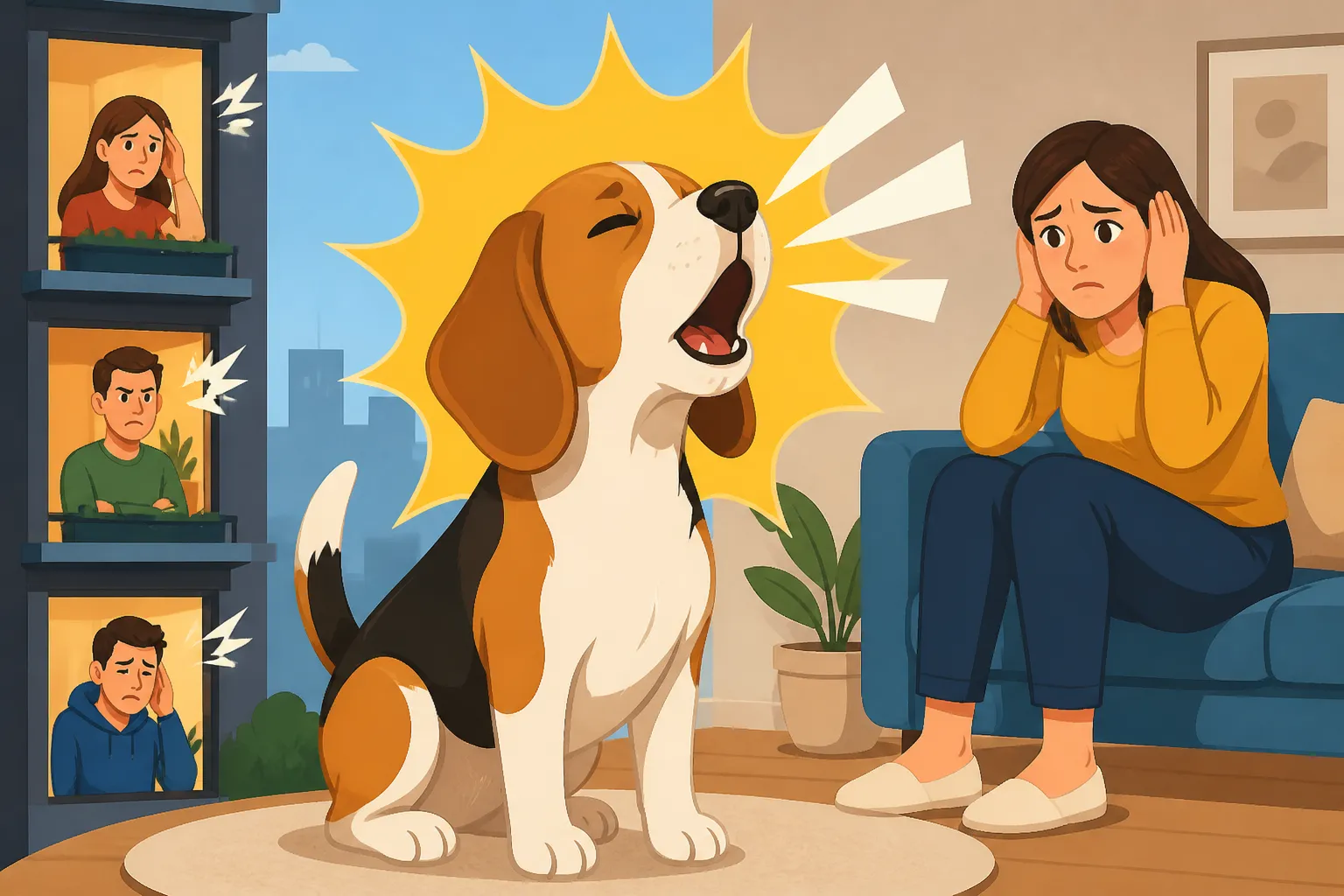
Beagles in Apartments and the Noise Problem
Bringing a lively, scent-driven Beagle into an apartment can feel like signing up for an endless symphony of bays, barks, and howls, often leading to worried glances from neighbors and a constant knot in your stomach. It's a real challenge, and many owners feel like they're fighting their dog's very nature. This guide is here to walk you through understanding why your Beagle is so vocal in a confined space and offer realistic, empathetic strategies to manage the noise, ensuring both you and your furry companion can thrive in apartment living.
The Truth About Beagle Vocalizations in Apartments
Let's be honest, Beagles are not known for their quiet demeanor. They were quite literally bred to be vocal, and trying to suppress every sound can feel like trying to stop the tide. It’s not about them being "bad dogs" or you being a "bad owner"; it's about deeply ingrained instincts meeting modern living conditions. Understanding this fundamental truth is the first step toward a more peaceful apartment life.
Why Beagles Bay, Bark, and Howl (It's in Their DNA)
Think about the history of the Beagle. For centuries, these dogs were developed to hunt in packs, tracking game like rabbits and hares. Their unique vocalizations – the famous "Beagle bay" – served a crucial purpose. When a Beagle picked up a hot scent, it would bay to alert the other hounds and the hunters. This wasn't a casual bark; it was a loud, sustained, melodious call designed to carry over fields and through woods. It was their communication system, their tracking GPS, their way of saying, "I'm on it! Come follow!" That instinct is still very much alive in your apartment-dwelling Beagle today.
When your Beagle bays at a squirrel running across the window ledge, or howls when they hear a siren blocks away, they aren't being deliberately naughty. They're responding to triggers in the only way their genetics have taught them: with sound. They're telling you, "I heard it! I smelled it! Did you see it?" It’s an alert, a proclamation, and a deeply satisfying act for them. Suppressing this completely is unrealistic and can be detrimental to their well-being. Instead, we aim to manage it. You might want to read more about Why Hunting Beagles Were Bred to Bay at All to truly appreciate this aspect of their heritage.
What Triggers a Beagle's Noise Indoors
So, if it’s in their DNA, what specifically makes them so noisy within the four walls of an apartment? The triggers are often abundant and sometimes surprising. One of the biggest culprits is boredom and a lack of mental and physical stimulation. A Beagle left alone with nothing to do will quickly invent its own entertainment, and that often involves telling the world (and your neighbors) about it. They might bark at every passing shadow, every hallway sound, or simply howl out of sheer under-stimulation.
Another major trigger is loneliness or separation anxiety. Beagles are pack animals through and through. They thrive on companionship and can struggle immensely when left alone for extended periods. This can manifest as relentless howling or barking, not necessarily at a specific trigger, but as a distress signal. External noises play a huge role too. Because of their incredible noses and keen hearing, Beagles are highly attuned to their environment. A distant dog bark, a siren, the rumble of a delivery truck, or even faint conversations from a neighboring apartment can set them off. They are interpreting these sounds as information, and their instinct is to communicate what they perceive. A Beagle Barking at the Window All Day is a common complaint, often due to this heightened environmental awareness. Similarly, A Beagle That Howls the Second You Leave is a classic sign of distress or boredom when alone.
Managing the Noise: Realistic Strategies for Apartment Living
Living in an apartment with a vocal Beagle requires a multi-faceted approach. There's no magic "off" switch, but with consistent effort, understanding, and a dose of patience, you can significantly reduce the frequency and intensity of their vocal outbursts. The key is to address the root causes of the noise, rather than just trying to silence the symptom.
Enrichment and Exercise: The Foundation of Quiet
A tired Beagle, both mentally and physically, is generally a quieter Beagle. This doesn't just mean a quick walk around the block. Beagles need to use their incredible noses and their boundless energy. Regular, extended "scent walks" are invaluable. Let your Beagle lead, sniffing every lamppost, every patch of grass. This mental engagement is far more tiring for them than a brisk, structured walk where they aren't allowed to explore with their nose. Aim for at least one long sniff-focused outing a day, coupled with shorter potty breaks. You'd be amazed how much a good sniff can tire them out, as exploring Scent Walks and Why They Tire a Beagle Out explains.
Beyond outdoor exercise, indoor enrichment is crucial, especially on days when the weather isn't cooperating. Puzzle toys, like those from popular brands you might find on Chewy, that dispense treats are fantastic for engaging their minds and keeping them busy. Filling a Kong with peanut butter or plain yogurt and freezing it can provide a good 20-30 minutes of quiet, focused activity. Snuffle mats, where you hide kibble, encourage their natural foraging behavior. Rotating these toys keeps them fresh and interesting. Think of activities that mimic their natural hunting and tracking instincts on a smaller scale. If you're stuck inside, Indoor Games for a Beagle on a Rainy Day can give you some excellent ideas. The goal is to make them think and work for their rewards, channeling their energy into productive tasks instead of vocalizing out of boredom.
Addressing Separation Anxiety and Loneliness
Beagles are true social creatures; they were literally bred to live and work in a pack. Leaving them alone for long stretches can be incredibly difficult for them and is a common trigger for incessant howling. If your Beagle's vocalizations primarily occur when you're gone, you might be dealing with separation anxiety or simply acute loneliness. This requires a different approach than just boredom. Start by establishing a solid "alone time" routine. Begin with very short departures – just step outside for a minute, then come back in calmly before they start to vocalize. Gradually increase the duration. The idea is to teach them that your departures are not a cause for alarm and that you will always return.
Creating a calm, comforting environment when you leave can also help. Soft music, a white noise machine, or even leaving on a talk radio station can mask external triggers and provide a sense of presence. A comfortable, familiar crate can be a den of security for a Beagle, provided they are properly crate-trained and view it as a safe space. For Beagles with more severe separation anxiety, professional help from a certified dog trainer or veterinary behaviorist might be necessary. They can guide you through desensitization and counter-conditioning protocols, and sometimes, medication may be considered to help manage extreme anxiety. Remember, a Beagle howling for hours alone isn't being stubborn; they're genuinely distressed, as discussed in Beagle Separation Anxiety in a Breed Bred for Packs. Understanding Hours Alone Before a Beagle Starts Howling can help you determine the severity of the issue.
Training a "Quiet" Cue and Impulse Control
While you can't eliminate a Beagle's natural vocalizations, you can teach them to be quiet on command and to manage their impulses. This requires patience and consistency, but it's absolutely achievable. Start by teaching a "quiet" cue. When your Beagle barks, let them bark a few times, then gently interrupt them with a treat held to their nose. The moment they are silent (even for a second), mark the behavior with a verbal cue like "Yes!" or a clicker, and give them the treat. Gradually increase the duration of silence required before the reward. Never reward them while they are barking or howling. The goal is to teach them that quiet gets them what they want.
For impulse control around triggers like doorbells or people walking by, practice "leave it" and "look at me." When a trigger appears, redirect their attention to you with a high-value treat. Reward them for making eye contact with you instead of reacting to the trigger. This teaches them that ignoring the stimulus and focusing on you is more rewarding. It's also vital to avoid using punitive measures like bark collars that simply shock or spray them. While they might suppress barking temporarily, they don't address the underlying reason for the vocalization and can create fear or anxiety, potentially worsening the problem. Beagle Bark Collars and What They Do Not Fix delves deeper into why these are often counterproductive. Instead, focus on positive reinforcement to build a positive association with being quiet, as highlighted in Teaching a Beagle a Quiet Cue That Holds.
Apartment Setup and Neighbor Relations
Even with the best training and enrichment, living in an apartment means dealing with shared walls and proximity to others. A little strategic planning for your space and proactive communication with your neighbors can go a long way in creating a harmonious living situation for everyone.
Soundproofing Your Space (Realistic Expectations)
While true soundproofing is incredibly expensive and often not feasible in a rental apartment, there are several things you can do to dampen sound both coming in and going out. Heavy curtains or blinds on windows can help absorb some external noise and also block visual triggers that might set off your Beagle. Strategically placed rugs, especially in rooms where your Beagle spends a lot of time, can absorb sound echoing within your apartment. You might even consider acoustic panels if you're serious about reducing noise, though these are a bigger commitment.
White noise machines or even leaving a radio or TV on at a low volume can help mask external sounds, making it harder for your Beagle to react to every bump in the hallway or distant siren. Create a "safe den" for your Beagle, perhaps their crate covered with a blanket, in the quietest part of your apartment. This gives them a secure space where they feel less exposed to stimulating noises. Remember, the goal isn't to create a hermetically sealed bubble, but to reduce the overall impact of noise on your sensitive Beagle. For more ideas on how to approach this, check out Soundproofing One Room for a Vocal Beagle.
Communicating with Neighbors and Building Goodwill
One of the most important, yet often overlooked, aspects of living with a vocal dog in an apartment is managing neighbor relations. Don't wait for a complaint to land in your landlord's lap. Be proactive! Introduce yourself and your Beagle to your immediate neighbors soon after moving in or when you first notice a noise issue. Explain that Beagles can be vocal and that you are actively working on training. This upfront communication builds goodwill and shows them you're a responsible pet owner.
If a neighbor does approach you about noise, listen empathetically and apologize sincerely. Avoid becoming defensive. Ask for specific times or situations when the noise is a problem. This information can be invaluable for pinpointing triggers and adjusting your strategies. Offering your phone number so they can text you if the noise becomes excessive while you're out can also be a peace-offering. Sometimes, knowing that you care and are trying makes all the difference. You might even consider leaving a small gift or note, expressing your appreciation for their patience. Dealing with Noise Complaints From a Beagle's Neighbors can be stressful, but a proactive and apologetic approach is often the best defense.
Here’s a quick overview of noise management strategies:
| Strategy | Description | Effort Level | Typical Cost | Potential Impact |
|---|---|---|---|---|
| Scent Walks | Long, leash-led walks where the Beagle dictates the sniffing pace, engaging their powerful nose. | High | Low | High |
| Puzzle Feeders/Enrichment Toys | Toys that require a dog to work for their food or treats, stimulating mental activity. (Look on Chewy!) | Medium | Low-Medium | Medium-High |
| Crate Training | Teaching the crate as a safe, quiet den for alone time and rest. | Medium | Low-Medium | Medium |
| White Noise/Music | Using ambient sound to mask external noises and create a calming environment. | Low | Low | Medium |
| "Quiet" Cue Training | Positive reinforcement to teach the dog to stop barking on command. | High | Low | High |
| Separation Protocol | Gradual desensitization to alone time, starting with short departures. | High | Low | High |
| Heavy Curtains/Rugs | Physical barriers to absorb sound and block visual triggers. | Low | Medium | Low-Medium |
| Proactive Neighbor Chat | Open communication, apologies, and willingness to address concerns. | Low | None | High |
Bringing a Beagle into an apartment is certainly a commitment, especially given their natural inclinations towards vocalization. But it's far from impossible! With a deep understanding of their breed traits, a consistent application of smart training techniques, ample physical and mental exercise, and a good dose of neighborly consideration, you can create a happy, (mostly) quiet home for your beloved hound, even within the confines of apartment life. It requires dedication, but the joy and companionship a Beagle brings are absolutely worth the effort.
Disclaimer
This article is for general informational purposes only and does not constitute professional advice. Laws, prices and regulations vary by location and change over time. Consult a qualified professional for guidance on your specific situation.