What Changed in Federal Testing Policy Afterward
For years, the use of Beagles in laboratory settings has been a quiet, unsettling truth for many animal lovers. While regulations existed, the sheer volume of animals involved, and the conditions some facilities operated under, often left a deeply uncomfortable feeling. Then, something happened that shone a harsh spotlight on the issue, forcing a re-evaluation of how our federal policies impact these sensitive hounds. This guide will walk you through the significant shifts in federal testing policy that followed, detailing the landscape before, the pivotal events that caused the shift, and what these changes mean for the future of Beagles in research.
The Pre-Existing Landscape of Animal Testing Regulations
Before the recent, widely publicized events, the regulatory framework governing animal testing in the United States operated under a set of established guidelines, primarily driven by the Animal Welfare Act (AWA). However, for those concerned about animal welfare, these regulations often felt like a bare minimum, leaving considerable room for interpretation and, in some cases, significant gaps in oversight.
The Animal Welfare Act and Its Limitations
The Animal Welfare Act, enacted in 1966, is the primary federal law in the United States that regulates the treatment of animals in research, exhibition, transport, and by dealers. On paper, it aims to prevent the inhumane treatment of animals. It mandates minimum standards of care for animals bred for commercial sale, exhibited to the public, or used in research. This includes requirements for housing, husbandry, veterinary care, and psychological well-being. However, the AWA has always had its critics. Many felt that its scope was too narrow, excluding certain species like rats, mice, and birds, which comprise the vast majority of animals used in research. Furthermore, the "minimum standards" often allowed for conditions that, while technically compliant, were far from ideal for an animal's natural needs and well-being. Inspections, while mandatory, could sometimes be infrequent, and penalties for violations were not always robust enough to act as a true deterrent. The enforcement arm, typically the USDA, relied on a system that, in hindsight, sometimes struggled to keep pace with the scale of operations at some larger facilities.
Why Beagles Became the Go-To for Research
It might seem cruel that a breed as friendly and outgoing as the Beagle became synonymous with laboratory testing. Yet, there were specific, historical reasons for this unfortunate prevalence. Beagles were, and in some cases still are, considered ideal laboratory subjects due to a combination of physiological and behavioral traits. Their relatively small size makes them manageable in a lab environment, requiring less space and resources compared to larger breeds. They are genetically homogenous, meaning they tend to have consistent genetic profiles, which is crucial for research that requires repeatable results and minimizes variability. This uniformity makes it easier for scientists to isolate the effects of a tested substance without confounding factors from genetic differences between individual dogs.
Perhaps most significantly, Beagles are inherently docile and remarkably tolerant. They are less prone to aggression or extreme stress responses in unfamiliar or confined settings compared to some other breeds. This "merry" temperament, a hallmark of the breed and often a reason families fall in love with them, sadly made them amenable to handling and the routine of laboratory life, including procedures like daily dosing, blood draws, and various tests. They rarely retaliate, making them easier for technicians to work with. These traits, combined with their generally robust health and relatively uniform Beagle Lifespan and the Twelve to Fifteen Year Range, made them a pragmatic, albeit ethically problematic, choice for facilities looking for a standardized animal model.
The Catalyst for Change: The Envigo Case and Its Aftermath
While concerns about animal testing have simmered for decades, it often takes a truly egregious situation to ignite public outrage and catalyze significant policy shifts. For Beagles in research, the Envigo case served as just such a catalyst, ripping back the curtain on conditions that were shocking even to seasoned animal welfare advocates.
Uncovering the Conditions at Envigo
The Envigo Cumberland facility, located in Virginia, was a large-scale breeding operation that supplied Beagles for drug and chemical testing. For years, the facility operated, largely out of public sight, fulfilling contracts for laboratories across the country. However, in 2021 and 2022, a series of comprehensive inspections by the USDA revealed a horrifying pattern of severe animal welfare violations. These weren't minor infractions; they depicted systemic neglect and abuse. Inspectors documented instances of hundreds of puppies dying from preventable causes like cold exposure, dehydration, and malnutrition. They found pregnant Beagles suffering without adequate veterinary care, leading to dead puppies and severe distress. The facility's waste management was so poor that dog feces and urine accumulated, creating unsanitary and dangerous conditions. Dogs were housed in overcrowded enclosures, lacked proper bedding, and often went without sufficient food and water.
The reports detailed a lack of adequate veterinary staff, resulting in untreated illnesses and injuries, from skin conditions to severe dental problems. Many Beagles were described as emaciated, covered in fleas, and suffering from various ailments that went unaddressed. It painted a picture of a facility that prioritized profit and volume over the most basic needs and welfare of the living beings in its care. The shocking details, once made public through official reports and investigations, galvanized animal welfare organizations and the public alike, leading to an unprecedented outcry and a demand for immediate action. The depth of the neglect at The Envigo Facility and What Investigators Found was truly appalling.
The Mass Rescue and Public Awareness
The gravity of the violations at Envigo was so profound that it led to an extraordinary legal and logistical effort. In July 2022, a federal judge approved a plan for the U.S. Department of Justice to seize and remove all approximately 4,000 Beagles from the Envigo facility. This wasn't just a handful of dogs; it was thousands of Beagles, many of whom had spent their entire lives within the confines of a kennel building, never experiencing grass under their paws, the warmth of a loving home, or the simple joy of a toy.
The sheer scale of this rescue captivated national attention. Animal welfare organizations, spearheaded by groups like the Humane Society of the United States, mobilized to coordinate the massive undertaking of transporting, housing, and eventually rehoming these 4,000 Beagles. It required a vast network of shelters, rescues, and volunteers across the country. As these Beagles began to arrive at various shelters, their stories touched hearts nationwide. Images and videos of these timid, often bewildered dogs learning to walk on grass, play with toys, and experience human kindness for the first time flooded social media and news outlets. This widespread exposure brought the often-hidden world of animal testing into mainstream conversation like never before. People who may have been vaguely aware of animal research were now confronted with the tangible, emotional reality of these Beagles. The stories of Adopting a Beagle That Had Never Seen Grass highlighted the profound impact of their previous lives and the resilience of their spirits. This unprecedented event created immense pressure on lawmakers and regulatory bodies to re-evaluate existing policies and prevent such a tragedy from happening again.
The Shifting Tides: Federal Policy Adjustments and Their Impact
The public outrage and the sheer scope of the Envigo Beagle rescue created an undeniable momentum for change. While the wheels of legislative and policy reform often turn slowly, the federal government and various states began to respond, implementing adjustments aimed at tightening oversight and promoting more ethical practices.
Increased Scrutiny and Enforcement by Regulatory Bodies
One of the most immediate and tangible shifts was a marked increase in scrutiny and more rigorous enforcement by federal regulatory bodies, particularly the United States Department of Agriculture (USDA). The USDA is responsible for administering and enforcing the Animal Welfare Act. In the wake of the Envigo scandal, there was a clear directive to conduct more frequent and thorough inspections of facilities that breed or use animals for research. Inspectors were urged to take a harder line on violations, issuing stricter citations and pursuing more significant penalties for non-compliance. This isn't just about catching major abuses; it's also about ensuring that facilities are maintaining the higher standards of care outlined in the AWA, rather than just the bare minimum.
Furthermore, there has been a push for greater transparency. While lab animal welfare records have historically been available to the public, access has sometimes been challenging or inconsistent. Efforts are underway to ensure these records are more readily accessible, allowing animal welfare organizations and the public to monitor facilities more effectively. This increased oversight serves as a powerful deterrent, forcing facilities to invest more in staff, veterinary care, and proper housing, knowing that lax conditions are more likely to be identified and penalized.
Push Towards Non-Animal Testing Methods
Perhaps the most significant long-term shift catalyzed by events like the Envigo case is the accelerating movement towards replacing, reducing, and refining (the "3Rs") the use of animals in research, with a strong emphasis on replacing them entirely where possible. This isn't a completely new concept, but the urgency and investment in alternative methods have dramatically increased.
Federal agencies, including the Environmental Protection Agency (EPA) and the Food and Drug Administration (FDA), have been at the forefront of this push. The EPA, for example, has committed to reducing its reliance on mammalian testing. The FDA has also explored and adopted new approach methodologies (NAMs) for evaluating product safety and efficacy, including advanced cell cultures, organ-on-a-chip technologies, and sophisticated computer models. These methods not only offer ethical advantages but often provide more human-relevant data, can be faster, and are often more cost-effective in the long run.
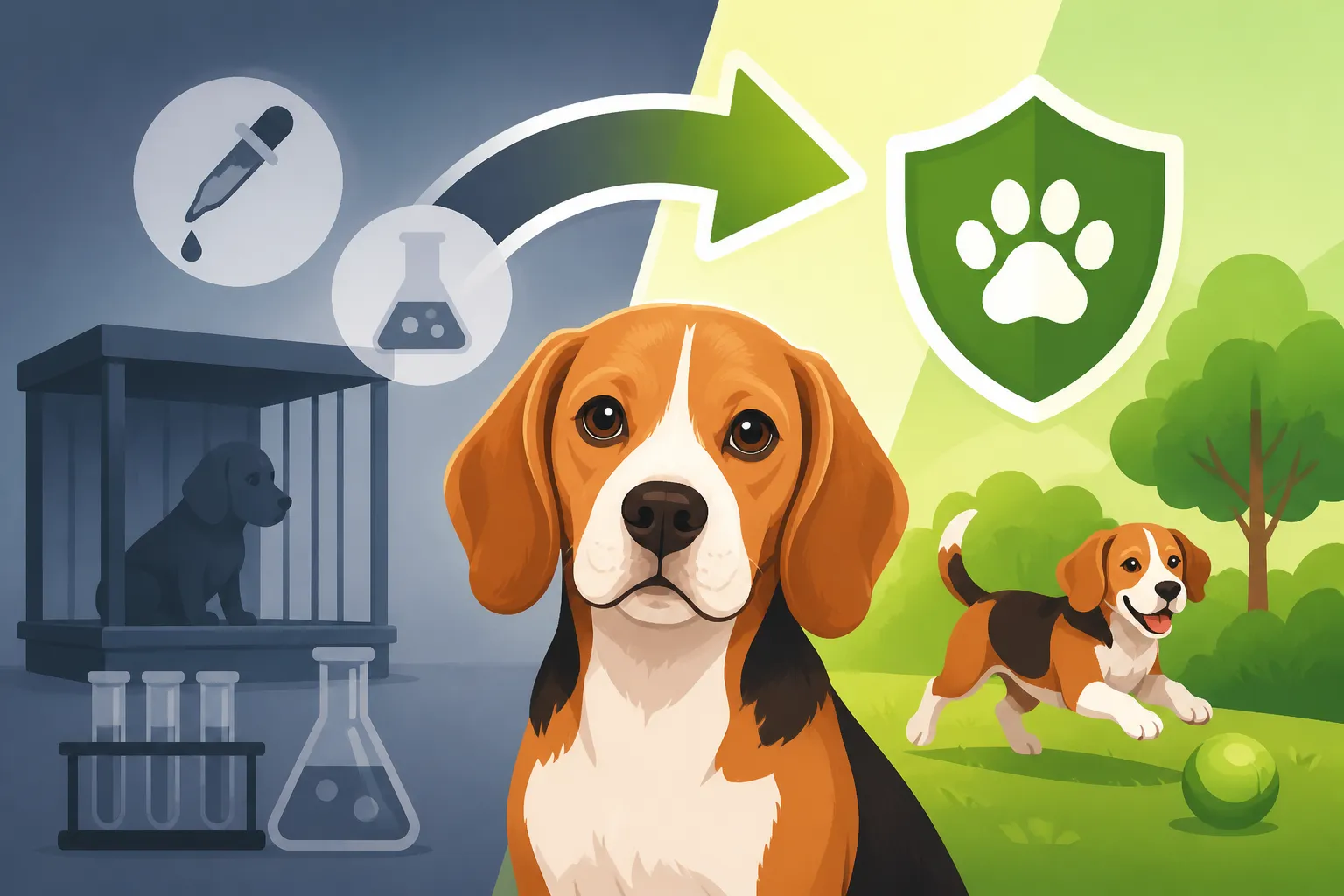
New legislation, like the FDA Modernization Act 2.0, has directly addressed this, allowing for non-animal testing methods to be used to satisfy regulatory requirements for new drug development. This is a monumental shift from previous mandates that often required animal testing. While the transition isn't immediate, the policy direction is clear: move away from traditional animal models wherever scientifically viable. This shift means a future where the demand for Beagles for research could significantly diminish, changing the landscape of animal testing fundamentally. Pet supply retailers like Chewy often champion ethical pet care, indirectly supporting the broader movement towards humane treatment of animals, which aligns with these policy changes.
Beagle Freedom Laws State by State and Federal Considerations
Alongside federal policy shifts, there has been a significant groundswell of activity at the state level, often referred to as "Beagle Freedom Laws." These are laws that mandate that research facilities offer healthy, adoptable animals a chance at a life outside the lab once their research protocols are completed and they are no longer needed. Many states have already enacted such legislation, including California, New York, Maryland, Minnesota, and more.
These laws vary in their specifics, but the core principle is the same: rather than euthanasia, these animals, including Beagles, must be transferred to rescue organizations or individuals for adoption. This legislative effort gained considerable traction precisely because of the public's emotional connection to stories like the Envigo Beagles. It represents a concrete step toward valuing the lives of these animals beyond their utility in research.
While these laws are state-specific, their growing prevalence creates a national conversation and puts pressure on federal lawmakers to consider similar protections or to establish best practices across the board. The collective impact of these Beagle Freedom Laws State by State signals a clear societal expectation that animals used in research should be afforded a chance at a normal life if they can be safely rehabilitated. This grassroots and state-level advocacy complements the federal moves towards reducing animal testing, creating a multi-faceted approach to improving the welfare of research animals.
What This Means for Beagles in Research Today and Tomorrow
The policy changes, intensified scrutiny, and societal pressure following incidents like the Envigo case are undeniably reshaping the role of Beagles in scientific research. This shift isn't just theoretical; it has practical implications for the dogs themselves and the ethical considerations within the scientific community.
Reduced Demand and Ethical Sourcing
One of the most direct consequences of these policy adjustments is a likely reduction in the overall demand for Beagles for research purposes. As regulatory bodies push for alternatives and as the public demands more ethical practices, fewer experiments are being designed with traditional animal models, or at least the number of animals used per study is being reduced. When animal testing is deemed necessary, facilities are now under much greater pressure to ensure How Many Beagles Are Still Used in Testing is minimized and that any animals acquired are sourced from highly reputable suppliers who adhere to stringent welfare standards.
This also means that the concept of "ethical sourcing" has taken on new importance. Laboratories are increasingly scrutinizing their suppliers, demanding transparency and proof of humane breeding and housing practices. The risk of reputational damage, financial penalties, and public backlash from associating with facilities that violate animal welfare laws is a powerful motivator. This cultural shift within the scientific community, combined with policy changes, helps ensure that any Beagles still in research environments receive a higher standard of care than was previously acceptable. Retailers like Chewy, known for their wide range of ethically sourced pet products, reflect this broader societal move towards conscious consumption and animal welfare.
The Future of Animal Testing and the Beagle's Role
Looking ahead, the future of animal testing is undoubtedly moving towards a paradigm where non-animal methods are prioritized, refined, and increasingly replace traditional animal models. The scientific and ethical arguments for these alternatives are growing stronger, and legislative backing is catching up.
For the Beagle, this means a gradual but significant decrease in their historical role as the "go-to" laboratory dog. While it's unlikely that Beagles will ever be entirely absent from all forms of biomedical research, particularly those critical for certain complex physiological studies, their use will become far more restricted and carefully justified. The emphasis will be on the 3Rs: Replace animals with alternatives whenever possible, Reduce the number of animals used to the absolute minimum, and Refine experimental procedures to minimize pain and distress.
This also means that when Beagles are retired from research, there will be greater opportunities for them to find forever homes. The existence of The Groups That Rehome Research Beagles and widespread awareness of their needs means that these animals, who have served science, will have a better chance at experiencing life as cherished family pets. Learning about What a Former Lab Beagle Behaves Differently is key for prospective adopters. The policy changes have not only brought a spotlight to past injustices but have also paved a clearer path towards a more humane and scientifically advanced future, where the gentle nature of the Beagle is celebrated in a loving home, rather than exploited in a lab. You might even find essential supplies for these former lab Beagles on sites like Chewy, helping them transition into their new lives.
Disclaimer
This article is for general informational purposes only and does not constitute professional advice. Laws, prices and regulations vary by location and change over time. Consult a qualified professional for guidance on your specific situation.