The Groups That Rehome Research Beagles
It's an unfortunate truth that despite their cheerful nature and loving dispositions, Beagles have long been the breed of choice for animal research facilities. If you've ever found yourself wondering where these innocent dogs go after their time in a lab, or if there's a way you can help them find a loving home, you're not alone. This guide aims to shed light on the incredible organizations dedicated to rescuing and rehoming research Beagles, offering a path for these deserving dogs to finally know warmth, kindness, and a life outside a cage.
The Heartbreaking Reality of Research Beagles
For many dog lovers, the idea of Beagles being used in research facilities is deeply unsettling. These aren't just any dogs; they are Beagles, a breed renowned for its merry disposition, intelligence, and unwavering loyalty. Yet, their very traits, ironically, are what often condemn them to a life of scientific study. Understanding the scope of this reality is the first step toward appreciating the vital work done by rescue groups.
Why Beagles Became the Laboratory Dog
Beagles possess a unique combination of characteristics that, from a scientific perspective, make them "ideal" subjects for laboratory testing. They are relatively small, making them easy to handle and house in research settings, yet robust enough to endure various procedures. Their docile, tolerant nature means they are generally less prone to aggression, even under stressful conditions, which makes them easier for handlers to manage. On top of that, Beagles are known for their genetic uniformity within breeding lines, which can be seen as advantageous for studies requiring consistent biological responses. This has led to generations of Beagles being bred specifically for research purposes, often spending their entire lives within the confines of a lab. If you've ever asked Why Laboratories Chose Beagles in the First Place, this combination of traits is the unfortunate answer.
The Envigo Facility and What Investigators Found
While the use of Beagles in research has been a long-standing practice, public awareness significantly increased with cases like the Envigo facility. This operation, a commercial breeding facility that supplied Beagles for drug and chemical testing, came under intense scrutiny when investigators uncovered appalling conditions. Reports detailed dogs living in overcrowded, unsanitary kennels, suffering from untreated medical conditions, and experiencing immense psychological distress. The scale of the cruelty was shocking, leading to the rescue of thousands of Beagles who had known nothing but a life within those walls. This high-profile case highlighted the urgent need for dedicated groups to step in and offer these dogs a second chance, truly underscoring The Envigo Facility and What Investigators Found. The stories of these dogs, having never felt grass beneath their paws or a loving hand, ignited a nationwide effort to ensure their future well-being.
Adopting a Beagle That Had Never Seen Grass
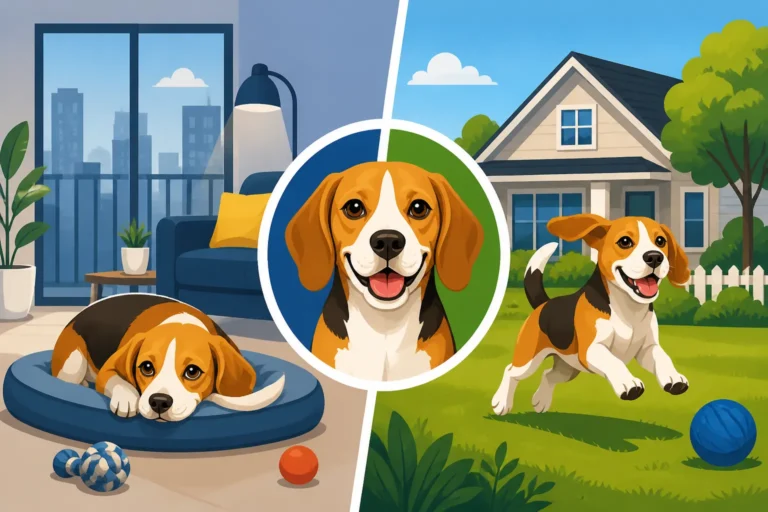
Bringing a former research Beagle into your home comes with its own set of unique challenges and incredible rewards. These dogs often have no concept of a normal home environment. They might be afraid of stairs, unfamiliar with the feeling of soft carpet, or utterly bewildered by a wide-open lawn. House training can be a marathon, not a sprint, as they've never been taught to relieve themselves outside. Loud noises, sudden movements, or even simple human touch might initially trigger fear. Many have lived with Beagle Tattoos and Laboratory Identification Numbers as their only mark of identity. It's a journey of patience, understanding, and unwavering love, but witnessing their gradual transformation from timid, confused animals to confident, affectionate family members is truly one of life's most profound experiences. When you consider Adopting a Beagle That Had Never Seen Grass, you're committing to a special kind of rehabilitation.
Understanding the Mission of Beagle Rescue Organizations
Fortunately, there are countless compassionate individuals and dedicated organizations working tirelessly to rescue these Beagles and prepare them for loving homes. These groups are the unsung heroes, often operating on shoestring budgets and fueled by an immense love for the breed. Their mission extends beyond simply pulling dogs from labs; it encompasses rehabilitation, medical care, and finding the perfect adoptive match.
National and Regional Beagle Rescues
Beagle rescue efforts often operate on multiple levels, from large national organizations to smaller, volunteer-run regional groups. National organizations, like the Beagle Freedom Project, often have the resources and network to conduct large-scale rescues, sometimes coordinating the transport of hundreds of Beagles across state lines simultaneously. They advocate for Beagle Freedom Laws State by State and work to raise public awareness about the issue. Regional and local Beagle rescues, on the other hand, might focus on specific areas, building strong relationships with local shelters and sometimes even directly with research facilities that are phasing out their animal programs. These groups are often the first point of contact for individuals looking to adopt and are experts in their local communities. They understand the nuances of the adoption process in different areas and can provide localized support that's invaluable to new owners. These groups are vital in ensuring Beagle Numbers in American Shelters stay as low as possible.
The Role of Foster Networks in Rehabilitation
The backbone of nearly every successful Beagle rescue is its foster network. When a Beagle is released from a research facility, it often cannot go directly into an adoptive home. These dogs need a transitional period in a stable, nurturing environment to decompress, learn basic household manners, and begin to understand what it means to be a pet. Foster parents provide this critical bridge. They teach the dogs about crate training, house training, leash manners, and the joys of a comfortable bed. They assess the dog's personality, quirks, and specific needs, which helps the rescue find the most suitable forever home. Without dedicated foster families, the vast majority of these rescues wouldn't be possible, as they simply wouldn't have the physical space or resources to house so many dogs. This early intervention is key for addressing issues like Beagle Separation Anxiety in a Breed Bred for Packs that might manifest due to their past.
Specialized Support for Former Research Beagles
Rehoming a former research Beagle isn't the same as rehoming a typical surrendered pet. These dogs often come with unique physical and psychological needs. Rescue groups provide specialized support, which might include extensive veterinary care to address neglected conditions like dental disease – many of these dogs have severe Beagle Dental Disease and Tartar Buildup – or eye issues. They also offer guidance on behavioral challenges, such as extreme shyness, fear of new objects, or difficulty with socialization. Many groups provide resources for positive reinforcement training techniques, understanding that patience and gentle encouragement are paramount. Some even have networks of behaviorists or trainers experienced with these specific challenges. This specialized attention ensures that each Beagle has the best possible chance at a successful integration into a family, understanding that they have often missed out on crucial early life experiences like Socializing a Beagle Puppy for Pack Life.
Navigating the Adoption Process for a Former Research Beagle
If you're feeling a pull to open your heart and home to one of these resilient dogs, the adoption process, while thorough, is designed to ensure the best match for both you and the Beagle. It's a journey that requires commitment, but the rewards are immeasurable.
Beagle Rescue Applications and Home Visits
Applying to adopt a former research Beagle usually involves a comprehensive application form. This form typically asks about your living situation, family members (including children and other pets), your experience with dogs, and your understanding of the unique needs of a rescue Beagle. Be prepared for questions about your yard fencing, your work schedule, and how you plan to manage common Beagle traits like their strong scent drive or vocal tendencies. Following the application, most reputable rescues will conduct a home visit. This isn't an interrogation; it's an opportunity for the rescue to get a sense of your home environment, identify any potential safety concerns (like escape routes for a curious Beagle), and answer any questions you might have face-to-face. It's a crucial step in ensuring a good match and is standard practice for Beagle Rescue Applications and Home Visits. It's a testament to the rescue's commitment to finding the perfect home.
What a Former Research Beagle Needs First
Once approved, bringing your new Beagle home is an exciting, yet delicate, time. Their initial needs are paramount. First and foremost, give them space and time. Don't overwhelm them with too much attention or too many new experiences all at once. Create a safe, quiet space for them, perhaps a comfortable crate or a designated bed in a low-traffic area. Be prepared for accidents, as house training will likely be a significant hurdle. Establish a consistent routine for feeding, potty breaks, and short, positive interactions. Focus on positive reinforcement, using high-value treats and gentle praise to build trust. Many of these Beagles have never had a name, so choosing one and consistently using it is a simple yet powerful step in their journey to personhood. Remember, a new home is a completely alien world to them, so patience is your greatest virtue. This initial period is critical for What a Former Research Beagle Needs First.
Finding Supplies for a New Beginning
As you prepare for your new family member, gathering the right supplies is essential. Think about comfort, security, and enrichment designed for a dog that's starting from scratch. You'll need:
- A secure harness and leash: A regular collar might not be enough for a determined Beagle, especially one new to the world. A martingale or front-clip harness offers better security.
- A comfortable crate: Many former research Beagles thrive with a safe den of their own. Make sure it's appropriately sized and cozy.
- Durable, safe chew toys: These can help with anxiety and provide an appropriate outlet for chewing.
- High-quality food and treats: Look for easily digestible options, especially initially, as their stomachs might be sensitive to diet changes. You'll likely want to stock up on palatable treats for training and positive reinforcement. Places like Chewy offer a wide selection of dog food, treats, and toys that are great for setting up a new dog for success.
- Enrichment toys: Puzzle feeders or snuffle mats can help engage their incredible noses and provide mental stimulation.
- Cleaning supplies: Accidents will happen, so having enzymatic cleaners on hand is a must.
- Ear cleaning solution: With those long, floppy ears, Beagles are prone to ear infections, so regular cleaning is key.
Having these items ready before your Beagle arrives will help make the transition smoother for everyone. When stocking up, look for trusted brands and read reviews to ensure you're getting quality items. Online retailers like Chewy make it easy to order everything you need and have it delivered right to your door, which is particularly helpful when you're focusing on settling your new dog.
| Item Category | Typical Pet Beagle Need | Former Research Beagle Specific Need |
|---|---|---|
| Harness/Collar | Standard collar, leash | Secure martingale or front-clip harness, sturdy leash for escape artists |
| Crate/Bedding | Comfort, den space | Safe, secluded den for decompression; durable, easy-to-clean bedding |
| Food/Treats | Regular diet, training treats | High-value, palatable treats for trust-building and positive reinforcement; gentle diet for sensitive stomachs |
| Toys | Variety of chews, fetch toys | Durable, non-intimidating chew toys; puzzle feeders for mental stimulation |
| Environment | Routine, basic socialization | Quiet, predictable routine; gradual introduction to sights, sounds, textures |
| Vet Care | Annual check-ups, vaccinations | Thorough initial exam, dental work, potential behavioral medication, ongoing health monitoring due to unknown history |
| Training Focus | Obedience, manners | House training, leash manners, positive reinforcement for basic cues, overcoming fear responses |
The Profound Rewards of Adopting a Research Beagle
While the journey of rehoming a former research Beagle can be challenging, the rewards are often far greater than any difficulties. It's a chance to offer redemption and witness a truly inspiring transformation.
Building Trust and Witnessing Transformation
One of the most profound aspects of adopting a former research Beagle is the process of building trust. These dogs often arrive with little understanding of human kindness, having experienced humans primarily in a clinical or impersonal capacity. Initially, they might cower, shy away from touch, or show no recognition of affection. However, with consistent love, patience, and positive reinforcement, you'll start to see incredible changes. A wagging tail, a soft nuzzle, the courage to explore a new room, or finally resting their head in your lap are monumental victories. Witnessing a dog who once feared every shadow gradually blossom into a confident, loving companion is an unparalleled experience. It's about giving them the life they were denied and seeing their true, merry Beagle spirit emerge. This slow journey often involves understanding cues, as with The Muscle Jerks That Signal Lafora in a Beagle or other health issues they may carry.
Advocating for Future Beagle Freedom
By opening your home to a former research Beagle, you're not just saving one life; you're becoming an advocate for countless others. Every successful adoption story helps to shine a light on the plight of these animals and strengthens the public's resolve to support ethical treatment and alternatives to animal testing. You become a living example of the incredible potential for rehabilitation and the profound bond that can form between a human and a dog, regardless of their past. Your experience can inspire others to consider adoption, volunteer, or support organizations working to end animal testing. It's a powerful statement that every life deserves dignity, kindness, and a chance to experience the simple joys of a loving home.
Living Day-to-Day with a Rescued Lab Beagle
Life with a rescued lab Beagle is a constant lesson in patience, empathy, and joy. You'll celebrate every small victory: the first time they play with a toy, the first successful potty break outside without an accident, the first time they cuddle on the couch. Their past experiences mean they might always have certain quirks or fears – perhaps a lifelong aversion to certain sounds or a tendency to hoard toys. That's okay. These are part of their story and what makes them unique. They may have specific health considerations that require long-term care, so it's wise to budget for this, just as you might with Beagle Medical Costs for Epilepsy and Thyroid Disease. You'll learn to understand their subtle cues and anticipate their needs. And in return, these Beagles offer an immense, unconditional love that feels all the more precious because of what they've overcome. They are resilient, grateful souls who will enrich your life in ways you never thought possible, reminding you daily of the enduring power of compassion. Many people have found great success using online resources like Chewy for all their ongoing supply needs, from specialized diets to calming aids, making managing daily life a bit easier.
Disclaimer
This article is for general informational purposes only and does not constitute professional advice. Laws, prices and regulations vary by location and change over time. Consult a qualified professional for guidance on your specific situation.