Beagle Tattoos and Laboratory Identification Numbers
Many families welcome a Beagle into their homes, only to discover a series of numbers or symbols tattooed on their new companion. This can be a confusing, even heartbreaking, revelation, hinting at a past in a research facility. This guide will help you understand the history and meaning behind these laboratory identification numbers and tattoos, offering insights into the unique journey many of these incredible dogs have endured and what to expect as you help them adapt.
The History and Purpose of Beagle Tattoos in Research
It can be a shock to find a tattoo on your beloved Beagle, especially if you weren't expecting it. For many, tattoos on a pet conjure up images of a past owner's personal choice, but for Beagles coming from a research background, these marks serve a very different, clinical purpose. These aren't decorative; they are purely functional, a permanent record of identity within a controlled scientific environment. Understanding this distinction is the first step in appreciating your Beagle's unique story.
Why Identification Was Necessary for Lab Beagles
In a research setting, accurate and unwavering identification of every single animal is not just important, it's absolutely critical for scientific integrity and regulatory compliance. Imagine a facility housing dozens, even hundreds, of Beagles, each potentially involved in different studies on various medications, dietary changes, or product safety tests. Without a foolproof method of telling them apart, the data collected would be meaningless. This is where the permanent tattoo came into play. Each Beagle needed a unique identifier to ensure its individual health records, dietary intake, procedural history, and observed responses were correctly logged.
For example, if a study involves tracking the long-term effects of a new canine medication, researchers need to know, without a shadow of a doubt, that "Beagle #703" received the correct dosage at the right time, and that all subsequent observations are indeed attributed to that specific dog. Collars can break, tags can fall off, and even microchips, while highly reliable, can occasionally migrate or be missed during a scan. A clearly visible, permanent tattoo, however, offered a consistent and verifiable form of identification that could withstand the rigors of a research environment, ensuring that years of scientific effort weren't jeopardized by a simple mix-up. This system was designed for precision and accountability, not for personal expression, and it underscores the rigorous nature of the work these Beagles were part of.
The Common Placement and Appearance of Tattoos
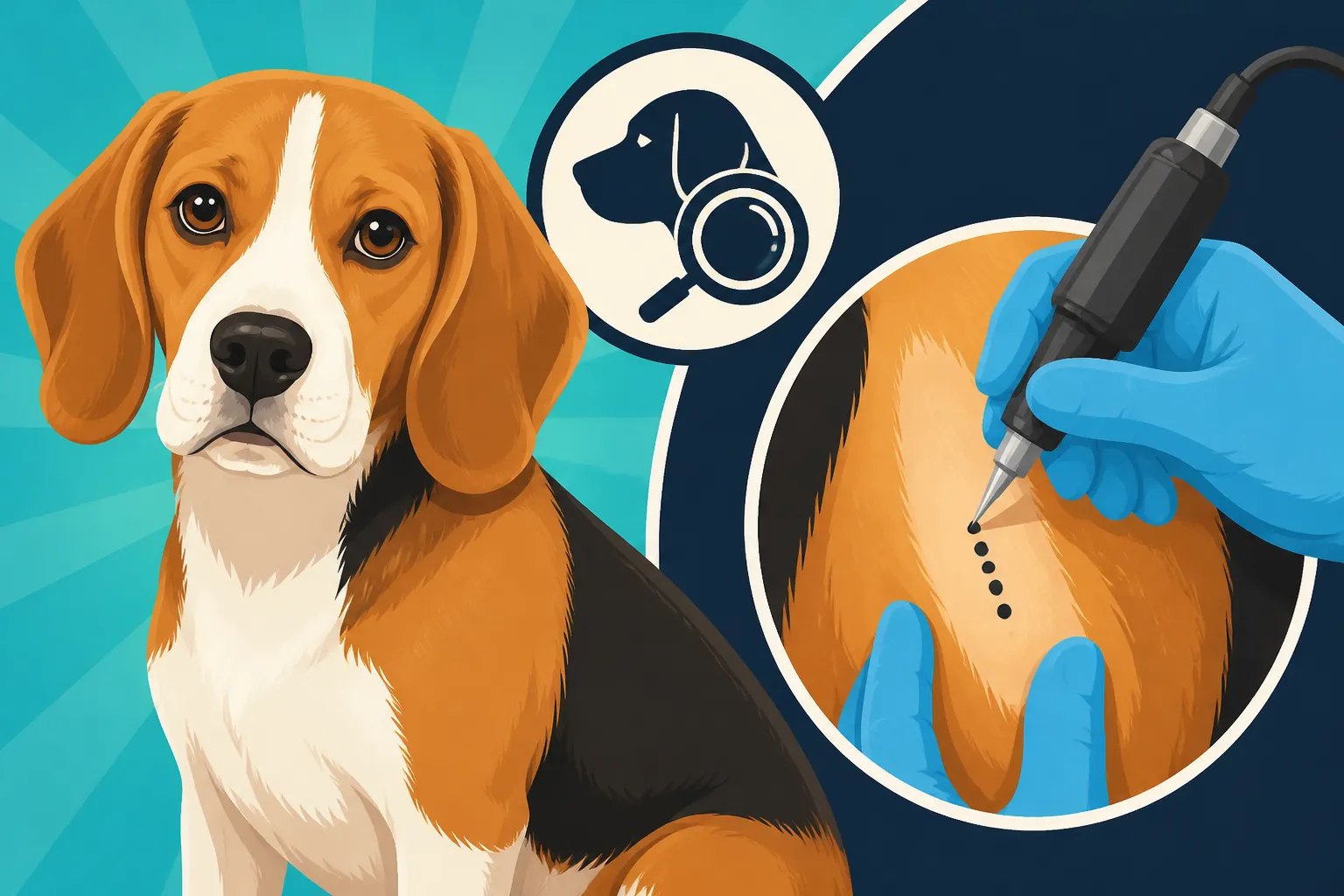
When you examine a Beagle that has come from a research facility, the tattoo is most often found on the inside of their ear flap. Less commonly, you might find one on the inner thigh or belly, chosen for areas with less fur and reasonable visibility. These aren't artistic designs; they are typically simple, straightforward series of numbers, sometimes combined with letters. The ink itself is usually green or black, contrasting against the lighter skin, and the characters are often bold enough to be read easily with a close inspection. The intent is purely utilitarian: a clear, indelible mark.
These tattoos were generally applied when the Beagle was quite young, often during a routine procedure or under light sedation to minimize discomfort and ensure the dog remained still. The process is similar in principle to ear tagging in livestock or even the microchipping process for pets, designed to be a one-time event that provides a lifelong identifier. While the ink is permanent, over many years, some tattoos can fade, especially if they were on a part of the ear that saw more wear or sun exposure. However, even a faded tattoo usually leaves enough of a trace to indicate its presence and often, with a careful look and a bit of light, the numbers can still be deciphered. For many adopters, these marks are a poignant reminder of their Beagle's past, a silent narrative etched onto their skin, and understanding their origin helps connect us more deeply to their story.
Understanding Laboratory Identification Numbers
The numbers and letters found within a research Beagle’s tattoo are far more than just random digits. They are a coded system, meticulously maintained by the facility, designed to track an individual dog throughout its entire time within the research program. These codes serve as a Beagle's identity within a scientific database, linking them to their specific history, health records, and the various studies they might have participated in. While we, as pet owners, might never fully decode every aspect of their numerical past, understanding the general principles behind these identifiers can offer valuable context.
Deciphering the Alpha-Numeric Codes
It's natural to feel a sense of mystery, even frustration, when you look at your Beagle’s tattoo and wish you knew the full story behind those numbers. Unfortunately, there isn't a single, universal system for laboratory identification numbers across all research facilities. Each institution typically develops its own internal coding structure. For example, some facilities might incorporate the year the Beagle was born or acquired into the first few digits, followed by a sequential number indicating its place in that year's cohort. So, a tattoo reading "21-005" might mean the fifth Beagle acquired in 2021. Other codes might include letters to denote a specific project, a group within a study, or even the initial of the breeder from whom the dog was sourced.
Without direct access to the specific facility's records or an established relationship with a rescue that has this information, deciphering the exact meaning of your Beagle’s tattoo can feel like trying to read a foreign language. This can be heartbreaking for owners eager to piece together their dog's past. While much of the precise data may remain opaque, the mere presence of such a tattoo tells a powerful story: this dog played a role in scientific advancement, and now, through adoption, it's embarking on a new life of comfort and love. Rescue organizations, particularly those involved in large-scale rehoming events like those for The Envigo Beagles and Where the 4,000 Went, often work to obtain as much information as possible, but it’s rarely a complete picture of an individual dog’s experience.
Beyond Tattoos: Other Identification Methods Used
While tattoos have been a traditional and reliable form of permanent identification in research settings, technology has offered additional, and often less invasive, methods over the years. Microchips are now widely considered the standard for permanent pet identification and are increasingly used, sometimes in conjunction with or even in place of tattoos, in research facilities. These tiny, rice-grain-sized transponders are implanted under the skin, usually between the shoulder blades, and carry a unique identification number that can be read by a handheld scanner. For any adopted Beagle, especially one from a research background, ensuring their microchip is registered with your current contact information is paramount for their safety and helps ensure their return if they ever get lost, which can happen if their formidable Beagle nose leads them astray. Many online retailers, including Chewy, offer easy ways to register or update your pet's microchip details.
Beyond these permanent methods, facilities might also employ temporary identification for daily management. This could include color-coded collars, plastic bands, or even temporary markers on fur, used to differentiate animals within a particular enclosure or for short-term observation during a specific study phase. While useful in a structured environment, these methods are not designed for long-term or external identification. The focus for adopters, therefore, remains on the permanent markers like tattoos and, crucially, registered microchips. Understanding Beagle Microchips and Getting a Lost Dog Back is a vital piece of information for any Beagle owner, but especially for those whose dogs have a unique history.
Here's a quick look at common identification methods used for animals in various settings:
| Identification Method | Permanence | Visibility | Invasiveness | Typical Use |
|---|---|---|---|---|
| Tattoo (Ear/Thigh) | High | Medium (can fade) | Low (done under sedation) | Permanent internal tracking in labs/breeding |
| Microchip | High | Invisible | Very Low | Permanent, universal ID, crucial for lost pets |
| Ear Tag | Medium | High | Medium | Temporary/semi-permanent, livestock, large facilities |
| Collar/Band | Low | High | Very Low | Temporary, group/pen identification, daily management |
What It Means for Adopting a Former Research Beagle
Bringing a former research Beagle into your home is an incredibly rewarding experience, but it often comes with a unique set of considerations. Their past, etched onto their ear or residing in a microchip, has profoundly shaped their understanding of the world. As an adopter, your role is to help them navigate this new, often overwhelming, environment with patience, understanding, and unwavering love.
Finding Out Your Beagle's Past Through ID
The identification marks on your Beagle are more than just numbers; they're a key to understanding their journey. When rescue organizations take in former research Beagles, these tattoos and microchips are invaluable. They often allow the rescue to verify the dog’s origin, sometimes even providing a brief health history or background details from the facility, especially in cases where a large group of Beagles is released. For instance, in the aftermath of large-scale rescues like those from the Envigo facility, these identifiers were critical in managing the rehoming of thousands of dogs. Knowing even a snippet of this past can help rescuers and new owners anticipate potential behavioral or health needs.
For you, the adopter, your Beagle’s identification mark serves as a powerful reminder of their resilience and the unique path they've walked. It helps explain why they might initially be wary of open spaces, loud noises, or even the simple act of walking on grass. Many of these dogs have never experienced a soft bed, a game of fetch, or the quiet comfort of a loving home. Their tattoo becomes a symbol of their incredible transformation, from a life within a lab to a life as a cherished family member. It truly highlights the importance of organizations dedicated to the Beagle Rescue Groups Across the Country and the tireless work they do.
Practical Care and Considerations for a Tattooed Beagle
Caring for a Beagle with a research background involves addressing their unique needs, both physically and emotionally. If your Beagle has an ear tattoo, you'll want to be particularly gentle when handling that ear, whether it's for cleaning, medication, or just affectionate rubs. While the tattoo itself isn't painful after healing, the ear area might have been a site of frequent handling in their past, leading to some sensitivity. Regular veterinary check-ups are also crucial. While they were monitored in the lab, their care might have been focused on specific research parameters rather than holistic pet health, meaning they might need a comprehensive wellness plan, including dental care, parasite prevention, and discussions about Beagle Health Testing Under CHIC for general breed health.
One of the most common traits in former research Beagles is their heightened food drive, often a survival mechanism from group feeding. This means managing their diet carefully is essential, and products like slow feeders or puzzle toys, readily available from online pet supply stores like Chewy, can be incredibly beneficial. These tools not only slow down eating but also provide much-needed mental enrichment, helping to satisfy their natural foraging instincts. Introducing new foods should be done gradually to avoid digestive upset, as their previous diet might have been very consistent. Patience is your greatest tool; these dogs are eager to learn and bond, but they need time, consistent positive reinforcement, and a predictable routine to thrive in their new environment. For more detailed insights into their adjustment, you might find Adopting a Beagle That Came Out of a Lab very helpful.
The Path Forward: Supporting Your Rescue Beagle
The decision to adopt a Beagle with a laboratory identification mark is a commitment to understanding and nurturing a dog with a profound past. It's an opportunity to provide a lifetime of firsts: the first time they truly feel safe, the first time they romp in a yard, the first time they experience unconditional love. Your patience, empathy, and willingness to adapt will be the cornerstone of their transformation.
Embracing Their Unique Journey
Your Beagle's tattoo, or the knowledge of their research background, is not something to hide or regret. It’s an integral part of who they are and a testament to their incredible resilience. These dogs often bring a depth of character and a unique perspective to family life. They might surprise you with their capacity for joy, their quiet affection, or their sheer delight in simple pleasures like a soft blanket or a sunny patch on the floor. Their unique past often means they form incredibly strong bonds with their adoptive families, treasuring the love and stability they now have.
Embracing their journey means acknowledging the challenges they may have faced and celebrating every small victory – whether it's learning to walk on a leash, overcoming a fear of doorways, or simply letting their guard down enough for a belly rub. You're not just giving a dog a home; you're giving them a second chance at life, helping them to discover all the wonderful aspects of being a pampered pet. Sharing their story responsibly can also be a powerful way to advocate for other research animals, highlighting the work of organizations fighting for Beagle Freedom Laws State by State and encouraging more people to consider adopting these deserving dogs.
Resources and Community for Adopters
You are absolutely not alone in this journey. There's a wonderful, supportive community of former research Beagle adopters who understand the nuances, the triumphs, and occasional challenges that come with this special adoption. Breed-specific Beagle rescues are often fantastic resources, offering guidance, training tips, and support groups where you can connect with others who truly "get it." Many online forums and social media groups are dedicated to adopters of former lab animals, providing a safe space to ask questions, share stories, and celebrate milestones.
Connecting with these communities can provide invaluable insights into issues like Beagle Separation Anxiety in a Pack Breed (as many Beagles struggled with isolation in labs), or advice on appropriate training methods. Your veterinarian will also be a crucial partner, helping you establish a comprehensive health plan tailored to your Beagle's history. Don't hesitate to reach out for support; whether it's practical advice on finding the right toys at Chewy for a dog that's never played, or emotional support when you feel overwhelmed, these networks are there for you. Providing a loving home to a former research Beagle is one of the most fulfilling experiences, and with the right resources, you can help your special companion thrive.
Disclaimer
This article is for general informational purposes only and does not constitute professional advice. Laws, prices and regulations vary by location and change over time. Consult a qualified professional for guidance on your specific situation.