Adopting a Beagle That Came Out of a Lab
Adopting a Beagle that has spent its life in a research laboratory can be an incredibly rewarding experience, but it also comes with a unique set of challenges and considerations that differ greatly from bringing home a pet-bred puppy or even a shelter dog. Many of these wonderful hounds have known little beyond a cage, and navigating the vast, confusing world of a loving home takes patience, understanding, and a whole lot of empathy. This guide will walk you through what to expect, how to prepare, and how to best support your new companion as they learn to be a beloved family member.
The Unique Journey of a Former Research Beagle
When you bring a former research Beagle home, you're not just adopting a dog; you're inviting a creature who has lived a vastly different existence than most pets. Their world has likely been sterile, predictable in its routine but devoid of personal comfort, outdoor experiences, and human companionship as we understand it. This background shapes their initial reactions to everything, from soft beds to open skies. Understanding this foundation is crucial to helping them thrive.
Understanding Their Past Environment
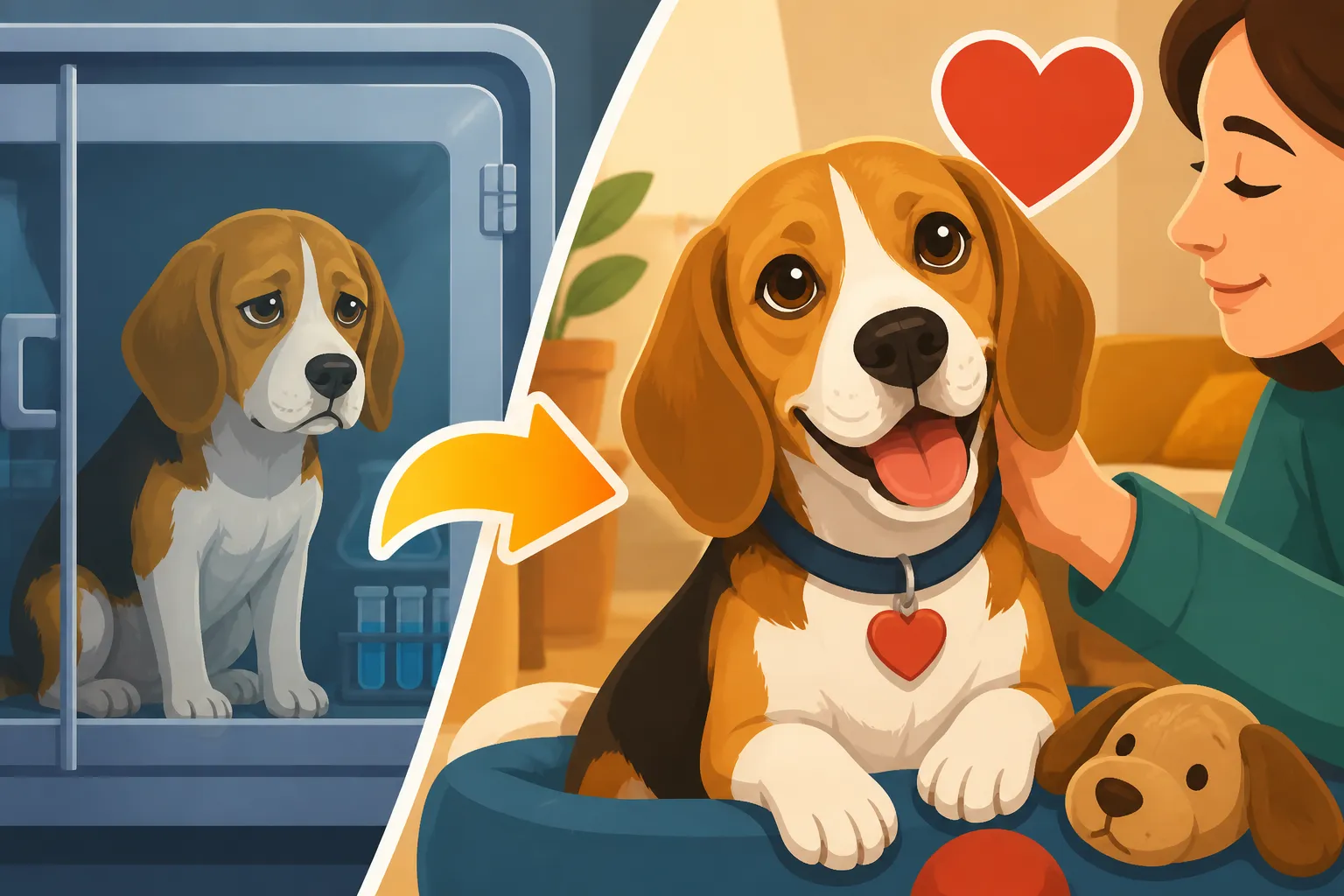
Imagine never feeling grass under your paws, never hearing a bird sing, or seeing the sky without a cage overhead. For many laboratory Beagles, this is their reality. They're often housed indoors, sometimes in small kennels or runs, with limited sensory input. Their routines are strictly scheduled for feeding, cleaning, and procedures. Human interaction, while present, is typically functional and not based on affection or play. This means they may not understand basic concepts we take for granted, like toys, leashes, or even individual names. Their world has lacked choice and control, leading to a deep need for predictability but also a fear of the unknown.
They might have lived in a constant low hum of noise from other animals, ventilation systems, or machinery, making a quiet home feel eerily silent or sudden household noises incredibly startling. Their diet would have been standard, dry kibble, lacking variety or the joy of treats. They might have been part of a large group, experiencing pack dynamics but not individual attention or training. It's a stark contrast to the stimulating, often overwhelming, environment of a typical home.
Common Behavioral and Physical Manifestations
Because of their unique upbringing, former research Beagles often exhibit specific behaviors and physical traits when they first arrive in a home. Behaviorally, you might see what's often called "freeze" behavior – they stand still, sometimes trembling, overwhelmed by new sights, sounds, and smells. They may be hesitant to walk on surfaces like wood floors or stairs, having only known solid concrete or grate flooring. Fear of doorways, confined spaces (ironically, given their past), or even open spaces can be common. Some may not understand how to use a leash or harness, pulling frantically or refusing to move.
Physically, while often appearing healthy, they might have dental issues from a lack of proper care, or skin sensitivities from prolonged contact with specific bedding or cleaning agents. Their nails might be overgrown, their ears might be prone to infection from lack of cleaning (Beagles are especially susceptible to Beagle Ear Infections Under Those Long Ears), and they could have specific scars or minor ailments from their time in the lab. Their socialization with humans and other animals might be limited, leading to either extreme shyness or, in some cases, an over-exuberance that needs careful management. Some may even carry stress-related anxieties that manifest as gastrointestinal issues or repetitive behaviors.
Preparing Your Home for a Lab Beagle Adoption
The key to a successful adoption of a former research Beagle is proactive preparation. Thinking through every aspect of your home environment from their perspective can make a world of difference in their transition. This isn't just about dog-proofing; it's about creating a sanctuary where a previously deprived animal can feel safe and begin to explore life on their own terms.
Creating a Safe and Predictable Space
When your lab Beagle first arrives, the entire world is new and potentially scary. Provide them with a designated "safe zone" – a quiet room or a large crate in a low-traffic area. This space should be equipped with a soft bed, fresh water, and a few puzzle toys. Cover the crate if using one to create a den-like feel. Consistency is paramount. Try to establish a predictable daily routine for feeding, potty breaks, and short interactions. This structure helps build confidence in an animal accustomed to strict schedules, even if they were unpleasant ones.
Consider flooring. If your home has slippery surfaces like hardwood or tile, lay down rugs or runners in key areas to give them traction. Many former lab Beagles have never walked on anything but concrete or grates, so a new texture can be frightening. Block off areas that might be overwhelming initially, like busy rooms or staircases, using baby gates. Keep external noises to a minimum in the first few days; loud music, TV, or boisterous children can be terrifying. Remember, their senses are likely overloaded, and less is more in the beginning.
Essential Supplies and Initial Adjustments
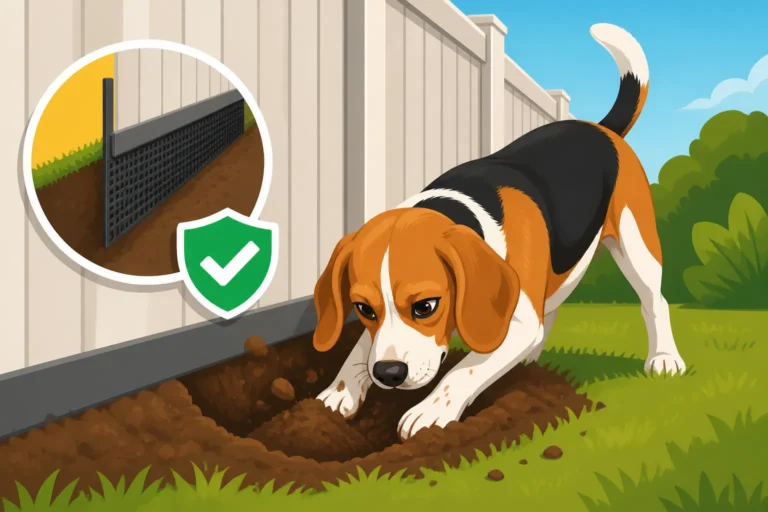
Beyond the basic food bowl and water dish, you'll need some specific items to ease your new Beagle's transition. A comfortable, well-fitting harness (not just a collar, as they can easily slip out or injure their neck if they pull) and a sturdy leash are essential for initial potty breaks and leash training. Brands like Chewy offer a wide variety of options for harnesses and leashes. Consider a long line for yard time, too, especially if your yard isn't fully secured, as their instinct to follow a scent can be powerful. You can read more about why harnesses are important in our guide on Why a Harness Protects a Beagle's Neck.
For food, start with a bland diet, perhaps even the food they were eating in the lab if that information is available, to avoid stomach upset, then slowly transition to a high-quality kibble or even a fresh food option like Ollie if you're inclined. Offer plenty of soft, comfortable bedding. Many Beagles from labs have never known the comfort of a cushioned bed. Provide a variety of enrichment toys, especially puzzle feeders, as these can engage their minds and satisfy their strong food drive without overeating. Slow feeders are also a great idea for Beagles who are used to eating quickly. Stock up on high-value treats to help with training and building positive associations.
Navigating the First Weeks and Beyond
The first few weeks are a critical period for bonding and adjustment. It requires immense patience, consistency, and a willingness to celebrate tiny victories. Your role is not just as an owner but as a guide, helping your Beagle understand the world outside their previous confines.
Building Trust and Socialization
Building trust is a slow, steady process. Start with gentle, positive interactions. Avoid forcing attention; let your Beagle approach you on their terms. Speak in soft, soothing tones. Offer treats for calm behavior and for approaching you. Sitting quietly in their safe space, reading a book or gently talking to them, can help them acclimate to your presence without pressure. Hand-feeding meals can also be a powerful bonding tool, as it establishes you as a provider of good things.
Socialization for a former research Beagle is often about gentle introductions to novelty. Start with one new thing at a time: a new room, a quiet walk in the backyard, the sound of the washing machine. Introduce new people or other calm, well-behaved dogs very slowly and under supervision. These Beagles have often lived in packs, so they might do well with other dogs, but it needs to be managed carefully. For many, a quiet home without too much sensory input is best initially. Remember that their prior "pack" experience was likely institutional, not familial, so learning appropriate social cues with companion animals will be a new skill. Our guide on Socializing a Beagle Puppy for Pack Life offers insights, even for older dogs, on how to introduce them to new social dynamics.
Addressing Specific Training and Health Needs
Potty training might be a challenge, as they've likely had no concept of designated potty areas. Take them out frequently, especially after waking, eating, and playing. Celebrate every successful outdoor potty with enthusiastic praise and treats. Be patient with accidents; they are learning a whole new system. Leash training will also be a major undertaking; many have never worn one. Start indoors, then in a secure yard, making it a positive experience with lots of treats and encouragement. Read our guide on What a Former Research Beagle Needs First for more tailored advice.
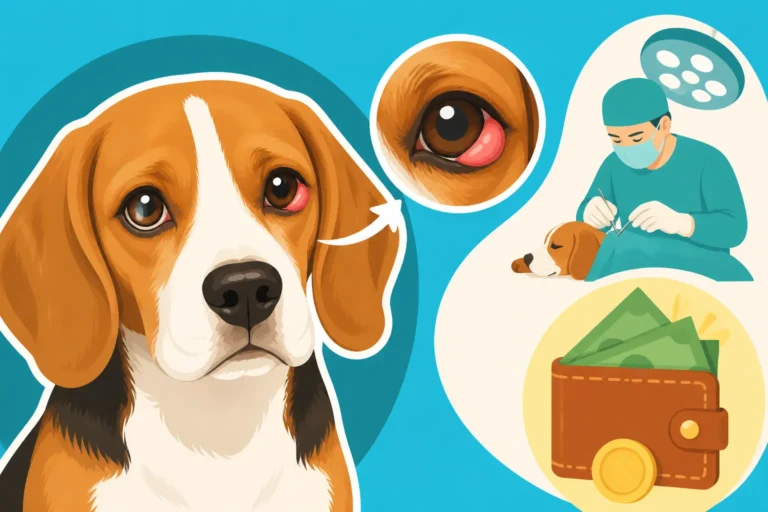
Health-wise, schedule a comprehensive vet check-up soon after adoption. Discuss their history, if known, with the veterinarian. They may recommend specific tests, especially for common Beagle ailments like Beagle Eye Conditions and the Board-Certified Exam or to address potential Beagle Dental Disease and Tartar Buildup. Some Beagles from labs might have compromised immune systems or react strongly to new environments, requiring dietary adjustments or supplements. Discuss potential anxiety medications if their stress levels are consistently high. Many rescues will have already provided initial vaccinations and a spay/neuter, but always confirm.
Support Systems and Long-Term Commitment
Bringing a lab Beagle into your life is a long-term commitment, not just for their lifespan, which can be considerable (Beagle Lifespan and the Twelve to Fifteen Year Range), but for the emotional investment required to help them truly blossom. It's a journey filled with ups and downs, but with the right support, it's incredibly rewarding.
Finding Support Networks
You are not alone in this journey. Many organizations specialize in rehoming former research Beagles, and they often provide invaluable resources, advice, and support networks. Groups like the Beagle Freedom Project or local Beagle rescues are excellent starting points. They can connect you with other adopters who understand the unique challenges and triumphs. Online forums and social media groups dedicated to "lab Beagles" or "Beagle rescues" can also be a wellspring of practical advice and emotional support.
Don't hesitate to consult with professional dog trainers or veterinary behaviorists experienced with trauma or under-socialized dogs. A certified professional can offer tailored strategies for specific behavioral issues, from fear-based aggression to severe Beagle Separation Anxiety in a Pack Breed. Sometimes, a small investment in expert guidance early on can prevent larger problems down the road. Local positive reinforcement trainers are usually the best choice, as harsh methods can severely set back a fearful dog.
The Rewarding Journey of Healing and Growth
Watching a former research Beagle discover the joys of life is truly special. Imagine the first time they play with a toy, chase a butterfly, roll in the grass, or lean into a loving pet. These moments are profound. It can take weeks, months, or even years for them to fully decompress and learn what it means to be a cherished pet. Be prepared for setbacks; a sudden loud noise or an unfamiliar scent can trigger fear responses even months after adoption. Patience and consistency are your greatest tools.
Financially, be ready for potential medical costs. While many come out physically sound, the lack of preventative care in a lab environment can mean a higher likelihood of issues like Beagle Hip Dysplasia and Everyday Joint Wear later in life, or even the manifestation of genetic conditions like Beagle Epilepsy and Seizures From Six Months On. Pet insurance, such as through providers like Healthy Paws, can be a lifeline for unexpected veterinary bills. Understanding Beagle Pet Insurance and What It Runs a Month can help you budget for the long term. Remember, The Lifetime Bill for a Beagle That Reaches Fifteen can add up, so planning is essential. The journey is not always easy, but the bond you form with a dog you’ve helped rescue and rehabilitate is unparalleled.
Common Challenges and Solutions for Lab Beagle Adoptions
| Challenge Area | Common Issue | Potential Solution |
|---|---|---|
| Environmental Acclimation | Fear of new surfaces (wood floors, stairs, grass), loud noises, open spaces. | Start with designated safe zones (rugs, dog beds), use baby gates, introduce new environments gradually. Use white noise machines or calming music. Celebrate small explorations with treats. |
| Potty Training | No understanding of designated potty areas. | Frequent potty breaks (every 2-3 hours initially), especially after eating/waking. Reward heavily for outdoor success. Clean accidents thoroughly with enzymatic cleaner. Consider a "potty patch" indoors if outdoor access is challenging. |
| Leash Walking | Pulling, freezing, or refusal to move. | Start with a well-fitting harness (front-clip can help with pulling). Practice indoors first. Make it positive with high-value treats and praise for any forward movement. Keep initial walks very short and in quiet areas. Avoid punishment. |
| Socialization | Fear of people, other dogs, or over-excitement due to lack of exposure. | Gradual, positive introductions to calm individuals (human/canine). Do not force interaction. Enroll in a positive reinforcement "remedial socialization" class with a qualified trainer. |
| Anxiety & Fear | Trembling, hiding, repetitive behaviors (pacing, licking), separation anxiety. | Provide a consistent routine, a safe space, calming aids (e.g., Thundershirt, diffusers). Consult a vet or veterinary behaviorist for severe cases; medication may be appropriate. Address Beagle Howling, Baying and Barking Explained as a symptom of distress. |
| Health & Vet Visits | Dental disease, ear infections, fear of handling, underlying conditions. | Schedule a comprehensive vet check-up immediately. Use positive reinforcement for vet visits and handling exercises at home. Discuss full health panel testing. Look into pet insurance early. |
| Nutrition | Inhaling food, pickiness, stomach upset with diet changes. | Slow feeder bowls, puzzle toys for meals. Gradual diet transitions. Consult vet for digestive issues. Provide fresh water constantly. Some Beagles thrive on structured meal plans, even with fresh food options like Ollie. |
Disclaimer
The information provided in this article is for general informational purposes only and is not a substitute for professional veterinary advice. Always consult with a qualified veterinarian or animal behaviorist for any health concerns or before making any decisions about your Beagle's care or training.