Field-Bred Beagles Against Show-Bred Beagles
It’s easy to assume that all Beagles are essentially the same, especially when you see those adorable floppy ears and soulful brown eyes. But if you’ve ever started looking for a Beagle puppy or even an adult dog, you might quickly realize there's a subtle but significant distinction that breeders and enthusiasts often discuss: the difference between field-bred and show-bred Beagles. This guide is here to unravel those nuances, helping you understand what these terms truly mean for a Beagle’s appearance, temperament, and suitability for your lifestyle.
The Ancestral Split: Why Two Beagle Types Emerged
To understand why we have "field-bred" and "show-bred" Beagles, we need to take a quick trip back in time and appreciate the breed's origins. Beagles were, first and foremost, hunting dogs. They were developed centuries ago in England to hunt hare and rabbit, working in packs, their incredible noses to the ground. Their job was to pick up a scent, follow it relentlessly, and bay to alert the hunters (who were often on foot) to the location of the game. Every physical and mental trait was honed for this specific purpose.
Over time, as dog shows gained popularity, a different kind of "purpose" began to influence breeding decisions. Instead of selecting for the best nose or the most enduring stamina in the field, breeders started to focus on conformity to a written breed standard – essentially, how well a dog looked compared to an ideal description. This created a divergence, leading to the two distinct lines we often see today, each with its own priorities and characteristics. It's not that one is "better" than the other, but rather that they've been shaped by different ideals and goals.
The Purpose of a Field-Bred Beagle
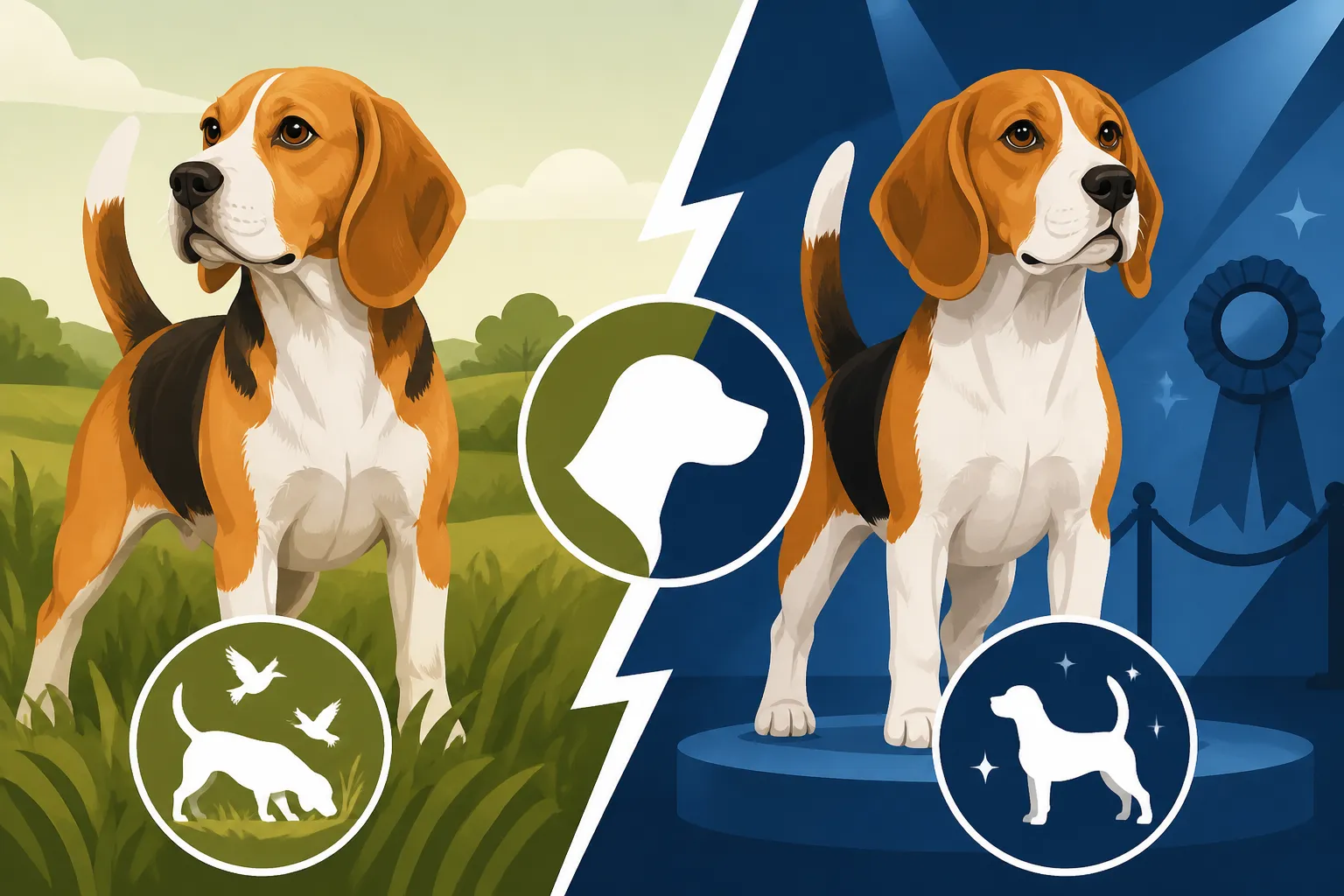
A field-bred Beagle, often referred to as a "working" or "hunting" line, is truly a dog bred for its original job. Their lineage is traced back through generations of successful hunting dogs, where performance in the field was paramount. Breeders of these Beagles prioritize traits like an exceptional nose, boundless stamina, intelligence for tracking, and the distinct vocalizations (the bay!) that make them effective hunting partners. Their physical appearance is secondary to their ability to perform. They are athletes, designed for endurance and agility over aesthetics.
Imagine a pack of these Beagles, noses pressed to the damp earth, working tirelessly through briar patches and across open fields, their melodious bay ringing through the woods as they push a rabbit. Every fiber of their being, every instinct, is geared towards this activity. If you’ve ever seen a Beagle completely absorbed in a scent, oblivious to the world around it, you're getting a glimpse into the heart of a field-bred Beagle. Their drive is immense, and they often need an outlet that speaks to this deep-seated instinct.
The Emergence of the Show-Bred Beagle
The show-bred Beagle, on the other hand, is bred to excel in the conformation ring. This means their breeding focuses on adherence to the official breed standard, which dictates everything from their skull shape and ear set to their coat color and tail carriage. The goal is to produce a dog that, when judged against the standard, is deemed structurally perfect and beautiful. While temperament is certainly a part of the standard, the emphasis shifts from raw working ability to a balanced, aesthetically pleasing appearance and a stable, tractable demeanor suitable for public exhibition.
Think of the majestic Beagles you see gracing the green carpets of dog shows, moving with a confident trot, their coats gleaming, and their tails held high like a flagpole. These dogs are the epitome of what the breed standard envisions. Breeders spend years carefully selecting breeding pairs to optimize these physical traits, often seeking out specific pedigrees known for producing champions. While many show-bred Beagles are still perfectly capable of enjoying a good sniff walk and have that classic Beagle charm, their primary selection criteria are different from their field-bred cousins.
Distinctive Features: Appearance and Structure
One of the most immediate ways to spot the difference between field-bred and show-bred Beagles is in their physical appearance. While both are undeniably Beagles, a keen eye will pick up on subtle, yet important, variations in their build, coat, and overall "type." These differences are a direct result of the divergent breeding goals.
Field-Bred Beagle Aesthetics
Field-bred Beagles tend to have a leaner, more athletic build. They are often less heavily boned than their show-bred counterparts, built for speed and endurance over brute strength. Their musculature is tight and well-defined, reflecting their active lifestyle. You might notice them having a slightly longer body proportion, allowing for greater agility and stride when navigating varied terrain. Their coats, while still dense and weather-resistant, might appear less "polished" and more utilitarian. Their eyes often have an intense, focused gaze, constantly scanning and searching, rather than the softer, more pleading look sometimes seen in show lines.
Their ears might also be set a little higher and be slightly shorter, which can be advantageous in brush to avoid tears and snags. The white tip on the tail, a crucial safety feature for hunters to spot their dogs in tall cover, is certainly present, but the overall presentation is less about "flash" and more about function. These dogs are built to run for hours, to push through thickets, and to be agile over rough ground. They might look a bit more "rustic" or "rugged" to someone accustomed to the refined look of a show dog, but every line and curve serves a purpose in their working environment.
Show-Bred Beagle Conformation
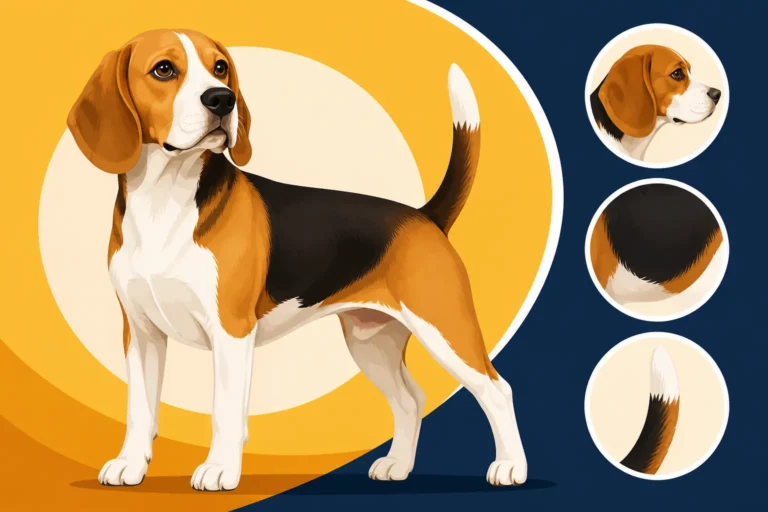
Show-bred Beagles typically present a more compact, substantial, and "square" silhouette. They have a heavier bone structure and a more refined, often smoother, coat. The breed standard emphasizes a certain "substance" and symmetry. Their heads might appear broader, with a more pronounced stop (the area where the muzzle meets the forehead), and their ears are often noticeably longer, set low, and soft, framing the face beautifully. Their expression is often described as "merry" or "pleading," with round, soft eyes.
Their tails are carried gaily, often described as "like a flagpole," with that distinctive white tip. Every aspect of their body, from their perfectly level topline to their well-sprung ribs, is carefully considered against the written standard. They move with a confident, effortless gait designed to impress judges in the show ring. While they are still active dogs, their conformation is optimized for the visual appeal and structural correctness valued in competition. If you're looking for a dog that truly embodies the classic, idealized Beagle image often seen in illustrations or on merchandise, a show-bred Beagle is likely what you have in mind. You'll also see that many of the essential supplies you might buy for these dogs, from specialized brushes to high-quality food, can be found at retailers like Chewy.
Here's a quick table to summarize some of the key physical differences:
| Feature | Field-Bred Beagle | Show-Bred Beagle |
|---|---|---|
| Build | Leaner, more athletic, built for endurance | More compact, substantial, "square," heavier bone |
| Muscle | Tightly muscled, often visibly defined | Well-covered, balanced musculature |
| Bone Structure | Lighter boned | Heavier boned, more "substance" |
| Body Proportions | May appear slightly longer in body | More square, balanced |
| Head | Can be slightly finer, less pronounced stop | Broader skull, more pronounced stop |
| Ears | Often shorter, set slightly higher | Longer, set low, soft and rounded |
| Expression | Focused, intense, keen | Merry, gentle, often "pleading" |
| Coat | Dense, weather-resistant, sometimes less "groomed" | Dense, smooth, often appears more "polished" |
| Gait | Agile, efficient, covers ground quickly | Confident, balanced, elegant, showy |
Temperament and Drive: More Than Just Looks
While physical appearance is one thing, the true heart of the difference between field-bred and show-bred Beagles often lies in their temperament and innate drives. These are the traits that will most impact daily life with your dog, influencing everything from their exercise needs to their trainability and how they interact with their environment. If you're considering bringing a Beagle into your life, understanding these behavioral distinctions is crucial.
The Unwavering Scent Drive of a Field Beagle
A field-bred Beagle lives to follow its nose. Their scent drive is often incredibly intense, almost an obsession. When they pick up a trail, the world around them – including your voice – can simply cease to exist. This isn't stubbornness, but rather a complete absorption in their primary purpose. Their energy levels are typically very high, and they require a significant amount of strenuous exercise and mental stimulation that engages their powerful olfactory abilities. A short walk around the block simply won't cut it for many of these dogs; they need to work their nose. Training a Beagle Around 220 Million Scent Receptors is not just a suggestion for these dogs, it's a necessity for their well-being.
Because of this strong prey drive and single-minded focus, field-bred Beagles are generally not good candidates for off-leash activities outside of securely fenced areas or controlled hunting environments. Their desire to follow a scent will override almost anything else, making recall incredibly unreliable in a stimulating outdoor setting. Owners often describe them as "busy" and constantly on the go. They can be incredibly affectionate and loving, but their internal motivation is fundamentally different, geared towards action and exploration. Providing activities like scent work, tracking, or even controlled pack walks can be essential for their happiness and for maintaining a harmonious home. They can also be quite vocal, with a strong, melodious Beagle Howling, Baying and Barking Explained that is a hallmark of their hunting heritage.
The Adaptable Companion of the Show Ring
Show-bred Beagles, while still possessing that iconic Beagle nose and love of sniffing, often have a slightly mellower and more adaptable temperament than their field-bred cousins. Their breeding has, to some extent, selected for dogs that can calmly stand on a table for examination, gait politely on a leash, and generally be more amenable to handling and crowds. This isn't to say they don't have energy or a playful spirit – they are Beagles, after all! But their drives might be more easily managed within a typical family setting.
These Beagles are often more focused on their people and can make wonderful, devoted family pets. While they still require plenty of exercise and mental enrichment to prevent boredom and mischief, their need to constantly hunt might not be as all-consuming. They can be very affectionate, enjoying cuddle time on the couch as much as a good walk in the park. They still love to sniff and explore, and a good long line walk or backyard playtime is always appreciated, but the intensity of the drive may be tempered. They are often good with children and other dogs, embodying the "merry" and sociable Beagle Temperament and Why the Breed Suits Families. Many show-bred Beagles will still excel at activities like obedience or even introductory scent work, but they might not have the same relentless drive for it as a dog bred strictly for the field. You'll find that for any Beagle, regardless of its breeding, finding engaging toys and treats is important, and places like Chewy offer a huge selection.
Choosing the Right Beagle for Your Lifestyle
Now that we’ve explored the differences, the big question is: which type of Beagle is right for you? This isn't about one being superior to the other, but rather about matching a dog's inherent needs and drives with what you can realistically provide. Understanding these distinctions beforehand can prevent a lot of potential frustration and ensure a happy, fulfilling life for both you and your new companion.
Are You a Hunter or an Enthusiastic Outdoorsperson?
If your idea of a perfect weekend involves long hikes through the wilderness, participation in field trials, or actual hunting, then a field-bred Beagle might be an ideal match. These dogs thrive on activity, challenge, and the opportunity to use their phenomenal noses. They need an owner who understands their powerful scent drive and is prepared to channel it constructively. This means dedicated training, secure containment, and a commitment to providing ample mental and physical stimulation focused on their natural instincts.
For these dogs, an active lifestyle is not just a bonus; it’s a fundamental need. They will require rigorous exercise, such as running, long scent walks where they can follow trails to their heart's content, or participation in structured activities like tracking or competitive obedience. Remember that Exercising a Beagle Enough to Settle It means more than just a quick trot around the yard. They are not content to be couch potatoes and can become destructive, anxious, or vocal if their immense energy and drive aren't properly expended. They also tend to have an incredible metabolism, so Feeding a Beagle That Would Happily Eat All Day means careful portion control even with high activity levels. If you live on a large property with secure fencing, or are committed to using long lines and engaging in scent sports, a field-bred Beagle can be an incredibly rewarding partner.
Seeking a Family Pet and Conformation Enthusiast?
If you're primarily looking for a loving family companion who enjoys walks, playtime in the yard, and snuggling on the couch, and perhaps you're interested in showing in conformation, a show-bred Beagle is likely a better fit. These Beagles still have plenty of energy and that classic Beagle charm, but their drives are often more manageable for the average pet owner. They can adapt well to a suburban home, provided they receive regular exercise, training, and plenty of attention.
Show-bred Beagles typically enjoy being part of family activities and are often quite social. They still require a securely fenced yard, as any Beagle with a nose can get into trouble, but their impulse to bolt after a scent might be slightly less intense than their field-bred counterparts. They can excel in basic obedience, trick training, and even some recreational scent games. Their calm demeanor and beautiful appearance also make them popular choices for those interested in the world of dog shows. They are bred to be structurally sound and free from major health issues, though it's always wise to inquire about Beagle Health Testing Under CHIC regardless of the line. Their adaptable nature makes them wonderful companions for families who can provide consistent care, training, and a good balance of activity and downtime.
Finding a Reputable Breeder for Either Type
Regardless of whether you lean towards a field-bred or show-bred Beagle, finding a reputable breeder is paramount. A good breeder will be transparent about their dogs' lineage, health clearances, and the specific goals of their breeding program. They will be able to tell you if their dogs come from lines known for strong hunting drive or if they are primarily bred for conformation. They should also be eager to answer your questions about typical What a Beagle Puppy Costs From a Breeder, health testing, and puppy temperament.
Look for breeders who:
- Perform health testing relevant to the breed (hips, eyes, MLS, thyroid, etc.).
- Can provide pedigrees and explain their breeding philosophy.
- Are willing to let you meet the puppy’s parents (or at least the mother).
- Screen prospective owners carefully to ensure a good match.
- Provide support and guidance throughout your dog's life.
- Have a clean and well-maintained facility where the puppies are raised.
Remember, both field-bred and show-bred Beagles are wonderful dogs with unique qualities. The key is to choose the type that best aligns with your lifestyle, expectations, and commitment to meeting their specific needs. Understanding these differences allows you to make an informed decision and embark on a fulfilling journey with your chosen Beagle companion.
Disclaimer
This article is for general informational purposes only and does not constitute professional advice. Laws, prices and regulations vary by location and change over time. Consult a qualified professional for guidance on your specific situation.