Beagle Hunting Licenses and Rabbit Seasons
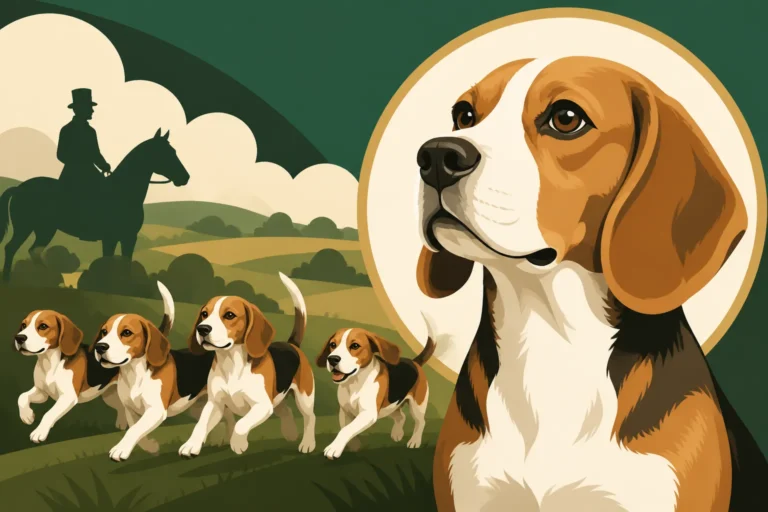
For those of us who share our lives with a Beagle, there's a deep-seated curiosity about their heritage. These dogs were, after all, bred for the hunt, specifically for rabbits and hares. It's completely natural to wonder about connecting your beloved hound to that rich history, perhaps even exploring the world of field work. However, diving into hunting with your Beagle isn't as simple as just heading out into the woods; there's a maze of licenses, regulations, and seasonal restrictions to navigate, which can feel incredibly overwhelming. This guide is here to untangle that complexity, helping you understand the requirements for Beagle hunting licenses and rabbit seasons, while also focusing on responsible and ethical practices.
Understanding the Legal Landscape: Licenses and Regulations
When you think about taking your Beagle out for a day of hunting, the very first thing that has to cross your mind is legality. You can't just step into a field or forest with a gun and a dog without understanding the rules, and trust me, those rules vary wildly. It's not like buying a bag of kibble, where the product is generally the same no matter where you are. Hunting regulations are hyper-local, designed to manage wildlife populations and ensure safety within specific regions.
Why Hunting Regulations Exist and Why They Vary
Hunting regulations aren't arbitrary hoops to jump through; they're the backbone of wildlife conservation and management. Imagine if everyone could hunt whatever they wanted, whenever they wanted – it wouldn't take long for animal populations to plummet, and the delicate balance of ecosystems would be completely disrupted. So, these laws serve several crucial purposes:
- Conservation: They protect species from overhunting, ensuring that populations remain healthy and sustainable for future generations. This includes setting limits on how many animals can be harvested and during what times of the year.
- Species Management: Regulations help manage specific animal populations to prevent them from becoming too numerous in one area, which can lead to disease, habitat destruction, or conflicts with human activities.
- Public Safety: Rules regarding weapon types, hunting hours, and safe distances from homes or roads are all about keeping everyone, including hunters, dogs, and non-hunters, safe.
- Fair Chase: Many regulations are also designed to promote ethical hunting practices, ensuring that animals have a fair chance and that hunters demonstrate respect for wildlife.
The reason these rules vary so much from one state to another, and sometimes even county to county, is that wildlife populations, habitats, and local conservation goals are incredibly diverse. A rabbit population in a rural Iowa farming community will face different pressures and require different management strategies than one in the dense forests of Pennsylvania or the scrublands of Texas. Each state's wildlife agency is tasked with understanding their unique environment and setting rules accordingly. This means you absolutely cannot assume that what's legal in your home state will be legal if you travel even a few miles across a state line.
Navigating State-Specific Hunting Licenses
Getting a hunting license is typically the first and most fundamental step, no matter where you plan to hunt. Think of it as your passport to the outdoors, confirming you've met the basic requirements and contributed to conservation efforts through the purchase fee.
Every state has a dedicated wildlife or natural resources agency that issues these licenses. A quick online search for something like "[Your State] Department of Fish and Wildlife" or "[Your State] Game Commission" will lead you to their official website. This website is your absolute best friend for current and accurate information. I can't stress enough how important it is to go directly to the source, as unofficial sites or old forum posts can be wildly out of date.
Once you're on their site, you'll typically find sections dedicated to hunting licenses. Key things you'll need to look for include:
- Resident vs. Non-Resident Licenses: This is a big one for your wallet. If you live in the state, you'll pay a much lower resident fee. If you're visiting from another state, non-resident licenses are significantly more expensive, reflecting the idea that you haven't been contributing to that state's conservation efforts through local taxes. Make sure you meet the residency requirements, which usually involve living in the state for a certain period and holding a state-issued ID.
- Small Game License: For Beagles, who are typically used for hunting rabbits and sometimes other small game like squirrels or grouse, you'll almost certainly need a small game hunting license. This is distinct from a big game license (for deer, bear, etc.) or a waterfowl license.
- Hunter Education Requirements: Many states require anyone born after a certain date (often in the 1970s or 1980s) to complete a hunter education course. This course covers safety, ethics, wildlife identification, and conservation principles. If you haven't taken one, you'll need to factor this into your plans. They can be online, in-person, or a hybrid.
- License Validity: Check when the license expires. Most are annual, aligning with the calendar year or a specific hunting season cycle. Don't let yours lapse!
When looking at the requirements, remember that the cost of these licenses is typically a fraction of the overall expenses of owning and hunting with a Beagle, but it's a non-negotiable step.
Additional Permits for Hunting with Hounds
Here's where it can get a little more specific for us Beagle owners. While a general small game license covers you as the hunter, some states or specific wildlife management areas might require additional permits or endorsements if you plan to hunt with dogs. This is particularly true for pursuit-style hunting, where dogs actively track and chase game.
These "hound permits" or "dog hunting permits" are less common for small game like rabbits than for larger game like bear or coyote, but it's crucial to check your state's regulations carefully. In some areas, there might be specific rules about:
- Number of Dogs: Limits on how many dogs you can use at one time.
- Identifiable Collars: Requirements for dogs to wear specific identification, which is just good practice anyway, especially if they are prone to getting lost on a scent, as Beagles are known to do. Beagle GPS Collars and Tracking Tags are an excellent investment, often available at retailers like Chewy, to help keep track of your active hound.
- Leash Laws: While hunting, dogs are usually off-leash, but there might be rules about how you transport them or if they need to be leashed in certain areas (e.g., near roads or parking areas).
- Training Seasons: Some states have specific "training seasons" where you can take dogs out to train them on live game without actually harvesting it. This is a fantastic way to develop your Beagle's skills and see if Whether a Pet Beagle Can Learn to Hunt is truly for them, without the pressure of a full hunting scenario.
The best way to find out about these specific dog-related permits is again through your state's wildlife agency website. Look for sections on "hunting with dogs," "hound hunting," or specific regulations for the species you intend to pursue. Don't hesitate to call their customer service line if you can't find clear answers – they are there to help you understand the rules.
Deciphering Rabbit and Small Game Seasons
So you've got your license sorted, perhaps even your hound permit. Now, you need to know when you can actually go hunting. This is where "seasons" come in, and again, these dates are not universal. Hunting out of season is a serious offense, leading to hefty fines and loss of hunting privileges.
The Rationale Behind Season Dates
Just like with licenses, hunting seasons are carefully planned by wildlife biologists to ensure the health and sustainability of game populations. They aren't just picked at random; a lot of scientific data goes into deciding when certain species can be hunted.
- Breeding Cycles: The most critical factor is often the breeding season. Hunting during this time would disrupt reproduction, potentially leading to fewer offspring and a decline in future populations. For rabbits, this means seasons are almost always outside of their primary breeding periods.
- Population Health: Seasons are also set to manage the overall health and size of a species. If a population is robust, a longer or more liberal season might be permitted. If numbers are low, the season might be shortened or even closed entirely.
- Fair Chase and Sportsmanship: In some cases, seasons are also set to ensure fair chase. For example, hunting certain animals when they are particularly vulnerable (e.g., during deep snow or when mothers are caring for very young offspring) might be restricted or prohibited.
- Optimal Harvesting: Seasons often coincide with times when animals are at their prime in terms of size, fur quality (for trappers), or meat quality, if the intent is to harvest for food.
General Trends in Rabbit Season Timing
For rabbits, you'll generally find that hunting seasons fall during the cooler months of the year, typically from late fall through winter and into early spring. This timing makes sense for several reasons:
- Post-Breeding Season: Most rabbit species have their main breeding season in spring and summer. By hunting in the fall and winter, you're primarily targeting adult populations that have already reproduced, leaving the new generations to mature.
- Foliage Cover: As leaves drop from trees and shrubs, cover for rabbits diminishes. This can make tracking with a Beagle and spotting rabbits a bit easier for the hunter.
- Weather Conditions: Cooler weather is generally more comfortable for Beagles to work in, as they can overheat quickly, especially when actively trailing. Exercising a Beagle Through Hot Summer Weather during hunting activities needs careful consideration and monitoring. Also, lower temperatures reduce the risk of certain parasites. Year-Round Parasite Prevention for a Beagle is still essential, even in cooler months.
However, the specific start and end dates can vary significantly. For instance, a state in the southern U.S. might have a much longer rabbit season starting earlier in the fall and extending later into the spring compared to a northern state with harsher winters. Some states might even have different seasons for various regions within their borders, or separate seasons for different rabbit species (e.g., cottontails vs. jackrabbits).
You'll need to check your state wildlife agency's website for an up-to-date hunting digest or regulations booklet. This document will clearly list the season dates for each species. Make sure you're looking at the correct year's regulations, as dates can shift slightly annually.
Bag Limits and Other Restrictions
Beyond just when you can hunt, there are usually rules about how much you can take and how you can take it. These are often referred to as bag limits and methods of take.
- Daily Bag Limits: This specifies the maximum number of a particular species you can harvest in a single day. For rabbits, it might be something like 5 or 10 per hunter per day. This prevents individuals from taking an excessive amount of game, which ties back into conservation efforts.
- Possession Limits: This is the total number of harvested animals you can have in your possession at any one time, often equal to or twice the daily bag limit. This accounts for multiple days of hunting without immediately processing all the game.
- Weapon Restrictions: Your state's regulations will detail what types of firearms or archery equipment are legal for hunting small game. This might include specific calibers for shotguns, types of arrows, or restrictions on air rifles.
- Hunting Hours: Most small game hunting is restricted to daylight hours, often from a half-hour before sunrise to a half-hour after sunset. This is a safety measure.
- Private vs. Public Land: Be keenly aware of where you are hunting. Public lands (like national forests or state game lands) generally allow hunting, but often require specific permits or follow different regulations. Private land always requires explicit permission from the landowner. Hunting on someone's property without permission is trespassing and illegal.
- Blaze Orange Requirements: Many states require hunters to wear a certain amount of blaze orange clothing during hunting season, especially when firearms are being used, to ensure visibility and prevent accidents. This is crucial for your safety and the safety of your companions, human or canine.
Here’s a simplified table illustrating how these variables can combine, though remember, actual specifics vary drastically by location:
| Factor | Typical Variation Points | Importance for Beagle Hunters |
|---|---|---|
| State/Region | Different wildlife populations, habitats, local laws | Determines all specific regulations; must check the state wildlife agency's website. |
| Species | Rabbit, squirrel, grouse, pheasant, etc. | Licenses and seasons are often species-specific. Ensure you're targeting what's legal. |
| License Type | Small game, resident/non-resident, youth, senior | Your basic legal authorization; covers the hunter, not necessarily the dog. |
| Hound Permit | Required in some states/areas for hunting with dogs | Specific authorization for using your Beagle; look for "hunting with dogs" or "hound hunting" sections. |
| Season Dates | Late fall through winter/early spring, varies by species/region | Strict opening and closing dates; hunting outside these is illegal and harmful to wildlife. |
| Bag Limit | Number of animals per day/season (e.g., 5 rabbits/day) | Prevents over-harvesting; adhere strictly to these limits. |
| Method of Take | Shotgun, rifle, archery, air gun | What type of weapon is permitted for small game. |
| Hunting Hours | Typically half-hour before sunrise to half-hour after sunset | Safety measure; only hunt during designated times. |
| Blaze Orange | Required in many areas during specific seasons | Crucial for personal safety and visibility in the field. |
| Land Type | Public vs. Private | Always obtain permission for private land; understand specific rules for public land. |
Ethical Considerations and Responsible Beagling
Beyond the legalities, there's a huge component of ethics and responsibility when it comes to hunting with your Beagle. These are living creatures, and our job is to ensure their safety and welfare, as well as to respect the wildlife and environment we're engaging with.
Prioritizing Your Beagle's Safety and Welfare
Your Beagle is your partner in the field, and their well-being must always come first. Hunting can be physically demanding and expose them to various risks.
- Health and Conditioning: A Beagle needs to be in excellent physical condition to hunt. This means a proper diet, a healthy weight, and regular exercise outside of hunting season. Make sure your Beagle has passed all its Beagle Health Testing Under CHIC recommendations. Before any rigorous activity, a vet check-up is a must. If your Beagle has any underlying health issues like Beagle Hip Dysplasia and Everyday Joint Wear or heart conditions, field work might not be appropriate.
- Vaccinations and Parasite Prevention: The field can be rife with ticks, fleas, and other parasites. Ensure your Beagle is up-to-date on all vaccinations and is on a year-round flea, tick, and heartworm preventative.
- Proper Gear:
- Visibility: Beagles are small and can disappear into cover quickly. A bright orange or reflective vest is essential, especially in areas where other hunters might be present. You can find excellent options for protective gear at stores like Chewy.
- Tracking Collars: Even the best-trained Beagle can get lost on a strong scent trail. A GPS tracking collar is an absolute non-negotiable for safety. These collars allow you to pinpoint your dog's location even when they're out of sight and hearing range. Beagle GPS Collars and Tracking Tags are designed to withstand rugged conditions.
- First Aid: Always carry a canine first aid kit. Minor cuts, scrapes, or thorn punctures are common. Knowing how to handle an emergency, like if your Beagle encounters a snake or gets a serious injury, is vital. Beagle Emergency Signs That Cannot Wait Until Morning should be something every owner is aware of.
- Hydration and Breaks: Hunting is hard work. Always carry plenty of fresh water for your Beagle and offer it frequently. Take breaks, especially on warmer days, to prevent overheating.
- Training for the Field: A pet Beagle isn't necessarily ready to hunt without specific training. They need solid recall, understanding of boundaries, and the ability to work cooperatively. Beagle Recall and Why Your Voice Stops Registering can be a huge challenge when their nose is engaged, so specific, high-value reward training is necessary.
Respecting Wildlife and the Environment
Responsible hunting is about more than just following the law; it's about being a good steward of nature.
- Fair Chase Principles: This means giving the animal a reasonable chance to escape. It's about respecting the quarry, not simply trying to get an easy kill. For Beagles, this often means allowing them to work the scent trail, rather than flushing game unfairly.
- Quick and Humane Harvest: If you do harvest an animal, it should be done quickly and humanely to minimize suffering. This means knowing your target, understanding your weapon, and practicing your aim.
- Leave No Trace: Pack out everything you pack in. Don't leave trash, shell casings, or any other signs of your presence. Respect property, both public and private, and avoid damaging natural habitats.
- Knowledge of Species: Understand the animals you are hunting. Can you identify them accurately? Do you know their habits and habitat? This prevents accidental harvesting of protected species and helps ensure a successful, ethical hunt.
- Consider the Impact of Your Dogs: Beagles love to run and explore. Ensure they are not harassing non-target wildlife or livestock. Their presence should not disrupt the natural environment any more than necessary.
Training Your Beagle for the Field
Just because a Beagle has a phenomenal nose and a historical drive to hunt doesn't mean they're automatically ready for the field. You have to train them, and it takes time, patience, and consistency. Whether a Pet Beagle Can Learn to Hunt is a common question, and the answer is usually yes, with dedication.
- Foundation Obedience: Before anything else, your Beagle needs solid basic obedience. "Sit," "stay," "come" (especially), and "leave it" are critical. A strong recall is paramount when you have a dog driven by scent.
- Scent Work: This is where Beagles truly shine. You can start with simple hide-and-seek games in your yard, hiding treats or favorite toys. Then progress to longer scent trails. This helps them develop their natural abilities in a controlled way. Scent Work as the Job a Beagle Was Built For is not only a fantastic mental workout but also excellent preparation for hunting. You might consider formal Beagle Training Class Fees for nose work or tracking to refine these skills.
- Field Introduction: Gradually introduce your Beagle to different types of terrain, cover, and sounds they might encounter in the field. Start in low-distraction environments and slowly build up.
- Working as a Pack (or Solo): If you plan to hunt with multiple Beagles, they need to learn to work together harmoniously, following the scent without fighting or interfering. If you're working with one dog, they need to learn to rely on your cues. Understanding Beagle Packs and How a Hunt Was Run in historical contexts can give you insight into this dynamic.
- Gun Safety and Noise Acclimation: If you plan to use a firearm, your Beagle needs to be slowly and positively introduced to gunshots from a distance, gradually decreasing the distance over time. Never force this and always make it a positive experience with treats.
Getting Started: Resources and Next Steps
The idea of taking your Beagle hunting might still feel daunting, but there are many resources available to help you on your journey.
Connecting with Local Beagling Clubs
One of the absolute best ways to learn the ropes, gain experience, and find mentors is to connect with a local Beagling club or small game hunting association. These groups are a treasure trove of knowledge and experience.
- Mentorship: Experienced members can offer invaluable guidance on everything from training techniques to understanding local regulations and finding suitable hunting grounds. They've made the mistakes already, so you don't have to!
- Shared Resources: Clubs often have access to private hunting lands, host training days, or organize group hunts. This can be a fantastic way to introduce your Beagle to field conditions in a controlled, supportive environment.
- Community: Hunting with Beagles is often a social activity, and joining a club can connect you with like-minded individuals who share your passion for the breed and the sport.
- Field Trials: Many clubs host field trials, which are events where Beagles are judged on their hunting abilities, such as their tracking, perseverance, and control. These are not about harvesting game but about showcasing your dog's natural talent and training. Beagle Field Trials and Running With a Pack can be a great goal to work towards, even if you don't intend to compete seriously.
You can often find these clubs through your state's wildlife agency website, local sporting goods stores, or national organizations dedicated to Beagles or small game hunting.
Essential Gear for Field Beagling
Equipping yourself and your Beagle properly is key for safety, efficiency, and enjoyment in the field. Think of it as investing in successful outings.
- Leashes and Long Lines: Even if your Beagle is off-leash while hunting, a sturdy leash is essential for getting to and from the hunting grounds. A long line (15-30 feet) can be invaluable for training recall in a larger space or for keeping your Beagle somewhat contained while still allowing them to explore a scent. You can find durable long lines and leashes from brands like Ruffwear or Kurgo on platforms like Chewy.
- Tracking Collars: As mentioned before, a GPS tracking collar is a critical piece of safety equipment. They transmit your dog's location, sometimes in real-time, to a handheld device or your smartphone. Brands like Garmin and Fi offer excellent options that can withstand rugged use.
- Protective Vests/Jackets: Brightly colored vests (blaze orange is preferred) make your Beagle visible to other hunters and help you keep an eye on them in dense cover. Some vests offer additional protection against briars and thorns.
- Whistle: A dog whistle can be a very effective tool for recall, especially over long distances or when your voice might be lost to the wind or your Beagle's focused nose.
- First Aid Kit: A basic human first aid kit, augmented with specific items for dogs, is a must-have. Include paw balm, antiseptic wipes, sterile gauze, self-adhering bandages, and tweezers for thorns.
- Water and Bowl: Crucial for keeping your Beagle hydrated. Collapsible bowls are excellent for portability.
- Treats/Rewards: High-value treats are important for positive reinforcement during training sessions in the field.
- Game Bag: If you're successful, you'll need a way to carry your harvested game respectfully and hygienically.
Learning the Ropes: Mentorship and Field Trials
Learning to hunt with a Beagle is a journey, not a sprint. It involves blending your dog's natural instincts with your knowledge of the environment and regulations.
- Seek Mentors: The best way to learn is from those who have done it for years. Find an experienced Beagle hunter willing to take you under their wing. They can teach you about reading scent, understanding rabbit behavior, identifying good habitat, and refining your dog's working style.
- Start Small and Simple: Don't expect to have a perfect hunt on your first outing. Begin in easily accessible areas with known rabbit populations. Focus on letting your Beagle work, observing their behavior, and learning from each experience.
- Attend Field Trials: Even if you don't compete, attending Beagle Field Trials and Running With a Pack can be incredibly educational. You'll see how experienced Beagles work, learn the terminology, and pick up tips from handlers. It’s a fantastic way to immerse yourself in the culture of Beagling.
- Continuous Learning: Read books, watch videos, and stay updated on conservation efforts and hunting techniques. The more you know, the more effective and responsible you'll be. This applies to everything from understanding The Beagle From English Rabbit Packs to American Homes to the latest in field care.
Bringing your Beagle into the world of hunting can be an incredibly rewarding experience, deepening your bond and allowing them to fulfill the purpose they were bred for. However, it requires a commitment to understanding and respecting the legal framework, prioritizing ethical practices, and dedicating yourself to ongoing training and learning. Do your homework, connect with experienced individuals, and always put safety and responsibility first.
Disclaimer
This article is for general informational purposes only and does not constitute professional advice. Laws, prices and regulations vary by location and change over time. Consult a qualified professional for guidance on your specific situation.