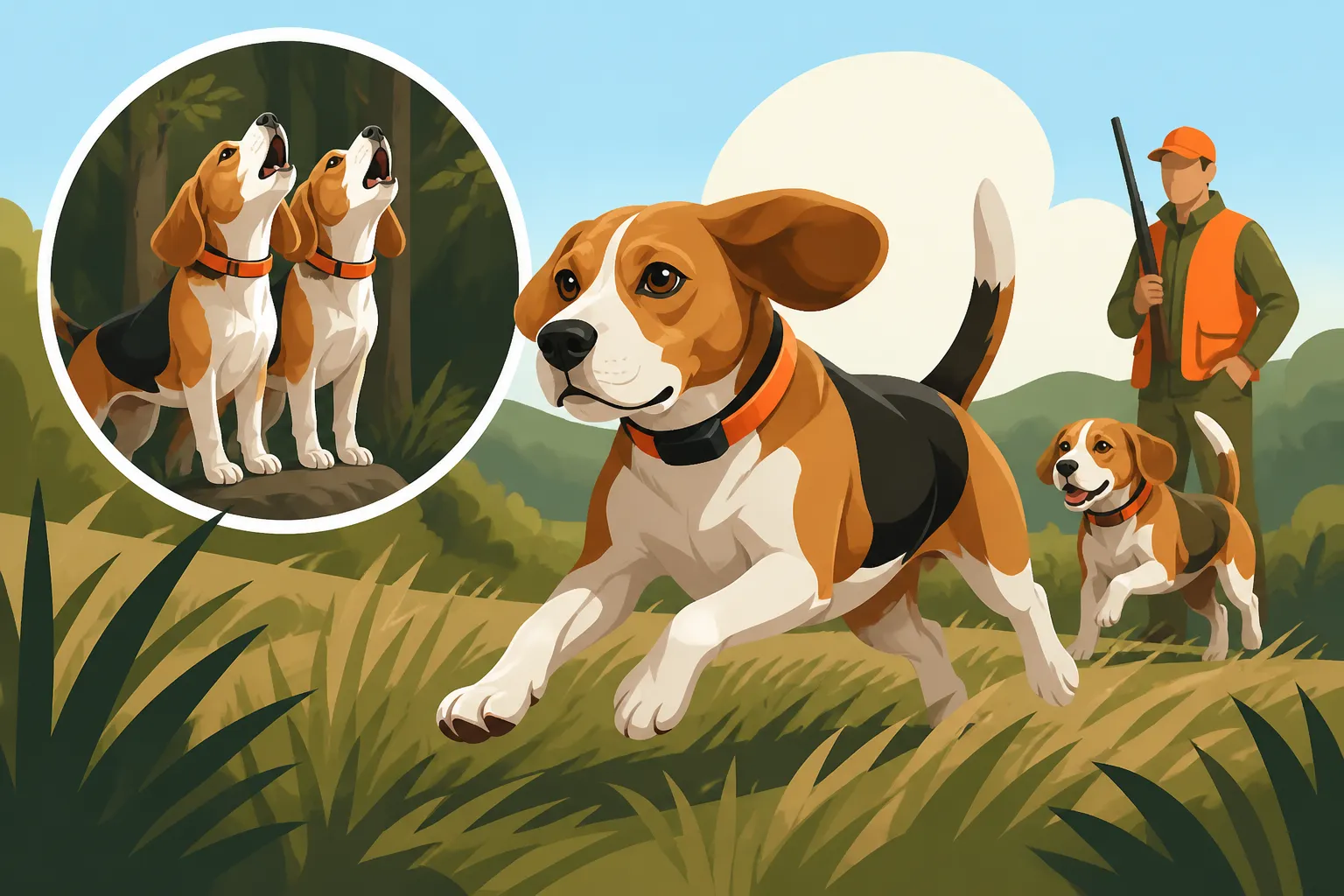
Running a Beagle in a Brace Trial
As a Beagle owner, you know that incredible nose is always working, always seeking. For many, that natural drive might lead to the casual sniff on a walk, but for others, it sparks an interest in competitive scent work – specifically, brace trials. These events are a wonderful way to honor your Beagle's heritage and give them a "job" that truly fulfills their instincts. This guide will help you understand what brace trials are all about, how to prepare your furry companions, and what to expect when you step into the field.
Understanding the Brace Trial: A Glimpse into Beagle Heritage
Running a Beagle in a brace trial is like stepping back in time to the very purpose for which these merry hounds were bred. It's an opportunity to see your Beagle's natural abilities shine in a structured, competitive environment. But what exactly does "brace trial" mean, and why is it such a revered activity among Beagle enthusiasts?
What is a Brace Trial?
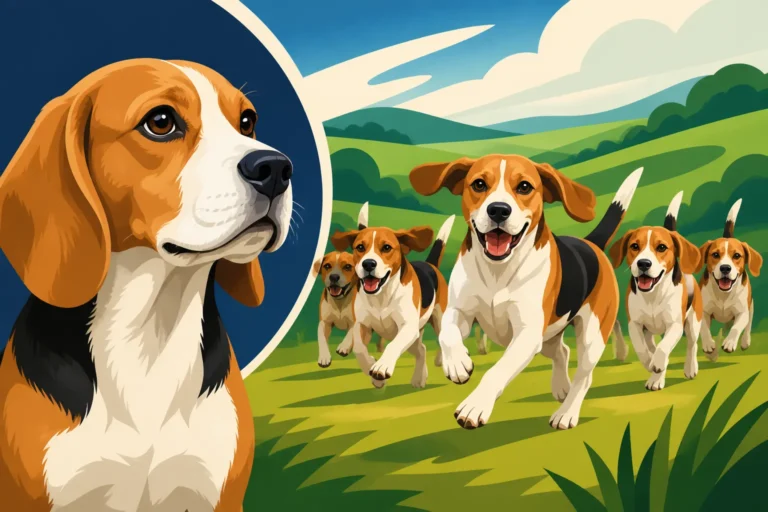
Imagine two Beagles, typically handled by one person, working together to find and track game, usually rabbits or hare, within a designated field or natural area. This is the essence of a brace trial. Unlike larger pack hunts that involve many hounds, a brace trial focuses on the teamwork, independence, and specific scenting abilities of a pair of Beagles. The dogs are judged on how well they find the scent, how accurately they follow the trail, and how they signal (often through baying) when they've located or are actively pursuing game. It's a test of nose, perseverance, and communication, both between the dogs and with their handler. Judges are looking for dogs that are keen, accurate, and demonstrate good "line work" – meaning they stick to the scent trail rather than running wild.
Historical Context: Why Brace Trials?
Beagles have been working dogs for centuries, renowned for their incredible sense of smell and their tenacity in the field. Historically, they were bred to hunt rabbits and hares, often working in packs alongside hunters on foot. If you're curious about the lineage, you might enjoy learning about The Beagle From English Rabbit Packs to American Homes. The concept of smaller trials, like brace trials, evolved from these larger pack hunts. It became a way to assess the individual quality of a Beagle and to focus on the nuanced teamwork of a smaller unit. The National Beagle Club, founded in 1887, has played a significant role in establishing the standards and traditions for these trials, including the brace format. While larger Beagle Field Trials in the Nineteenth Century were popular, brace trials allowed for a more focused evaluation of a dog's skill without the sheer numbers of a full pack. It highlights the individual contributions of each dog within the pair.
The Purpose: Assessing Instinct and Training
At its heart, a brace trial assesses a Beagle's natural hunting instinct alongside the training it has received. It's a delicate balance. A Beagle needs that innate drive to follow a scent, that unwavering focus that comes when their nose is to the ground. However, raw instinct alone isn't enough. The dogs must also demonstrate control, responding to their handler's cues even amidst the excitement of the chase. They learn to work in harmony with their bracemate, respecting each other's finds and supporting the trail. This might involve one dog casting wider while the other meticulously works a colder scent. Judges are looking for dogs that show intelligence, a strong desire to hunt, and the discipline to stay on task. It's a testament to both their genetics and the time and effort you've put into shaping their behavior.
Essential Preparation: Training Your Beagle for Success
Stepping into a brace trial requires more than just showing up with two Beagles. It demands dedication, consistent training, and a deep understanding of your dogs' natural abilities and limitations.
Building the Foundation: Obedience and Scent Work
Before you even think about competitive brace work, your Beagles need a solid foundation in basic obedience. Commands like "come," "stay," and "wait" are crucial, especially when you're in an open field with potent distractions. Remember, a Beagle's nose is incredibly powerful; they possess around The 220 Million Receptors Behind a Beagle's Nose, making them highly susceptible to any tempting scent that crosses their path. Your recall needs to be bomb-proof, or at least as close as you can get it, given the Beagle's independent nature when on a trail.
Beyond basic manners, specialized scent work training is paramount. Start by letting your Beagles explore different environments where they can practice tracking. This could be in a local park, a wooded area, or even your own backyard with scent trails you've laid. Encourage them to follow scents naturally, praising and rewarding them for sustained focus. High-value treats, perhaps some tasty soft chews from a brand like Chewy, can be incredibly motivating for a food-driven breed like the Beagle. Slowly introduce them to simulated hunting scenarios, focusing on their ability to stick to a cold trail, work through difficult terrain, and "open up" (bay) when they're hot on a scent. For more on getting them engaged, consider Using a Beagle's Food Drive as the Training Lever.
Developing Bracemate Harmony: Working as a Pair
The "brace" in brace trial means two Beagles, and their ability to work cooperatively is fundamental. This isn't just about two dogs hunting near each other; it's about a synchronized effort. Some pairs naturally click, while others need more guidance. Start by exercising them together regularly, ensuring they are comfortable in each other's presence and learn to ignore minor squabbles. During training, encourage them to follow the same scent trail, even if one finds it before the other.
A common scenario might involve one Beagle picking up a faint scent and diligently working it, while its bracemate checks in periodically, offering support without interfering. If one dog gets ahead or loses the trail, the other might pick up the slack. You'll need to observe their interactions closely, intervening only when necessary to reinforce positive cooperation. It’s about teaching them to be a team, to trust each other, and to understand that the goal is shared success. This kind of mutual respect and understanding takes time and patience to develop.
Physical Conditioning and Health: Ready for the Field
Brace trials can be physically demanding. Beagles, while sturdy, need to be in good physical condition to perform their best over extended periods, often covering significant distances in varied terrain. Regular exercise is key, not just for stamina but also for mental well-being. Look into Beagle Exercise Needs at Every Age to tailor a routine. This might include long walks, supervised runs in a safe, fenced area, or even hiking on a long line to build endurance.
Pay close attention to paw health, especially if your Beagles will be running on rough ground. Regular checks for cuts, scrapes, or cracked pads are essential. You might even consider paw balms or protective booties if the terrain is particularly harsh. A balanced diet, appropriate for an active hunting dog, is also crucial. Ensure they are at a healthy weight to prevent undue stress on their joints. Before a trial, a thorough vet check-up is always a good idea to ensure they are fit and healthy, especially if they are getting on in years. Don't forget their ears! Those long ears can trap debris and moisture, so regular cleaning is vital to prevent infections that could sideline your dog.
Navigating Trial Day: Rules, Etiquette, and Practicalities
The day of the trial can be exciting and a little nerve-wracking, but being prepared will help everything run smoothly for you and your Beagles.
Registration and Gear: What You'll Need
When you arrive at the trial grounds, the first step is typically to check in and confirm your registration. Make sure you have all necessary paperwork, including your dogs' registration details and any required health certificates or vaccination records.
As for gear, a few essentials will make your day much easier:
- Leashes and Collars: Have sturdy leashes for each dog. Many handlers use a coupler to manage both Beagles on a single lead before they are released. Make sure collars fit snugly and won't slip off. A durable harness from Chewy could also be a good option for better control, especially if your Beagles tend to pull when excited.
- Water and Bowls: Hydration is paramount, especially on a warm day. Bring plenty of fresh water and portable bowls.
- High-Value Treats: Even during a trial, rewards for good behavior (before or after a run) can be beneficial. Small, easily digestible treats are best. You can find a great selection of high-value training treats on Chewy.
- GPS Collar (Optional but Recommended): While your Beagles should be trained to stay within a reasonable distance, a GPS collar can offer incredible peace of mind, especially in large, unfamiliar fields. You can learn more about these in Beagle GPS Collars and Tracking Tags.
- Comfort Items: A crate or comfortable bedding for your Beagles to rest in between runs is important. A towel for muddy paws is also a smart addition.
- Personal Gear: Don't forget appropriate footwear for yourself (you'll be walking a lot!), weather-appropriate clothing, and a snack.
The Running Order and Judging Criteria: What Evaluators Look For
Brace trials usually follow a running order, so pay attention to when your turn is approaching. When it's time for your brace, you'll typically be directed to a starting point by the field marshal. You'll release your Beagles, and the judges will observe them intently.
Judges look for several key attributes:
- Scenting Ability: How quickly and accurately do the Beagles pick up a scent? Do they show sustained interest?
- Line Work: Do they stick to the actual trail of the game, or do they "caste" too wide, losing the line? Precision is highly valued.
- Enthusiasm and Perseverance: Do they show a strong desire to hunt? Do they keep working even when the scent is difficult?
- Baying/Voice: Beagles are known for their distinct vocalizations. When they're on a hot trail or have found game, they'll often "open up" or bay. The quality, consistency, and timing of their voice are evaluated. You might want to refer to What a Beagle Bay Actually Sounds Like to understand the nuances.
- Bracemate Cooperation: As discussed, how well do the two dogs work together as a team? Do they complement each other, or do they interfere?
- Response to Handler: While they are hunting independently, the judge also notes your ability to communicate with your dogs, especially when needed.
Each trial might have slightly different emphasis or rules, so always familiarize yourself with the specific guidelines provided by the host club.
Common Challenges and How to Handle Them
Even the most seasoned handler faces challenges during a trial. The field is full of distractions, from other animals to unfamiliar scents, and even the presence of other dogs waiting their turn.
- Losing the Scent: It happens. Game trails can be faint, and conditions like wind or recent rain can make it harder. Encourage your Beagles to "check back" with you if they seem lost, or to re-cast and try to pick up the line again. Patience is key here; don't rush them.
- Distractions: Another dog, a squirrel, or even a sudden noise can pull a Beagle off its game. Strong recall training, practiced repeatedly in distracting environments, is your best defense. Sometimes, a gentle tap on the shoulder from you and a re-direction to the task at hand is all it takes.
- Dog-on-Dog Issues: While rare in well-socialized brace partners, competition or overexcitement can lead to minor scuffles. It's crucial that your Beagles have learned to respect each other's space and work together, rather than competing aggressively for the same scent.
- Handler Errors: Yes, we make mistakes too! Misreading your dogs, giving too many commands, or accidentally interfering with their natural work can happen. Try to stay calm, observe, and trust your dogs to do what they've been trained for.
A successful brace trial is as much about your ability to adapt and support your Beagles as it is about their performance.
The Rewards of the Chase: Beyond the Competition
While ribbons and titles are a nice recognition, the true rewards of participating in brace trials extend far beyond the competition itself.
Strengthening Your Bond and Your Beagle's Confidence
There's something incredibly special about working alongside your Beagles, watching them engage in the activity they were literally born to do. Sharing these experiences, whether in training or at a trial, deepens the bond you have with your dogs. They learn to trust your guidance, and you learn to read their subtle cues – a flicker of an ear, the tilt of a nose, a slight change in gait.
Successfully navigating a challenging scent trail or achieving a good score in a trial can also do wonders for your Beagle's confidence. They thrive on having a purpose, on using their innate talents. Witnessing their joy and intense focus when they're truly "in their element" is a reward in itself. This mental and physical stimulation is vital for a breed that needs a job.
Preserving the Breed's Instincts: Honoring the Heritage
Participating in brace trials is a powerful way to honor and preserve the working heritage of the Beagle breed. It ensures that the genetic traits essential for their original purpose – that keen nose, the strong prey drive, the stamina, and the characteristic voice – continue to be valued and maintained. For more on the historical context, check out The National Beagle Club Health Recommendations. In a world where many dog breeds are increasingly bred solely for companion purposes, field trials keep the functional aspects of the breed alive. It's about recognizing that a Beagle is more than just a cute house pet; they are a sophisticated scent hound with a rich history.
Community and Sportsmanship: Connecting with Fellow Enthusiasts
Finally, brace trials introduce you to a vibrant community of passionate Beagle owners and breeders. These events are fantastic opportunities to meet like-minded individuals, share stories, swap training tips, and learn from experienced handlers. The camaraderie at these events is often as rewarding as the competition itself. You'll find a supportive environment where sportsmanship is highly valued, and everyone shares a common love for these incredible hounds. It's a chance to connect, celebrate the breed, and ensure the future of Beagling for generations to come.
Here's a quick checklist to help you organize your trial day:
| Item | Purpose | Notes |
|---|---|---|
| Dogs' Registration | Proof of entry and eligibility | Have physical or digital copies ready |
| Vaccination Records | Required by many clubs for health and safety | Ensure they are up-to-date |
| Sturdy Leashes/Coupler | Control your Beagles before and after their run | A comfortable harness from Chewy can provide better control |
| Plenty of Water | Essential for hydration, especially in warm weather | Bring a portable, collapsible bowl |
| High-Value Treats | For rewarding good behavior or focusing your dogs | Small, easily digestible treats, maybe from Chewy's selection |
| GPS Collars | For peace of mind and tracking if a dog ranges far | Test battery life beforehand |
| Crate/Comfortable Bedding | A quiet, safe space for your Beagles to rest between runs | Helps keep them calm and conserve energy |
| Towels | For cleaning muddy paws or drying off wet Beagles | Always handy! |
| Weather-Appropriate Clothing | For yourself; you'll be outside for hours in all conditions | Dress in layers |
| Snacks/Drinks for Handler | Keep your energy up throughout the day | Staying hydrated and fed helps you focus |
| Chair/Camp Stool | For comfortable waiting between runs | Essential for long days in the field |
| Trash Bags | For picking up after your dogs (and yourself) | Leave no trace! |
Disclaimer
This article is for general informational purposes only and does not constitute professional advice. Laws, prices and regulations vary by location and change over time. Consult a qualified professional for guidance on your specific situation.