Beagles Working in Conservation Scent Detection
In a world where environmental challenges are growing and vital species or invasive threats are often hidden in plain sight, traditional detection methods can fall short. It can feel like an impossible task to locate minuscule scat samples, eradicate a stealthy invasive plant, or find the last few individuals of an endangered species across vast, rugged landscapes. This guide explores the incredible work of Beagles in conservation scent detection, revealing how their legendary noses and tireless drive are becoming an indispensable tool for protecting our planet's biodiversity and fragile ecosystems.
The Unmatched Scent Prowess of the Beagle for Conservation
When we talk about Beagles, most people immediately think of their incredible sense of smell. It's not just a cute quirk; it's a finely tuned biological marvel that makes them perfectly suited for specialized scent work, especially in conservation. Unlike many other breeds, a Beagle isn't easily deterred from a scent trail once it's on one, making them incredibly effective at finding targets that humans, or even other dog breeds, might miss.
The Biological Advantage of a Beagle's Nose
A Beagle's nose isn't just a powerful sniffer; it's an intricate biological instrument. They possess an astounding number of olfactory receptors – we're talking about The 220 Million Receptors Behind a Beagle's Nose – which gives them an almost unimaginable capacity to detect and differentiate scents. Their long, floppy ears aren't just for show either; they actually help sweep scent particles up towards their nostrils, enhancing their ability to track. While our human noses are busy smelling a general "forest" smell, a Beagle's nose is dissecting every component: the faint musk of a field mouse, the delicate scent of a particular invasive plant's root, or the specific hormonal signature in a scat sample. This ability to isolate specific odors from a complex blend of environmental smells is what truly sets them apart.
Furthermore, a Beagle's brain is wired differently, dedicating a much larger proportion of its gray matter to processing olfactory information. This means they're not just detecting scents, they're truly understanding them, categorizing them, and following them with an almost singular focus. This intense absorption in scent, often perceived as "stubbornness" by pet owners when their Beagle refuses to come when called on a walk, becomes an invaluable asset in a working role. You'll notice Why a Beagle Walks With Its Nose to the Ground, allowing them to constantly analyze ground-level scent plumes, making them ideal for tracking low-lying targets.
Drive, Stamina, and Work Ethic
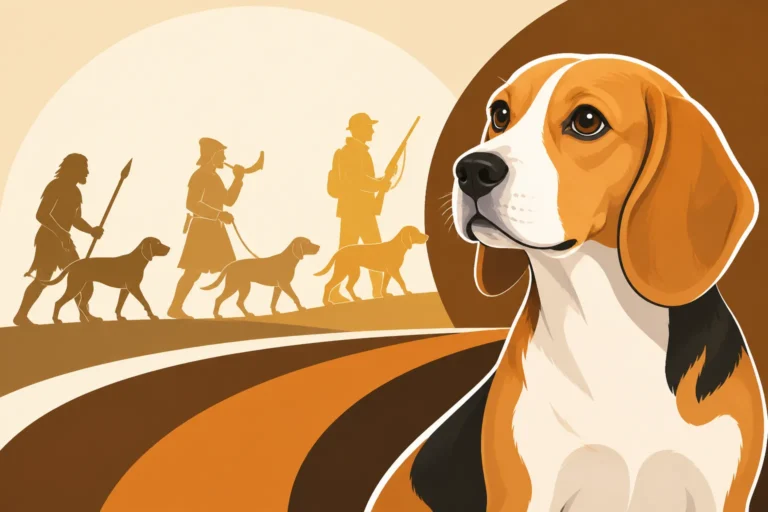
Beyond their incredible noses, Beagles bring a natural enthusiasm and stamina to their work that is hard to beat. They were originally bred for tracking game like rabbits and hare, which demanded hours of continuous, focused scent work over varied terrain. What a Beagle Was Originally Bred to Hunt instilled in them a deep-seated desire to follow a trail, coupled with the physical endurance to keep going. This isn't a breed that gives up easily once it's on a task. Their inherent prey drive, when channeled correctly through training, transforms into an unparalleled search drive.
Their seemingly endless energy, which can be a handful for some pet owners, becomes a massive benefit in conservation work. These dogs are happy to spend hours methodically quartering a field, climbing hills, or navigating dense brush, all while keeping their noses to the ground. Couple this with their notorious food motivation – The Treats a Beagle Will Work Hardest For can be a powerful motivator – and you have a dog that loves to work and is eager to please, especially when there's a tasty reward involved. This combination of genetic predisposition, physical endurance, and a robust reward drive makes them highly effective and consistent conservation partners.
Size and Manageability in Diverse Terrain
Another often-overlooked advantage of the Beagle in conservation work is their compact size. While larger breeds might struggle in dense undergrowth or require more assistance navigating tight spaces, a Beagle's smaller stature allows them to maneuver with surprising agility. They can easily weave through thick vegetation, squeeze into small crevices, or be carried over difficult obstacles without much fuss.
Their moderate weight also makes them easy for handlers to transport, whether it's hiking into a remote area, carrying them across a stream, or even lifting them into a vehicle. This practical advantage means that Beagles can access a wider range of habitats and environments, from dense forests and rocky coastlines to agricultural fields and urban environments, where their larger counterparts might be less efficient or even impractical. This blend of powerful scenting ability, tireless drive, and manageable size creates a nearly perfect package for conservation detection.
Diverse Missions: What Conservation Beagles Protect
The applications of a Beagle's exceptional nose in conservation are incredibly diverse, spanning the protection of endangered species, the eradication of invasive threats, and even combating illegal wildlife trade. Their versatility means they can be deployed in a multitude of environments and situations where human detection is either impossible or highly inefficient.
Tracking Invasive Species
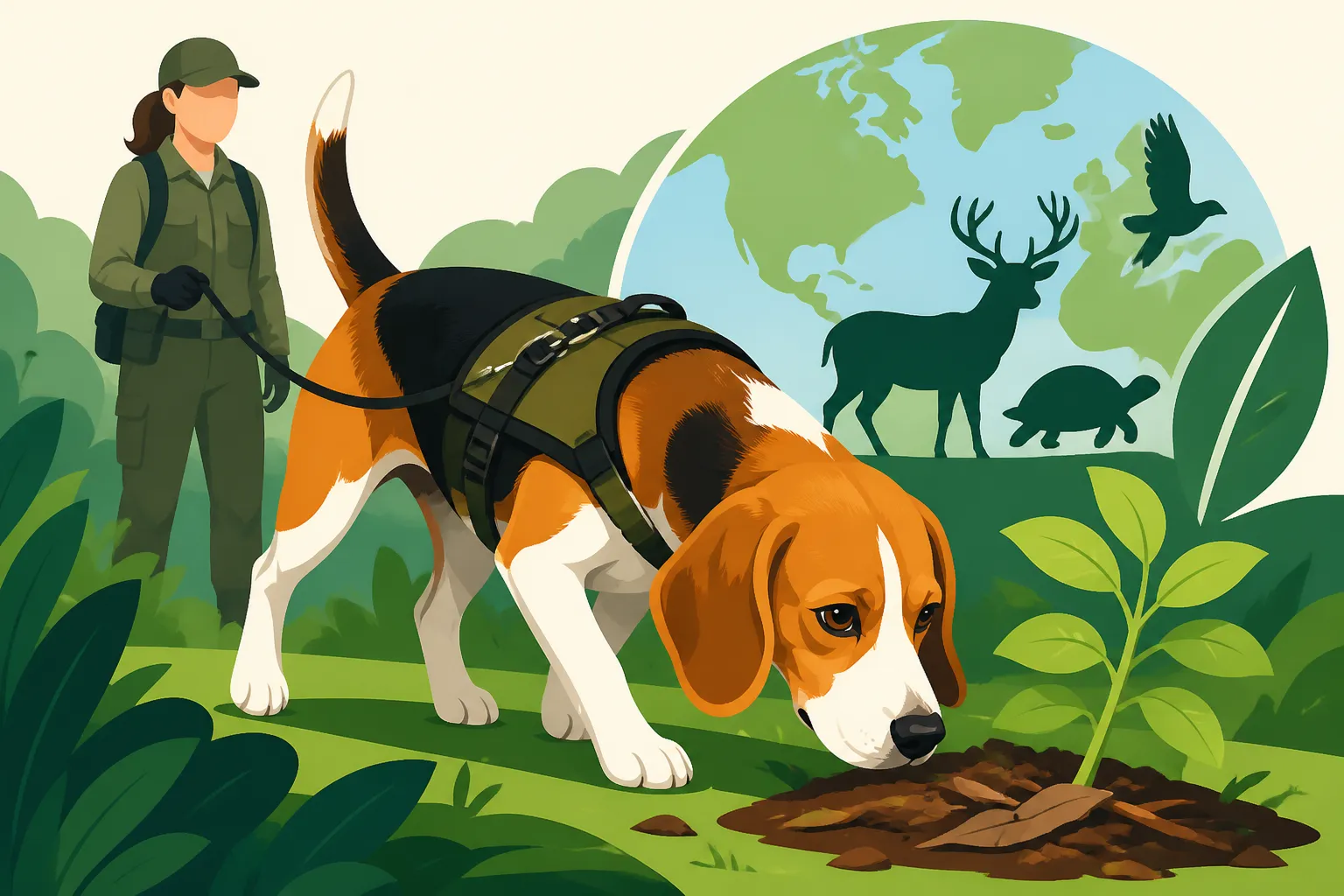
One of the most critical roles Beagles play is in the battle against invasive species. These non-native plants and animals can decimate local ecosystems, outcompeting native wildlife, altering habitats, and causing immense economic damage. Early detection and rapid response are key to managing these threats, and that's where Beagles shine. For example, Beagles have been trained to sniff out invasive plants like garlic mustard or spotted knapweed, locating nascent populations before they can spread out of control. They can identify the specific scent of these plants, even when they're small seedlings or underground, which is far more efficient than human searchers relying on visual cues alone.
They also help with invasive animal control. Imagine trying to find every last giant African land snail in a humid, tropical environment, or locating invasive brown tree snakes in vast island forests. Beagles have been deployed for just these kinds of challenges, leveraging their superior olfactory abilities to pinpoint hidden threats. Their work in this area is proactive, aiming to prevent widespread environmental damage before it becomes irreversible. Without the keen nose of a detection dog, many invasive species would simply go unnoticed until it's too late.
Locating Endangered Wildlife and Their Sign
On the flip side of invasive species, Beagles are also instrumental in protecting endangered and threatened native wildlife. However, conservationists rarely want a dog to find the endangered animal itself, as this could cause stress. Instead, Beagles are typically trained to find "sign"—the indirect evidence that an animal has been in an area, such as scat (feces), urine, or den sites. This non-invasive approach provides crucial data for scientists without disturbing the animals. For instance, Beagles might be trained to locate the scat of elusive species like jaguars, Pacific Pocket Mice, or even rare birds.
The scat itself is a treasure trove of information: DNA for population monitoring, dietary analysis, and hormone levels to assess stress or reproductive status. Collecting these samples across vast wilderness areas is incredibly challenging for humans, but a Beagle can methodically sweep an area and alert to even a tiny, weathered piece of scat. This work allows researchers to gather vital data on populations, habitat use, and health, all contributing to more effective conservation strategies. It's truly incredible how How Far a Beagle Can Actually Smell can lead researchers to a piece of scat from an animal that passed through days ago.
Detecting Illegally Trafficked Goods
Beyond ecological threats, Beagles are also on the front lines against illegal wildlife trade, which is a massive global issue contributing to the decline of many endangered species. While the Why the Beagle Brigade Picks Food-Driven Dogs is famous for finding undeclared food items at airports, many of these same principles apply to detecting illegal wildlife products. Beagles can be trained to identify the scent of ivory, rhino horn, pangolin scales, exotic bird feathers, or even live trafficked animals hidden in luggage or cargo.
This specialized detection work often occurs at ports of entry, airports, or customs checkpoints. The ability of a Beagle to work quickly and accurately through large volumes of cargo or luggage, without causing disruption, makes them indispensable. They can flag suspicious packages that human inspectors might miss, leading to seizures and disrupting poaching networks. Their cheerful demeanor often makes them less intimidating to the public compared to larger, more imposing working dogs, allowing them to work effectively in busy public spaces. You might find handlers sourcing robust training gear, durable long lines, and high-value treats from places like Chewy to keep these working dogs in peak condition and motivated.
Training a Conservation Scent Detection Beagle
Turning a naturally talented Beagle into a highly effective conservation detection dog is a rigorous process that combines their innate abilities with specialized training. It's a journey that builds on their natural instincts, refining them into precise, reliable skills.
Early Foundations and Socialization
The training journey for a conservation Beagle often begins in puppyhood, focusing on positive reinforcement and early socialization. Puppies are exposed to a wide variety of sights, sounds, and environments to build their confidence and adaptability, crucial for dogs that will work in unpredictable outdoor settings. They learn basic obedience commands, but perhaps more importantly, they learn that working with a human is a fun and rewarding experience. Early play builds a strong bond with their future handler and reinforces their natural retrieve and search drives. Engaging puzzle feeders, easily found at Chewy, can be used to mentally stimulate young Beagles and build their problem-solving skills, laying groundwork for more complex search patterns.
Crucially, handlers begin to cultivate the Beagle's innate scent drive, turning it into a focused search behavior. This isn't about teaching them to smell, which they already do marvelously, but rather teaching them what to smell for and how to communicate that they've found it. This involves using high-value rewards to reinforce curiosity and investigation of specific target odors. A well-socialized Beagle is a calm and confident Beagle, essential for working in environments that might include other people, loud noises, or unfamiliar animals.
Specific Scent Imprinting and Proofing
Once a Beagle has a solid foundation, specialized scent imprinting begins. This involves introducing them to the exact target odor they will be searching for, whether it's a specific plant, animal scat, or a particular illegal wildlife product. The odor is presented in a highly rewarding context, often paired with food or a favorite toy, so the dog develops a strong positive association with it. The key is to teach the Beagle to only alert to the target odor and ignore all other environmental smells. This "proofing" process is critical and rigorous, as it involves exposing the dog to the target odor in increasingly complex and distracting environments.
Imagine trying to find the faint scent of a rare frog in a swamp full of other animal smells, decaying leaves, and standing water. This requires countless repetitions, working in varied weather conditions, different types of terrain, and with increasing levels of distraction. Handlers will slowly introduce similar-smelling "distractor" odors to ensure the Beagle can differentiate with pinpoint accuracy. This precise differentiation is paramount to avoid false alerts, which can waste valuable time and resources in conservation efforts. Techniques like Impulse Control Exercises That Suit a Beagle are often incorporated to ensure the dog focuses on the task at hand, even when its instincts might pull it towards other interesting scents.
Handler Training and Field Protocols
It's not just the Beagle that undergoes extensive training; the human handler is equally vital. Handlers must learn to "read" their dog's subtle body language, recognizing the precise moment the Beagle indicates it has found the target odor. This might be a slight head turn, a change in breathing, or a focused stare. Clear communication and a deep understanding of canine behavior are essential. Handlers also learn structured search patterns to ensure thorough coverage of an area, how to record data accurately, and how to navigate challenging terrain safely.
There are strict field protocols to follow, including how to safely collect samples, avoid disturbing wildlife, and maintain the integrity of a search area. The partnership between dog and handler is a true team effort, built on trust, respect, and countless hours of practice. Essential gear like proper harnesses, long lines, and even specialized vests for the Beagles are often sourced from reliable pet supply retailers like Chewy to ensure comfort and safety during long days in the field. Handlers also learn to perform regular Tick Checks After Every Beagle Outing to protect their canine partners.
The Impact and Future of Conservation Beagles
The work of conservation Beagles is having a tangible impact on environmental protection efforts worldwide. Their unique blend of scenting power, drive, and compact size offers solutions to problems that were once deemed insurmountable, paving the way for new possibilities in safeguarding our planet.
Overcoming Environmental Challenges
Beagles are helping conservationists tackle some of the most persistent environmental challenges. Their ability to locate cryptic, hidden, or rare targets means that researchers can gather data more efficiently, respond to threats more quickly, and implement conservation strategies with greater precision. For instance, finding a single invasive beetle before it establishes a breeding population can save countless native trees. Discovering the last few scat samples of an endangered carnivore can provide the genetic blueprint needed for a captive breeding program. The meticulous nature of their search work is unparalleled; Sniffing Walks and Why They Tire a Beagle Out demonstrate how intensely they process their environment, making them incredibly thorough.
In many cases, Beagles provide the only feasible method for obtaining critical information. Deploying drones or remote cameras might not pick up on the specific nuances of a scent trail, and human eyes simply aren't equipped for the subtle cues a Beagle's nose can detect. Their integration into conservation teams represents a significant leap forward in our ability to understand and protect fragile ecosystems and the species that inhabit them. The efforts of organizations using conservation Beagles are proving that these small hounds can make a huge difference in the grand scheme of global biodiversity.
The Rewarding Partnership of Handler and Hound
Beyond the scientific and environmental impact, there's a profound and rewarding partnership at the heart of conservation scent detection: the bond between the Beagle and its handler. These dogs aren't just tools; they are beloved partners who share a common mission. Handlers dedicate years to training, caring for, and working alongside their Beagles, forming an unbreakable bond built on shared purpose and mutual respect. The joy a Beagle displays when it successfully finds a target, knowing it has pleased its handler and earned its reward, is infectious.
For the handlers, working with these dogs is often a passion project, a deeply meaningful way to contribute to conservation. They see firsthand the unique personality and intelligence of their Beagles, understanding their individual quirks and strengths. This symbiotic relationship ensures that the dogs are not just performing a task, but are genuinely engaged and thriving in their work, often eager for the next search. Living Day to Day With an Epileptic Beagle or other health challenges can add another layer of dedication, but the bond remains strong, highlighting the commitment of these teams. This partnership is what makes these programs not only effective but also incredibly inspiring.
Expanding Roles and Recognition
The success of Beagles in conservation scent detection has led to their roles expanding and gaining greater recognition worldwide. What began as a specialized niche is becoming a widely accepted and sought-after method for data collection and threat mitigation. More and more conservation organizations are exploring how to integrate scent detection dogs into their programs, recognizing the efficiency and accuracy they bring. New training protocols are constantly being developed, allowing Beagles to target an even wider array of scents, from specific fungal diseases affecting trees to pollutants in water sources.
The sight of a Beagle meticulously working a scent trail, often in remote and beautiful natural settings, is a powerful image that helps raise public awareness about conservation issues. These dogs become ambassadors for the cause, showing people how animals can actively contribute to protecting their own kind and the environment. As technology advances, so too will our understanding of canine olfaction, opening even more doors for these incredible working Beagles. Their future in conservation looks bright, and they continue to prove that even the smallest hounds can have the biggest impact when given a job they were born to do.
Disclaimer
This article is for general informational purposes only and does not constitute professional advice. Laws, prices and regulations vary by location and change over time. Consult a qualified professional for guidance on your specific situation.