Beagles Trained to Detect Bed Bugs
There are few household nightmares quite as unsettling as discovering you have bed bugs. The sheer thought of these tiny, nocturnal pests sharing your bed, leaving itchy bites, and being notoriously difficult to find and eliminate can send shivers down anyone's spine. Traditional inspections can be hit or miss, relying on visible signs that often only appear once an infestation is well-established. But what if there was a furry, four-legged hero with an unparalleled sense of smell ready to sniff out these unwelcome guests? This guide explores the incredible world of Beagles trained specifically to detect bed bugs, offering a surprisingly effective solution to a pervasive problem.
The Incredible Nose Behind the Bed Bug Beagle
When we talk about a Beagle's nose, we're not just talking about a cute wet button at the end of a furry face. We're talking about a highly evolved, biological super-sensor. Beagles were quite literally bred for centuries to follow a scent trail relentlessly, often for miles, ignoring all other distractions. This innate drive and physical prowess make them uniquely suited for detecting even the faintest odors, including those emitted by bed bugs.
The Science of Scent Detection in Canines
A dog's sense of smell is, simply put, astonishing. Compared to the roughly 5 million olfactory receptors humans possess, a Beagle boasts an incredible 220 million scent receptors. This massive difference isn't just about quantity; it's about processing power. A Beagle's brain dedicates a much larger proportion of its gray matter to interpreting scents. They can literally pick apart a complex odor signature into its individual components, distinguishing one tiny smell from a cacophony of others. Think of it like a human being able to see a single tree in a dense forest, while a Beagle can identify every single leaf on that tree.
When it comes to bed bugs, this means detecting not just the live bugs themselves, but also their eggs, nymphs, and even their waste products, which all have distinct scent profiles. A human inspector might spend hours looking for visual evidence, often missing the microscopic eggs hidden deep within crevices or the bugs themselves tucked away in undisturbed corners. A Beagle, however, can sweep a room, process thousands of different smells, and pinpoint the specific odor of a bed bug with remarkable precision. This is why you often hear the phrase Why a Beagle Nose Beats Ours Ten Thousand Times Over; it's not an exaggeration, it's a physiological fact. Their ability to concentrate on a single target odor, even amidst countless environmental smells, is truly phenomenal.
Why Beagles Excel at Pinpointing Pests
Beyond their sheer olfactory power, Beagles possess a suite of characteristics that make them ideal candidates for bed bug detection work. Their compact size allows them to easily navigate tight spaces, squeeze under furniture, and examine intricate areas like electrical outlets or baseboards without causing disruption. A large, boisterous dog might be intimidating or impractical in a client's home, but a friendly, focused Beagle often puts people at ease.
Furthermore, Beagles have a naturally high food drive, which is a significant advantage in training. For them, scent detection becomes a rewarding game. They're not "working" in the human sense; they're playing a sophisticated game of "hide and seek" with a very specific prize. This intense motivation means they are eager to perform and maintain focus. Their friendly demeanor also means they typically respond well to various environments and people, a crucial trait for a dog that will be entering many different homes and businesses. It's a prime example of Using a Beagle's Food Drive as the Training Lever to harness their natural abilities for a specific purpose. Their unwavering determination to follow a scent, which can sometimes be perceived as "stubbornness" in a pet Beagle that's found an interesting outdoor trail, transforms into an invaluable asset when the target is a hidden pest.
Training a Beagle for Bed Bug Duty
You can't just unleash any Beagle into a room and expect it to find bed bugs. These dogs undergo rigorous, highly specialized training to become expert detectors. It's a complex process that hones their natural abilities into a finely tuned, professional skill.
Early Training and Foundation Skills
The journey for a bed bug detection Beagle often begins in puppyhood. Trainers look for specific traits: a strong play drive, high food motivation, a calm temperament, and an intense interest in scent. Puppies are exposed to various environments, sounds, and people to ensure they are well-socialized and unflappable in different situations. Basic obedience is fundamental, ensuring the dog is responsive to its handler and can work efficiently in a controlled manner. This includes cues like "sit," "stay," and "come," which are crucial for managing the dog during an inspection.
Once a solid foundation is established, the real fun begins: scent work. Initially, puppies are introduced to generalized scent games, learning to associate finding a hidden odor with a positive reward. This might involve simple hide-and-seek games with their favorite toys or treats. Gradually, this focus narrows. They learn that searching for a specific scent is the ultimate goal, and that finding it brings the highest reward. This builds on their natural inclination for Scent Work as the Job a Beagle Was Built For, channeling their inherent hunting instincts into a structured, beneficial activity. Early exposure to different types of "hides" in various locations also helps them generalize their searching skills, preparing them for the diverse environments they'll encounter in the field.
Scent Discrimination and Target Odor Recognition
This is where the training gets very specific. Beagles are taught to identify the unique scent profile of live bed bugs. This includes adults, nymphs, and, critically, viable bed bug eggs. Trainers use carefully prepared samples of live bed bugs in controlled environments. The dog learns to discriminate this specific odor from all other background smells – everything from laundry detergent and perfume to other insects and household dust. The training is a sophisticated process of association: smell bed bug, find bed bug, get reward. The reward is almost always a high-value treat or a favorite toy, reinforcing the positive connection.
The challenge lies in teaching the dog to ignore all the other intriguing smells present in a home. How a Beagle Sorts One Scent Out of Fifty is a testament to their trainers' skill and the dog's innate talent. They are exposed to "distractor" scents – common household items, other pests like cockroaches or ants, and various cleaning products – and are only rewarded when they identify the bed bug scent. This meticulous discrimination training ensures that when they indicate a find, it's truly a bed bug they've smelled, not just something that resembles it or another pest altogether. Consistency and repetition are key throughout this phase, building an unbreakable link between the target odor and the desired "alert" behavior.
The "Alert" – How a Bed Bug Beagle Communicates a Find
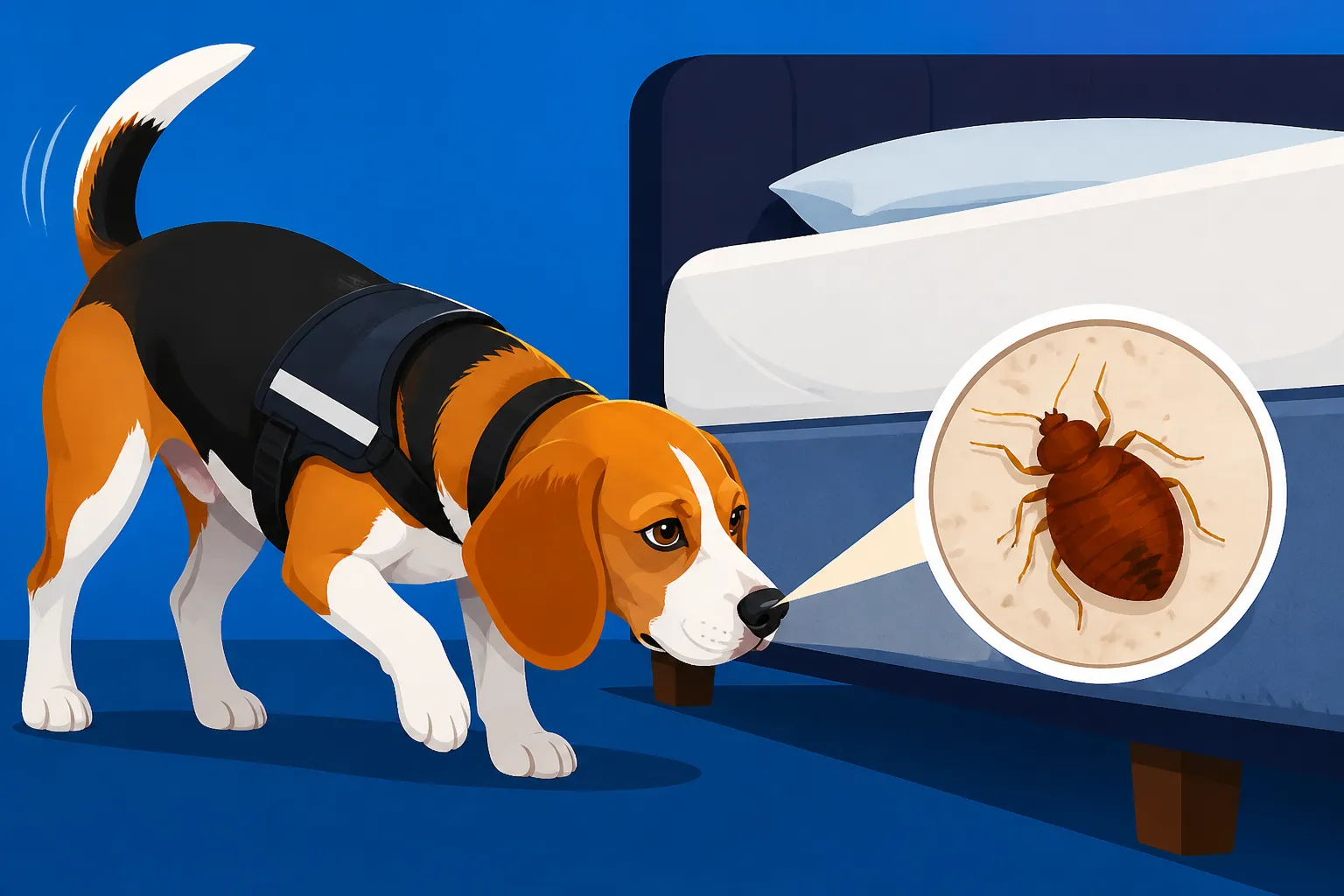
Once a Beagle detects the target odor, it needs a clear way to communicate this to its handler. This is called an "alert." Unlike a hunting dog that might bay or dig, a bed bug Beagle's alert is usually subtle and precise to avoid damaging property or scaring clients. Common alerts include freezing and staring intently at the source of the scent, pointing with their nose, or sitting and pawing gently. The specific type of alert is trained consistently so the handler knows exactly what the dog is communicating.
For example, a Beagle might be trained to sit directly over the detected scent, or to gently tap its nose against the spot. This non-destructive alert system means that furniture, walls, and carpets remain undisturbed, which is important for the client's peace of mind and property. The handler then visually confirms the presence of the bed bugs, often using tools like a flashlight and magnifying glass, but the dog's nose has done the critical work of pinpointing the exact location. This clear communication system is vital for the effectiveness of the entire inspection process, allowing for targeted treatment rather than broad, less effective approaches.
What to Expect from a Bed Bug Beagle Inspection
Hiring a K9 bed bug detection team isn't like a regular pest control visit. It's a specialized service that offers distinct advantages, but also requires a clear understanding of the process and what makes these canine inspectors so valuable.
The Inspection Process
When a bed bug detection Beagle team arrives, the handler will first brief you on the process. They'll likely ask about any previous issues, recent travel, or concerns you might have. Then, they'll usually ask you to leave the immediate area that the dog is working in, as human presence can sometimes distract the dog or interfere with its focus. The handler will then guide the Beagle through the suspected areas – bedrooms, living rooms, and any other spaces where bed bugs might hide. The dog works systematically, sniffing along baseboards, around furniture, under mattresses, and in any cracks or crevices.
The Beagle's pace is surprisingly fast. Because they are relying on scent, they don't need to visually inspect every inch of a room. Their nose does the heavy lifting, allowing them to cover a large area much more quickly and thoroughly than a human inspector. The handler pays close attention to the dog's body language, looking for subtle changes that indicate the dog is "working" a scent, leading up to the final alert. This quick, efficient process means minimal disruption to your home or business, and because Beagles are often such friendly and engaging dogs, many people find the experience far less stressful than a purely human inspection.
Accuracy and Limitations
Bed bug Beagles, when properly trained and certified, boast an incredibly high accuracy rate – often reported to be in the high 90s. This far surpasses the accuracy of human visual inspections, especially in the early stages of an infestation when bugs are few and far between. A Beagle can detect a single bed bug or even a cluster of eggs that would be invisible to the naked eye.
However, it's crucial to understand their limitations. Beagles detect scent. They can't tell you how many bugs are present, or whether they are alive or dead. A dog might alert to a location where bed bugs were present but have since been eradicated, or where a dead bug (or even just its shedding) leaves behind a scent. Therefore, a K9 alert should always be followed by a human visual inspection to confirm the presence of live bed bugs. This is known as "target verification." The dog guides the human to the precise spot, and the human provides the confirmation. While very accurate, no method is 100% foolproof, and factors like recent cleaning, strong odors, or even a dog having an "off day" can sometimes affect performance. Reputable K9 handlers understand this and will discuss these nuances with you.
Benefits Over Traditional Inspection Methods
The advantages of using a trained Beagle for bed bug detection are clear. Firstly, speed and efficiency. A Beagle can typically inspect a room or even an entire apartment in minutes, whereas a thorough human visual inspection can take hours per room. This saves time and minimizes disruption, which is especially valuable in commercial settings like hotels or apartment complexes.
Secondly, early detection. Beagles can sniff out an infestation long before a human inspector would find any visible signs. This allows for much earlier intervention, which is critical for preventing the spread of bed bugs and making treatment far easier and less costly. Imagine catching a tiny cluster of eggs before they hatch and spread throughout your home – that's the power of the Beagle's nose. For anyone worried about a nascent problem, this precision is invaluable.
Thirdly, targeted treatment. By pinpointing the exact locations of bed bugs, K9 detection allows for highly targeted treatments. Instead of blanket spraying an entire room, which can be inefficient and costly, pest control can focus their efforts precisely where the bugs are hiding. This often leads to more effective eradication and can sometimes reduce the amount of pesticides needed. This specialized service stands as a strong alternative to the often time-consuming and less precise methods of Beagle Health Testing Under CHIC or general veterinary diagnostics, offering a focused approach to a very specific problem.
| Feature | Traditional Human Inspection | K9 Beagle Inspection |
|---|---|---|
| Detection Method | Visual search for bugs, eggs, fecal stains | Olfactory detection of bed bug scent |
| Speed | Slow (hours per room) | Fast (minutes per room) |
| Accuracy | Lower, especially in early stages or hidden spots | High (often 90%+, particularly for live bugs/eggs) |
| Detection of Eggs | Very difficult, often missed | Highly effective |
| Detection of Live Bugs | Requires visible evidence | Detects scent even if hidden from sight |
| Disruption | Can involve moving furniture, dismantling beds | Minimal to none, dog navigates existing layout |
| Confirmation Required | Visual confirmation is the primary method | Visual confirmation by handler needed after dog's alert |
| Cost | Varies, but can be high for thorough, repeated inspections | Often higher initial cost, but can save money in targeted treatment |
| Best For | Confirming visible infestations | Early detection, confirming eradication, pinpointing source |
Integrating a Beagle into Pest Management
Bed bug detection Beagles are a fantastic tool, but they are most effective when integrated into a comprehensive pest management strategy. They don't replace the need for professional pest control, but rather enhance its precision and success rate.
Hiring a Certified Bed Bug Dog Team
If you're considering a K9 inspection, it's vital to choose a reputable and certified team. Look for handlers and dogs certified by organizations like the National Entomology Scent Detection Canine Association (NESDCA) or similar professional bodies. These certifications ensure that the dog and handler have undergone rigorous training and regular re-certification to maintain high standards of accuracy and proficiency. Ask for references and inquire about their training protocols, including the use of live bed bug samples.
A certified team will also have clear protocols for how they handle a "find," including the crucial step of human verification. Don't be shy about asking questions regarding their experience, how long the dog has been working, and what their success rates are. A professional outfit will be transparent and happy to educate you on their process. When looking for products or supplies for your own dog, you might turn to online retailers like Chewy for dog food or toys, but for bed bug detection, always seek out specialized, certified K9 services.
Cost Versus Value
The cost of a K9 bed bug inspection can sometimes be higher than a basic human visual inspection. However, it's important to view this as an investment in accuracy and efficiency. Early and precise detection can prevent a minor problem from becoming a major, expensive infestation. By pinpointing exactly where the bed bugs are, you avoid unnecessary and costly treatments in unaffected areas. This can save money in the long run on repeat treatments, chemical costs, and potential damage to property from broad application methods.
Consider the value: a Beagle can confidently clear an area, giving you peace of mind, or precisely identify the problem area, leading to swift, targeted eradication. This can be particularly valuable for multi-unit dwellings or businesses, where a quick and accurate assessment is paramount to preventing wider spread and minimizing operational disruption. Think of it like investing in a specialized tool for a particular job – the initial outlay might be more, but the precision and effectiveness often make it the most economical choice overall. You wouldn't use a cheap, dull knife for intricate carving, and similarly, you might find that the superior detection capabilities of a Beagle justify the premium cost. Just as you might source quality supplies for your pet from Chewy, investing in a professional K9 bed bug detection service means investing in quality and effectiveness.
Post-Inspection Steps
Once the Beagle has completed its inspection and given its alerts, the handler will discuss their findings with you. If the dog has alerted to specific areas, the handler will then perform the visual confirmation. If live bed bugs or viable eggs are confirmed, the next step is usually to contact a professional pest control company for treatment. The K9 team will provide a detailed report outlining the areas of concern. This report is invaluable for the pest control company, as it tells them exactly where to focus their efforts, leading to a much more efficient and effective treatment plan.
Sometimes, a K9 inspection is used after a pest control treatment to confirm that all bed bugs have been successfully eradicated. This "clearance" inspection offers crucial peace of mind, ensuring that no lingering bugs are hiding, ready to restart the infestation. Knowing that your home is genuinely clear of bed bugs is priceless, and a trained Beagle can provide that assurance. For those curious about the specifics of dog care, topics such as Senior Beagle Care After the Age of Ten or Beagle Dental Disease and Tartar Buildup are important for any Beagle owner, but the specialized nature of these detection dogs means their health and training are continuously maintained for peak performance in their crucial role.
Disclaimer
This article is for general informational purposes only and does not constitute professional advice. Laws, prices and regulations vary by location and change over time. Consult a qualified professional for guidance on your specific situation.