Beagles Working Seaports and Cargo Facilities
The bustling environment of seaports and cargo facilities presents a unique challenge: how do you efficiently screen countless shipments, containers, and passengers' belongings for prohibited items without causing massive delays? It's a daunting task that human eyes and even advanced machinery can't always manage. Thankfully, a very special kind of K9 officer, the Beagle, steps in to fill this critical gap, using their extraordinary sense of smell to keep our borders safe and our ecosystems protected.
Why Beagles Excel in Seaport and Cargo Detection
When you picture a working dog, you might envision a large, imposing German Shepherd or Belgian Malinois. While those breeds excel in many roles, Beagles bring a totally different, yet equally effective, skillset to the complex world of customs and border protection, particularly in environments where a more gentle approach is required. Their unique attributes make them perfectly suited for the intricate dance of sniffing out contraband amidst mountains of legitimate cargo.
The Unmatched Beagle Nose and Scent Discrimination
Let's talk about that incredible nose. A Beagle's olfactory system is a marvel of nature, boasting an estimated 220 million scent receptors, which is light years beyond our own humble 5 million. This isn't just about detecting a smell; it's about discriminating between a multitude of scents and pinpointing the exact one they've been trained to find, even when it's deeply hidden or masked by other odors.
Imagine a shipping container filled with electronics, clothing, and various plastics. To our noses, it just smells like "new stuff" or maybe even nothing at all. But to a Beagle, it's a symphony of distinct smells. They can filter out the overwhelming majority of benign scents and home in on the subtle, often faint, aroma of a forbidden fruit, an illegal plant, or even undeclared cash. Their ability to track a specific scent trail, even when it's old or diffused, is precisely How Far a Beagle Can Actually Smell. This allows them to methodically work through vast areas, quickly and accurately flagging items that would otherwise go undetected. It's truly a testament to The 220 Million Receptors Behind a Beagle's Nose and the sheer power of their primary sense.
Their Non-Intimidating Demeanor in Busy Environments
One of the less obvious but hugely beneficial traits of a Beagle in a public or semi-public setting like a seaport is their appearance. They're not large, intimidating dogs. In fact, most people find them quite friendly and approachable. This is crucial when working around passengers, dock workers, and other personnel who might feel anxious around a larger, more imposing breed.
A Beagle can weave through crowds, sniff around luggage carousels, or investigate packages on a loading dock without causing alarm or fear. Their merry, tail-wagging demeanor disarms people, making the detection process smoother and less stressful for everyone involved. This friendly face helps maintain a low-stress environment, which is not only good for public relations but also for the dog's focus and effectiveness. A Beagle is less likely to be perceived as a threat, allowing them to do their job without drawing undue attention or causing unnecessary worry.
The Food Drive That Fuels Their Focus
If you've ever owned a Beagle, you know they are, shall we say, highly motivated by food. This isn't a flaw; it's a feature when it comes to scent detection work! Their insatiable appetite makes them incredibly trainable and keeps them engaged even during long shifts. For a Beagle, finding the target scent isn't just about doing a good job; it's about earning that delicious reward.
Trainers leverage this powerful food drive to create a strong association between the target scent and a high-value treat. Every successful sniff, every alert, is met with immediate positive reinforcement, often a small, tasty morsel. This constant positive feedback keeps them eager, focused, and willing to work through repetitive tasks or challenging environments. It's a huge reason why agencies like the USDA's Beagle Brigade specifically chose this breed, because Why the Beagle Brigade Picked Food-Driven Dogs is a crucial part of their success. You can find many suitable training treats, often in bulk, from places like Chewy, ensuring a continuous supply for these dedicated workers.
What Beagles Are Sniffing Out in Cargo Facilities
The types of contraband Beagles are trained to detect are incredibly diverse, reflecting the vast array of threats that can enter a country through its various ports. From agricultural pests to illegal wildlife products, Beagles are on the front lines, acting as living, breathing biological detectors safeguarding our health, economy, and environment.
Contraband Agriculture and Wildlife Products
This is perhaps one of the most well-known roles for Beagles in detection work, particularly for agencies like the USDA's Animal and Plant Health Inspection Service (APHIS). They are the stars of The USDA Beagle Brigade at the Airport, and their role extends to seaports and cargo facilities with equal importance. Fresh fruits, vegetables, meats, and plant materials might seem harmless, but they can carry devastating pests and diseases that could cripple agricultural industries, wipe out native plant species, or even pose public health risks. A single infected orange or a piece of undeclared jerky could introduce a foreign pathogen with catastrophic consequences.
Beagles are trained to detect these specific organic scents. They'll alert to an apple hidden in a carry-on, a bag of raw seeds taped under a car seat, or even a box of exotic flowers in a cargo shipment. Beyond agriculture, they're also crucial in detecting illegal wildlife products, such as ivory, pangolin scales, or protected animal parts, which contribute to the global illegal wildlife trade and threaten endangered species. Their ability to distinguish these scents means they are literally protecting the biodiversity and economic stability of entire nations, one sniff at a time. It’s truly amazing Why a Beagle Walks With Its Nose to the Ground and how much critical information they gather simply by doing so.
Currency and Illicit Substances
While their primary focus might often be on agriculture, Beagles can also be trained to detect other forms of contraband, including large amounts of undeclared currency or illicit substances. Drug traffickers and money launderers constantly try to smuggle their goods through various entry points, often using sophisticated methods to mask the scents. However, a Beagle's nose is not easily fooled.
The distinct odors associated with certain illicit drugs, or even the breakdown products of currency, can be picked up by a highly trained Beagle. They'll work their way through stacked pallets of freight, passenger luggage, or even vehicle interiors, giving a clear alert when they find something suspicious. This capability adds another layer of security, helping law enforcement agencies combat organized crime and prevent dangerous substances from reaching communities. This is often where What a Beagle Experiences on a Scent Trail truly comes into play, as they follow even faint traces to the source.
Searching High-Volume Shipments and Luggage
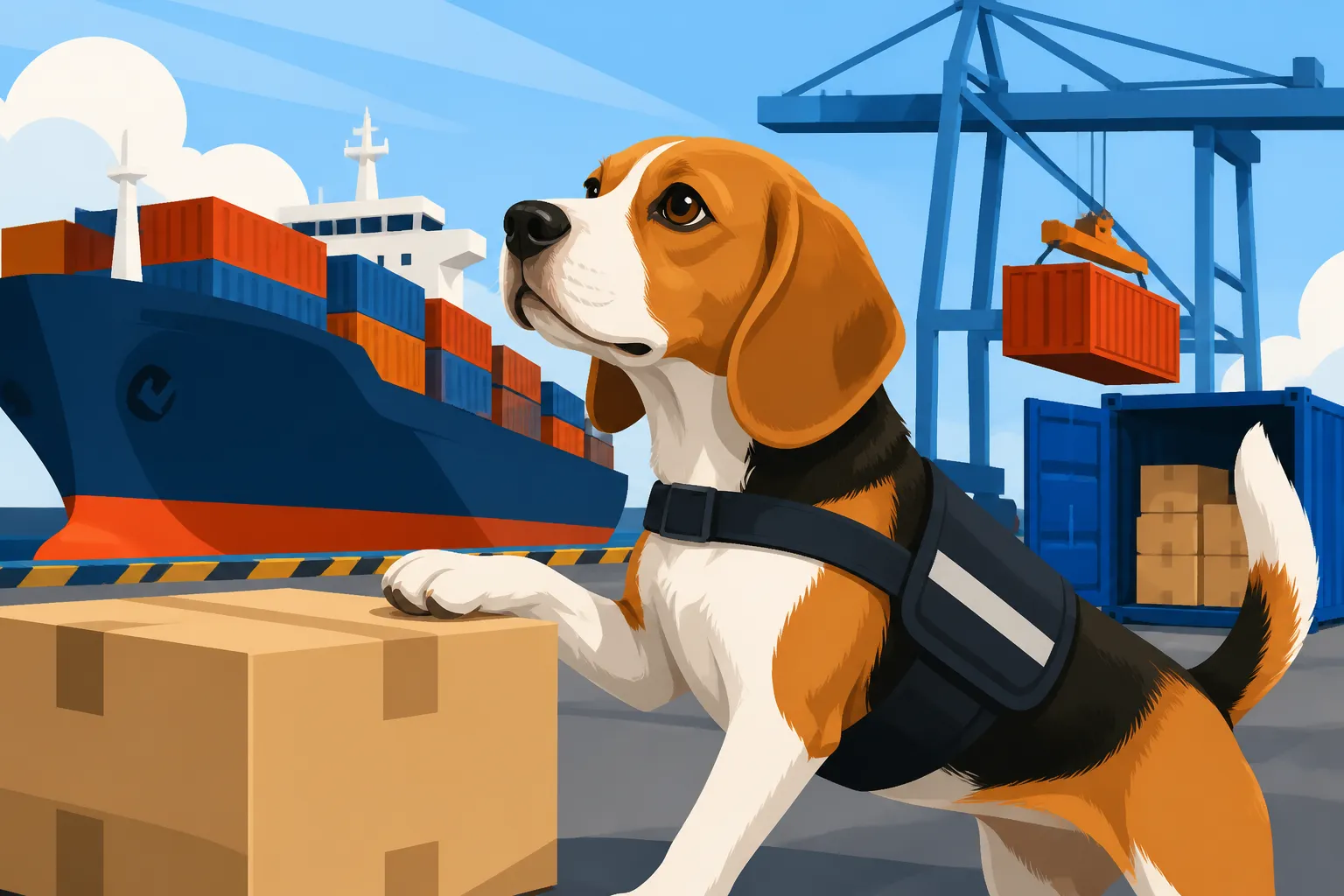
The sheer volume of goods and personal effects moving through a major seaport or cargo hub daily is staggering. Manually inspecting every single item is simply impossible. This is where the efficiency of the Beagle shines. Instead of physically opening every box or bag, a Beagle can quickly move along rows of freight, sniff entire pallets, or check a long line of suitcases.
A quick pass from a Beagle can clear an entire section, or just as effectively, highlight the single item that needs further inspection. This dramatically speeds up the screening process while maintaining a high level of vigilance. Consider a container ship arriving with hundreds of thousands of individual items. Without a K9 team, the effort to screen even a fraction of those items would be immense. With Beagles, the process becomes significantly more manageable and targeted, allowing human inspectors to focus their resources where they're most needed. Their work helps to ensure efficient trade while mitigating risks.
The Training and Life of a Working Beagle
Becoming a detection Beagle isn't something they're born knowing how to do; it requires extensive, specialized training. These dogs dedicate their lives to their important work, but they also have fulfilling lives beyond the job, often enjoying a well-deserved retirement after years of service.
Intensive Scent Training from a Young Age
The journey of a detection Beagle often begins when they are still puppies. They are typically sourced from breeders who focus on health, temperament, and strong prey/food drive, or sometimes even from shelters if they exhibit the right predispositions. Early training focuses on developing their natural instincts and shaping them into precise detection behaviors. They learn to associate specific target odors with positive reinforcement.
This isn't about teaching them to "find drugs" or "find fruit" in an abstract sense. It's about building a very strong, positive connection between a specific scent and a reward. Trainers might start with very small quantities of a scent, hidden in easily accessible places, and gradually increase the difficulty, placing the scent in more complex environments or masking it with other smells. High-Value Food and How Fast a Beagle Learns is a huge advantage here, as they are incredibly eager to work for their favorite treats. The training involves countless repetitions, carefully managed by skilled handlers, to ensure consistency and accuracy. Every successful find is celebrated, reinforcing the desired behavior and building their confidence. Many Beagles destined for this work undergo training at specialized centers, honing their skills over months.
Daily Routines and Continued Reinforcement
A detection Beagle's work is not just a one-off task; it's a daily routine that requires constant practice and maintenance. Just like any highly skilled professional, they need to keep their skills sharp. Their days at a seaport or cargo facility typically involve working various shifts, searching different types of shipments, and interacting with a changing cast of people and smells.
Their handlers are their constant companions, partners, and motivators. The bond between a Beagle and its handler is crucial for successful work. Handlers learn to read their dog's subtle cues, recognizing when they've found a scent versus when they're just investigating something interesting. Beyond their "on-duty" hours, these Beagles still engage in daily training exercises and drills to ensure their scent detection abilities remain top-notch. Their diet is carefully managed to maintain optimal health and weight, often with high-quality kibble available through retailers like Chewy, ensuring they have the energy for their demanding job. The Daily Calorie Target for a Twenty Pound Beagle is often a key consideration for their handlers, to prevent obesity which can impact their ability to work effectively. Using Treats Small Enough for a Hundred Beagle Repetitions helps keep them lean during training.
Here's a look at some key aspects of a working Beagle's life:
| Aspect | Description |
|---|---|
| Early Training | Puppies typically begin exposure to target odors, often through play-based methods. Emphasis on positive reinforcement and building a strong "find it, get reward" association. |
| Handler Bonding | Intense training periods foster a deep bond between the Beagle and its future handler. This trust and communication are vital for effective fieldwork. |
| Working Environment | Beagles learn to work in noisy, high-traffic areas like warehouses, loading docks, and passenger terminals. They must filter out distractions and maintain focus. |
| Daily Workload | Shifts vary, but typically involve periods of active searching interspersed with rest breaks. Beagles might inspect hundreds of packages or dozens of containers in a single shift. |
| Diet & Health | Carefully portioned, high-quality food (often from reputable sources like Chewy) to maintain ideal weight and energy. Regular vet check-ups are essential to ensure their health for demanding work. |
| Continuous Learning | Even after certification, Beagles and their handlers engage in ongoing training scenarios and refresher courses to stay proficient with evolving threats and methods. |
| Socialization | Crucial for Beagles working around many people and other animals. They need to be comfortable and calm in diverse social situations. |
| Enrichment | Beyond work, these dogs need downtime, play, and mental stimulation. Their lives aren't all work; Beagle Toys and Puzzle Feeders Worth Buying are often part of their daily routine to keep their minds active. |
Life After Retirement for a Service Beagle
Working Beagles typically serve for many years, often six to ten, depending on their health, drive, and the demands of their specific role. Eventually, though, every working dog earns their well-deserved retirement. This phase of their life is often eagerly anticipated, and these dogs transition from active service to becoming beloved family pets.
Many handlers choose to adopt their canine partners, having already formed an incredibly strong bond over years of working together. If a handler isn't able to adopt, organizations have systems in place to find loving "forever homes" for these retirees. These Beagles, having spent their lives with a purpose, often adapt well to civilian life, enjoying the comforts of a home and the affection of a family. They often still have their sharp noses and keen intelligence, and many continue to enjoy scent games or walks where they can freely explore the world with their incredible sense of smell. You can learn more about the broader efforts to rehome working dogs, especially in contexts like those rescued from research facilities, by looking into topics like Adopting a Beagle That Came Out of a Lab. Their retirement is a testament to the valuable service they provide, ensuring they live out their golden years in comfort and happiness.
Disclaimer
This article is for general informational purposes only and does not constitute professional advice. Laws, prices and regulations vary by location and change over time. Consult a qualified professional for guidance on your specific situation.