Beagle Popularity and That Number Seven Spot
It's no secret that Beagles hold a special place in the hearts of dog lovers across the globe. You see their friendly faces everywhere, from family homes to pop culture references, and there's a good reason for it. This consistent presence often translates into high rankings on breed popularity lists, and if you're curious about bringing a Beagle into your life, understanding why they're so beloved, and what that popularity really means for you, is incredibly important. This guide will explore the fascinating journey of the Beagle to becoming one of the most cherished dog breeds, what makes them so appealing, and what to consider when choosing a breed that consistently lands in the top tier.
A Legacy of Popularity: The Beagle's Enduring Appeal
The Beagle isn't a new face on the scene; their popularity isn't some fleeting trend. This breed has enjoyed widespread adoration for centuries, rooted deeply in their history and undeniable charm. From their origins as hunting hounds to their modern role as cherished family members, the Beagle has consistently adapted and won over generation after generation of dog owners. It's a testament to their inherent qualities that they remain a top choice.
From Ancient Hounds to Modern Companions
The story of the Beagle begins much further back than many realize, with small scent hounds existing in England for hundreds of years, primarily for hunting hare and rabbit. These early "Beagle-type" dogs were valued for their incredible noses, unwavering determination, and ability to work in packs. They were hardy, focused, and truly built for a job that required both stamina and intelligence. Over time, as hunting practices evolved and companion animals became more common, the Beagle's innate adaptability shone through. Their manageable size and friendly demeanor made the transition from field worker to fireside friend a natural one.
The development of the modern Beagle really took shape in the 19th century in England, with careful breeding to standardize their look and temperament. This is when the characteristics we recognize today – those long, soft ears, expressive eyes, and sturdy build – became firmly established. Their history as cooperative pack animals also laid the groundwork for their excellent temperament with families and other pets. They’ve always been about working together, which translates beautifully into family life. For a deeper dive into their past, check out The Beagle From English Rabbit Packs to American Homes.
What Makes a Beagle So Lovable?
So, what exactly is it about the Beagle that makes them such a perennial favorite? It's a combination of factors, truly. First off, their appearance is undeniably charming. Those big, soulful brown or hazel eyes that seem to plead with you, combined with their long, velvety ears and expressive faces, are hard to resist. They have a compact, muscular build that looks robust without being intimidating. Then there's their personality: often described as "merry," Beagles are typically cheerful, curious, and outgoing dogs. They love being part of the family action, and their playful nature makes them fantastic companions for children and adults alike.
Their moderate size is also a huge plus. They're not so small that they feel fragile, nor so large that they overwhelm a typical home. They fit comfortably on a couch (sometimes, all of the couch!) and can navigate smaller living spaces if their exercise needs are met. This versatility in size contributes greatly to their broad appeal across different household types and sizes. They offer the joy of a true hound in a package that's not quite as demanding as, say, a Foxhound.
Understanding "Popularity": What the Rankings Actually Mean
When we talk about a breed's popularity, especially using terms like "number seven spot," we're usually referring to specific metrics that give us a snapshot of how many people are choosing a particular breed. It's more than just a vague feeling; there's data behind it, and understanding that data can help you appreciate what these rankings truly convey.
How Breed Popularity is Measured
The most common way breed popularity is measured in the United States is through the American Kennel Club (AKC) registration statistics. Every year, the AKC compiles data on which purebred dogs are registered within their system. These registrations reflect puppies born from AKC-registered parents and imply an owner's intent to uphold breed standards, participate in dog sports, or simply have a verifiable purebred dog. The higher a breed's registration numbers, the higher it ranks on the popularity list.
It's important to remember that this data primarily represents purebred dogs from breeders who register their litters with the AKC. It doesn't fully capture the entire dog population, especially mixed breeds or dogs adopted from shelters where parentage might be unknown. However, for understanding trends in purebred dog ownership, the AKC list is the gold standard. A high ranking, like the Beagle's consistent presence in the top ten, tells us that a significant number of people actively seek out and choose to register a purebred Beagle puppy each year.
The Top Ten: Where Beagles Consistently Land
The Beagle has been a steadfast fixture in the AKC's top ten most popular breeds for a very long time, often hovering between the fifth and tenth positions, frequently landing around that "number seven spot" as your prompt suggests. This isn't a new phenomenon; they've enjoyed this level of popularity for decades, sometimes even ranking higher. This consistent high placement shows a sustained demand for the breed. It means that year after year, new families are deciding that the Beagle is the right dog for them, indicating a deep-rooted and stable appeal rather than a fleeting fad.
Contrast this with breeds that might experience a sudden surge in popularity due to a movie or celebrity endorsement, only to see their numbers drop just as quickly. The Beagle's popularity is more like a steady, reliable current. People aren't just getting them because they're trendy; they're getting them because they genuinely appreciate the breed's characteristics, historical role, and compatibility with family life. This consistent demand means there's a well-established network of breeders and rescue organizations, but it also carries its own set of considerations, which we'll discuss next. For a broader perspective on their historical standing, you might want to read Beagle Registration Numbers Over the Decades.
The Factors Fueling Beagle Popularity
The Beagle's consistent popularity isn't just luck; it's a direct result of several key traits that resonate deeply with a wide variety of prospective dog owners. These aren't just superficial qualities; they are fundamental aspects of the breed's temperament, physical characteristics, and overall suitability as a companion.
Temperament: Merry, Gentle, and Great with Kids
One of the primary drivers of the Beagle's popularity is their delightful temperament. They are often described in the breed standard as "merry" – a term that perfectly captures their cheerful, eager-to-please, and generally optimistic disposition. Beagles are known for being exceptionally gentle and tolerant, making them outstanding companions for families with children. They love to play, are generally good-natured about being handled, and thrive on being part of the family unit.
Their pack hound heritage means they typically get along well with other dogs, which is a huge plus for multi-pet households. They enjoy company and can sometimes even suffer from Beagle Separation Anxiety in a Pack Breed if left alone for too long without adequate companionship or enrichment. This sociable nature makes them adaptable to various home environments, whether they're the only dog or part of a larger canine crew. While they possess a strong prey drive due to their hunting background, their affable nature usually means they're friendly towards people and generally amiable even towards cats, given proper introductions. They're not usually one-person dogs; their affection extends to everyone in the family, which truly endears them to many.
Size and Manageability for Many Lifestyles
Another significant factor in the Beagle's widespread appeal is their size. There are generally two varieties recognized: the 13-inch and the 15-inch, referring to their height at the shoulder. Both are considered medium-sized dogs, which hits a sweet spot for many families. They are small enough to live comfortably in apartments or smaller homes, provided they receive sufficient exercise, but they are also sturdy enough to keep up with active families on hikes or long walks. Their weight typically ranges from 18-30 pounds, making them easily manageable for most adults and even older children.
This "just right" size makes them much more versatile than giant breeds, which might require extensive space, or toy breeds, which can be fragile. They're easy to transport in the car, fit well in crates, and don't take up an excessive amount of space on the couch. This manageability, combined with their robust health (when sourced responsibly), makes them a practical choice for a broad spectrum of lifestyles, from suburban families to active couples. For more on their physical distinctions, explore The Two Beagle Varieties and the Fifteen Inch Line.
The Iconic Look: Those Ears, Those Eyes
You simply can't underestimate the power of those iconic Beagle looks. Their appearance is instantly recognizable and incredibly endearing. The breed standard calls for a "pleading expression," and they certainly have it down to an art form! Those large, expressive brown or hazel eyes, set in a gentle face, are incredibly captivating. Then there are the ears – long, low-set, and velvety soft, they frame their face beautifully and contribute significantly to their sweet, innocent demeanor.
Their smooth, dense double coat comes in a variety of hound colors, most famously the classic tricolor (black, white, and tan), but also bicolors like lemon and white, red and white, and various "ticked" patterns. This coat is relatively easy to care for, requiring only regular brushing to manage shedding and keep it healthy. This combination of a soulful expression, floppy ears, and a charming, colorful coat creates a dog that is aesthetically pleasing and universally appealing. It's a look that conveys friendliness, curiosity, and a touch of mischief, all wrapped up in one adorable package, making them a natural choice for Snoopy and the Beagle in American Culture and various other media portrayals.
Beyond the Rankings: Real-World Implications of Popularity
While being a popular breed certainly has its perks, like widespread recognition and a strong community, it also comes with practical implications for both the breed itself and for potential owners. It’s not just about bragging rights; popularity affects everything from availability to the general public’s understanding of the breed.
Availability and Breeder Access
One of the clear advantages of a popular breed like the Beagle is that they are generally easier to find. You'll likely see more reputable breeders with litters available, and breed-specific rescues often have Beagles or Beagle mixes waiting for homes. This wide availability means that prospective owners have more options and less chance of falling victim to unethical breeders who might prey on high demand for rare breeds. You can typically find a Beagle puppy within a reasonable timeframe, without having to wait years or travel across the country.
However, even with popularity, it's crucial to seek out responsible sources. The very fact of their popularity can sometimes attract less scrupulous breeders looking to profit from demand without prioritizing health, temperament, or ethical practices. It means you still need to do your due diligence, asking questions about health testing, puppy socialization, and breeder practices, perhaps even more so because the sheer volume of available puppies can make it harder to distinguish the good from the bad. Remember, even with a breed as popular as the Beagle, quality matters immensely. What to Ask a Beagle Breeder About Genetics is a great resource here. Many Beagles also come into rescue from situations where their hunting drives were misunderstood, so considering Adopting a Retired Hunting Beagle is another great option.
Common Misconceptions and Challenges
Popularity can sometimes breed misconceptions. Because Beagles are so frequently seen in commercials or cartoons, some people might assume they are low-maintenance, quiet, or content with minimal exercise. This is a common pitfall. While Beagles are lovable, they are still scent hounds at heart with very specific needs. They possess an incredibly strong prey drive, are notorious for following their noses, and can be quite vocal. Their famous "bay" or howl, which can be very loud, is a key part of their heritage but might not be suited for apartment living or neighbors sensitive to noise. Many Beagles are surrendered to shelters because owners weren't prepared for their vocal nature or their tendency to follow a scent trail.
Their food drive, while excellent for training, also means they are prone to obesity if not managed carefully. People often get a Beagle based on their cute looks and friendly demeanor, without fully understanding their instinctual behaviors. This can lead to frustration for owners and a less-than-ideal life for the dog. Education is key, regardless of how popular a breed is, and this blog aims to provide plenty of it! If you're wondering about common issues, Why Beagles Get Surrendered for Howling and Escaping sheds light on some realities.
The "Snoopy Effect" and Pop Culture Influence
The Beagle's enduring popularity is undoubtedly amplified by its strong presence in popular culture. The most famous example, of course, is Snoopy from Charles Schulz's "Peanuts" comic strip. Snoopy, with his imaginative adventures and endearing personality, solidified the Beagle's image as a clever, loyal, and somewhat mischievous companion in the minds of millions. This "Snoopy effect" introduced the breed to a vast audience, making Beagles instantly recognizable and desirable.
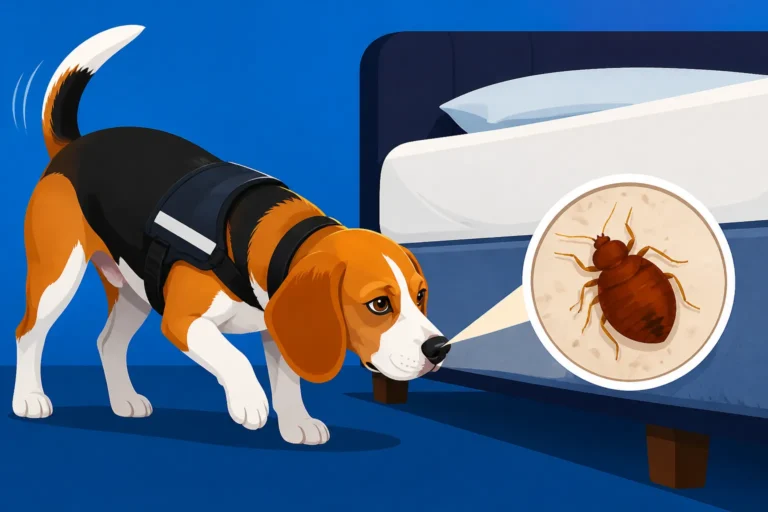
Beyond Snoopy, Beagles have appeared in numerous films, television shows, and advertisements, often portraying the quintessential family dog. For instance, the USDA's The USDA Beagle Brigade at the Airport program, where Beagles sniff out prohibited agricultural items, has also raised their profile, showcasing their intelligence and incredible scenting abilities. Companies like Chewy often feature Beagles in their marketing campaigns because they resonate with a broad audience as friendly, approachable, and loving pets. This consistent positive portrayal in media helps maintain their high standing in the public consciousness and contributes to their continued demand.
Deciding If a Popular Breed is Right for You
Choosing a dog is a huge decision, and just because a breed is popular doesn't automatically mean it's the right fit for your home and lifestyle. While the Beagle's charm is undeniable, it's vital to look beyond the general appeal and consider the specific needs and characteristics of the breed. Popularity can sometimes obscure the realities of ownership, so a thoughtful approach is crucial.
Doing Your Homework Beyond the Hype
It's easy to fall in love with the idea of a popular breed, especially when you see their adorable faces everywhere. However, the most important step is to thoroughly research the breed's specific needs, not just its general reputation. For Beagles, this means understanding their formidable scent drive, their need for consistent exercise (especially scent-based activities), their potential for being vocal, and their strong food motivation. Don't assume that because a breed is popular, it's inherently "easy" or suitable for every home.
Talk to Beagle owners, visit breed-specific online forums (like those on Chewy's community pages), and spend time with Beagles in person if possible. A popular breed often means there's a wealth of information available, so take advantage of it. Learn about their energy levels, grooming requirements, common health issues, and training challenges. This deep dive will help you determine if your expectations align with the reality of living with a Beagle. You might find our article What a First-Time Owner Gets Wrong With a Beagle particularly insightful here.
Connecting with Reputable Breeders and Rescues
Due to their popularity, you'll find many individuals and organizations dedicated to Beagles. Whether you choose to work with a breeder or a rescue, always prioritize reputable sources. A responsible breeder will:
- Conduct thorough health testing on their breeding dogs for genetic conditions common in Beagles, like Musladin-Lueke Syndrome and the Beagle DNA Test or Beagle Hip Dysplasia and Everyday Joint Wear.
- Be knowledgeable about the breed's temperament, health, and needs.
- Allow you to meet the puppy's parents (at least the mother) and see where the puppies are raised.
- Provide health guarantees and be available for support throughout the dog's life.
- Ask you as many questions as you ask them to ensure their puppies go to good homes.
If you're considering a rescue, organizations like Beagle Freedom Project or local breed-specific rescues are excellent resources. They often have Beagles of all ages, including seniors, who are looking for their forever homes. Rescue groups are fantastic because they often provide extensive information about a dog's known history, temperament, and any special needs. Adopting a Beagle Through a Breed Rescue offers more information on this path. Regardless of your choice, take your time and don't rush the process.
Preparing for a Beagle's Unique Needs
Bringing a Beagle home means preparing for their unique characteristics. That incredible nose means they will follow a scent, sometimes to the exclusion of everything else, including your voice. Beagle Recall and Why Your Voice Stops Registering is a real challenge for many owners. A securely fenced yard is non-negotiable, and long-line walks in open areas are a much safer alternative to off-leash adventures. Think about investing in puzzle feeders and engaging scent work games to satisfy their natural instincts. Chewy offers a wide array of excellent puzzle toys that can keep a Beagle's mind busy.
Their vocal nature might require proactive training to manage barking and howling, and early socialization is key to ensuring they are well-adjusted. Beagles are food motivated, which is a fantastic trait for training, but it also means constant vigilance around unattended food and trash. The Beagle Food Drive That Empties Your Counters is no joke! Be prepared to dedicate time to training, enrichment, and exercise that speaks to their hound nature. While they are adaptable and loving, they thrive when their intrinsic needs as a scent hound are met, allowing them to live their best, "merry" lives as cherished family members.
| Aspect of Popularity | Advantages for Owners | Challenges for Owners |
|---|---|---|
| High Demand | Easier to find puppies/rescues, more support resources | Attracts unethical breeders; impulse buys |
| Widespread Recognition | Breed's needs generally understood by vets/trainers | Misconceptions from media; underestimation of specific needs |
| Media Exposure | Instantly recognizable, positive image | Can create unrealistic expectations of temperament/behavior |
| Strong Community | Access to breed clubs, forums, specialized products | Potential for conflicting advice from various sources |
| Stable Ranking | Reliable long-term availability; consistent traits | Need to look beyond surface appeal; ensure good match |
Disclaimer
This article is for general informational purposes only and does not constitute professional advice. Laws, prices and regulations vary by location and change over time. Consult a qualified professional for guidance on your specific situation.