Beagle Registration Numbers Over the Decades
It’s easy to look at a happy-go-lucky Beagle trotting by, nose to the ground, and just assume they’ve always been a popular fixture in American homes. But like any beloved breed, the Beagle’s journey to widespread recognition has unfolded over many decades, with its registration numbers reflecting shifts in society, culture, and what people look for in a canine companion. If you’ve ever wondered about the historical footprint of this charming hound, you’re in the right place to explore how its standing in the dog world has evolved.
The Early Days: Establishing Recognition and Pedigree
The story of the Beagle in America really picked up steam in the late 19th century. Before organized registries, Beagles were primarily working dogs, cherished by hunters for their incredible noses and stamina in the field. They were a diverse bunch back then, with different packs having slightly varied appearances and working styles. The idea of "registration" as we know it today – a formal recording of a dog's lineage and adherence to a breed standard – was still relatively new.
When American dog fanciers began to standardize breeds and form kennel clubs, the Beagle was quickly recognized for its established presence and utility. Organizations like the American Kennel Club (AKC) emerged to create a structured system for purebred dogs. This meant that for a Beagle to be "registered," it typically had to have parents that were also registered, establishing a verifiable pedigree. This process was crucial for ensuring that specific traits, both in appearance and temperament, could be consistently bred for and maintained. It wasn't just about popularity; it was about preserving the breed's integrity.
In these early decades, registration numbers weren't necessarily astronomical for many breeds, including the Beagle. Dog ownership, while growing, wasn't yet the widespread phenomenon it is today. Many Beagles continued their lives as working dogs on farms and estates, their worth measured by their hunting prowess rather than a paper certificate. However, the foundational work done by dedicated breeders and groups like the National Beagle Club Founded in 1887 laid the groundwork for the breed's future. They championed the Beagle's unique qualities, campaigned for its recognition, and began to track its lineage, allowing for the slow but steady increase in registered dogs.
This commitment to registration, even in its nascent stages, also fostered a community around the breed. Owners and breeders could connect, share information, and work together to improve the health and conformation of their dogs. It was a time of establishing identity, both for the individual dogs and for the breed as a whole, setting the stage for the public's growing awareness and affection.
Mid-Century Popularity Surge: From Field Dog to Family Companion
As the 20th century progressed, several factors converged to propel the Beagle into a new era of popularity, significantly impacting its registration numbers. The post-World War II boom brought with it a shift in American lifestyles. More families moved to suburban homes with yards, and the concept of a "family pet" became increasingly prevalent. People were looking for dogs that were good with children, adaptable, and had a generally pleasant disposition. This is where the Beagle truly shined.
The breed's "merry" temperament, friendly demeanor, and manageable size made it an ideal candidate for these new family dynamics. Beagles are naturally social creatures, often thriving in a home environment where they can be part of the action. They're typically playful and patient with kids, embodying the quintessential family dog image. This natural compatibility with home life began to overshadow their traditional role as strictly hunting hounds, though many still excelled in the field. You can read more about Beagle Temperament and Why the Breed Suits Families to understand these endearing traits.
Perhaps one of the most significant influences on the Beagle's mid-century surge in popularity, though not directly tied to registration, was its emergence in popular culture. The introduction of Snoopy, the beloved Beagle character from Charles M. Schulz's Peanuts comic strip, in the 1950s, catapulted the breed into the national spotlight. Snoopy, with his imaginative adventures and endearing personality, introduced the Beagle to millions who might never have considered owning a hound before. While fictional, he became an unofficial ambassador for the breed, making Beagles instantly recognizable and desirable. Snoopy and the Beagle in American Culture truly captured the breed's spirit for a generation.
This cultural phenomenon, combined with a growing interest in dog shows and organized canine sports, spurred a dramatic increase in Beagle registrations. People wanted a dog like Snoopy, and breeders were working to meet the demand. Suddenly, the Beagle wasn't just a hunter's companion; it was a symbol of cheerful family life, a loyal friend, and a charming addition to any household. The availability of pet supplies and resources, even back then, became more common, and today, you can easily find everything a Beagle needs, from sturdy collars to enrichment toys, through retailers like Chewy.
Fluctuations and Modern Trends: What the Numbers Tell Us Today
While the Beagle enjoyed a sustained period of high popularity through much of the latter half of the 20th century, reaching a peak in the 1950s and remaining a top contender for decades, breed popularity is rarely static. Over time, new breeds gain traction, lifestyles continue to evolve, and awareness of specific breed traits becomes more widespread. These factors inevitably lead to fluctuations in registration numbers.
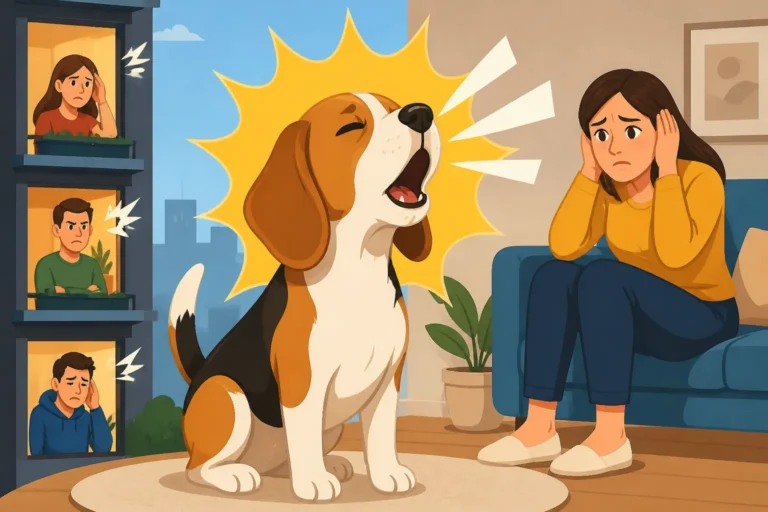
For Beagles, some of these shifts can be attributed to a better understanding of their core characteristics. While their merry nature makes them wonderful companions, their strong scent drive and vocal tendencies (the iconic "bay") can be challenging for some owners. For instance, families living in apartments or densely populated areas might find the Beagle's natural tendency to bay at interesting smells or sounds a bit much for close quarters. Learning about Beagles in Apartments Against Beagles in Houses can highlight these considerations. As potential owners become more educated about breed-specific needs, their choices might shift towards dogs perceived as "easier" for urban living or those with different activity levels.
Economic factors also play a subtle role. During times of economic uncertainty, dog ownership in general can see a dip, or people might opt for smaller, less expensive breeds to care for. Conversely, periods of prosperity often correlate with higher pet ownership rates. The internet and social media have also democratized information about breeds, allowing potential owners to research extensively before committing. This means that while Beagles consistently rank high in popularity, their exact position can shift year to year as trends ebb and flow, and as people consider Whether a Beagle Fits the Home You Have.
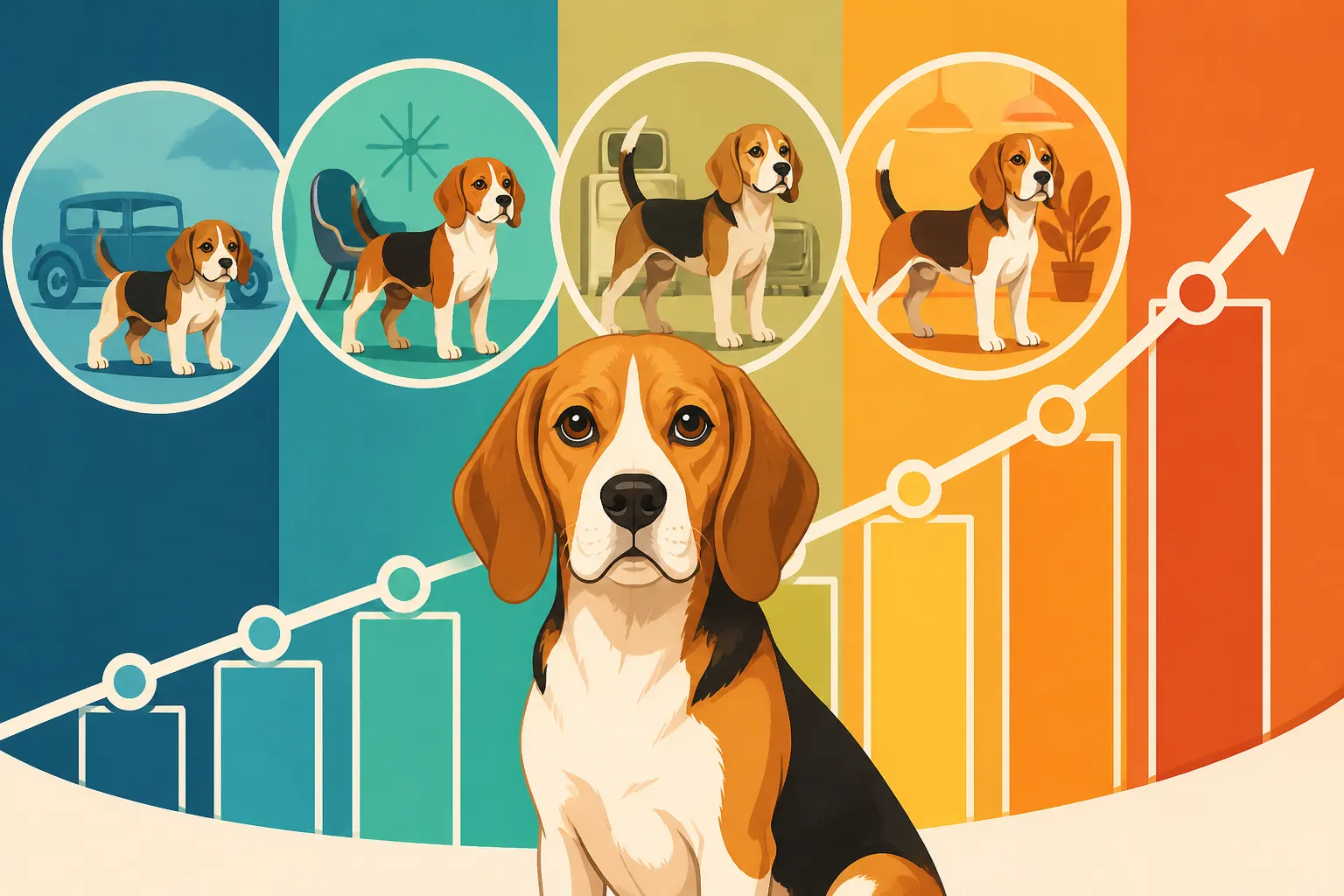
Here's a simplified look at how broad trends and cultural shifts often align with perceived popularity:
| Decade/Era | Cultural Context/Influences | General Registration Trend |
|---|---|---|
| Late 19th/Early 20th | Formalization of breeds, hunting dog utility, kennel club formation | Slowly Rising |
| 1940s-1960s | Post-war family boom, suburban growth, "Snoopy" phenomenon, stability | Rapidly Rising |
| 1970s-1990s | Continued family pet status, increased awareness of breed traits | Stable, high ranking |
| 2000s-Present | Internet education, rescue awareness, diverse breed options | Consistently High, some fluctuations |
Even with these fluctuations, the Beagle has remarkably maintained a spot in the top tier of registered breeds for many, many years. This speaks volumes about its enduring appeal. While it might not always hold the absolute number one spot, its consistent presence highlights a fundamental connection with dog lovers. Today, even when considering adoption from rescue groups, the sheer number of Beagles in need of homes is a testament to their past popularity, and many adoptable Beagles find new families through resources found online, perhaps even through a well-stocked online pet store like Chewy.
Beyond the Numbers: What Registration Actually Means for the Breed
While registration numbers offer a snapshot of a breed's popularity, they also serve a far more profound purpose for the breed's long-term health and integrity. For ethical breeders, AKC or other recognized kennel club registration isn't just a formality; it's a commitment to preserving the Beagle's best qualities and ensuring its future.
A registered pedigree provides a detailed family tree for each dog, allowing breeders to trace lineage, avoid inbreeding, and make informed decisions about mating pairs. This is incredibly important for managing genetic health conditions that can affect Beagles, such as Beagle Epilepsy and Seizures From Six Months On or Musladin-Lueke Syndrome and the Beagle DNA Test. By tracking these traits through generations, breeders can strive to produce healthier puppies, screening for known issues. This is why official registration often goes hand-in-hand with health testing protocols, as highlighted by programs like Beagle Health Testing Under CHIC.
For prospective owners, understanding breed registration goes beyond simply owning a "purebred" dog. It signifies that the breeder has adhered to certain standards and practices. It means they're likely invested in the breed's well-being and not just in producing puppies for profit. When you seek a registered Beagle puppy from a reputable breeder, you're not just buying a dog; you're often gaining access to a wealth of knowledge, support, and the peace of mind that comes from knowing your puppy's background has been thoughtfully managed. This is crucial for responsible ownership and for contributing to the overall health of the breed. If you're considering a Beagle, asking a breeder about these aspects is key to finding a healthy companion. Knowing What to Ask a Beagle Breeder About Genetics can help you navigate these conversations.
Furthermore, registration supports breed-specific events like dog shows, obedience trials, and scent work competitions. These events celebrate the Beagle's natural abilities and provide platforms for owners to deepen their bond with their dogs while showcasing their talents. Whether it's the distinctive look defined by the breed standard or the incredible scenting abilities the Beagle is renowned for, registration helps ensure these characteristics are preserved and celebrated for future generations. The enduring popularity, as reflected in registration numbers, guarantees that there will always be a community dedicated to the merry, tenacious Beagle, ensuring its presence for many decades to come. Even small accessories like a new collar or a special treat from Chewy can feel like a part of celebrating your registered Beagle's unique heritage.
Disclaimer
This article is for general informational purposes only and does not constitute professional advice. Laws, prices and regulations vary by location and change over time. Consult a qualified professional for guidance on your specific situation.