Pocket Beagles and Whether They Ever Existed
If you've ever found yourself scrolling through adorable puppy pictures online, only to stumble upon listings for "Pocket Beagles" and wonder if they're a real thing, you're not alone. It's a common point of confusion for many prospective Beagle owners, especially with so much conflicting information out there. The idea of a tiny, miniature Beagle is certainly appealing to some, but it’s crucial to understand the history and current reality of the breed to make an informed decision. This guide will dive deep into the fascinating past of small Beagles and clarify what the term "Pocket Beagle" actually means today.
The Historic Small Beagles That Rode in Saddlebags
The concept of a "Pocket Beagle" isn't entirely a modern invention driven by internet trends. There's a kernel of truth in the history of the breed that gave rise to this endearing, if sometimes misleading, term. Historically, Beagles were much smaller than many of the dogs we see today, and some were indeed small enough to be carried in a hunter's saddlebag.
The Origins of Pint-Sized Hounds
Back in medieval England, long before modern dog shows and breed standards, Beagles and other small hounds were primarily bred for a specific purpose: hunting small game like rabbits and hares. These hunts were often conducted on foot, and having smaller, more agile dogs was a distinct advantage. The terrain was varied, and the ability of a dog to navigate dense undergrowth and follow a scent trail without tiring out its human companions was paramount. These early Beagles weren't just smaller; their entire physique and temperament were geared towards efficient, close-to-the-ground scent work.
It's fascinating to look back at the historical accounts. Picture a time when landowners and even royalty would participate in these hunts, sometimes covering miles on foot. A smaller, sturdy hound could keep pace, flush out game, and stay focused on a trail, all without needing to be as large or fast as a foxhound. This practical application directly influenced their size and build. Over generations, breeders, consciously or not, selected for smaller individuals that excelled in these conditions.
Reverend Honeywood's Famous Essex Pack
One of the most famous mentions of truly miniature Beagles comes from the late 18th century and early 19th century, referring to Reverend Phillip Honeywood's Essex pack. These were reportedly very small Beagles, some standing as little as 10 inches at the shoulder. The legend goes that these tiny hounds could actually be carried in a huntsman's coat pocket or saddlebag, hence the term "Pocket Beagle."
These were not toys; they were working dogs, bred for their scenting abilities and drive. Their small stature simply made them easier to transport to the hunting grounds and allowed them to navigate tight spaces during the chase. Reverend Phillip Honeywood and His Essex Pack tells us more about this historical group. While impressive in their small size, it's vital to understand that these dogs were part of a developing breed, not a distinct "miniature" variety meticulously bred for pet ownership. They were functional, not fashionable. Their breeding priorities were entirely different from what a "pocket" breeder might prioritize today. Why Honeywood's Beagles Stood Only Ten Inches goes into more detail about the specific characteristics and utility of these exceptionally small Beagles.
The Modern Beagle Standard: No Such Thing as a "Pocket Beagle"
Fast forward to today, and the official breed standards recognized by major kennel clubs around the world, like the American Kennel Club (AKC) and the United Kennel Club (UKC), do not include a "Pocket Beagle" variety. This is where a lot of the modern confusion originates.
The Two Official Beagle Varieties
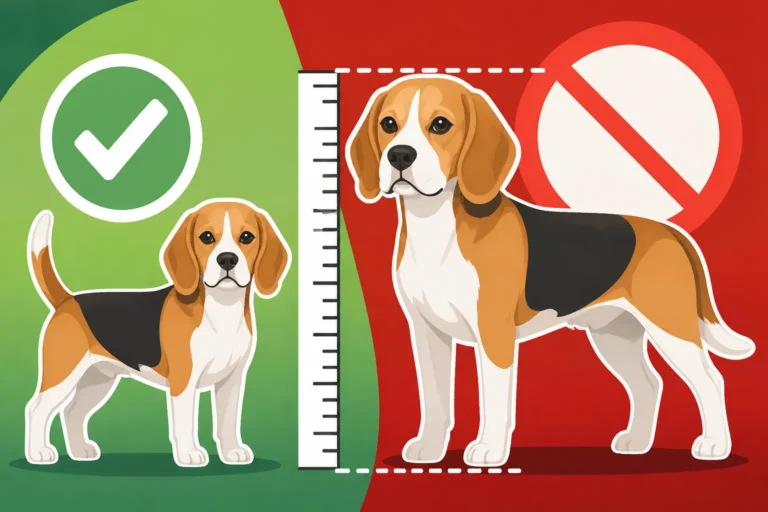
The AKC, for instance, recognizes two distinct varieties of Beagles, categorized solely by their height at the shoulder:
- The 13-inch variety: These Beagles stand no more than 13 inches (33 cm) tall at the shoulder. They typically weigh between 18 and 20 pounds.
- The 15-inch variety: These Beagles stand over 13 inches (33 cm) but no more than 15 inches (38 cm) tall at the shoulder. Their weight can range from 20 to 30 pounds, sometimes a bit more for a sturdy individual.
You can learn more about The Thirteen Inch Beagle Variety and The Fifteen Inch Beagle Variety. It's crucial to understand that these are the only recognized size distinctions. There's no classification for a 7-inch, 8-inch, or 10-inch Beagle outside of these two categories within the breed standard. When breeders talk about "standard" Beagles, they are referring to dogs that fall within these height ranges. Any Beagle smaller than 13 inches, while it might be naturally tiny, is simply an undersized Beagle, not a separate, recognized variety. Measuring a Beagle to Decide Its Variety can help you understand how these measurements are taken.
Why "Pocket Beagle" is a Misleading Term Today
When you see a listing for a "Pocket Beagle" today, it’s often a marketing term rather than a legitimate breed designation. It usually refers to one of several scenarios, none of which involve an officially recognized "Pocket Beagle" variety:
- Undersized Beagles: Some breeders might simply have Beagles that are naturally on the smaller end of the 13-inch variety, or even slightly under 13 inches. They might market these as "Pocket Beagles" to capitalize on the desire for miniature dogs. These could be runts of a litter, or simply smaller individuals that still fall within the general Beagle genetic makeup but don't quite meet the 13-inch minimum for show purposes.
- Beagle Mixes: Sometimes, a "Pocket Beagle" is actually a Beagle mixed with a smaller breed, such as a Chihuahua or a Miniature Dachshund. These mixes can indeed result in a smaller dog with some Beagle-like features, but they are not purebred Beagles. Ethical breeders will always disclose if a dog is a mix.
- Puppies: A common tactic is to show a very young Beagle puppy and label it a "Pocket Beagle." All puppies are small, and a Beagle puppy will appear much smaller than its adult size. This can be highly deceptive for unsuspecting buyers who expect the dog to remain that tiny.
- Poor Breeding Practices: Sadly, some individuals or puppy mills intentionally breed the smallest, runtiest dogs from litters, or breed siblings that are both undersized, to try and produce smaller and smaller offspring. This practice often comes at a significant cost to the dogs' health and well-being. They might use terms like "teacup" or "mini" to attract buyers. This kind of breeding often ignores proper health testing and temperament, focusing purely on size. If you see a listing that uses these kinds of terms, it's often a red flag, as discussed in Red Flags in a Cheap Beagle Listing.
The goal of these marketing terms is usually to fetch a higher price for dogs that appear rare or unique. However, it's crucial for prospective owners to understand that an ethical, reputable breeder will always breed to the established standard and will never use terms like "Pocket Beagle" to describe their purebred dogs.
The Health and Ethical Considerations of Breeding for Extreme Smallness
While the idea of a tiny Beagle might sound endearing, the pursuit of extreme smallness in any breed can come with a host of ethical and health concerns. Reputable breeders prioritize health, temperament, and adherence to the breed standard, not novelty size.
Potential Health Risks Associated with Miniaturization
When dogs are intentionally bred to be significantly smaller than their breed standard dictates, it can lead to a number of health complications. This isn't specific to Beagles but applies to any breed where "teacup" or "mini" versions are sought after. Some of the common issues include:
- Fragile Bones: Extremely small dogs often have very delicate bones, making them more susceptible to fractures from even minor falls or jumps. A simple hop off the couch could lead to a serious injury.
- Dental Problems: Tiny jaws often don't have enough space for all the teeth, leading to overcrowding, dental disease, and early tooth loss. This can cause pain, infection, and expensive vet bills down the line. Regular Beagle Dental Cleaning Under Anesthesia is important for all Beagles, but even more so for those with crowded mouths.
- Hypoglycemia: Especially in puppies bred for extreme smallness, low blood sugar (hypoglycemia) can be a serious and life-threatening issue. Their tiny bodies struggle to regulate blood glucose levels.
- Hydrocephalus: This is a condition where there's an abnormal accumulation of cerebrospinal fluid within the brain. It's more common in toy breeds and can be exacerbated by breeding for unnaturally small heads.
- Heart Defects: Certain heart conditions can be more prevalent in overly miniaturized dogs.
- Open Fontanels: Similar to human babies, puppies are born with soft spots on their skulls. In some tiny dogs, these soft spots may never fully close, leaving the brain vulnerable to injury.
- Patellar Luxation: This is a common orthopedic issue where the kneecap slips out of place, causing pain and lameness. It's often seen in smaller breeds and can be exacerbated by poor breeding.
Responsible breeders conduct extensive health testing on their breeding stock to minimize the risk of inherited diseases, as detailed in Beagle Health Testing Under CHIC. Those breeding for extreme smallness often bypass these crucial steps, leading to puppies with a higher likelihood of significant health problems, which ultimately increases the Lifetime Bill for a Beagle That Reaches Fifteen.
The Importance of Reputable Breeders
If you're looking for a Beagle, whether a 13-inch or 15-inch variety, your best course of action is always to seek out a reputable, ethical breeder. A good breeder will:
- Adhere to the Breed Standard: They will breed Beagles that fall within the recognized size ranges and conformational standards.
- Prioritize Health and Temperament: They will perform all recommended health clearances on their breeding dogs and be transparent about the health history of their lines. They will also breed for sound temperaments that are characteristic of the Beagle.
- Be Knowledgeable and Transparent: They will be able to answer all your questions about the breed, their specific dogs, and their breeding practices. They won't use vague or misleading terms like "Pocket Beagle."
- Provide a Health Guarantee and Contract: They will typically offer a health guarantee and a contract that outlines terms for return or replacement if serious genetic issues arise.
- Allow You to Visit: They should welcome a visit to their kennel to see the puppies and their parents (if on-site) in a clean, healthy environment.
Avoid any breeder who markets "Pocket Beagles" or "Teacup Beagles," as this is a strong indicator of an unethical operation. They are likely prioritizing profit over the health and welfare of their dogs. If you're looking for quality supplies for your new furry friend, reputable online stores like Chewy offer a wide selection of everything from food to toys and health supplements for standard-sized Beagles.
What to Expect if You Seek a Smaller Beagle
If you truly adore the Beagle breed but have a preference for a smaller dog, it's important to adjust your expectations to the reality of the breed standard. You can certainly find Beagles on the smaller side of the recognized varieties, but they won't be "pocket-sized" in the way historical accounts might suggest.
Choosing the 13-inch Variety
For those who want a smaller Beagle, the 13-inch variety is your best bet. These dogs are naturally more compact than their 15-inch counterparts, making them feel like a smaller dog in your home. They still embody all the wonderful traits of the Beagle – the incredible nose, the merry disposition, the vocal tendencies – just in a slightly smaller package.
When looking for a 13-inch Beagle, work with a breeder who specializes in this variety and has a proven track record of producing healthy, well-socialized dogs that meet the breed standard. They won't promise you a dog that can fit in your purse, but they will provide you with a true Beagle on the smaller end of the spectrum. You'll still need to provide plenty of exercise, mental stimulation through scent work, and consistent training for that famous Beagle nose. Even a smaller Beagle will demand a Beagle Harness and Long Line Prices if you want to explore the world safely.
Considering Other Small Hound Breeds
If an authentically "pocket-sized" dog is a non-negotiable for you, and you're not set on a purebred Beagle, it might be worth exploring other small hound breeds or even responsible mixes. Breeds like Miniature Dachshunds, certain smaller Terriers, or even some mixed-breed dogs might offer a compact size while still having a robust genetic foundation. However, always do your research on any breed or mix, understanding their specific needs and potential health concerns.
Remember that a dog's size is only one aspect of its suitability for your lifestyle. A Beagle, regardless of its height, requires a dedicated owner who understands its strong prey drive, vocal nature, and need for exercise and mental engagement. The Beagle From English Rabbit Packs to American Homes highlights just how much history is packed into this breed, and their innate traits remain strong.
The Role of Responsible Pet Ownership
Ultimately, responsible pet ownership means prioritizing the health and welfare of an animal above any aesthetic preferences or passing trends. When considering a Beagle, focus on finding a healthy, well-adjusted puppy from a reputable source, rather than chasing after a "Pocket Beagle" label that could lead to heartbreak and significant veterinary expenses. You'll be setting yourself up for a much happier and healthier journey with your new companion. For all your Beagle's needs, from nutritious kibble to fun enrichment toys, remember that retailers like Chewy provide convenient delivery right to your door, making it easier to be a responsible pet parent.
What a True Small Beagle Looks Like Compared to Misrepresented "Pocket Beagles"
To help you distinguish between a genuinely small, healthy Beagle and a dog marketed under the misleading "Pocket Beagle" term, let's break down some key differences. Understanding these nuances can prevent you from unknowingly supporting unethical breeding practices.
| Characteristic | True Small (13-inch Variety) Beagle | Misrepresented "Pocket Beagle" (often undersized/unhealthy) |
|---|---|---|
| Official Recognition | Recognized by AKC, UKC, etc. | Not recognized by any major kennel club |
| Height (Adult) | Up to 13 inches at the shoulder | Often advertised as 7-10 inches, typically undersized or runts |
| Weight (Adult) | 18-20 lbs (healthy range) | Often advertised as under 10 lbs, potentially underweight or prone to issues |
| Health Testing | Parents typically health-tested for genetic conditions (e.g., MLS, eyes, hips) as per Beagle Health Testing Under CHIC | Often bred without health testing; higher risk of genetic defects, fragile bones, organ issues |
| Temperament | Consistent, merry, scent-driven, confident (typical Beagle) | Can be overly timid, anxious, or aggressive due to poor breeding, or have exaggerated "puppy" traits that don't mature |
| Conformation | Well-proportioned, sturdy, muscular body for size, as described in What the Standard Says About a Beagle Head | Often "delicate" or "fragile" appearance, disproportionate features (e.g., bulging eyes, apple head), bowed legs |
| Breeder Practice | Focus on breed standard, health, temperament, longevity | Focus on extreme smallness, often for profit, ignoring health and ethical considerations |
| Price | Standard Beagle pricing (check What a Beagle Puppy Costs From a Breeder for ranges) | Often higher due to "rarity," but represents a risk to buyer |
| Origin | Reputable breeder lines | Backyard breeder, puppy mill, or accidental mix |
When you encounter listings for "Pocket Beagles," consider this table. A healthy, well-bred Beagle will fit the profile of the "True Small Beagle" column, even if it's on the lower end of the 13-inch variety. Anything that aligns more with the "Misrepresented 'Pocket Beagle'" column should be a cause for serious concern. Don't let clever marketing terms sway you from seeking a healthy, happy Beagle from a responsible source. You can find all the necessary supplies for a healthy, growing Beagle at trusted pet retailers like Chewy, ensuring your new companion gets the best start possible.
Disclaimer
This article is for general informational purposes only and does not constitute professional advice. Laws, prices and regulations vary by location and change over time. Consult a qualified professional for guidance on your specific situation.