Why Honeywood’s Beagles Stood Only Ten Inches
Many Beagle enthusiasts, when they delve into the breed's rich history, are often surprised by tales of tiny Beagles, sometimes described as small enough to fit in a pocket. It’s a bit jarring when you picture your robust, scent-driven companion. This historical detail often sparks confusion, as it challenges our modern understanding of the breed's size. This guide will take a fascinating journey back in time to explore the specific reasons why Reverend Honeywood's Beagles, a pivotal pack in the breed's development, stood at a mere ten inches.
The Purpose-Bred Hound: Function Over Form in Early Beagles
Before Beagles were cherished family pets, they were strictly working hounds, purpose-bred for a very specific job: hunting hare. Their size, shape, and even their voice were all carefully selected traits designed to make them the most effective tools in the field. Understanding this foundational purpose is key to grasping why early Beagles, including Reverend Honeywood's pack, were so much smaller than many of their modern descendants. It wasn't about aesthetics; it was about efficiency and practicality for the hunter.
Hunting Hare on Foot: The Need for a Smaller Stature
Imagine the English countryside centuries ago, crisscrossed with hedgerows, dense thickets, and rolling hills. This was the landscape where Beagles earned their keep. Unlike foxhounds, which were often followed by hunters on horseback across open fields, Beagles were primarily used for "foot hunting." This meant that the human hunters followed the pack on foot, needing to keep pace with their canine companions throughout the day. A larger, faster hound would quickly outstrip a human walking or running, leading to lost dogs and a ruined hunt.
A smaller stature directly translated to a more manageable pace for human followers. These compact hounds could methodically work a scent trail without covering vast distances too quickly. They were perfectly designed to weave through the kind of dense undergrowth and brambles where hares would often hide, persisting on a scent that a larger, taller dog might lose or struggle to follow through difficult terrain. Their lower center of gravity and smaller body mass allowed them to be agile and persistent in environments that would hinder a bigger hound. The efficiency of a smaller dog meant less exertion for the hunter, making the entire experience more enjoyable and successful. It truly highlights Why Hare Hunting Needed a Small Hound and how form followed function.
The "Pocket" Beagle Myth and Reality
The notion of "Pocket Beagles" often conjures images of delicate, miniature versions of the breed, perhaps even a distinct sub-type. However, the reality of these historically small Beagles is a little different from the modern perception of a "pocket dog." While some early Beagles were indeed exceptionally small – so much so that they could sometimes be carried in a hunter's saddlebag or even a large pocket – this wasn't their defining characteristic or a specific breed classification in the way we might think today.
These small hounds were not bred to be fragile lapdogs. They were robust, tenacious working animals, packed with muscle and boundless energy despite their size. The convenience of being able to carry them to the hunting grounds, especially if they were traveling a distance before the chase began, was a secondary benefit of their compact form, not the primary reason for their existence. They were simply the accepted and most efficient size for the specific hunting style of the time. The idea of them being "pocket-sized" often comes from these anecdotes of transport rather than a dedicated breeding program for extreme miniaturization. It's an interesting distinction to make, especially when considering Pocket Beagles and Whether They Ever Existed as a separate breed.
Reverend Honeywood's Vision: Breeding for Specific Traits
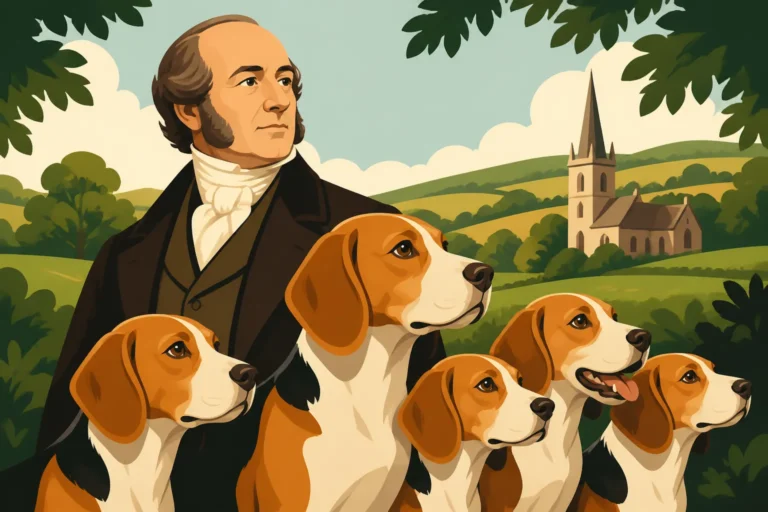
When we talk about the historical development of the Beagle, Reverend Phillip Honeywood's name invariably comes up. His Essex Pack, flourishing in the early 19th century, was renowned for its specific characteristics, not least of which was their remarkably small size. Honeywood wasn't just breeding Beagles; he was curating a pack with a very particular vision in mind, tailored to his hunting preferences and the prevailing conditions of the era.
Selection for Size: What Honeywood Prioritized
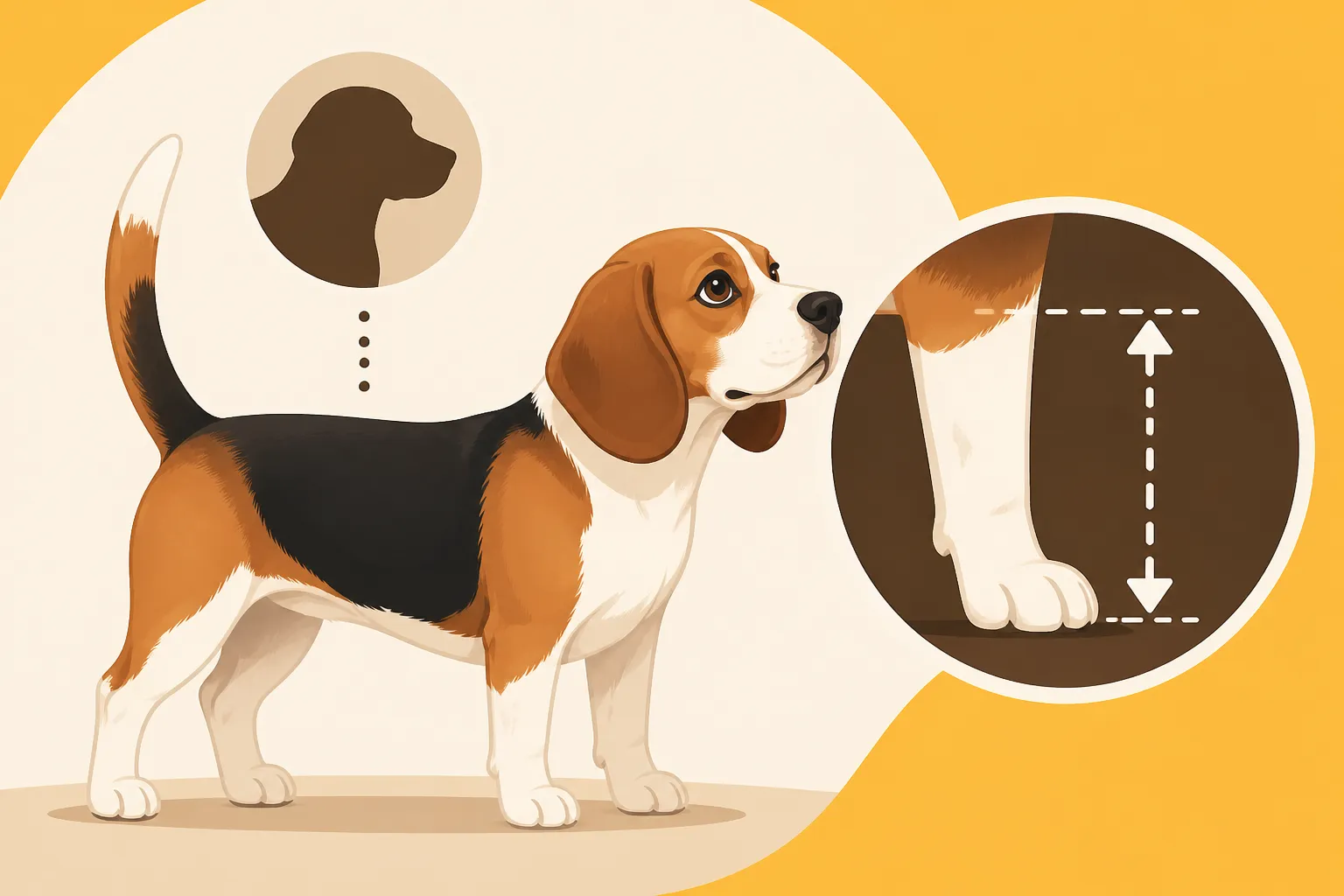
Reverend Phillip Honeywood, active around the 1830s, is often credited with maintaining and refining a very particular type of Beagle. His Essex Pack was notable for its uniformity, not only in size but also in color, being predominantly pure white. This was no accident; Honeywood was a deliberate and meticulous breeder, selecting for traits that he valued for his specific hunting endeavors. The ten-inch height of his Beagles was a direct result of this focused selection. He understood the advantages a compact hound offered for foot-hunting in his local terrain.
At a time before formal breed standards were widely established, breeders like Honeywood operated on a more personal, yet highly effective, system of selective breeding. He would choose the smallest, most agile, and best-scenting hounds from his litters, continually reinforcing these traits over generations. The goal was to create a homogeneous pack that moved and worked as a single unit, always at a pace that human hunters could comfortably follow. This commitment to small size, combined with exceptional hunting ability, made his pack highly regarded and influential in the early development of the breed. It truly showcases Reverend Phillip Honeywood and His Essex Pack as a significant part of Beagle history.
The Importance of a Pack That Could Be Followed
For Reverend Honeywood and his fellow foot-hunters, the ability to follow the pack closely was paramount. Unlike the more boisterous and wide-ranging hunts conducted on horseback, beagling on foot was a more intimate, methodical pursuit. A pack of ten-inch Beagles would naturally work a scent trail at a slower, more deliberate pace. This wasn't a flaw; it was a highly desired characteristic. It allowed the hunters to observe the dogs' work, enjoy the chase, and remain an active part of the hunt without constantly struggling to keep up.
The smaller size also meant that Honeywood's Beagles could penetrate the densest undergrowth without getting snagged or slowed down, ensuring the continuous pursuit of the hare. This close-quarters hunting, where the pack stayed tightly knit and audible through their melodious baying, was a central part of the experience. Furthermore, a predominantly white coat, which Honeywood also favored (as explored in The Pure White Beagle Pack Honeywood Kept), made these small hounds easier to spot amidst the foliage, another practical consideration for hunters on foot. Their manageable size, combined with excellent scenting abilities and distinctive voices, created the ideal hunting companion for the era.
The Evolution of the Beagle Standard: From Ten Inches to Fifteen
The Beagle breed, like many others, has undergone significant evolution since Reverend Honeywood's time. As hunting practices changed, and as the breed gained popularity beyond purely working circles, the desired characteristics shifted. This led to a gradual increase in average size, eventually formalizing into the two distinct varieties recognized by breed clubs today. The ten-inch Beagle, while historically significant, eventually gave way to a slightly larger, more versatile hound.
Changes in Hunting Practices and Terrain
As the 19th century progressed, so did hunting traditions. While foot hunting for hare continued, there was also a growing preference for hunts conducted partly or entirely on horseback. This shift naturally favored hounds that could cover more ground at a quicker pace, making a slightly larger, longer-legged Beagle more desirable. The landscape also played a role; as some wilder areas were developed or farmed differently, the need for an exceptionally small dog to navigate dense, untamed thickets diminished in certain regions.
Breeders, always responsive to the prevailing needs and preferences of hunters, began to select for slightly taller Beagles. This wasn't an abrupt change but a gradual evolution driven by function. A dog that could keep up with a trotting horse or quickly traverse larger fields offered new advantages. The influence of American farmers, who often sought a robust hound for various small game pursuits, also contributed to the preference for a slightly larger, sturdier Beagle that could adapt to diverse terrains. This period marked a transition from the very specific niche of the "pocket" type to a more broadly capable hound, paving the way for the development of modern varieties like The Thirteen Inch Beagle Variety and the slightly larger The Fifteen Inch Beagle Variety.
Modern Beagle Sizes and What Influenced Them
Today, the American Kennel Club (AKC) recognizes two distinct size varieties for Beagles: those not exceeding 13 inches at the shoulder, and those over 13 inches but not exceeding 15 inches. This is a far cry from Reverend Honeywood's ten-inch hounds. This evolution in size reflects several factors, including the formalization of breed standards and the Beagle's transition from a purely working dog to a beloved companion animal. Once breed clubs began to set specific height standards, breeders focused on producing dogs that fit these dimensions, balancing conformation with the breed's inherent scenting abilities and merry temperament.
The show ring also played a significant role. Judges evaluated Beagles against a written standard that outlined ideal proportions, gait, and size, leading to a more uniform appearance within the accepted size ranges. While Beagles are still exceptional hunters and scent detection dogs, the pressures that once necessitated an extremely tiny stature have largely eased for the average pet owner. Modern Beagle owners, whether they are involved in scent work or simply enjoying walks with their companions, can find a wealth of resources at retailers like Chewy, offering everything from specialized food to durable toys and grooming supplies that cater to a Beagle of any size within the modern standard. This ensures that every Beagle, regardless of its specific lineage or intended purpose, receives the best possible care. Ultimately, the standards of today, which you can explore further in What the Beagle Standard Asked For a Century Ago, reflect a blend of historical function and modern companionship.
| Feature | Reverend Honeywood's Beagles (c. 1800s) | Modern Beagles (AKC Standard) |
|---|---|---|
| Typical Height | Around 10 inches (to the shoulder) | Under 13 inches OR 13-15 inches |
| Primary Purpose | Hare hunting on foot | Companion, show, field trials, detection |
| Breeding Focus | Small size, stamina, scenting ability, often white for visibility | Conformation, temperament, health, scenting ability |
| Pace for Hunters | Slow enough to follow on foot | Faster, more ground covering ability |
From the compact, tenacious hounds that Reverend Honeywood painstakingly bred to chase hares on foot across the English countryside, to the two recognized varieties we adore today, the Beagle's journey is a testament to purposeful breeding and adaptability. The ten-inch Beagle of centuries past wasn't a quirk but a finely tuned instrument for a specific hunting style, a living piece of history that continues to inform our understanding and appreciation of this remarkable breed.
Disclaimer
This article is for general informational purposes only and does not constitute professional advice. Laws, prices and regulations vary by location and change over time. Consult a qualified professional for guidance on your specific situation.