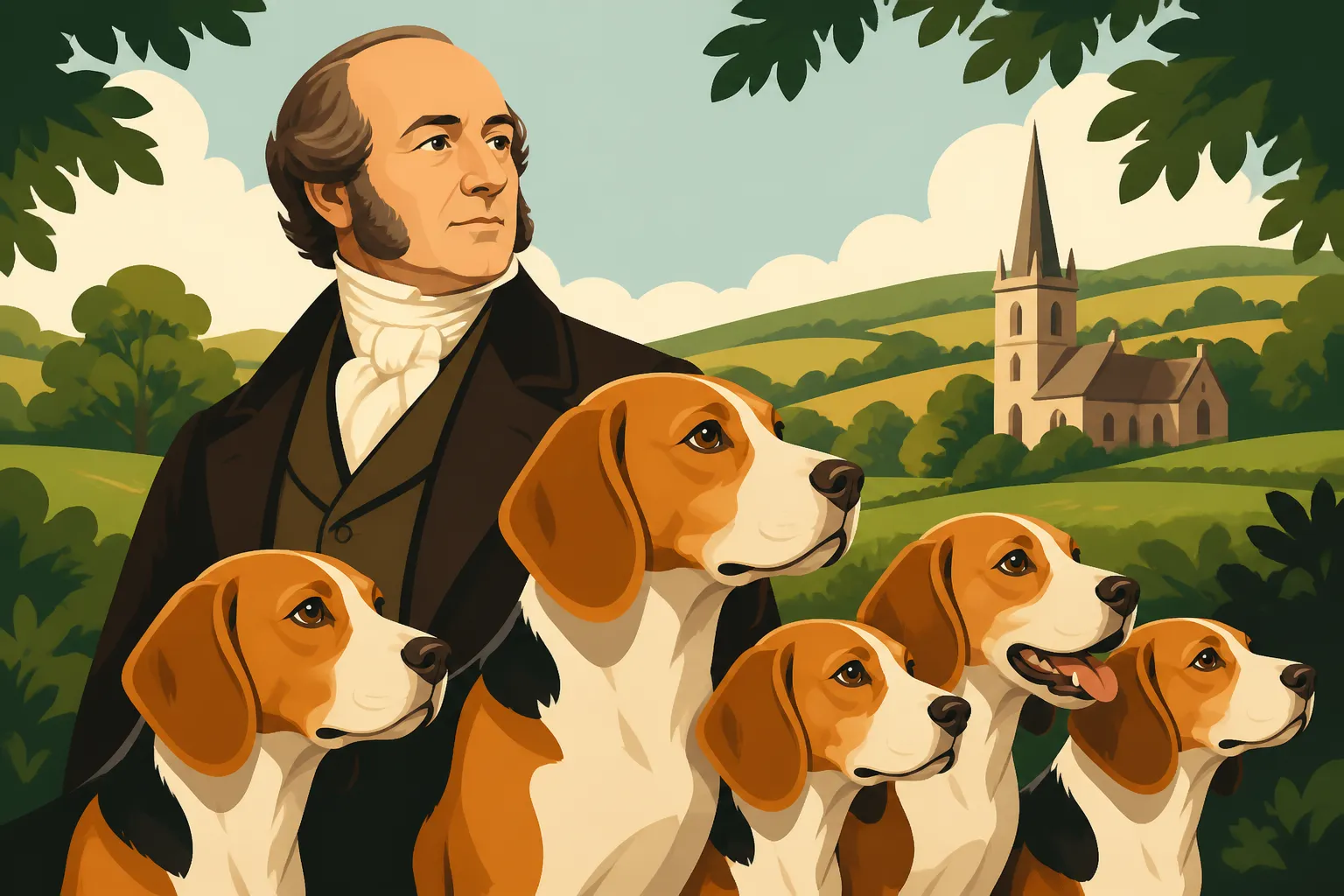
Reverend Phillip Honeywood and His Essex Pack
Have you ever looked at your Beagle, snoozing contentedly on the sofa or sniffing out an invisible trail in the backyard, and wondered where this merry little hound actually came from? For many of us, the history of our beloved breeds can feel a bit fuzzy, lost in the mists of time. But when it comes to the Beagle, one name stands out as absolutely foundational to the dog we cherish today: Reverend Phillip Honeywood, and his famous Essex Pack. This guide will take you back to the early 19th century to uncover his pivotal role in shaping the breed.
The Humble Beginnings of the Modern Beagle: Reverend Honeywood's Vision
It's hard to imagine a time before the Beagle was a distinct, recognizable breed, but the truth is, the journey from generic "hound" to the specific, merry little dog we know today was a long one. For centuries, various small hounds were used across England for hunting hare, often referred to broadly as "beagle-type" hounds. These dogs varied wildly in size, appearance, and even voice. They were working dogs, bred for function above all else, and consistency in type was often secondary.
Enter Reverend Phillip Honeywood. Active in the early to mid-1800s, he wasn't just a clergyman; he was a passionate and influential dog breeder with a keen eye for what he wanted in a hunting hound. While many breeders were focused on larger hounds for foxhunting, Honeywood had a different vision. He was devoted to hare hunting, a sport that often required following the hounds on foot rather than on horseback. This meant he needed a specific kind of dog – smaller, tenacious, and with an incredible nose, but also agile enough to navigate varied terrain without tiring its human companions too quickly. His dedication to refining this type of hound ultimately set the stage for the modern Beagle. His work was pivotal in solidifying a consistent type and temperament, drawing a clear line from the disparate 'beagle-types' to the beginnings of the breed standard. It's a testament to his influence that his name is still mentioned today when discussing How the Modern Beagle Was Built in the 1830s.
He understood that for a pack to work effectively, the dogs needed a uniform drive, speed, and vocalization. This wasn't just about aesthetics; it was about efficiency in the field. Imagine trying to hunt with a pack where some dogs were fast and others slow, some silent and others baying at every shadow. Honeywood aimed for a cohesive unit, a pack that moved and sounded as one, making the hunt more enjoyable and productive. He was, in essence, an early pioneer of selective breeding for specific traits, laying the groundwork for how future generations would approach developing dog breeds.
What Made the Essex Pack So Unique?
Reverend Honeywood's Essex Pack was renowned for several distinct characteristics that set them apart from other hounds of the era. These traits became incredibly influential, largely defining what people would come to expect from a "Beagle."
Size and Stature: The Smaller Hound Ideal
One of the most defining features of Honeywood's Essex Pack was their size. He specifically bred for smaller hounds, often described as standing around 10 inches at the shoulder. This might seem tiny compared to even today's 13-inch and 15-inch Beagle varieties, but it was a deliberate choice for his hunting style. As mentioned, hare hunting was often done on foot, and a smaller dog was easier to follow through dense brush and across fields. They were nimble, energetic, and could maintain their speed over long distances without exhausting themselves or their human followers. This preference for a more compact hound was a significant departure from the larger foxhounds and contributed directly to the development of the distinct Beagle stature. It also highlighted a key aspect of Why Hare Hunting Needed a Small Hound.
These were dogs built for endurance, not just speed. Their sturdy, compact bodies were perfect for pushing through undergrowth and navigating uneven terrain. While they were small, they were far from delicate, possessing the robust build characteristic of working hounds. Their short legs, while perhaps making them appear less speedy, were ideal for keeping their noses to the ground, a crucial trait for a scent hound following a faint trail. This emphasis on smaller size wasn't just a quirk; it was a fundamental aspect of the breed's functional design at that time.
The All-White Coat: A Distinctive Look
Another striking characteristic attributed to Reverend Honeywood's Essex Pack was their predominantly, if not entirely, white coats. While modern Beagles are famous for their tri-color markings (black, white, and tan) or bi-color patterns (lemon and white, red and white), Honeywood's preferred aesthetic leaned towards white. It's said that he specifically bred for these lighter coats, and for a period, his pack was celebrated for its uniform appearance, often described as Honeywood's Ten Inch White Beagles.
Why white? While there's no definitive answer carved in stone, a few practical reasons stand out. In the field, a white dog is much easier to spot against the backdrop of fields, woods, or even falling snow, especially during the low light of dawn or dusk. This visibility would have been invaluable for hunters trying to keep track of their pack, ensuring no hound was lost. It also added to the pack's overall aesthetic appeal, creating a striking visual impression that surely turned heads. While the all-white preference eventually gave way to the more familiar colored patterns we see today, it was a hallmark of Honeywood's specific breeding vision and a testament to his meticulous approach to creating a recognizable, functional, and visually appealing pack.
Honeywood's Legacy: Shaping the Beagle We Know Today
Reverend Phillip Honeywood's breeding efforts were far more than a personal hobby; they laid down critical foundations that influenced the development of the Beagle breed for generations to come. His impact can still be felt in the characteristics we value in Beagles today.
Establishing Type and Temperament
Before Honeywood, "beagle-type" hounds were a diverse bunch. His methodical approach to breeding created a more consistent type – not just in physical appearance, but also in temperament. He was looking for dogs with excellent scenting ability, determination on the trail, and the "merry" disposition that Beagles are so famous for today. This combination of traits was crucial for a successful hunting pack that could work cooperatively and joyfully. His focus on these specific characteristics helped to cement the idea of what a "Beagle" should be, differentiating it from other small hounds. What John Mills Wrote About Beagles in 1845 further elaborates on how these distinctions began to solidify in the public consciousness.
He wasn't just breeding for physical traits; he was breeding for a complete package. The merry disposition, the unwavering focus on a scent, the stamina to follow a trail for hours – these were all part of the "type" Honeywood was striving for. He understood that a good hunting dog needed not only physical prowess but also the right mental fortitude and cooperative spirit. This holistic approach to breeding meant that his influence extended beyond just looks, touching the very soul of the Beagle breed. This is why when we discuss Beagle Temperament and Why the Breed Suits Families, we can trace many of those desirable traits back to these early, intentional breeding decisions.
Influence on Subsequent Breeders
Honeywood's Essex Pack gained considerable renown, and their specific traits became highly desirable. Other breeders looked to his dogs as an ideal, seeking to replicate their consistent size, hunting prowess, and temperament. His work essentially provided a blueprint, a clear direction for the breed's future. While the all-white coat eventually gave way to the multi-colored patterns that became popular later, the underlying principles of his breeding – for a compact, scent-driven, and merry hound – remained central. This early standardization was vital because it meant that as Beagles became more widespread, there was a shared understanding of what defined the breed.
Consider the landscape of dog breeding today. When you look for a purebred Beagle puppy, whether through a dedicated breeder or even searching for supplies on Chewy, there's an expectation of what that puppy will look like and how it will behave. Much of that expectation, even two centuries later, is rooted in the groundwork laid by pioneers like Reverend Honeywood. His commitment ensured that the "Beagle" wasn't just a fleeting type but a well-defined breed with a distinct identity, paving the way for the formalized breed clubs and standards that would emerge later in the century.
Bridging the Centuries: Honeywood's Beagles and Our Own
It's fascinating to consider how much has changed, and how much has remained the same, between Reverend Honeywood's working Essex Pack and the Beagles snuggled on our couches today. While the specific demands of hunting have evolved, the core essence of the Beagle endures.
Evolution of Physical Characteristics
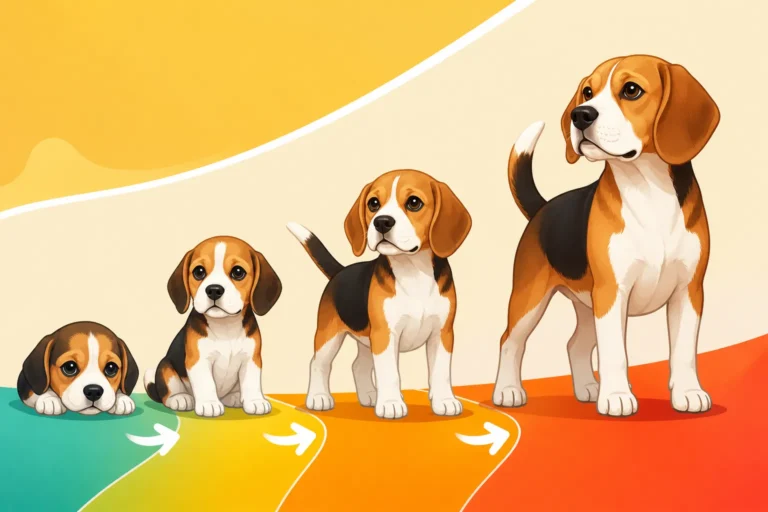
While Honeywood's Beagles were known for their 10-inch stature and often all-white coats, modern Beagles come in two recognized varieties: the 13-inch and 15-inch. This gradual increase in size likely came from a blend of factors, including evolving hunting preferences and perhaps broader aesthetic tastes. Today, the tri-color (black, white, and tan) is arguably the most iconic Beagle coloring, though bi-colors like lemon and white are also common and cherished. This shift from predominantly white to varied patterns shows how breed standards can adapt and change over time, influenced by fashion, function, and even regional preferences.
Despite these changes, the fundamental Beagle build remains: sturdy, muscular, and built for endurance. The long, droopy ears, the expressive eyes, and the tail carried gaily like a flag are still hallmarks of the breed, linking our modern companions directly back to their historical ancestors. When you're browsing for a new harness or a comfy bed for your Beagle on Chewy, you're looking for something that fits this enduring body type, a type refined over centuries.
Enduring Temperament and Scent Drive
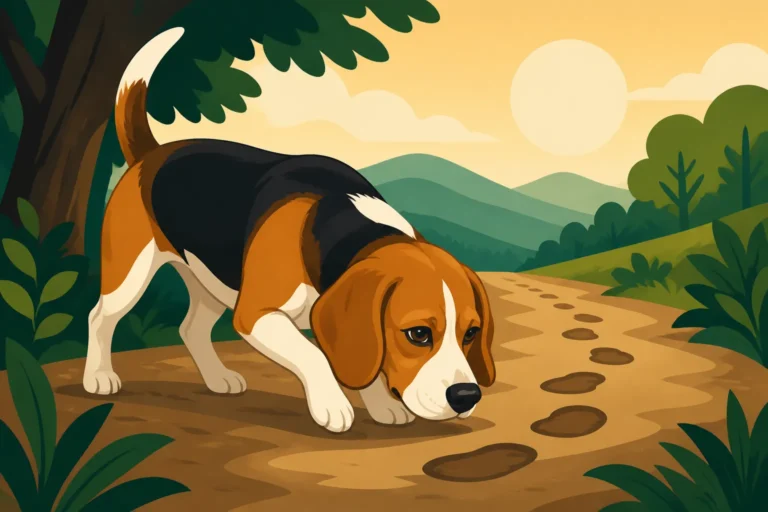
Perhaps the most enduring legacy of Honeywood's work is the Beagle's temperament and unparalleled scenting ability. The "merry" disposition he cultivated is still a defining characteristic, making Beagles wonderful family companions. They are generally good-natured, tolerant, and playful. However, that intense prey drive and incredible nose that made them such effective hunting dogs still dominate their instincts. This is why even a well-trained Beagle can be a challenge off-leash, happily following a fascinating scent trail with complete disregard for your calls. Whether Any Beagle Can Be Trusted Off Leash is a question many Beagle owners grapple with due to this deeply ingrained trait.
This deep-seated desire to sniff and explore means modern Beagle owners often find creative ways to channel their dog's natural instincts. Scent work, tracking games, and long walks where they are allowed to "read the news" with their noses are fantastic ways to keep them mentally stimulated and happy. Whether it's a puppy taking its first tentative sniffs in the garden or a seasoned senior Beagle methodically mapping out every interesting smell on a walk, that powerful nose and drive to follow a scent remain the defining feature of the breed, a direct link to their earliest days as working hounds in packs like Reverend Honeywood's Essex Pack.
A Modern Beagle's Life: Echoes of the Past
Today, most Beagles are cherished family pets, far removed from the rigors of organized hare hunting. Yet, their instincts persist. The pack mentality bred into them means they often thrive with company, whether human or canine. Their vocalizations—the distinctive bay, howl, and bark—are also a direct echo of their past, when communicating on the hunt was paramount. Many Beagle owners know the distinct sound of their dog baying at a squirrel in the yard or howling along with a distant siren.
Even the need for a good quality dog food, something easily found on Chewy, links to their past as robust, active hounds requiring proper nutrition to fuel their boundless energy. While we might not be breeding for all-white coats or solely for field performance, the foundational work of breeders like Reverend Phillip Honeywood ensured that the Beagle's unique character and charm were passed down through generations, making them the beloved, spirited companions they are today. The journey from a specialized hunting hound to one of the most popular breeds worldwide, as reflected in Beagle Popularity and That Number Seven Spot, speaks volumes about the enduring appeal of the traits Honeywood helped solidify.
| Feature | Reverend Honeywood's Essex Pack (c. 1800s) | Modern Beagle (Today) |
|---|---|---|
| Primary Use | Hare hunting (on foot) | Family companion, scent work, hunting (less common) |
| Typical Height | Around 10 inches | 13 inches or 15 inches (two varieties) |
| Preferred Coat Color | Predominantly white | Tri-color (black, white, tan), Bi-color (lemon, red, white) |
| Temperament | Merry, tenacious, strong scent drive | Merry, affectionate, curious, strong scent drive |
| Pack Behavior | Bred to work in cohesive packs | Enjoys company (human/canine), strong pack instinct |
| Breeding Focus | Functional hunting dog | Conforming to breed standard, health, temperament |
Disclaimer
This article is for general informational purposes only and does not constitute professional advice. Laws, prices and regulations vary by location and change over time. Consult a qualified professional for guidance on your specific situation.