How Beagle Puppy Color Shifts With Age
Bringing home a new Beagle puppy is an incredibly exciting time, filled with tiny paws, floppy ears, and that unmistakable puppy smell. But it's not long before many new owners start noticing something fascinating happening with their little hound's coat: the colors begin to shift and morph! That deep black saddle might start to soften, or those faint tan markings could become much more pronounced. It can be a surprising and sometimes confusing journey to witness, so this guide is here to demystify the charming world of Beagle puppy color transformations as they grow from tiny pups into their adult coats.
Understanding the Initial Beagle Puppy Coat
When your Beagle puppy first arrives, whether it's at eight weeks or a little older, their coat might look quite different from what you expect their adult coloring to be. This initial appearance is just a snapshot, a preview of what's to come, and it's heavily influenced by genetics. Think of it like a photograph taken too early; you know the subject, but the lighting and details aren't quite final.
The Appearance of a Newborn Beagle's Coat
Newborn Beagles are incredibly small, often fitting in the palm of your hand, and their coats are typically soft, fine, and quite dense. At this very early stage, the colors can appear much darker or, conversely, quite muted, depending on the specific genetic markers at play. For instance, a puppy destined to be a classic black, tan, and white tricolor often has a much more expansive black "saddle" at birth, sometimes almost covering their entire back and sides. The tan points might be barely visible, or a very light, creamy fawn. The white areas are usually distinct, but even they can sometimes have a faint yellow cast that will brighten later.
What you see in those first few weeks is the foundational layer. Pigment, particularly eumelanin (black/brown) and phaeomelanin (red/tan/yellow), is already present, but its full expression can be masked or not yet fully developed. It's not uncommon for a new owner to pick out a puppy thinking it's one specific shade, only to watch it transform over the next few months. This is why many experienced breeders will tell you that a Beagle puppy's true adult color can be hard to predict definitively until they're a bit older.
Why Puppy Colors Aren't Finalized
The reason for these shifts lies in the maturation of the hair follicles and the subsequent expression of color genes. Pigment cells within each hair follicle are continuously producing color, but the type and amount of pigment can change as the dog grows. In many breeds, and Beagles are no exception, genes exist that cause a gradual lightening or darkening of the coat over time. This isn't a flaw; it's a natural process. Think of it like a photograph developing in a darkroom – the image slowly comes into sharper focus and its true colors emerge.
Environmental factors like sun exposure can also play a minor role, often causing black coats to develop a reddish tinge over time, but the primary drivers are genetic. It’s truly fascinating to watch a puppy’s coat evolve. If you're looking for more details on what the breed standard typically describes, you might find our guide on Beagle Colors, Markings and the Tricolor Standard helpful.
The Dynamic Journey of a Tricolor Beagle's Coat
The tricolor Beagle is arguably the most iconic and frequently seen color pattern, characterized by distinct patches of black, tan, and white. However, what starts as a bold pattern in puppyhood can undergo some significant and often surprising transformations.
The Fading Black Saddle Phenomenon
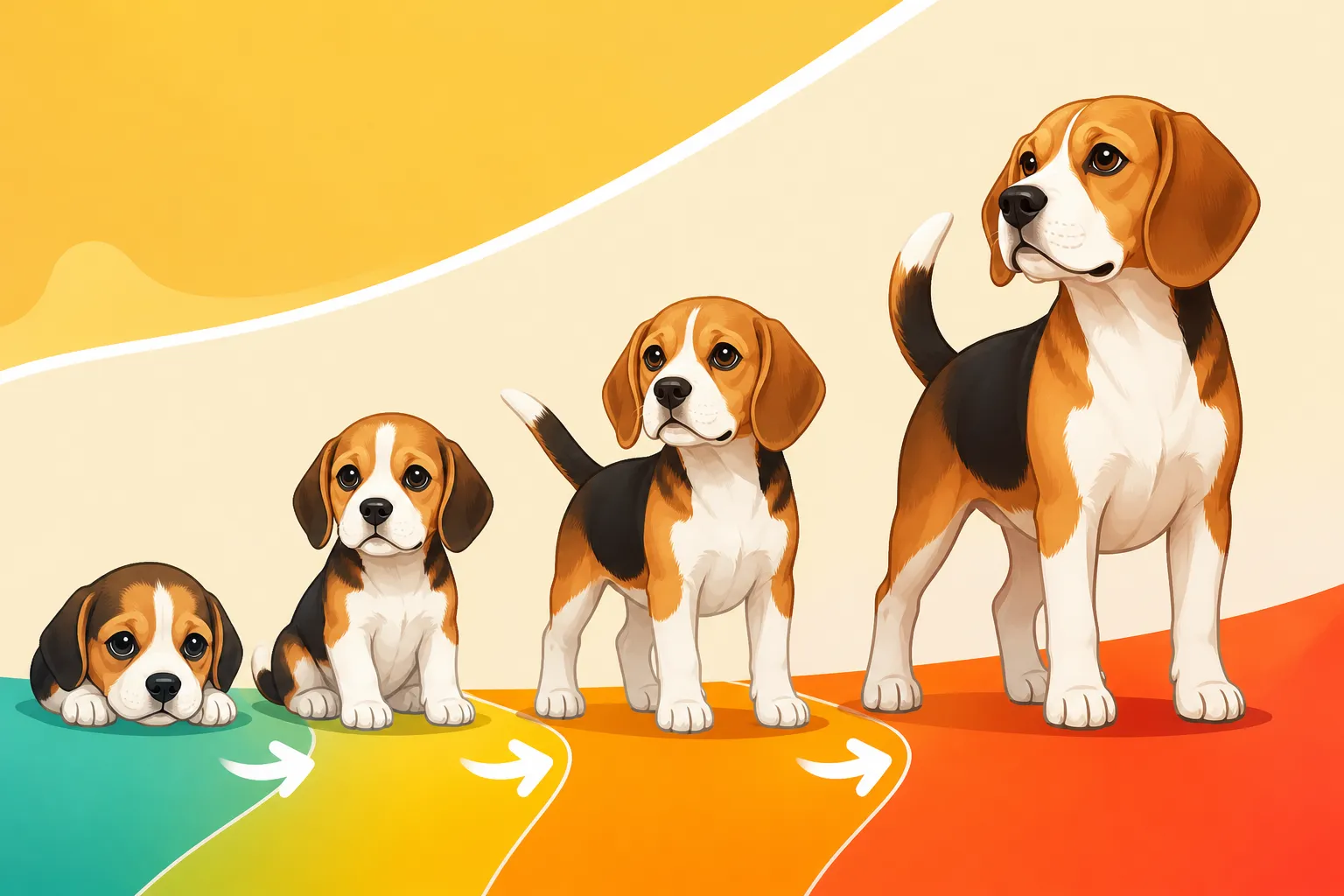
One of the most common and noticeable changes in a tricolor Beagle is the "fading" of the black saddle. When they are very young, many tricolor puppies have a vast, solid black area covering much of their back and flanks, making them look quite dark. Owners often expect this deep, rich black to remain, but over the first year, and sometimes even into their second year, this black can begin to lighten.
Instead of a solid black, it might develop a softer, grayish tone, or even break up into more mottled patches. This is often referred to as "black ticking" or a "broken saddle." It's not that the black disappears entirely, but rather that the individual black hairs are replaced by ones with less pigment, or the underlying tan color becomes more apparent as the black recedes. This transition is completely normal and is a hallmark of the maturing Beagle coat. Don't worry, your dog isn't losing its black; it's simply evolving into its adult coloration, which is still beautiful and distinctive. It's worth noting that some Beagles retain a very solid black saddle well into adulthood, showcasing the genetic variation within the breed. For a deeper dive into the classic look, check out Beagle Tricolor and the Black Saddle.
The Emergence and Deepening of Tan Markings
While the black might soften, the tan markings tend to do the opposite – they often become more vibrant and defined. At birth, the tan points (typically on the face, chest, legs, and under the tail) can be incredibly subtle, appearing as light cream or faint fawn. Some puppies might even look almost bicolored with just black and white.
As your Beagle puppy grows, you'll notice these tan areas slowly but surely deepen in color. They can mature into a rich copper, a warm chestnut, or a bright reddish-tan. This transformation typically becomes more evident around 3-6 months of age and continues to intensify through their first year. This deepening tan provides a striking contrast to the white and the evolving black, adding depth and warmth to their overall appearance. It’s part of what makes each Beagle’s coat unique, a living canvas that changes with time.
The Evolution of Lemon, Blue Tick, and Other Beagle Colors
While the tricolor is dominant, Beagles come in a variety of other beautiful color combinations, each with its own fascinating developmental trajectory. These rarer patterns also undergo significant shifts from puppyhood to adulthood, offering owners a unique visual journey.
Lemon Beagles: From Cream to Sunshine
Lemon Beagles are absolutely delightful, characterized by shades of white and yellow or light tan. A lemon Beagle puppy often starts life looking almost entirely white, or with very, very faint cream patches. It can be incredibly difficult to discern their future lemon markings when they're tiny, leading some new owners to believe they have an all-white Beagle, only to be surprised later on.
As the puppy matures, usually starting around 2-4 months, those subtle creamy patches will begin to develop into the characteristic lemon color. This can range from a pale, buttery yellow to a more vibrant, sunny hue. The intensity of the lemon can continue to deepen over the first year, sometimes becoming quite striking against the bright white coat. These color changes are part of their genetic makeup and a joy to watch unfold. If you're interested in these lighter hues, you might like to read Lemon Beagles and the Rarer Colors.
Blue Tick, Red Tick, and Mottled Coats
Ticked Beagles, like blue tick or red tick varieties, also present a remarkable transformation. Ticking refers to small, isolated spots of color on what would otherwise be white areas of the coat. A blue tick Beagle puppy might appear simply black and white at birth, or red tick puppies as red and white, with little to no visible ticking. The "ticking" gene requires time to express itself.
The ticking usually starts to emerge visibly around 6-12 weeks of age, appearing as small flecks or dots on the white portions of their legs, muzzle, and chest. For blue ticks, these flecks will be grayish-blue, almost like speckles of pepper. For red ticks, they'll be reddish-brown, like rusty spots. These spots will gradually become more numerous and sometimes more prominent as the Beagle ages, creating a beautiful, dappled effect that adds depth and character to their coat. It's a truly unique aspect of their genetics and a stunning feature in an adult Beagle. For more on these distinct patterns, see Beagle Markings and the Ticked Coat.
Understanding Variations in Beagle Colors
It's important to remember that Beagle colors, while adhering to certain standards, have a broad spectrum of expression. Even within the tricolor category, you can have everything from a classic "saddleback" with a large, solid black patch, to a "broken tricolor" where the black is fragmented, or a "faded tricolor" where the black has softened to gray. The tan can be light or deep. Similarly, lemon colors can vary greatly in their intensity.
These variations are what make Beagles so visually diverse and appealing. What matters most isn't the precise shade your puppy ends up being, but their health, temperament, and the joy they bring into your home. Think of the shifting colors as a natural part of their unique development, a charming characteristic of the breed.
Genetic Factors and the Timeline of Color Change
The captivating changes in a Beagle's coat are largely a dance orchestrated by genetics, unfolding over specific periods as your puppy matures. Understanding this timeline can help you appreciate the process and know what to anticipate.
The Role of Pigment Genes
At the heart of all canine coat color are two primary pigments: eumelanin (which produces black and brown shades) and phaeomelanin (which produces red, yellow, and tan shades). The combination and distribution of these pigments are controlled by a complex set of genes. For Beagles, specific genes influence how these pigments are deposited and how they might change over time. For instance, some genes cause a "dilution" effect, turning black into blue or tan into cream. Other genes are responsible for the "grizzle" effect seen in some hounds, where black hairs gradually lighten at the base.
The fascinating aspect of Beagle coat changes is often linked to genes that modify the expression of these pigments as the dog ages. It's not about new pigment appearing, but rather how the existing pigment is displayed or masked over time. A good breeder will have a strong understanding of the lineage and potential color outcomes, though even they can be surprised by a puppy's eventual shade! When considering a puppy, it's wise to ask a breeder about the typical color progression in their lines, as they've likely observed many litters.
General Timeline for Color Stabilization
While every Beagle is an individual, there’s a general timeline for when you can expect most of these color shifts to occur and stabilize.
- Birth to 8 Weeks: This is the initial snapshot. Colors might appear quite dark or very light. Tan points might be subtle. Ticking usually isn't visible yet.
- 2 to 6 Months: This is often when the most noticeable changes begin. Black saddles in tricolors start to soften or lighten. Tan points begin to deepen and become more defined. Lemon markings will start to emerge from cream. Ticking may become faintly visible on white areas.
- 6 Months to 1 Year: The changes continue, but often at a slower pace. Tan colors typically reach their mature depth. Black might continue to soften. Ticking will become more pronounced and spread.
- 1 Year to 2 Years: For most Beagles, their adult coat color is largely established by one year, but some subtle changes, particularly the further lightening of black or the full development of ticking, can continue up to two years of age. After this, their color is generally set for life, though aging can bring some graying, especially around the muzzle, just like with people.
Think of it as a grand artistic production. The stage is set at birth, the main acts unfold in the first year, and the final details are polished off by the second year. Don't be too worried if your puppy isn't the exact shade you envisioned when they were tiny; their adult coat will be uniquely theirs. It's just one of the many exciting things you get to witness as your Beagle grows. Ensuring they have proper nutrition during this growth phase is important, and you can find a wide range of age-appropriate foods on sites like Chewy that support healthy coat development.
When to Consult a Vet About Color Changes
While the vast majority of Beagle color shifts are normal and genetically predetermined, there are very rare instances where drastic or unusual coat changes could signal an underlying health issue. For example, sudden, unexplained patches of hair loss that also involve a change in skin or coat color in that area, or a widespread dulling and thinning of the coat accompanied by other symptoms like lethargy or weight changes, would warrant a vet visit.
Conditions like hypothyroidism can sometimes cause coat changes, including hair loss and a dull, dry coat, but these typically come with a host of other symptoms like weight gain and low energy. If you notice any changes that concern you beyond the normal, gradual shifts described here – especially if they're accompanied by skin irritation, flakiness, or behavioral changes – it's always best to have a chat with your veterinarian. They can confirm if the changes are simply part of your Beagle's natural maturation or if there's anything else at play. For general health insights, you might find our article on Beagle Hypothyroidism Symptoms Owners Notice First insightful.
Here's a table summarizing the general color shifts you can expect:
| Beagle Color Type | Puppy Appearance (0-8 Weeks) | Young Adult (6 Months – 1 Year) | Adult Appearance (1-2 Years +) | Notes |
|---|---|---|---|---|
| Tricolor | Dark, expansive black saddle; faint tan points; clear white. | Black saddle begins to soften/lighten; tan deepens/expands. | Black is often softer or broken; tan is rich and defined. | Most common for black to "fade" to gray. |
| Lemon | Appears mostly white or with very faint cream patches. | Cream patches start to develop into pale yellow/lemon. | Lemon color fully developed, ranging from pale to vibrant. | Can be mistaken for white puppies early on. |
| Blue Tick | Black and white, with little to no visible ticking. | Faint bluish-gray flecks begin to appear on white areas. | Ticking becomes more numerous and distinct, giving a dappled effect. | Ticking develops over time, rarely visible at birth. |
| Red Tick | Red and white, with little to no visible ticking. | Faint reddish-brown flecks begin to appear on white areas. | Ticking becomes more numerous and distinct, giving a dappled effect. | Similar development to blue tick, just different color. |
As your Beagle matures and its coat settles into its final colors, you'll want to maintain a good grooming routine. Regular brushing, using quality brushes, can help manage shedding and keep their evolving coat looking its best. Products found on Chewy can certainly help with this, ensuring your Beagle's coat stays healthy and vibrant, regardless of its final shade. Don't forget, keeping them active with plenty of sniffing walks also contributes to their overall well-being and a healthy appearance!
Disclaimer
This article is for general informational purposes only and does not constitute professional advice. Laws, prices and regulations vary by location and change over time. Consult a qualified professional for guidance on your specific situation.