What Nobody Tells You Before Getting a Beagle
So, you're thinking about getting a Beagle, perhaps drawn in by those soulful eyes, that wagging tail, and the image of a happy-go-lucky hound. It's easy to fall in love with their charm, their compact size, and their reputation as friendly family dogs. What many folks don't realize, though, is that beneath that adorable exterior lies a highly specialized, intensely driven scent hound whose instincts can be quite surprising to the uninitiated. This guide will pull back the curtain on some of the realities of Beagle ownership that often go unmentioned, helping you understand what truly makes them tick before you bring one home.
The Unstoppable Beagle Nose: When Scent Becomes Obsession
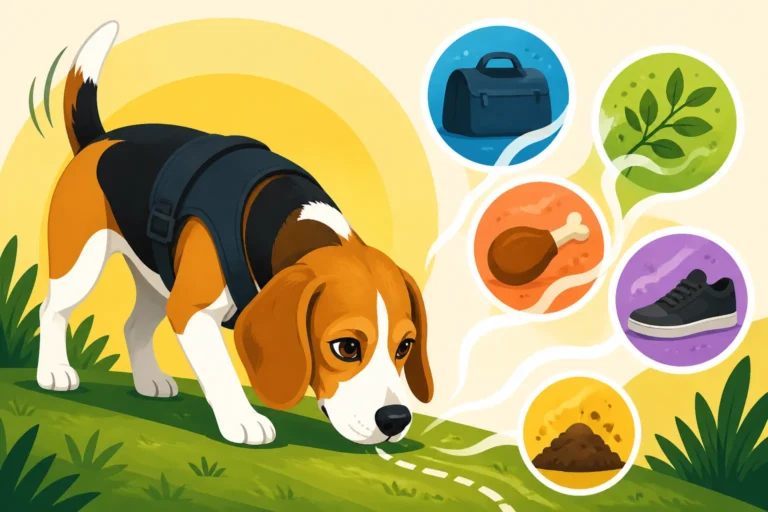
Let's get one thing straight: a Beagle's nose isn't just "good," it's a superpower. It's the driving force behind almost everything they do, and if you don't understand this fundamental truth, you're going to have a rough time. They live in a world of smells that we can barely fathom, and once they lock onto a scent, the rest of the world, including you, often ceases to exist.
The World Through a Beagle's Olfactory Bulb
Imagine having 220 million scent receptors, compared to our measly 5 million. That's a Beagle's reality. Their olfactory bulb, the part of the brain that processes smells, is disproportionately large, giving them an almost encyclopedic knowledge of their environment through scent alone. Every walk is a symphony of smells – the squirrel that ran across the path an hour ago, the neighbor's cat that visited the rose bush, the faint whiff of a dropped french fry from last week. For a Beagle, these aren't just background noise; they are urgent, compelling stories unfolding right under their nose. This intense focus isn't stubbornness; it's simply a Beagle being a Beagle. Trying to rush them through a sniffing session is like trying to make a human stop reading a gripping novel mid-sentence. You can't truly appreciate the scope of their world without understanding The 220 Million Receptors Behind a Beagle's Nose.
This incredible sense of smell means your Beagle will always be investigating. They aren't trying to be naughty when they follow a scent off the path or try to root out that hidden crumb under the couch. They are simply engaging with their world in the most profound way they know how. This can be wonderful for enrichment – imagine a simple walk becoming a thrilling adventure for your dog – but it also means constant vigilance on your part. You'll quickly learn that "leave it" isn't just a command; it's a prayer you utter repeatedly, especially when that delicious (to them) discarded chicken bone calls from across the street.
Recall That Fades on a Scent Trail
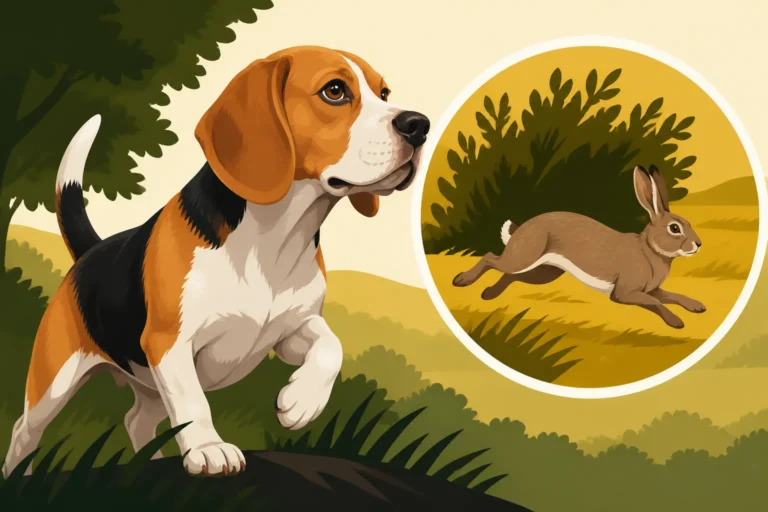
The consequence of that powerful nose is often a very selective sense of hearing. You might have the best recall in the world in your living room, or even in a quiet park, but introduce a tantalizing scent trail – say, a rabbit that just darted through the bushes – and suddenly, your Beagle is deaf. Your pleas, your calls, even the crinkle of their favorite bag of treats, might not even register. They are literally in another dimension, completely absorbed by the pursuit of that invisible line of odor. This isn't defiance; it's instinct overriding everything else.
This is why the mantra "a Beagle should never be off-leash unfenced" isn't a suggestion; it's a safety rule born from years of experience. Stories abound of Beagles disappearing for hours, sometimes days, only to be found miles away, happily following a scent. You simply cannot trust them with off-leash freedom in an unfenced area, no matter how well-trained you think they are. It's not a reflection of your training ability; it's a reflection of thousands of years of breeding designed for a specific purpose. For their safety and your peace of mind, a long line or a secure, well-inspected fence is absolutely essential. Consider looking at articles like Why a Beagle Should Never Be Off Leash Unfenced for more insights on this critical topic.
The Hidden Energy Drain of a Sniffing Walk
When you think of exercise, you probably imagine your dog running, jumping, and chasing. While Beagles certainly need physical activity, what many owners don't realize is how mentally exhausting scent work is for them. A leisurely sniff walk, where your Beagle is allowed to follow scent trails, investigate bushes, and process the olfactory news of the day, is often far more tiring and satisfying than a brisk jog around the block where they're constantly pulled away from interesting smells.
These "nose walks" are crucial for their well-being. Denying a Beagle the opportunity to sniff and explore can lead to frustration, boredom, and potentially destructive behaviors at home. It’s like forcing a human to sit through a silent movie with the sound turned off – they’re missing half the experience. You might think you're exercising them by walking fast, but you're actually depriving them of their natural mental stimulation. Investing in a good quality, comfortable harness, perhaps one you pick up from a reputable store like Chewy, will make these sniffari adventures much more pleasant for both of you, as it takes pressure off their neck and allows them to comfortably lead with their nose. Embrace the slow pace, bring patience, and let their nose be their guide for at least part of every outing.
The Beagle's Voice: More Than Just a "Merry" Bay
Beagles are often described as "merry" hounds, and while that's true of their general disposition, it can also be a euphemism for "they like to use their voice." And when a Beagle uses its voice, it's not just a polite bark. They have a full range of vocalizations, from mournful howls to sharp barks, and their signature, resonant bay.
Understanding the Different Beagle Vocals
It's easy to lump all dog noises into "barking," but Beagles have a nuanced vocabulary. Their bark can be sharp and demanding, used to get your attention for food, playtime, or just because they saw a leaf fall. Then there's the howl, a long, drawn-out cry that can sound incredibly lonely or be a response to sirens, music, or other distant canine calls. And finally, the iconic bay – a deep, guttural sound, often described as a "singing" bark, designed to announce to a hunting pack that prey has been found. This bay carries, and it's meant to. You can learn a lot by listening to What a Beagle Bay Actually Sounds Like to truly appreciate the distinctness of this vocalization.
Each of these sounds serves a purpose for a Beagle. The bark is for communication with you or perceived threats. The howl is often a primal call, a connection to their pack heritage. The bay is their joyful announcement, their working sound. The trick for owners is to differentiate between them and understand the underlying motivation. Are they bored? Lonely? Alerting you to something outside? Or just engaging in a bit of spontaneous, full-throated conversation with the world?
The Volume and Persistence of a Beagle's Bay
Here's the kicker: that bay? It's loud. Like, really loud. And it carries. Far. A happy Beagle baying in your backyard can easily be heard by your neighbors two houses down, sometimes more. This isn't a yappy little dog bark; it's the sound of a hound bred for centuries to announce its findings across fields and through forests. And they love to do it. When they pick up an exciting scent, see a squirrel, or even just feel like expressing themselves, that bay will come.
Many new Beagle owners are completely unprepared for the sheer volume and persistence of this vocalization. It's often the number one reason Beagles are surrendered to shelters – not because they're bad dogs, but because their natural vocal tendencies clash with human expectations or neighborhood quiet hours. Trying to train the bay out of a Beagle is often a losing battle; it's deeply ingrained. Instead, the focus needs to be on managing the triggers and providing appropriate outlets for their energy and scent drive. If you live in an apartment or a close-knit community with noise restrictions, a Beagle might be a challenging choice. It's essential to consider this aspect deeply and think about whether your living situation can accommodate a truly vocal breed.
Living with a Vocal Hound in a Quiet Neighborhood
So, you've got a vocal Beagle. Now what? The key is proactive management and setting realistic expectations. First, accept that your Beagle will use their voice. Second, identify the triggers. Is it every time the mail carrier comes? Another dog walks by? When they're left alone? For separation-related vocalizations, articles like Beagle Howling the Moment You Leave can provide invaluable guidance.
For outdoor triggers, consider visual barriers on fences or window film indoors to reduce their ability to see movement that might set them off. Consistent training using positive reinforcement can help teach a "quiet" cue, but remember, you're managing a natural instinct, not eradicating it. Enrichment is also vital. A mentally stimulated Beagle is a less bored, less vocal Beagle. Puzzle toys, snuffle mats, and plenty of supervised sniff time can go a long way. You can find a huge variety of these types of enrichment toys on Chewy, perfect for keeping a busy Beagle brain engaged. Communication with your neighbors is also crucial. A polite heads-up, or even a small gift with a note explaining your efforts, can go a long way in maintaining good relationships, especially if your Beagle has a penchant for morning announcements.
The Beagle's Cleverness: Escape Artistry and Resourcefulness
Behind those sweet, pleading eyes is a mind constantly at work, figuring out how to achieve its goals – usually food-related, and often involving getting out or in somewhere they shouldn't be. Many people underestimate a Beagle's intelligence, mistaking their scent-driven focus for a lack of smarts. They are, in fact, incredibly resourceful and determined problem-solvers.
The Persistent Quest for Food and Treasure
Beagles are born scavengers. They were bred to hunt in packs, and in a pack, you eat what you find, and you eat it fast before someone else gets it. This translates to an almost unparalleled food drive in the modern pet Beagle. Nothing is safe: unattended plates, counter-surfing opportunities, open pantry doors, even closed trash cans are just challenges waiting to be overcome. If it smells remotely edible, a Beagle will devise a plan to get it.
This isn't about being "naughty"; it's a deep-seated instinct. You will need to become a master of Beagle-proofing your home. Child locks on cabinets, heavy trash cans, and never leaving food unattended on counters or low tables will become part of your daily routine. Training "leave it" and "drop it" with high-value treats is critical, but even then, their drive can overwhelm their training in a moment of weakness. Understanding High-Value Food and How Fast a Beagle Learns can help you leverage this drive positively in training, but always be aware of its potential for mischief. This powerful drive is why the Beagle Brigade uses Beagles at airports – they are unmatched in their motivation to find hidden snacks!
Containment Challenges: Fences and Doors
If there's one thing a Beagle knows, it's how to get where it wants to go. And often, where they want to go is "outside that fence" or "through that open door." They are notorious escape artists. A standard 4-foot fence might as well be a suggestion for a determined Beagle; they can jump surprisingly high, climb surprisingly well, and most commonly, they are expert diggers. A faint rabbit scent on the other side of your fence is all the motivation they need to start an excavation project worthy of an archaeological dig.
You'll quickly learn about Beagle Digging Under the Fence Line and the need for fence skirts or buried wire to prevent tunneling. Gates need robust, Beagle-proof latches, and the family will need to be drilled on strict "no door dashing" rules. A moment of inattention, a delivery person at the door, or a child forgetting to close the gate can lead to a Beagle vanishing into the horizon, nose to the ground, completely oblivious to your frantic calls. This is why many Beagle owners invest in GPS trackers, adding an extra layer of security, often available on online pet supply retailers like Chewy.
The Unexpected Intelligence of a "Stubborn" Hound
Many people label Beagles as stubborn, but it's often a misinterpretation of their intelligence and intense focus on scent. A Beagle isn't ignoring you because it's dumb; it's ignoring you because its brain is completely engaged in a more compelling activity – usually sniffing something fascinating. They are incredibly clever at problem-solving, especially when food is involved. Give them a puzzle toy, and they'll figure it out. Give them a crate latch, and they'll test every angle.
This intelligence, combined with their independent nature, means training requires patience, consistency, and a deep understanding of what motivates them. Traditional obedience can be a challenge because their natural instincts often conflict with our suburban rules. Instead of fighting their nature, channel it. Scent work, tracking, or even barn hunt activities are perfect outlets that satisfy their innate drive and make them incredibly happy. Engage their brain, and you'll find a highly intelligent, capable dog rather than a "stubborn" one.
The Beagle's Hidden Sensitivities: What Lies Beneath the Happy-Go-Lucky Vibe
While Beagles are generally cheerful and robust, they're not immune to deeper sensitivities, particularly given their pack heritage and some breed-specific health concerns. These are aspects that new owners might not fully consider when admiring their outwardly jovial nature.
Separation Anxiety in a Pack-Oriented Breed
Beagles were bred to live and work in packs. They are social creatures, thriving on companionship, whether canine or human. This strong pack drive can make them particularly prone to separation anxiety. Being left alone for long periods can be incredibly distressing for a Beagle, leading to the vocalizations we discussed, destructive chewing, or inappropriate urination. It's not malice; it's genuine distress at being isolated from their pack.
Many owners find themselves overwhelmed by the intensity of Beagle Separation Anxiety in a Breed Bred for Packs. What might seem like a manageable few hours alone for another breed can be a nightmare for a Beagle. Crating can help some feel secure, but for others, it can exacerbate anxiety. Careful desensitization, providing plenty of mental and physical exercise before you leave, and considering options like doggy daycare or a dog walker are crucial strategies. For some Beagles, a second compatible dog can indeed help, though this isn't a universal cure. The key is never to underestimate their need for connection and companionship.
The Importance of Socialization and Early Training
Because Beagles are so driven by their nose and can be independently minded, early and consistent socialization and training are paramount. A well-socialized Beagle puppy is far more likely to navigate the complexities of our human world with confidence. Exposure to various sights, sounds, people, and other well-behaved dogs during their critical socialization period (up to about 16 weeks) is essential.
Without proper socialization, that friendly, merry demeanor can give way to fear or reactivity. A Beagle who hasn't learned to cope with novel stimuli might become anxious, retreat, or even lash out. Consistent, positive reinforcement training from day one helps build a strong bond and teaches them how to exist peacefully in a home environment. Even if you're not planning to compete, basic obedience classes are invaluable, helping you understand how to communicate effectively with your scent-driven companion. Don't assume their innate friendliness means you can skip these crucial steps; they lay the foundation for a well-adjusted adult dog.
Health Predispositions That Add Up Over Time
While Beagles are generally a sturdy breed with a good lifespan, they do have a few health considerations that often go unmentioned but can lead to significant costs and care requirements over their lifetime. Many breeders aim to screen for these, but nothing is a guarantee.
- Ear Infections: Those adorable long, floppy ears? They create a warm, moist environment perfect for bacteria and yeast to thrive. Be prepared for regular ear cleanings and potential vet visits for Beagle Ear Infections Under Those Long Ears. This isn't just a minor inconvenience; chronic infections can be painful and expensive.
- Obesity: We've talked about their food drive. Combine that with owners who can't resist those pleading eyes, and you have a recipe for Beagle Obesity and the Diseases It Brings On. An overweight Beagle is at higher risk for joint problems, diabetes, heart disease, and a shortened lifespan. Managing their weight requires strict portion control and consistent exercise, which can be tougher than it sounds when they're always "starving."
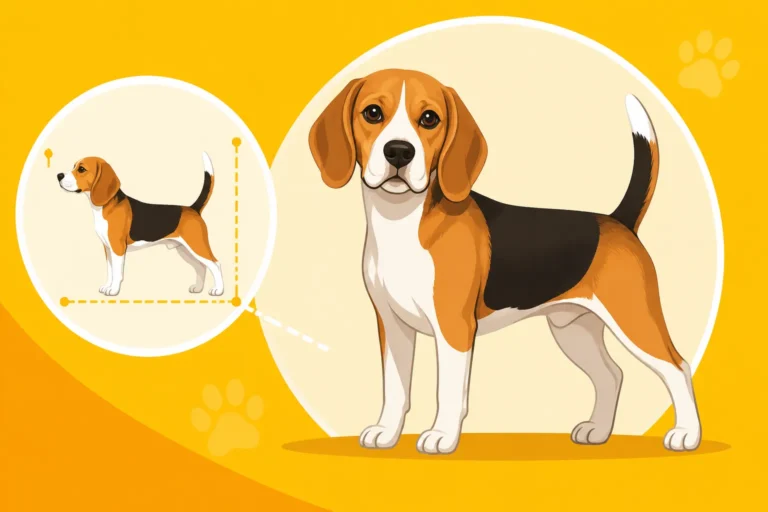
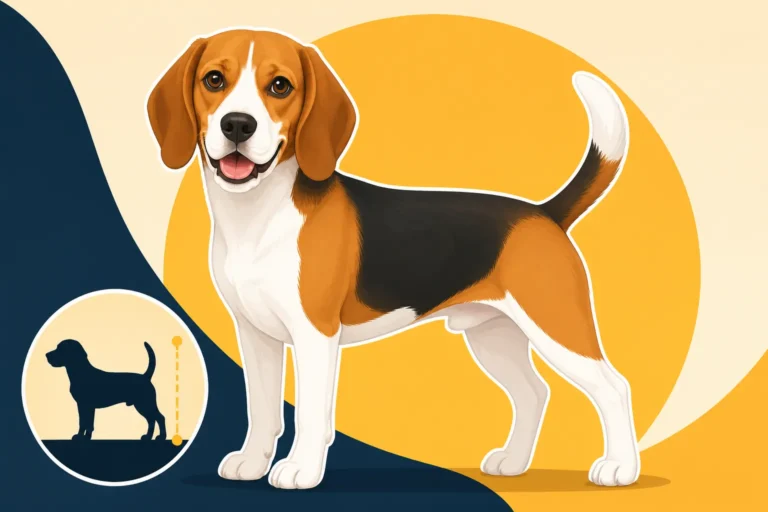
- Back Problems: Beagles have a relatively long back compared to their leg length, which, while not as extreme as some other breeds, can make them prone to intervertebral disc disease (IVDD) or other back issues, especially if they are overweight or allowed to jump excessively. Protecting their back from a young age with ramps and careful handling is a wise precaution.
While a Beagle from a responsible breeder should have parents health-tested for some genetic conditions, these more common issues are something every Beagle owner needs to be aware of and proactively manage. The idea that a Beagle is a "cheap" or "easy" dog from a health perspective can be far from the truth.
Bringing a Beagle into your life is an adventure, one filled with laughter, endless snuggles, and the unique joy of living with a scent hound. But it's also an adventure that demands patience, understanding, and a willingness to adapt your lifestyle to meet the needs of a dog whose instincts are powerful and ancient. They are not miniature Golden Retrievers; they are Beagles, pure and simple, The Beagle From English Rabbit Packs to American Homes, with all the wonderful, challenging, and unique traits that come with that heritage. By going in with your eyes wide open to these "untold truths," you'll be much better prepared to offer your Beagle the happy, fulfilling life they deserve, and in turn, experience the profound companionship only a Beagle can offer.
Disclaimer
This article is for general informational purposes only and does not constitute professional advice. Laws, prices and regulations vary by location and change over time. Consult a qualified professional for guidance on your specific situation.