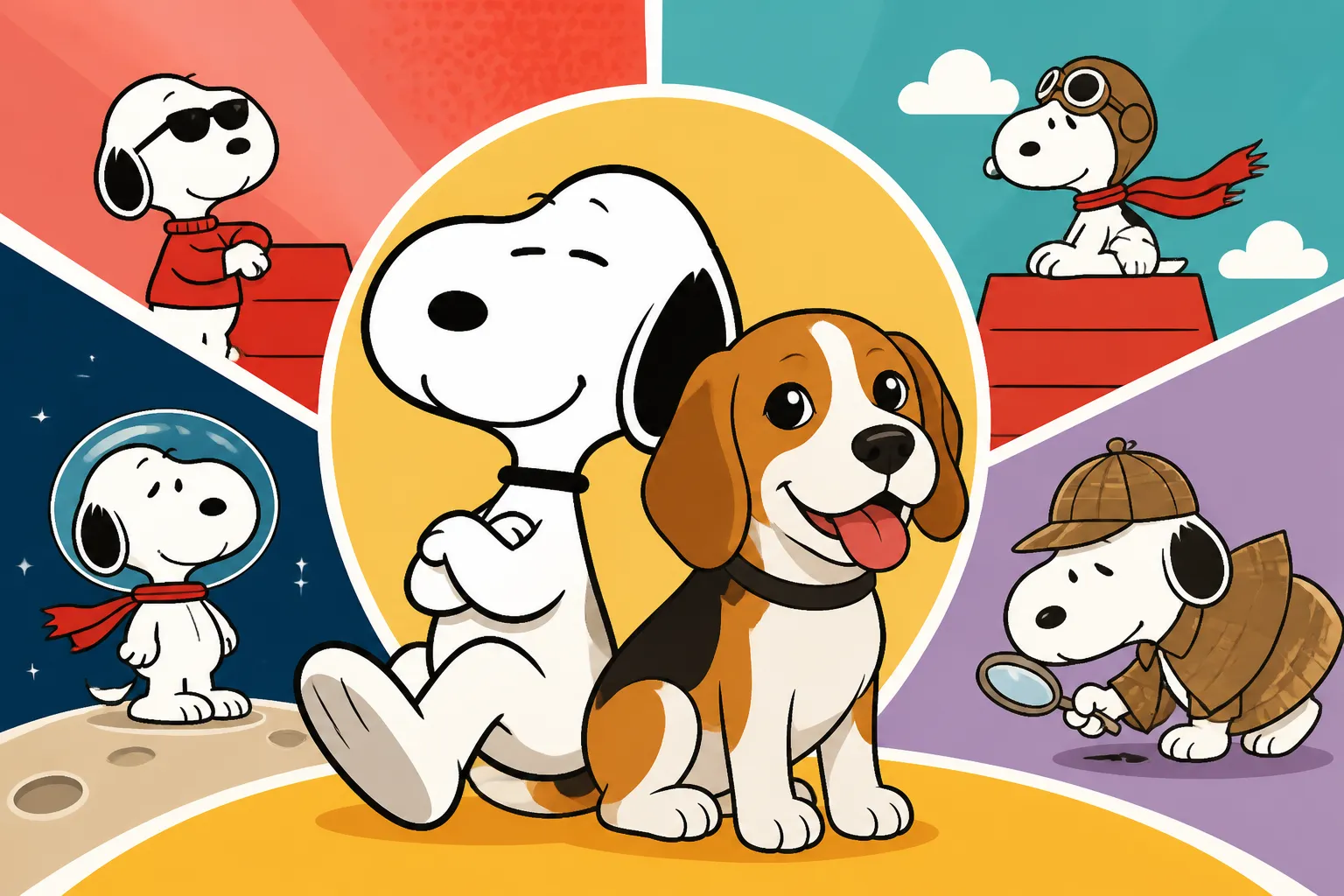
Snoopy and the Beagle in Popular Culture
Many people have their first encounter with a Beagle not in person, but through a beloved cartoon character or a memorable role on screen. While these portrayals are wonderfully charming and have undoubtedly introduced countless families to the breed, they often paint an incomplete picture, sometimes leading to surprises when a real-life Beagle bounds into the home. This guide aims to explore the fascinating impact of Beagles in popular culture, from the iconic Snoopy to their crucial working roles, while also grounding those romanticized images in the wonderful, noisy, scent-driven reality of owning one of these incredible hounds.
The Enduring Legacy of Snoopy: A Cultural Icon
It's almost impossible to think of Beagles without Snoopy, isn't it? For generations, this clever, imaginative, and endlessly loyal cartoon dog has been the face of the breed for millions, transcending the comic strip pages to become a global phenomenon. His iconic status has shaped our collective understanding, and sometimes misunderstanding, of what a Beagle truly is.
Why Charles Schulz Chose a Beagle for Snoopy
When Charles M. Schulz first introduced Snoopy in the Peanuts comic strip in 1950, he wasn't necessarily setting out to create a breed ambassador. Yet, his choice of a Beagle for the character proved to be inspired. Snoopy’s personality – his mischievousness, his capacity for deep thought (especially about food!), his unshakeable optimism, and his occasional stubborn streak – often mirrors the delightful, if sometimes challenging, traits of real Beagles. While Snoopy might fly his Sopwith Camel on top of his doghouse, a real Beagle is more likely to be found with its nose to the ground, absolutely lost in a world of scent. But that deep absorption, that focus, is a quality that Schulz perhaps intuited and translated into Snoopy's imaginative inner life. The Beagle’s compact size and generally cheerful disposition also made for an appealing, non-intimidating character that readers of all ages could connect with. He wasn't a fierce guard dog; he was a companion, a friend, a philosopher – all roles that real Beagles, in their own way, embody for their families.
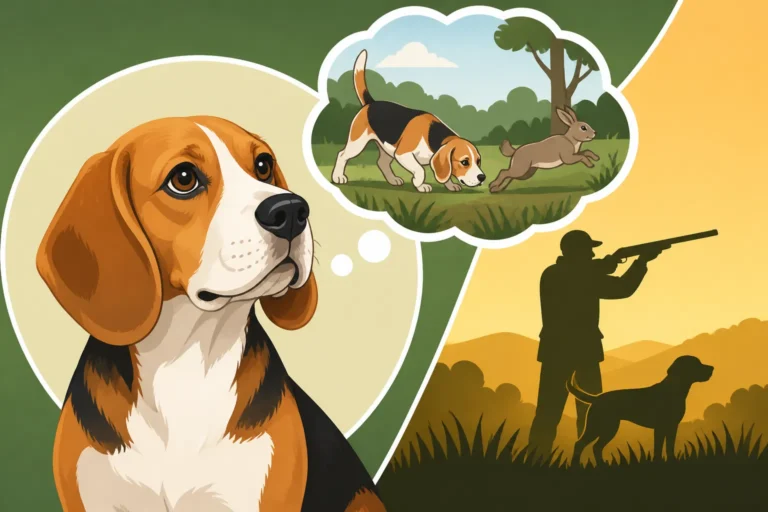
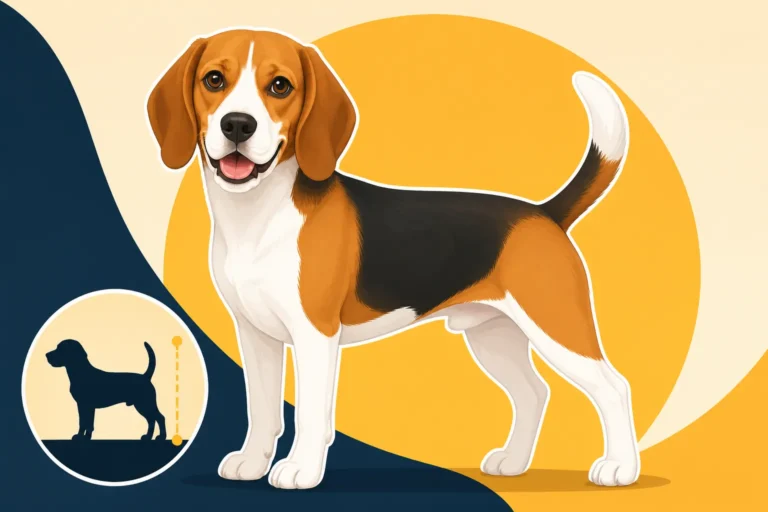
Schulz’s genius lay in imbuing Snoopy with profoundly human characteristics while still allowing him to be unmistakably canine. His love for food, his naps, his determined pursuit of what he wants (often attention or a meal), these are all traits that Beagle owners nod along with. The famous white tip on Snoopy's tail, often described as a "flag," is a distinct characteristic of the breed, bred to help hunters spot their dogs in tall grass. Even small details like this connect the cartoon to the historical working dog, showing how deeply Schulz understood the essence of what makes a Beagle, well, a Beagle, even if he gave him the ability to type a novel.
Snoopy's Impact on Beagle Popularity and Perception
There’s no doubt that Snoopy has been a massive driver of Beagle Popularity and That Number Seven Spot among dog breeds in many countries. His gentle, funny, and clever demeanor has made Beagles seem like the perfect family pet – always happy, always entertaining, and eternally loyal. This perception has led many families to seek out Beagles, hoping to bring a little bit of Snoopy's magic into their homes. However, this is where the popular culture image can sometimes diverge sharply from reality. While Beagles are indeed loyal and entertaining, they are also hounds with deeply ingrained instincts. They are noisy, scent-driven, and often challenging to train, particularly when their nose takes over.
The "Snoopy effect" can, unfortunately, lead to a situation where new owners, captivated by the cartoon, are unprepared for the actual demands of the breed. They might expect a quiet, contemplative companion, only to find a dog that bays at every siren and follows its nose over all commands. This isn't to say that Beagles aren't wonderful family dogs – they absolutely are! – but their unique traits require an owner who understands their hound nature, not just their cartoon alter-ego. The good news is, for those who do their research, the real Beagle often proves to be even more endearing and fascinating than the fictional one, albeit in a much louder, smellier way.
Beagles Beyond Snoopy: Film, Television, and Advertising
While Snoopy might be the undisputed king of Beagle pop culture, our favorite hounds have had plenty of other starring roles, gracing both the big screen and the small, and even lending their charming faces to various advertising campaigns. These appearances further cement their image as friendly, sometimes mischievous, and undeniably endearing canine companions.
Memorable Beagle Appearances in Movies and TV
Beagles have a knack for stealing scenes, and Hollywood has certainly taken notice. One of the most heartwarming examples is Shiloh, the titular Beagle from the beloved books and movies. Shiloh perfectly encapsulates the gentle, vulnerable side of the breed, showcasing their capacity for deep attachment and their expressive eyes that can melt any heart. The films portray Shiloh's journey, highlighting themes of empathy, responsibility, and the strong bond between a boy and his dog. This portrayal, much like Snoopy's, often emphasizes the Beagle's sweetness and loyalty, making them appear as the quintessential lovable companion.
Then there's Underdog, the super-powered canine hero, who was often depicted as a Beagle or Beagle mix. While a more fantastical take, Underdog played on the underdog narrative, transforming a seemingly ordinary dog into a powerful force for good, a testament to the unexpected greatness that can reside within these modest-sized hounds. Even in the animated world, the intrepid Snowy, from The Adventures of Tintin, has often been interpreted by fans as a Fox Terrier, but his loyal, clever, and adventurous spirit shares many characteristics with a resourceful Beagle companion, always by Tintin's side through thick and thin. These cinematic and televisual roles, whether featuring real dogs or animated characters, tend to focus on the Beagle's intelligence, loyalty, and often a touch of comedic timing, further solidifying their place in our cultural consciousness as charming and capable dogs.
Beagles as Brand Mascots and Commercial Stars
The Beagle's universally appealing looks and generally cheerful disposition make them a natural choice for advertisers looking to convey friendliness, trustworthiness, and a touch of wholesome charm. They've appeared in countless commercials, promoting everything from pet food to household products. Their expressive faces and floppy ears are instantly recognizable and evoke a sense of warmth and familiarity, making them highly effective brand ambassadors. You might see a happy Beagle romping through a field in a dog food commercial, enthusiastically devouring a bowl of kibble – a perfectly accurate depiction of their notorious food drive!
Companies like Chewy, a well-known online retailer for pet supplies, understand the appeal of breeds like the Beagle in their marketing. Their imagery often features happy, healthy dogs enjoying their products, and a Beagle's earnest face and wagging tail certainly convey that message. Their gentle demeanor makes them approachable, while their lively energy suggests vitality. This makes them ideal for showcasing products like durable toys (essential for a chewy Beagle!), comfortable beds, or even specialized training treats that tap into their legendary scent drive. These advertising roles leverage the Beagle's innate charm to create a positive association with the brand, subtly reinforcing their image as a beloved and family-friendly pet.
Real-Life Beagles in Public Service and Working Roles
Beyond the glamour of Hollywood and the comic strip pages, real Beagles have a long and distinguished history as working dogs. Their exceptional sense of smell, keen intelligence, and compact size make them invaluable assets in various public service roles, proving that their talents extend far beyond mere cuteness.
The Beagle Brigade and Their Crucial Work
Perhaps the most famous real-life working Beagles are those serving in the U.S. Department of Agriculture's (USDA) Animal and Plant Health Inspection Service (APHIS) Beagle Brigade. These dedicated dogs are deployed at airports, seaports, and mail facilities across the country, where they use their incredible noses to detect prohibited agricultural products in travelers' luggage and packages. The main problem the brigade faces is the accidental introduction of pests and diseases that could devastate American agriculture.
The choice of Beagles for this vital role is no accident. They possess an astounding The 220 Million Receptors Behind a Beagle's Nose, making them incredibly effective at sniffing out even minute quantities of fruits, vegetables, and meats. What's more, their relatively small and non-intimidating appearance helps to put travelers at ease, making them much more approachable than larger, more imposing breeds. As such, these dogs are highly effective without causing undue stress or alarm. Their selection is a testament to their exceptional olfactory capabilities and their friendly demeanor. The USDA Beagle Brigade at the Airport is a fascinating example of how this breed's natural talents are harnessed for the greater good, protecting our agricultural industry one sniff at a time. It’s a job that truly celebrates the Beagle's core strengths, recognizing that their "nose-first" approach to life can be channeled into an incredibly important and impactful career.
Beagles in Conservation and Medical Detection
The Beagle's superior scenting abilities aren't just for airport security; they're also being utilized in a growing number of critical conservation and medical detection efforts. In the world of conservation, Beagles are proving to be invaluable tools for researchers. Imagine trying to track elusive wildlife or monitor invasive species in dense terrain – a nearly impossible task for humans alone. But a Beagle, trained to detect specific animal scat or even certain plants, can cover ground much more efficiently and effectively. Their ability to discriminate between scents, even faint ones, helps scientists gather vital data without disturbing delicate ecosystems. For example, Beagles have been trained to locate the droppings of endangered species, providing non-invasive ways to study their diet, health, and population dynamics.
Beyond wildlife, Beagles have also shown immense promise in detecting bed bugs, a pest that can be incredibly challenging to locate through visual inspection alone. Beagles Trained to Detect Bed Bugs are highly effective because they can pinpoint the exact location of infestations, saving property owners time and money in remediation efforts. Their keen noses also extend into the medical field, with Beagles being trained to detect certain diseases in humans by sniffing samples. While still an emerging field, the potential for these dogs to assist in early disease detection is profound. These roles demonstrate the sheer power and versatility of the Beagle's olfactory system, showing that the very instinct that drives them to follow a rabbit trail in the woods can be directed towards making significant contributions to science and public health.
The Double-Edged Sword of Pop Culture Fame for Beagles
While it's wonderful that Beagles enjoy such widespread recognition and affection thanks to characters like Snoopy, their celebrity status isn't without its complications. The idealized versions we see in media can sometimes create unrealistic expectations for prospective owners, leading to a phenomenon often dubbed "Snoopy Syndrome."
The "Snoopy Syndrome" and Unrealistic Expectations
The biggest pitfall of popular culture portrayals is the creation of an image that is often far removed from the reality of owning a Beagle. Many people envision a quiet, cuddly, easy-going dog like Snoopy, who spends his days dreaming big and offering clever commentary. They fall in love with the idea of a Beagle, without fully understanding the instincts of a Beagle. This can lead to significant frustration for new owners who suddenly find themselves with a dog whose primary mode of communication is often a loud, resonant bay or howl. Beagle Howling, Baying and Barking Explained is a critical piece of information many wish they had before bringing home their new family member. Beagles are vocal hounds, bred to alert their pack to the scent of game, and that instinct is deeply embedded. They will bay at sirens, at the mailman, at a squirrel in the yard, and sometimes, seemingly, at nothing at all.
Beyond the noise, the Beagle's powerful nose and relentless curiosity can lead to behaviors that surprise and challenge unprepared owners. They are notorious Beagle Escape Artistry and How to Contain It, driven by an insatiable desire to follow a compelling scent trail, which often means finding the smallest gap in a fence or dashing out an open door. These are not malicious behaviors; they are simply a Beagle being a Beagle. However, for an owner expecting a laid-back cartoon character, the reality of managing a highly driven, intelligent scent hound can be overwhelming, sometimes leading to dogs being surrendered to shelters when expectations aren't met. It’s a heartbreaking consequence of an otherwise positive cultural presence.
The Importance of Responsible Beagle Ownership
To counter the "Snoopy Syndrome," it's absolutely crucial for potential Beagle owners to conduct thorough research and understand the breed's specific needs and characteristics before bringing one home. Rather than relying solely on charming cultural depictions, it's important to delve into the reality of their temperament, exercise requirements, and potential challenges. Understanding Whether a Beagle Fits the Home You Have means assessing your living situation, your schedule, and your tolerance for noise and scent-driven adventures. Do you have a securely fenced yard? Are you prepared for consistent, positive reinforcement training? Do you have the time for long, sniff-filled walks?
Many resources, including breed-specific rescues and reputable breeders, can provide invaluable insights into the true nature of Beagles. They can help illuminate What a First-Time Owner Gets Wrong With a Beagle and guide prospective owners toward a realistic understanding of what it takes to provide a happy, fulfilling life for these wonderful dogs. It’s about celebrating their unique hound qualities rather than trying to fit them into a cartoon mold. When owners are prepared for their Beagle's instincts – the baying, the digging, the endless sniffing – they can embrace these traits as part of the breed's charm and manage them effectively, leading to a much happier life for both dog and human.
Celebrating the True Beagle: Beyond the Cartoon Image
Ultimately, the goal isn't to diminish the fun and joy that cultural icons like Snoopy bring, but rather to ensure that the real-life Beagles are understood and appreciated for who they truly are. They are magnificent hounds with a rich history and a unique set of instincts that, when understood and nurtured, make them incredible companions.
Embracing Their Unique Temperament and Instincts
The true joy of owning a Beagle lies in embracing their distinctive temperament and instinctual drives. Forget the typewriter; a real Beagle's greatest work happens with its nose to the ground. They are, at their heart, Beagle Temperament and Why the Breed Suits Families, known for their merry disposition, boundless energy, and unwavering loyalty to their "pack" – that's you! Their expressive faces, often described as having a perpetually worried or mischievous look, are a constant source of amusement. While Snoopy might have had sophisticated thoughts, a real Beagle's inner world is dominated by scent, and that's a beautiful thing. Allowing them to engage in sniffy walks, where they can thoroughly investigate their surroundings, is not just exercise; it's mental enrichment and pure Beagle bliss.
Yes, they can be stubborn when a scent trail calls their name, and their voices can carry, but these are facets of their heritage as hunting hounds. Instead of fighting these instincts, a prepared owner learns to work with them, finding immense satisfaction in watching their Beagle do what it was bred to do. Their affectionate nature, coupled with their playful antics, ensures that life with a Beagle is never dull. They become deeply attached to their families and thrive on companionship, making them genuinely wonderful additions to homes that understand and appreciate their hound heart.
Providing for a Beagle's Specific Needs
For anyone considering a Beagle, or currently sharing their life with one, understanding and meeting their specific needs is paramount to their happiness and your sanity. This isn't just about food and shelter; it's about providing the right kind of physical and mental stimulation that honors their heritage. Firstly, daily exercise is non-negotiable. Beagles are energetic dogs, and while a simple walk around the block is a start, it’s often not enough. Long, meandering Training a Beagle Around 220 Million Scent Receptors walks where they are allowed to follow scents, or structured Scent Work as the Job a Beagle Was Built For activities, are far more enriching. These activities tap into their primary drive and tire them out mentally in a way that simply running around a yard cannot.
Secondly, training needs to be consistent, positive, and acknowledge their intelligence and strong will. Beagles are smart, but they are also independent problem-solvers, especially when a tantalizing smell is involved. Investing in puzzle toys and sturdy chews from stores like Chewy can also help keep their minds engaged and prevent boredom, which can often lead to destructive behaviors. Finally, understanding their vocal nature and working with it, rather than against it, is key. Accepting that a certain level of baying and howling is part of the package, and learning triggers, will lead to a more harmonious household. By providing for their innate needs, you're not just housing a dog; you're welcoming a full-fledged, scent-driven, merry hound into your life, and that's an experience far richer than any cartoon could ever capture.
| Trait Category | Snoopy's Portrayal | Real Beagle Traits |
|---|---|---|
| Intelligence | Highly intellectual, writes novels, flies planes. | Smart, resourceful, learns quickly (especially for food). |
| Vocalization | Primarily silent, internal monologue. | Vocal, known for baying, howling, and barking. |
| Independence | Very independent, lives in his own world. | Independent and scent-driven, can be "selectively deaf." |
| Loyalty | Deeply loyal to Charlie Brown and friends. | Loyal and affectionate with their human family. |
| Curiosity | Adventurous, explores different personas. | Highly curious, driven by their powerful nose. |
| Food Drive | Loves food, especially root beer and pizza. | Legendary food drive, always seeking snacks and meals. |
| Exercise Needs | Mostly relaxed, prone to napping. | Energetic, requires significant daily physical and mental exercise. |
| Escape Artist | Never tries to leave the backyard. | Prone to escaping, following scents for miles. |
Disclaimer
This article is for general informational purposes only and does not constitute professional advice. Laws, prices and regulations vary by location and change over time. Consult a qualified professional for guidance on your specific situation.