What a First-Time Owner Gets Wrong With a Beagle
It's easy to fall head over heels for a Beagle puppy with those soft eyes and floppy ears, imagining a sweet, cuddly companion. But many first-time Beagle owners discover that their adorable hound comes with a few surprises, often leading to frustration if expectations aren't managed from day one. This guide will help you understand the most common pitfalls and set your family up for success with your new Beagle.
Underestimating the Nose and Scent Drive
One of the biggest misunderstandings people have about Beagles is just how profoundly their world is dictated by their nose. They aren't just good at sniffing; they are masters, driven by an ancient instinct that often overrides everything else.
The All-Consuming World of Scent
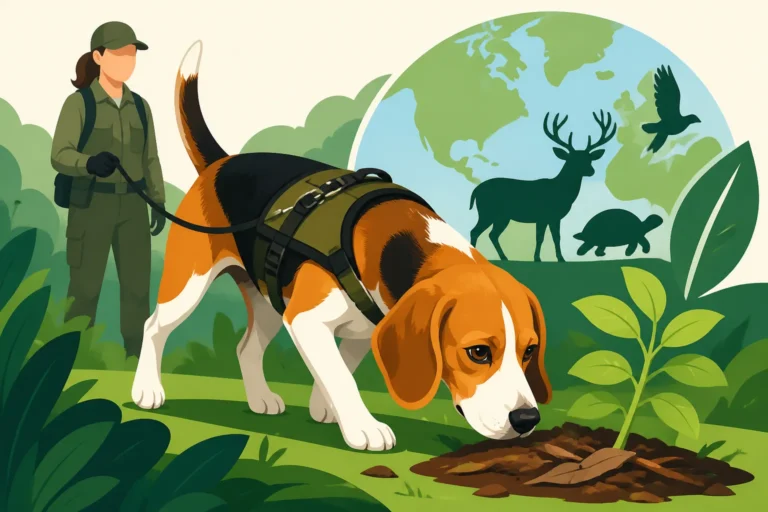
Imagine a world where every single scent is a vibrant, irresistible story just begging to be followed. That's a Beagle's reality. When a Beagle puts its nose to the ground, it's not just casually sniffing around; it's engaging a complex sensory system designed for tracking prey. They possess an incredible number of scent receptors – around The 220 Million Receptors Behind a Beagle's Nose – far more than humans, which allows them to detect and differentiate scents with astounding precision. This isn't a cute quirk; it's their entire purpose.
For a first-time owner, this can be incredibly perplexing. You might call your Beagle, and they seem to completely ignore you, nose glued to a fascinating patch of grass where a squirrel might have been hours ago. It's not defiance; it's absorption. Their brain is processing a symphony of smells, and your voice, however urgent, simply fades into the background. This intense focus makes them brilliant at jobs like those performed by the Beagle Brigade, but it makes casual walks a whole different ballgame. They need to sniff, and if you deny them that, they can become frustrated, finding ways to fulfill that drive on their own terms.
The Reality of "Off-Leash" for a Beagle
Many new owners dream of idyllic off-leash romps in open fields or dog parks. With a Beagle, this dream often turns into a nightmare very quickly. Because their nose is so powerful and their drive to follow a scent so strong, even the most well-trained Beagle can become "deaf" to commands the moment an interesting trail presents itself. They were bred to follow a scent line for miles, ignoring all else until they found their quarry. That instinct is hardwired.
This is why experienced Beagle owners will often tell you Why a Beagle Should Never Be Off Leash Unfenced. It's not about them being "badly behaved"; it's about respecting their breed traits. Even in seemingly secure areas, a strong wind carrying a distant rabbit scent can send a Beagle over, under, or straight through a fence. For their safety, a long line or a truly secure, high-fenced area is essential for any off-leash exercise. Don't expect your Beagle to be the dog that sticks by your side when the smell of adventure calls.
Misjudging Energy Levels and Exercise Needs
The image of a small, cuddly Beagle can lead new owners to believe they're getting a low-energy, easy-going companion suitable for minimal exercise. This couldn't be further from the truth. Beagles are working hounds, and they come with energy to burn.
Beyond a Casual Walk in the Park
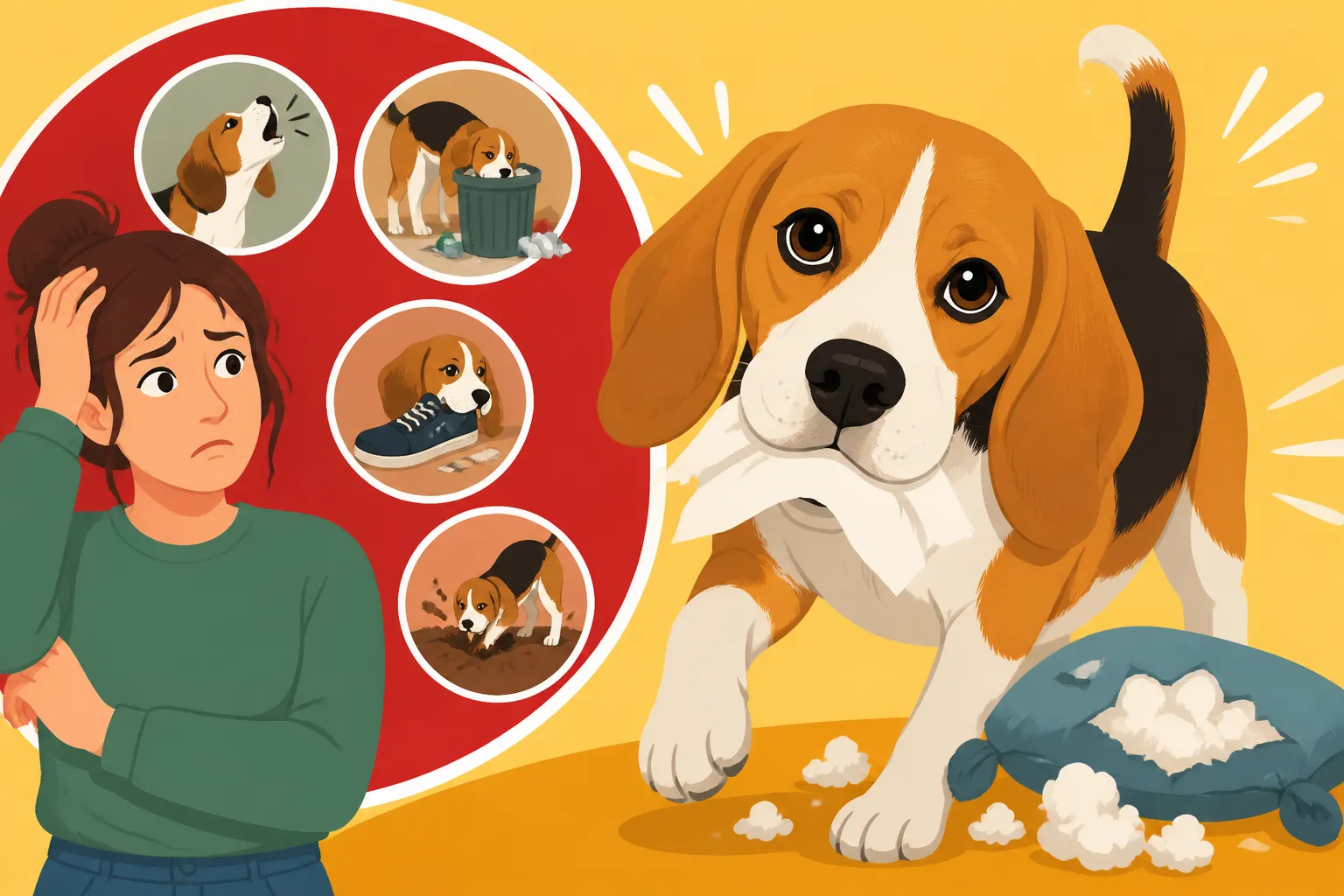
A quick stroll around the block twice a day simply won't cut it for most Beagles. They are built for endurance, for covering ground all day long in pursuit of a scent. If their physical needs aren't met, that pent-up energy will manifest in less desirable ways, like destructive chewing, incessant barking, or hyperactive behavior indoors. Think of them less as a lapdog and more as a marathon runner in a compact package.
Daily, vigorous exercise is crucial. This could mean long, brisk walks where they get to sniff to their heart's content, or even activities like Running and Hiking With a Beagle. Beyond just physical exertion, they need opportunities to use their natural abilities. A walk where they are allowed to really work their nose, following scent trails, is often far more tiring and satisfying for them than a fast-paced, "no sniff" walk. Ignoring these needs isn't fair to the Beagle and will lead to a very boisterous and potentially destructive household companion.
Mental Stimulation is Just as Crucial
It's not enough to just wear out a Beagle physically; you need to engage their incredible brain. Their intelligence is often underestimated, but it's keen, especially when it comes to problem-solving related to scent and food. Without mental challenges, they can become bored, and a bored Beagle is a mischievous Beagle.
Puzzle toys, snuffle mats, and structured scent games are fantastic ways to keep their minds sharp and happy. Many owners make the mistake of buying just a few toys, but rotating them and investing in new challenges, perhaps from a selection on Chewy, can make a big difference. Consider enrolling in a basic obedience class, not just for the commands, but for the mental engagement it provides. Agility or nose work classes are also excellent choices, giving them a "job" that taps into their innate talents. A tired mind often leads to a calm dog, and this is especially true for the intelligent, scent-driven Beagle.
Surprise Over Vocalizations
Ah, the Beagle bay! It's one of their most distinctive traits, but it's also one of the biggest shocks for new owners, especially those who've only ever had quiet dog breeds. Beagles are vocal, and this is a deep-seated part of their identity.
The Bay, Bark, and Howl Repertoire
Beagles don't just bark; they have a full range of vocalizations. There's the standard bark, often used for alarm or attention. Then there's the howl, a melodic sound that can be surprisingly beautiful, often heard in response to sirens, other dogs howling, or when they're feeling a bit lonesome. But the sound that truly defines them is the bay. It's a deep, resonant, almost guttural cry that can travel surprisingly far. Beagle Howling, Baying and Barking Explained details these sounds well.
Many new owners are simply not prepared for How Loud a Beagle Bay Actually Measures. It's not a quiet yip; it's a sound designed to let hunters know exactly where the dog is in a dense forest, often amplified when they are on a hot trail. This means if your Beagle bays at a squirrel in the yard, your neighbors will likely hear it. Trying to train the bay out of a Beagle is often a losing battle; it's like asking a bird not to sing. Instead, the focus should be on managing the triggers and teaching a "quiet" cue.
Living with a Vocal Hound
Accepting your Beagle's vocal nature is the first step. Expecting silence from a Beagle is like expecting a fish to climb a tree – it's just not how they're built. The challenge for new owners is to understand why their Beagle is vocalizing. Are they bored? Are they alerting to something? Are they lonely? Are they simply happy and expressing themselves?
Addressing the root cause can often help. For instance, a Beagle baying due to boredom needs more exercise and mental stimulation. One that bays due to Beagle Separation Anxiety in a Pack Breed might need more gradual training for alone time or even a canine companion. Understanding their communication is key. Invest in good window coverings if outside stimuli trigger excessive barking, and consider soundproofing a crate area if you live in an apartment. Being proactive and understanding their needs is far more effective than trying to suppress a natural instinct.
Ignoring the Escape Artist Tendencies
The combination of a powerful nose and a strong prey drive makes Beagles incredible escape artists. Many first-time owners are shocked at their Beagle's ingenuity when it comes to finding a way out of what seems like a secure enclosure.
The Fence Line is Only a Suggestion
For a Beagle, a fence isn't necessarily a barrier; it's more like a suggestion, or a puzzle to be solved. They will test every weak point, every loose board, and every inch of the perimeter. A standard 4-foot fence that works for many breeds is often child's play for a determined Beagle. They can jump higher than you'd expect, especially if there's motivation on the other side. More commonly, they are expert diggers. How a Beagle Finds the One Gap in a Fence is a lesson many owners learn the hard way.
They will dig under fences with astonishing speed, creating tunnels where you least expect them. It's not uncommon for Beagles to escape repeatedly, even from yards that seem completely secure. This means owners need to be hyper-vigilant about their fencing. Burying wire along the fence line, adding fence toppers, or even building a dedicated "Beagle-proof" run might be necessary. Never assume your fence is good enough without thoroughly inspecting it for a Beagle's unique talents.
Door Dashing and Opportunistic Escapes
Beyond digging and jumping, Beagles are also notorious door dashers. The moment a door opens, their instinct to explore the scent-filled world beyond can kick in, and they'll bolt. This can be incredibly dangerous, especially if you live near busy roads. Many first-time owners underestimate just how quick and opportunistic a Beagle can be when a door or gate is ajar.
Teaching a "wait" command at every doorway is critical from puppyhood. Always have your Beagle on a leash or behind a secondary barrier when opening the front door, especially if you're receiving guests or packages. Child safety gates can be invaluable for creating a secure vestibule. Also, be mindful of open car doors; a quick dash can happen there too. It’s not about them being naughty; it’s about their powerful curiosity and scent drive leading them to explore. Always having a collar with up-to-date ID tags, and ideally a microchip, is non-negotiable for a breed so prone to wandering.
Underestimating the Food Drive and Health Implications
If you've heard that Beagles are food-motivated, prepare yourself: that's an understatement. Their food drive is legendary and can lead to many behavioral and health challenges for unprepared first-time owners.
The Bottomless Pit Syndrome
Beagles act like they are perpetually starving, no matter how much they've just eaten. This insatiable appetite is a common trait among scent hounds, bred to be opportunistic foragers. For a new owner, this can be confusing and lead to overfeeding. They will beg, they will counter surf, they will raid trash cans, and they will master opening cabinets. Their cute, pleading eyes are a powerful weapon when it comes to extracting treats or extra kibble.
Many owners fall into the trap of giving in to the constant begging, leading to rapid weight gain. This isn't just about managing an annoying habit; it's a serious health concern. An overweight Beagle faces higher risks of joint problems, diabetes, and other issues. Understanding Beagle Obesity Treated as a Health Problem is vital. It's important to stick to a strict feeding schedule and measured portions, ignoring the sad eyes. Using puzzle feeders can help slow down their eating and provide mental stimulation, turning mealtime into a positive challenge. Chewy offers a wide variety of slow-feeder bowls and puzzle toys specifically designed to make mealtime last longer and engage their brains.
Obesity and its Long-Term Costs
The constant hunger makes Beagles highly prone to obesity, which is perhaps the most significant health mistake first-time owners make. It's easy to let a few extra treats slide, or to free-feed kibble, thinking they'll self-regulate. They won't. This can have severe repercussions for their health and lifespan.
Monitoring your Beagle's weight meticulously is key. Knowing Daily Calories for a 13-Inch Against a 15-Inch Beagle and sticking to it is crucial. Regularly checking their body condition score—feeling their ribs and noting their waistline—can help you catch weight creep early. An obese Beagle puts immense strain on its joints, exacerbating conditions like Beagle Hip Dysplasia and Everyday Joint Wear and Beagle Arthritis Arriving in Middle Age. It also increases the risk of other serious conditions such as diabetes and heart disease, all of which come with significant veterinary costs and reduce their quality of life.
Here's a quick overview of common mistakes and how to avoid them:
| Common Mistake | Why it Happens (Beagle Trait) | How to Avoid It |
|---|---|---|
| Expecting off-leash reliability | Powerful scent drive; bred to follow trails | Use a long line or secure, high fence; enroll in recall classes |
| Under-exercising | Working hound energy; bred for endurance | Daily vigorous exercise (2+ hours); include scent walks and mental games |
| Surprised by noise | Bred to vocalize (baying, howling) | Understand vocal triggers; teach a "quiet" cue; manage environmental stimuli |
| Insecure fencing | Expert diggers, climbers, opportunistic | High, secure fences (6ft+); bury wire; regular fence checks |
| Overfeeding | Insatiable food drive; opportunistic foragers | Strict measured portions; ignore begging; use puzzle feeders |
| Neglecting ear care | Long, floppy ears trap moisture | Beagle Ear Cleaning as a Weekly Job; regular vet checks |
Ultimately, a Beagle is a unique, intelligent, and highly driven breed. They are not simply a small, generic dog. By understanding and respecting their deeply ingrained breed traits—their nose, their energy, their voice, their escape artistry, and their food drive—first-time owners can navigate the challenges and enjoy a rewarding, joyful life with their merry hound.
Disclaimer
This article is for general informational purposes only and does not constitute professional advice. Laws, prices and regulations vary by location and change over time. Consult a qualified professional for guidance on your specific situation.