Whether a Pet Beagle Can Learn to Hunt
It's a question many a Beagle owner has pondered, often while watching their beloved companion with its nose glued to the ground, utterly oblivious to the world around it. You see that intense focus, that unwavering determination to follow a scent, and you can't help but wonder: could my pet Beagle, the one who cuddles on the couch and barks at the mailman, still do what it was originally bred for? Can a pet Beagle learn to hunt? This guide will delve into the powerful instincts that drive these merry hounds, the realities of training them for field work, and what truly realistic expectations look like for your cherished family member.
Understanding the Beagle's Hunting Instinct
Before we even consider putting a leash on and heading to the field, it's vital to understand the incredible drive that lies at the heart of every Beagle. This isn't just a cute quirk; it's a finely tuned machine, centuries in the making, designed for one specific purpose.
The Deep-Rooted Scent Drive
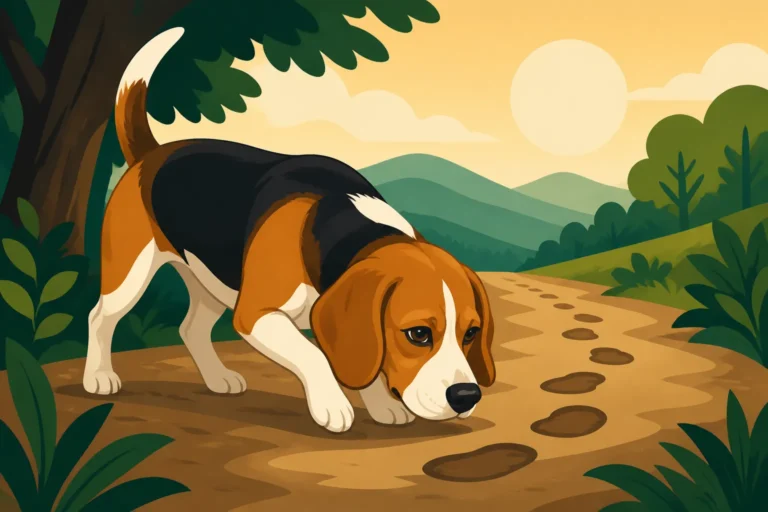
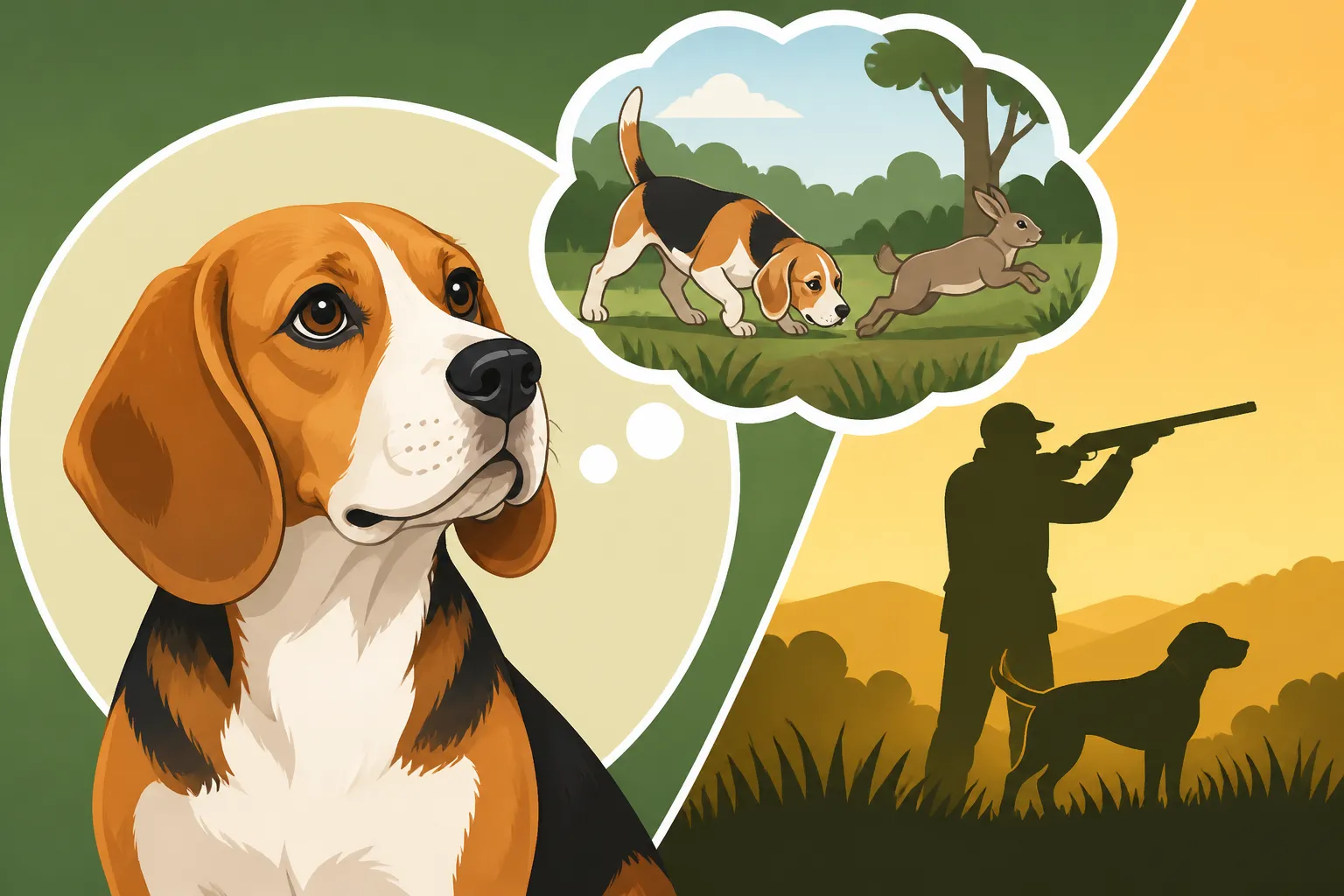
Let's be blunt: your Beagle's nose is basically a superpower. While our human noses might register a few scents in a room, a Beagle processes a symphony of smells with astonishing detail. They possess an astounding 220 million scent receptors, far outstripping our own paltry five million. When your Beagle puts its nose to the ground, it's not just idly sniffing; it's reading a complex story, a detailed map of who or what has passed by, how long ago, and in what direction. This isn't something you can train into a Beagle; it's simply there, an indelible part of their genetic makeup. They were specifically bred to hunt hare and rabbit by following a cold trail, which means they need to be able to pick up faint, old scents and stick to them with relentless focus. This drive is so strong that once they lock onto a trail, the rest of the world, including your calls, often fades into insignificance. It's why phrases like Beagle Recall and Why Your Voice Stops Registering resonate so deeply with owners!
Even Beagles that have never seen a rabbit in their lives will exhibit this intense scenting behavior. You'll see it on walks, as they pull you along, nose down, deciphering the invisible world of smells. You'll see it in your backyard, as they meticulously investigate every blade of grass, convinced there's a treasure map hidden just beneath the surface. This innate desire to trail and explore with their nose is why Scent Work as the Job a Beagle Was Built For is such a rewarding activity for them, even if actual hunting isn't in their future.
"Merry" But Determined: Temperament and Drive
The Beagle is often described as "merry," and indeed, their wagging tails and friendly demeanor make them wonderful family pets. They're generally good with children and other animals, eager for attention, and quick to forgive. However, beneath that cheerful exterior lies a tenacious, determined hound. This duality is critical to understanding their potential as hunting dogs. The very qualities that make them lovable pets – their enthusiasm, their curiosity, their love for food – are also the traits that made them exceptional hunters.
They are persistent, sometimes to the point of stubbornness, which in the field translates to unwavering dedication to a scent trail. They don't give up easily, even when the scent is faint or broken. This determination, combined with their strong pack drive, means they enjoy working collaboratively, historically in a pack of other Beagles, but potentially with a human handler. While a pet Beagle might seem distracted by every squirrel in the park, this is simply its natural instinct at play, demonstrating the drive that, with proper channeling, could be directed towards specific game. Their energetic nature requires significant exercise and mental stimulation, and if not provided, this drive can manifest in less desirable behaviors like excessive howling or destructive chewing.
Genetic Predisposition vs. Trained Skill
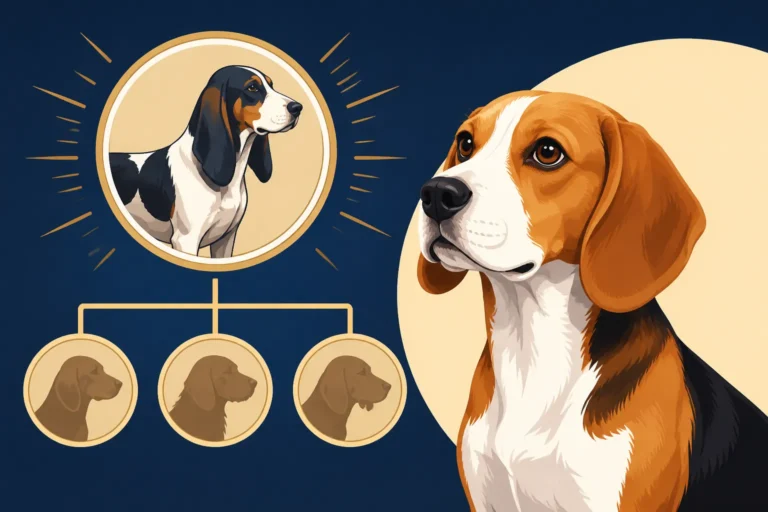
It's crucial to distinguish between a Beagle's natural predisposition and the finely honed skills required for successful hunting. Every Beagle has the ability to follow a scent and will likely bay when excited by a strong one. That's the genetic predisposition. They were quite literally What a Beagle Was Originally Bred to Hunt for centuries, primarily small game like rabbits and hare. However, taking that raw instinct and shaping it into effective hunting behavior requires considerable training.
A hunting Beagle doesn't just chase; it trails methodically, communicates effectively with its handler and other dogs (if hunting in a pack) through its specific vocalizations (the distinctive bay), and understands how to work the game to the hunter. This involves understanding commands, remaining focused despite distractions, and performing specific tasks like flushing game or retrieving. These are learned skills, built upon the foundation of instinct, but not inherent. A pet Beagle, however strong its nose, will need significant, structured training to be a truly effective hunting dog, especially if it's meant to work in a specific field trial or hunting scenario. It's the difference between a naturally gifted singer and a professional opera performer – the talent is there, but the discipline and technique must be taught.
Training a Pet Beagle for Hunting Activities
So, you're looking at your nose-down, tail-wagging Beagle and thinking, "Okay, the instinct is there. How do I tap into it?" Training a pet Beagle for hunting, even in a recreational sense, is a journey that requires patience, consistency, and a deep understanding of what motivates your hound. It's not about turning your couch potato into a wild hunter overnight, but rather about channeling their natural abilities into a structured and safe activity.
Starting with Basic Obedience and Scent Work
Before you even dream of the field, your Beagle needs a rock-solid foundation in basic obedience. I know, I know, "basic obedience" sounds boring when you're thinking about thrilling hunts, but trust me, it's non-negotiable. Commands like "sit," "stay," "come" (especially a reliable recall!), and "leave it" are not just polite manners; they are safety commands that become absolutely critical in a high-distraction, scent-rich environment. Without them, you risk your Beagle disappearing after a scent and potentially getting lost or injured. Remember, a Beagle on a hot trail can cover miles in a short amount of time, ignoring everything else. Why a Beagle Should Never Be Off Leash Unfenced is a lesson learned by many owners the hard way.
Once basic obedience is coming along nicely, you can start to bridge into formal scent work. This is where you leverage their superpower! Scent games are a fantastic way to engage their brains and noses without the pressures of traditional hunting. Start simple: hide high-value treats (like those yummy freeze-dried liver bits from Chewy, or even just some of their regular kibble if they're food-motivated enough) around the house or yard and encourage them to "find it." As they get better, make it more challenging. You can invest in a snuffle mat or puzzle feeder from a retailer like Chewy to encourage deliberate scenting. This builds their focus, reinforces their natural scenting abilities, and teaches them to work with you to achieve a goal. It's the groundwork for more advanced tracking.
Gradual Exposure to Game Scent
Once your Beagle is enjoying general scent work, you can begin introducing specific game scents. This usually involves using training aids like scent oils or pre-scented dummies. You can often find these at specialty pet supply stores or online retailers. Start in a controlled environment – your backyard, for instance. Drag a scented dummy along a short, clear path and encourage your Beagle to follow the trail. The goal here isn't to catch anything, but to teach them to focus on that specific scent and to follow it consistently.
As they progress, gradually increase the length and complexity of the trails. Introduce light cover, a few turns, and vary the age of the scent. This helps them learn to work a "cold" trail, which is a key skill for Beagles. Reward heavily with praise and a fantastic treat every time they successfully follow a trail to the "game." The idea is to make the act of trailing incredibly rewarding. You're building their confidence and their drive to work the scent. It's a gentle introduction to their ancient lineage, allowing them to engage with their instinct in a safe, constructive way.
Field Training and Pack Dynamics
True field training for hunting involves moving beyond the backyard. This is where it gets more complex and often requires the guidance of experienced trainers or participation in a hunting club. Beagles were traditionally hunted in packs, and while a single Beagle can certainly hunt, many still thrive on the social aspect and the combined effort. Learning to work effectively in a pack, to honor another dog's trail, and to understand the nuances of a group hunt is a specialized skill.
In a hunting scenario, your Beagle needs to learn to drive game towards the hunter, not just chase it aimlessly. This requires an understanding of terrain, wind direction, and the specific behaviors of the game animal. You might introduce them to live game (under strict ethical and legal guidelines, of course) in a controlled setting, such as a training preserve. The bay, that distinctive howl, becomes a critical communication tool in the field. What a Beagle Bay Actually Sounds Like is something hunters learn to interpret, as it tells them if the dog is on a hot trail, if the game has been flushed, or if the dog is confused. Encouraging this baying at appropriate times, rather than trying to suppress it as many pet owners do, is part of teaching them to be effective hunters. This level of training often involves mentors who can teach you both the specific skills and the etiquette of field hunting.
Realistic Expectations and Ethical Considerations
It's natural to dream of your Beagle confidently working a field, fulfilling its ancestral purpose. However, it's really important to ground those dreams in reality. While the instinct is undeniably there, the path from pet to proficient hunter isn't always straightforward, and there are many factors to consider.
Not Every Beagle Will Be a Field Champion
While every Beagle has the potential to follow a scent, not every individual dog will have the temperament, focus, or drive to become a successful hunting dog or field trial champion. Just like humans, dogs have individual personalities and aptitudes. Some Beagles might be incredibly scent-driven but easily distracted by other environmental stimuli. Others might lack the stamina for long hours in the field or might simply prefer the comforts of home and hearth.
Moreover, the breeding of your pet Beagle plays a significant role. Beagles from lines specifically bred for field work and hunting are often inherently more driven, physically capable, and possess the necessary vocalizations for the job than those from show lines or pet-bred lines. While your pet Beagle might love sniffing, it might not have the specific "go-power" or intensity needed for consistent hunting performance. That's perfectly okay! Their value as a loving companion is immeasurable, regardless of their hunting prowess.
Prioritizing Safety and Well-being
If you do decide to pursue hunting activities with your Beagle, safety must always be your absolute top priority. This involves several critical considerations:
- Leash Laws and Property Lines: Hunting requires specific permits and takes place on designated land. Unleashing a Beagle in an undesignated area, even for training, can lead to your dog getting lost, encountering dangerous wildlife, or running onto private property, potentially leading to legal issues or harm to your dog.
- Physical Fitness: Hunting is physically demanding. Your Beagle needs to be in excellent physical condition, without underlying health issues like Beagle Hip Dysplasia and Everyday Joint Wear or Beagle Back Problems and Intervertebral Disc Disease. A thorough vet check is essential before starting any strenuous activity.
- Wildlife Interactions: An untrained Beagle can put itself in danger by encountering aggressive wildlife, venomous snakes, or even getting tangled in fences. Proper training teaches them to navigate these environments safely.
- Environmental Hazards: Fields and woods can contain sharp objects, toxic plants, or other hidden dangers. Keeping your Beagle safe requires constant vigilance and training them to "leave it."
- Weather Conditions: Beagles can overheat quickly in hot weather or suffer from hypothermia in cold, wet conditions. Always be mindful of the elements.
Alternatives to Traditional Hunting
For many pet Beagle owners, the idea of traditional hunting might feel a bit daunting, ethically questionable, or simply impractical. The good news is that there are fantastic alternatives that allow your Beagle to use its incredible nose and fulfill its desire for a "job" without actually hunting live animals. These activities are often more accessible and safer for the average pet owner.
Here are some excellent alternatives:
- Scent Work/Nose Work: This is a sport specifically designed to mimic the work of detection dogs. Dogs learn to identify and alert to specific target odors (like birch, anise, or clove) in various environments. It's incredibly mentally stimulating and physically engaging, allowing your Beagle to use its nose in a focused, systematic way. You can even earn titles!
- Tracking: In tracking sports, your Beagle follows a human scent trail laid in natural terrain. This is a more challenging and rewarding extension of the basic scent games, teaching them to stick to a specific human scent over other distractions.
- Barn Hunt: This fun sport allows Beagles to hunt for rats (safely enclosed in aerated tubes!) hidden in a maze of hay bales. It taps into their prey drive and scenting abilities in a controlled, safe environment.
These activities are highly enriching for Beagles. They provide a vital mental outlet, build confidence, and strengthen the bond between you and your dog. They allow your Beagle to be a "hound" without needing to be a "hunter," and they celebrate the very essence of what makes a Beagle so special: that extraordinary nose and the merry spirit that drives it. Many pet owners find immense satisfaction in seeing their Beagle thrive in these pursuits, often more so than attempting a traditional hunting path that might not suit their individual dog or lifestyle.
Here's a comparison to help weigh the options:
| Feature | Traditional Hunting (Rabbit/Hare) | Scent Work/Tracking/Barn Hunt (Pet Sport) |
|---|---|---|
| Primary Goal | Locate, flush, and/or retrieve game for a hunter | Mental and physical enrichment, sport, titles |
| Target Skill | Trailing specific game, baying, working with handler/pack | Identifying specific odors, following human trails |
| Environment | Open fields, dense brush, varied natural terrain | Indoor, outdoor, urban, varied according to sport |
| Training Level | Advanced, often requires experienced mentors/clubs | Beginner-friendly to advanced, classes available |
| Equipment | GPS collars, specific leads, hunting vest, game calls | Scent kits, long lines, harnesses, puzzle toys |
| Risks | Injury to dog, getting lost, wildlife encounters, legal | Minimal, controlled environments, positive reinforcement |
| Accessibility | Limited to specific seasons, locations, and permits | Year-round, many local clubs and training facilities |
| Ethical Aspect | Involves live game | No live game involved in the "hunt" |
| Required Traits | High prey drive, stamina, strong pack/handler bond | Focus, problem-solving, independent work |
Ultimately, whether your pet Beagle can learn to hunt depends on a blend of its individual genetics, your commitment to extensive training, and your willingness to delve into the realities of field work. For many, redirecting that incredible nose into canine sports offers a fulfilling and safer alternative, allowing their Beagle to embrace its heritage in a way that truly fits into a modern pet lifestyle.
Disclaimer
This article is for general informational purposes only and does not constitute professional advice. Laws, prices and regulations vary by location and change over time. Consult a qualified professional for guidance on your specific situation.