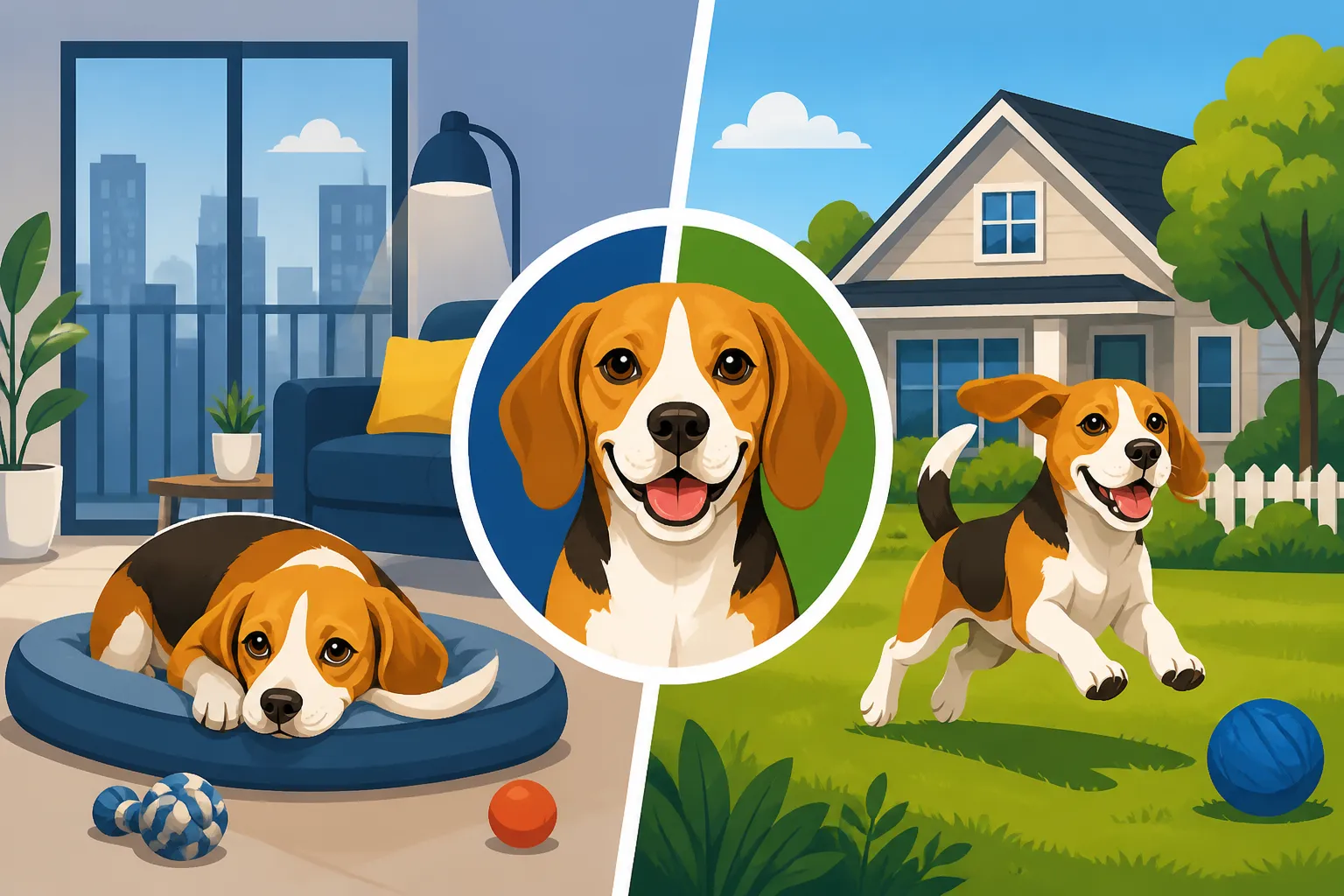
Beagles in Apartments Against Beagles in Houses
Bringing a new Beagle into your life is an exciting prospect, full of dreams of cheerful wags and endless cuddles. But if you’re trying to decide where your Beagle will be happiest – stretching out in a suburban house or snuggled up in a city apartment – you’re not alone. Many potential owners grapple with this exact question, wondering if their living situation truly fits the energetic, vocal, and scent-driven nature of this beloved hound. This guide will help you navigate the realities of Beagle ownership in both apartments and houses, ensuring you can create a joyful and stimulating environment wherever you call home.
Understanding the Core Beagle Needs
Before we dive into the specifics of different living arrangements, it’s crucial to truly grasp what makes a Beagle tick. These aren't just cute, floppy-eared dogs; they are hounds, bred for centuries with a very specific job in mind. Their fundamental instincts shape their daily behavior and, consequently, their suitability for various homes.
The Beagle's Innate Drive: Scent and Energy
Imagine a dog whose entire world is dictated by its nose. That's a Beagle. With around 220 million scent receptors, their olfactory sense is thousands of times more powerful than ours, making every walk an intricate tapestry of smells. This isn't just a fun quirk; it's a profound drive that dictates their need for exploration, tracking, and mental stimulation. If you've ever seen a Beagle with its nose glued to the ground, pulling relentlessly on the leash, you're witnessing their ancient hunting instincts in action. They don't just like to sniff; they need to sniff. This deeply ingrained drive means they possess a surprising amount of energy, not just for running, but for sustained, focused scent work.
When this powerful scent drive isn't adequately met, you can start to see frustrating behaviors emerge. A bored Beagle is a destructive Beagle, often turning its formidable nose and jaws to your furniture, shoes, or even drywall. Their energy, though not always explosive like a high-drive working dog, is persistent and requires consistent outlets. Long walks where they are allowed to follow their nose, even on a long line, are absolutely essential. Without these outlets, the energy can build, leading to restlessness and an inability to settle, no matter how cozy their bed might be. Truly understanding The 220 Million Receptors Behind a Beagle's Nose is key to fulfilling their core needs.
The Beagle's Voice: Baying, Howling, and Barking
Ah, the Beagle voice! It's one of their most iconic traits, and also one of the biggest potential sources of conflict with neighbors, especially in closer living quarters. Beagles are hounds, and hounds communicate through a rich repertoire of vocalizations that go far beyond a simple "woof." They bay, a long, drawn-out cry that echoes across fields, historically used to alert hunters to the presence of game. They howl, a mournful, often siren-triggered sound that speaks to their pack instincts. And yes, they bark too, often quite persistently, at anything from a squirrel to a leaf blowing past the window.
This vocal nature isn't typically something you can "train out" of a Beagle entirely, as it's a deeply rooted breed characteristic. While you can work on managing triggers and teaching a "quiet" cue, expecting a silent Beagle is often unrealistic. Their bay is particularly resonant, designed to carry over distances. Living in an apartment, this can mean frequent complaints from adjacent units or even downstairs neighbors. In a house, it might still mean a strained relationship with the folks next door if your Beagle decides to serenade the mail carrier daily. Understanding What a Beagle Bay Actually Sounds Like is important for setting realistic expectations.
Living with a Beagle in an Apartment
The idea of a Beagle in an apartment often conjures images of a cooped-up, miserable dog. However, with the right commitment and strategies, many Beagles can thrive in apartment living. It's less about the square footage and more about the lifestyle you provide.
Managing Exercise in Limited Space
The biggest hurdle for apartment-dwelling Beagles is ensuring they get enough exercise, both physical and mental, without a private yard. This means you become the primary source of all their outdoor activity. You’ll need to commit to multiple, substantial walks every single day, come rain or shine. These shouldn't just be quick potty breaks; they need to be "sniffari" walks where your Beagle is allowed to explore scents to their heart's content. Think 30-45 minutes, two to three times a day, with at least one being a longer, more adventurous outing. Investing in a good quality long line (15-30 feet) can give them a sense of freedom and exploration even in a park or open field, allowing them to stretch their legs and chase scents safely.
Beyond walks, indoor enrichment is paramount. Puzzle feeders, snuffle mats, and hiding treats around the apartment can provide mental stimulation that burns energy just as effectively as physical exercise. These activities tap into their natural scent drive and give their busy brains a job to do. Consider sturdy, engaging chew toys available from retailers like Chewy that can keep them occupied when you're busy. Remember, a tired Beagle is a good Beagle, and mental fatigue from scent work is often more effective than simply running them ragged. Sniffing Walks and Why They Tire a Beagle Out truly illustrates this point.
Addressing Noise Concerns with Neighbors
The Beagle's vocal tendencies are undoubtedly the most significant challenge in an apartment setting. That characteristic bay, while charming to some, can be a serious nuisance to close neighbors. Before even bringing a Beagle home, it's wise to have an open conversation with your landlord and, if possible, your direct neighbors about dog ownership and noise. Set realistic expectations. You'll need to be proactive in managing your Beagle's vocalizations from day one. This means teaching a "quiet" cue, identifying and managing triggers (like the postman or squirrels at the window), and providing plenty of enrichment to prevent boredom-induced barking.
For persistent barking when alone, strategies like crate training (which can provide a sense of security) and gradual desensitization to your departure can help. Some owners use white noise machines or classical music to mask external sounds that might trigger a baying session. If noise continues to be an issue, professional trainers specializing in separation anxiety or reactivity can offer tailored solutions. Sometimes, it also means installing heavier curtains or even acoustic panels in key areas to absorb some sound, though complete soundproofing in an apartment is rarely feasible. Be prepared to address Beagle Noise and the Neighbors Next Door head-on.
Apartment-Friendly Training and Enrichment
Training is non-negotiable for a Beagle in any setting, but it takes on particular importance in an apartment where good manners and a calm demeanor are essential for peaceful coexistence. Crate training is often a lifesaver, providing a safe, den-like space for your Beagle to relax and preventing destructive behaviors when you can't supervise directly. Ensure the crate is appropriately sized; it should be large enough for them to stand, turn around, and lie down comfortably, but not so large that they can soil one end and sleep in the other. For more on this, check out Beagle Crate Size and Crying Through the Night.
Beyond basic obedience, focus on enrichment that engages their nose. Scent games, where you hide treats or toys and encourage them to find them, are fantastic. Many companies, including Chewy, offer a wide array of puzzle toys and interactive feeders specifically designed to challenge a dog's mind and keep them occupied, preventing boredom and channeling their natural instincts positively. Regular training sessions, even short five-minute bursts throughout the day, reinforce good behavior and provide mental stimulation. Socialization with other calm dogs (if appropriate for your Beagle) through structured playdates or doggy daycare can also help burn energy and prevent isolation-induced behaviors.
Thriving with a Beagle in a House (with a Yard)
For many, a house with a yard seems like the ideal environment for a Beagle. It offers more space, direct outdoor access, and the perceived freedom for a dog to "let loose." While a yard certainly provides advantages, it comes with its own set of considerations, especially when dealing with a breed as resourceful as a Beagle.
The Allure and Reality of a Fenced Yard
A fenced yard sounds like a dream for an energetic Beagle. Imagine, just opening the back door and letting them run! The reality, however, is often a bit more complex. While a yard offers convenience for quick potty breaks and a safe space for supervised play, it is not a substitute for walks or structured exercise. A Beagle left unsupervised in a yard will often get bored, leading to digging, barking at passersby, or, most alarmingly, finding the weak spot in your fence. Beagles are notorious escape artists; if there's a way out, they will find it. This means your fence needs to be incredibly secure, often requiring specific measures like digging barriers along the base. Fencing Costs That Actually Contain a Beagle can give you a clearer picture of what's involved.
Furthermore, a yard can expose your Beagle to all sorts of temptations and dangers. From toxic plants to discarded items from neighbors, or even wildlife, an unsupervised Beagle can quickly get into trouble. While a yard is a wonderful amenity, it demands vigilance and often a different kind of management than you might initially assume. It provides opportunities, but not automatic solutions to their exercise or enrichment needs.
Harnessing a Beagle's Energy Outdoors
With a yard at your disposal, you have an excellent opportunity to expand your Beagle's exercise regimen. Supervised play sessions, like fetch or hide-and-seek, can be great ways to burn off steam. You can also set up small agility courses or incorporate training commands into outdoor games. If your yard is truly secure, a long-line training session can become a more dynamic game of recall, where you gradually increase the distance between you and reward them heavily for returning.
However, even with a yard, regular walks are still crucial. These walks provide novel scents, new environments, and social exposure that a yard simply cannot replicate. Think of the yard as an extension of your home for structured play and quick breaks, rather than the sole source of exercise. Combining active yard time with dedicated scent walks and mental enrichment ensures a well-rounded and happy Beagle. Remember, the goal is to tire out both their body and their incredible nose.
Managing Indoor Behavior in a Larger Space
Just because you have a larger house doesn't mean your Beagle will automatically be a perfectly behaved angel indoors. In fact, a larger space can sometimes offer more opportunities for mischief if their core needs aren't met. That infamous Beagle food drive doesn't disappear just because there's more square footage. Counter surfing and trash raiding can be even more tempting when there's a bigger kitchen or more waste bins to explore. You'll still need to be diligent about "Beagle-proofing" your home, securing pantry doors, and using tall, heavy trash cans.
Consistent training, even beyond the puppy stages, is vital. Teaching a solid "leave it" and "drop it" command is indispensable, whether they're eyeing your dinner plate or a dropped sock. While a larger house might mean fewer immediate noise complaints from adjacent walls, it doesn't diminish their natural inclination to vocalize. You still need to manage triggers and ensure their howling doesn't become a neighborhood-wide event. Ultimately, the principles of positive reinforcement, mental stimulation, and clear boundaries remain the same, regardless of the size of your living space.
Common Challenges Across Both Environments
There are some fundamental Beagle traits that transcend the apartment vs. house debate. These are characteristics that every Beagle owner, regardless of their living situation, needs to understand and prepare for.
The Unrelenting Food Drive
Beagles are renowned for their insatiable appetite. They are food motivated to an extreme degree, which can be a fantastic tool for training, but also a constant challenge in everyday life. From the moment they arrive, you'll discover their uncanny ability to find the smallest crumb on the floor or nose out a forgotten snack. This isn't just a cute quirk; it's a deeply ingrained survival instinct from their scavenging ancestry. This means counter surfing, trash raiding, and scavenging on walks are incredibly common Beagle behaviors.
You'll need a fortress-like approach to food security in your home. This means never leaving food unattended on counters, securing all trash cans with heavy lids or child locks, and being meticulously careful about what's left within their reach. For walks, a strong "leave it" command is absolutely critical, as Beagles will vacuum up anything edible (or even seemingly inedible) they find. Many owners find innovative solutions, like securing pet food bags in airtight containers or using heavy, non-tipping food bowls. Online retailers like Chewy offer a variety of dog-proof trash cans and secure food storage options that can be lifesavers. Beagle Counter Surfing and Trash Raiding is a real daily battle.
Separation Anxiety and the Pack Instinct
Beagles are pack animals, bred to work and live in close proximity with other dogs and their human hunters. This strong pack instinct can unfortunately manifest as separation anxiety when they are left alone for extended periods. They thrive on companionship and can become distressed, vocal, or destructive when isolated. This is a common issue for Beagle owners, irrespective of whether they live in a spacious house or a cozy apartment. The classic Beagle howl, often so endearing in other contexts, can become a heartbreaking cry of loneliness.
Addressing separation anxiety requires patience and a multi-faceted approach. Crate training can provide a secure den, but only if the Beagle genuinely sees it as a safe space, not a punishment. Gradual desensitization to your departures, providing high-value chew toys (perhaps from Chewy's extensive selection) right before you leave, and ensuring they are adequately exercised and mentally stimulated before you go can all help. In severe cases, a professional dog trainer specializing in separation anxiety might be necessary. Some owners find that having a second dog, another Beagle perhaps, can alleviate loneliness, but this isn't a guaranteed fix and comes with doubling your responsibilities. Beagle Separation Anxiety in a Pack Breed is a significant consideration.
The Need for Consistent Training and Mental Stimulation
Regardless of whether your Beagle is an urbanite or a suburbanite, consistent training and daily mental stimulation are absolutely paramount. A Beagle's intelligent, independent, and sometimes stubborn nature means they require ongoing guidance and engagement. They learn quickly, especially when food is involved, but they also get bored quickly and will find their own (often undesirable) entertainment if left to their own devices. This isn't a breed you can train for a few months and then forget about.
Regular short training sessions, incorporating new tricks, obedience cues, or scent games, will keep their minds sharp and strengthen your bond. Scent work, whether through formal nose work classes or simply hiding treats around the house, is incredibly fulfilling for them. These activities tap into their innate drives, channeling their energy and intelligence into productive outlets rather than destructive ones. Without this consistent engagement, you risk having a well-exercised but mentally frustrated Beagle, which can be just as problematic as an under-exercised one.
Making the "Right" Choice for Your Beagle (and You)
Ultimately, there's no single "right" answer to whether a Beagle belongs in an apartment or a house. It truly boils down to your lifestyle, your commitment, and your willingness to adapt.
Assessing Your Lifestyle and Time Commitment
The most critical factor in successful Beagle ownership, regardless of dwelling type, is your personal lifestyle and the amount of time you are genuinely prepared to dedicate to your dog. Be honest with yourself. Do you work long hours away from home? A Beagle might struggle, especially with their pack instincts and potential for separation anxiety. Are you an active person who enjoys daily long walks and outdoor adventures? Then an apartment Beagle might thrive with you. Are you more of a homebody, hoping the yard will do all the work? That's a recipe for a frustrated Beagle and an exasperated owner.
Consider your daily routine:
- Morning: How much time can you realistically dedicate to a walk and some playtime before work?
- Mid-day: Can you come home for a quick break, hire a dog walker, or arrange for doggy daycare?
- Evening: Are you prepared for another long walk, training, and enrichment activities after a long day?
- Weekends: Are you ready for longer adventures, hikes, or dedicated scent work sessions?
If your schedule is packed and flexibility is low, a Beagle might not be the best fit, regardless of whether you have a yard or not. The commitment of time and energy is far more important than the square footage of your home. Whether a Beagle Fits a Tight Household Budget often intertwines with the time commitment, as many solutions for busy owners (dog walkers, daycare) come with a price tag.
Practical Preparations for Either Setting
Once you've assessed your lifestyle, the next step is to make practical preparations for your chosen living environment. This involves setting up your home and identifying local resources.
Apartment Specifics:
- Sound Management: Invest in good quality sound machines, heavy curtains, or discuss soundproofing options if needed.
- Local Resources: Research nearby dog parks (with caution regarding Beagle recall), walking trails, reputable dog walkers, and doggy daycares (many Beagles love the pack environment!).
- Internal Links for Apartments: Living With a Beagle in an Apartment Building, Soundproofing One Room for a Vocal Beagle, Beagle Daycare and Whether It Actually Helps.
House Specifics:
- Yard Security: Walk your fence line regularly, check for weak spots, and consider adding digging barriers at the base of the fence. A GPS collar can be a valuable backup, should your Beagle manage an escape.
- Indoor Management: Invest in dog-proof trash cans, secure food storage, and baby gates to manage access to certain areas, especially kitchens.
- Local Resources: Identify safe, enclosed areas for off-leash play (if appropriate for your Beagle's recall), and potential scent work groups or training classes.
- Internal Links for Houses: How a Beagle Gets Underneath a Fence, Gate Latches That Actually Hold a Beagle, The Activities That Twist a Beagle Spine.
No matter where you live, you'll need essential supplies: a sturdy harness (front-clip options are great for Beagles who pull towards scents), a long line, durable chew toys, puzzle feeders, and high-value training treats. Many of these can be found easily through online retailers like Chewy.
Ultimately, a Beagle can be a wonderful companion in either an apartment or a house, provided their human companions are dedicated to meeting their unique needs for exercise, mental stimulation, and companionship. It’s a journey of understanding and consistent effort, but the joy and loyalty of a happy Beagle are more than worth it.
| Feature | Apartment Living | House Living (with yard) |
|---|---|---|
| Exercise | Challenge: Requires strict adherence to multiple daily walks and indoor play. No "easy" yard access. | Advantage: Convenient for quick potty breaks and supervised play. |
| Solution: Long structured walks, indoor scent games, puzzle toys, dog park visits (with caution). | Caution: Yard not a substitute for walks; can lead to boredom/escape. | |
| Noise Management | Challenge: High potential for neighbor complaints due to baying/howling. | Advantage: More distance from immediate neighbors, but still possible complaints. |
| Solution: Proactive training, sound masking, understanding triggers, good neighbor communication. | Solution: Managing triggers, training "quiet" cues, fence security. | |
| Containment/Escape | Advantage: Less direct escape risk once inside. | Challenge: Beagles are expert escape artists from fenced yards. |
| Solution: Secure front door protocol, good leash management. | Solution: Ultra-secure fencing (digging barriers), constant vigilance, GPS trackers. | |
| Indoor Enrichment | Crucial: Maximizing limited space with scent work, puzzle feeders. | Still Crucial: More space can mean more destructive opportunities if bored. |
| Food Drive | Universal Challenge: Counter surfing, trash raiding. | Universal Challenge: Counter surfing, trash raiding. |
| Separation Anxiety | Universal Challenge: Strong pack instinct leads to distress when alone. | Universal Challenge: Strong pack instinct leads to distress when alone. |
| Overall Success | Depends on Owner: High commitment to daily exercise and mental stimulation. | Depends on Owner: Active engagement, not just yard access. |
Disclaimer
This article is for general informational purposes only and does not constitute professional advice. Laws, prices and regulations vary by location and change over time. Consult a qualified professional for guidance on your specific situation.