Where the Word Beagle Actually Comes From
Have you ever paused to think about the word "Beagle" itself? It rolls off the tongue, but its origins are actually a bit of a mystery, steeped in history and linguistic debate. For such a beloved and distinctive breed, it's fascinating to explore how it came to bear this particular name, a name that might just capture the very essence of these merry little hounds. This guide dives deep into the linguistic theories and historical clues behind the Beagle's enduring moniker.
Tracing the Earliest Mentions of "Beagle"
When we talk about the history of the Beagle, we're really talking about a long lineage of small scent hounds that were bred for hunting. The actual word "Beagle" doesn't pop up in written records until relatively late in this long history, which is part of what makes its etymology so intriguing. We know Beagle-Type Hounds Across Twenty-Five Centuries have existed, but the specific term came later.
Early English Records and Nomenclature
The first widely recognized written appearance of the word "Beagle" in English dates back to the 15th century. It appears in the Book of St. Albans, a foundational text on hawking, hunting, and heraldry, published in 1475. In this work, the term "Beagle" is used to describe a type of small hound. It wasn't necessarily a standardized breed name as we understand it today, but rather a descriptor for a diminutive dog used for hunting small game. Imagine a time before kennel clubs and strict breed standards; people described dogs by their function or size.
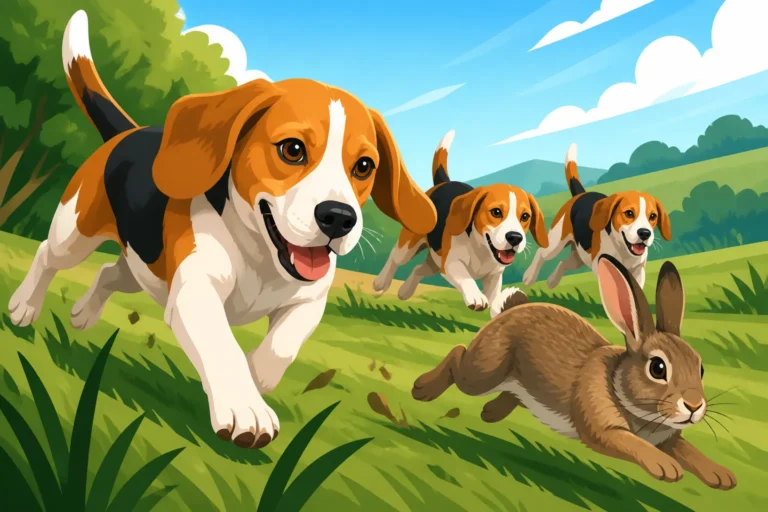
These early Beagles, much like today's, were highly valued for their keen sense of smell and their persistent nature on the trail. They were specifically used for hunting hare and rabbit, a sport that was often followed on foot, distinguishing them from larger hounds used for deer or fox. This context is crucial because it hints at characteristics that might have influenced the name itself. The focus on smaller game and the need for a dog that could navigate dense undergrowth would certainly prioritize traits that could eventually lead to a descriptive name. The lineage of these dogs is quite old, with some historians tracing them back to The Talbot Hound and the Southern Hound.
The Evolution of Breed Names Over Time
It's important to remember that breed names, especially for working dogs, weren't always fixed. Often, they evolved from local dialects, functional descriptions, or even the sounds the dogs made. For example, a dog might have been called a "hunter" or a "trailer" long before it was given a specific breed name. The term "hound" itself is ancient, referring broadly to dogs used for hunting by scent. The development of distinct breed names often coincided with a greater emphasis on breeding for specific traits and appearances, eventually leading to more formalized standards.
Consider how many dog breeds today have names that clearly link to their place of origin (e.g., Labrador Retriever, German Shepherd) or their primary function (e. Sheepdog, Pointer). The Beagle's name doesn't immediately scream "England" or "rabbit hunter" in the same way, which is why its etymology prompts such discussion. Its origins are a bit more nuanced, wrapped up in linguistic changes over centuries. The specific traits, like its formidable nose, are integral to What a Beagle Was Originally Bred to Hunt.
Unpacking Potential Linguistic Roots
When we try to pinpoint where "Beagle" comes from, we mostly look to Old French, which had a profound influence on the English language, especially in terms of hunting terminology, after the Norman Conquest. There are a few prominent theories, each with its own compelling argument.
The "Small" Theory: From Old French 'Begele' or 'Begueule'
One of the most popular theories links "Beagle" to an Old French term, possibly "begele" or "begueule," which roughly translates to "gaping throat" or "loudmouth." However, a more widely accepted interpretation of this root connects to something small or diminutive. Some scholars suggest a link to "beigle," a Middle English word for a small person or animal, potentially derived from an Old French word indicating smallness.
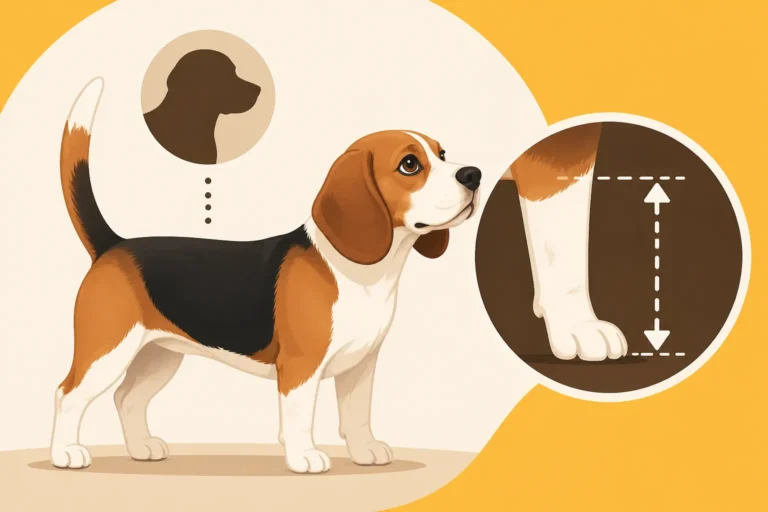
This makes a lot of sense when you consider the Beagle's stature. Historically, Beagles were notably small, with some even referring to "pocket Beagles" – tiny hounds that could literally be carried in a hunter's saddlebag. While true Pocket Beagles and Whether They Ever Existed is debated, the idea of a very small hound was certainly present. This characteristic distinguishes them from larger hunting dogs. The emphasis on their compact size for navigating dense undergrowth and pursuing small game like rabbits provides a strong functional argument for a name related to "small." Even today, the breed comes in two sizes: The Thirteen Inch Beagle Variety and the fifteen-inch variety, both relatively small hounds.
The "Voice" Theory: From Old French 'Beugler' or 'Beegueule'
Another strong contender for the origin of "Beagle" revolves around the breed's most iconic trait: its voice. Beagles are famous for their distinctive bay, a deep, musical howl that they use to alert hunters when they've picked up a scent or are on a trail. This isn't just a bark; it's a full-throated, resonant sound unique to hounds. This leads many to believe the name might come from the Old French verb "beugler," meaning "to bellow," "to make a loud noise," or "to bay."
This theory is incredibly fitting for anyone who has ever owned a Beagle. Their vocalizations are undeniable, whether it's a full-on bay during a scent walk or a plaintive howl for attention. What a Beagle Bay Actually Sounds Like is something truly unmistakable. Historically, hunters relied on the Beagle's voice to follow the chase through thick woods where they couldn't always see the dogs. The sound guided them to the hounds and the quarry. The ability to produce such a distinct and carrying sound was a highly desirable trait, one that was deliberately bred into these dogs. Why Hunting Beagles Were Bred to Bay at All explains this functional importance. It's easy to imagine a hunter hearing these dogs and naming them after their most striking attribute. When you shop for dog supplies, whether it's special training treats or a durable chew toy, even a retailer like Chewy understands the strong link between a Beagle and its voice!
The "Open Mouth" Theory: 'Begueule'
A slightly less common but related theory links "Beagle" to "begueule," an Old French term that means "gaping throat" or "wide open mouth." This could refer to the dog's tendency to sniff with its mouth open, or more likely, to its vocal nature—the wide open mouth being essential for that characteristic bay. While often grouped with the "voice" theory, it emphasizes the physical act of vocalizing rather than just the sound itself.
This visual aspect could have played a role in naming, especially in a hunting context where the sight of a dog in full cry, head thrown back, mouth open, would be a common and exciting image. For dog owners looking for sturdy leashes and harnesses on Chewy, it's easy to picture a Beagle with its nose to the ground and its mouth open, ready to vocalize that discovery.
Comparing the Theories and Their Supporting Evidence
Let's put these theories side-by-side to see how they stack up. While there's no definitive, universally agreed-upon answer etched in stone, certain arguments resonate more strongly with the historical context and the known characteristics of the breed.
The Weight of Historical Context
Historically, the small stature of early Beagles was a defining feature. They were specifically bred to be smaller and slower than Foxhounds, making them suitable for rabbit hunting where the hunter could follow on foot. This practical aspect of their size for the sport known as "beagling" provides strong support for a name derived from "small." Early descriptions of "pocket Beagles" further bolster this idea. The utility of a small, agile dog in dense underbrush cannot be overstated in the hunting traditions that shaped the breed. Many of the fundamental traits for The Beagle From English Rabbit Packs to American Homes connect to its size and purpose.
However, the voice of the Beagle is arguably the most distinctive and critical characteristic for a pack hound. A silent hound is a useless hound in traditional hunting where tracking is done by scent and the communication comes through sound. The bay is what tells the hunter where the dogs are, what they've found, and the excitement of the chase. This communicative aspect gives immense weight to the "voice" theory. It's hard to imagine these dogs not being named after their most pronounced auditory feature. The powerful nose, too, is key; Why a Beagle Nose Beats Ours Ten Thousand Times Over highlights the critical role of scent, but the communication of that scent is often through sound.
Linguistic Plausibility
From a purely linguistic standpoint, both the "small" and "voice" theories have plausible Old French roots. The influence of French on English hunting vocabulary is well-documented, so derivations from "beugler" or similar terms for "small" are sound. The shift in pronunciation and spelling over centuries is also consistent with how words evolve.
The table below offers a summary of the primary theories regarding the origin of the word "Beagle."
| Theory | Proposed Origin (Old French) | Meaning / Rationale | Supporting Evidence |
|---|---|---|---|
| Small Size | Begele, Beigle | Relates to the diminutive size of early Beagles, bred for hunting small game. | Historical accounts of "pocket Beagles." Practicality of small dogs for foot-hunting rabbits. Distinction from larger hounds. |
| Vocal Nature | Beugler | Refers to the Beagle's characteristic loud baying or bellowing while on a scent trail. | The breed's renowned vocalizations (bay, howl). Hunters relying on voice to track dogs. The functional importance of a loud voice in a pack hound. |
| Open Mouth | Begueule | Suggests an association with a "gaping throat" or "wide open mouth," referring to either vocalizing or sniffing. | Visual aspect of a Beagle baying or intensely scenting. Less common as a standalone theory, often grouped with vocal nature. |
What Do We Conclude?
Given the evidence, it's highly probable that the name "Beagle" is a blend of influences, though the "voice" theory often holds slightly more sway among etymologists and breed enthusiasts. The dog's ability to "bellow" or "bay" (beugler) is such a defining and functional trait that it would naturally lead to a descriptive name. However, the small size was also a crucial distinguishing characteristic. It's not uncommon for words to have multiple, reinforcing origins or for one dominant characteristic to ultimately win out in the naming process.
Ultimately, whether the name derives from their diminutive size or their glorious bay, both aspects perfectly encapsulate the essence of this merry, scent-driven hound. Every time you see a Beagle with its nose to the ground, or hear that unmistakable voice, you're experiencing traits that have defined the breed for centuries and likely influenced the very word we use to describe them. Even if you're just looking for dog food on Chewy, the historical context reminds us how these dogs came to be.
The Enduring Legacy of the Name
While the exact etymological path remains a bit fuzzy, the name "Beagle" has firmly cemented itself in history. It represents not just a dog breed, but a set of characteristics: keen scenting ability, a merry disposition, and an undeniable voice. The journey of its name is a microcosm of the breed's own history—rooted in hunting tradition, shaped by utility, and beloved for its unique attributes.
The name carries with it the echoes of ancient hunts, where packs of small hounds tracked game, their voices echoing through the fields. It speaks to a time when dogs were named for what they did and how they sounded, rather than just how they looked. From those early small hounds to The Modern Beagle Was Built in the 1830s, the name has endured, becoming synonymous with a cheerful, energetic, and endlessly fascinating companion. The rich history of the name only adds another layer of appreciation for these wonderful dogs.
Disclaimer
This article is for general informational purposes only and does not constitute professional advice. Laws, prices and regulations vary by location and change over time. Consult a qualified professional for guidance on your specific situation.