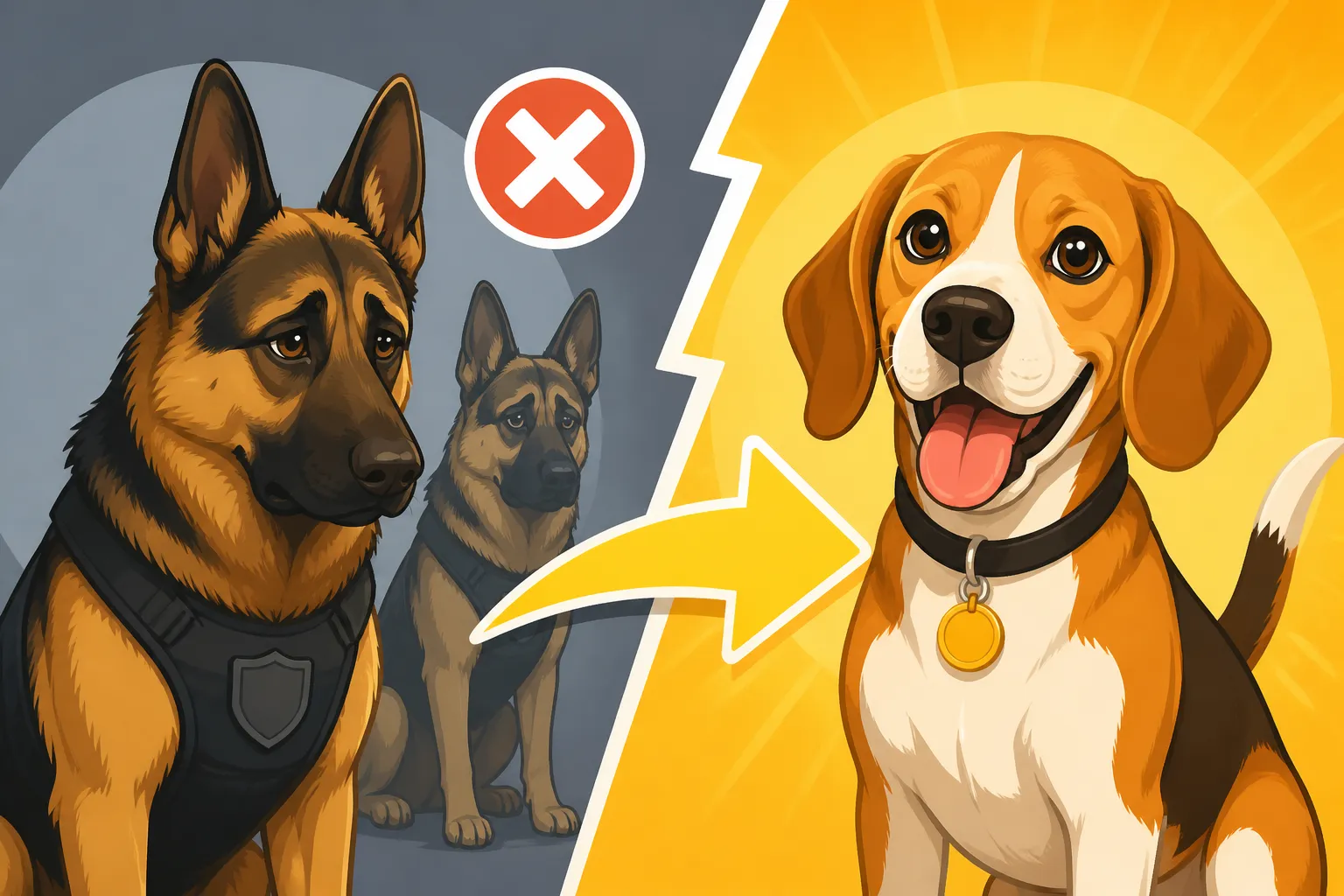
Why German Shepherds Were Retired From That Job
For years, security agencies grappled with a critical challenge: finding the right canine partners for sensitive detection work in public spaces. While powerful breeds were the go-to for many tasks, their imposing presence and natural instincts often created more problems than they solved, especially when the goal was subtle, non-disruptive detection. This guide will explore the pivotal reasons why one of the most iconic working breeds, the German Shepherd, eventually stepped back from certain specific roles, paving the way for a smaller, friendlier, and incredibly scent-driven breed like the Beagle to take center stage.
The Early Days: German Shepherds as the Gold Standard for Working Dogs
When you think of a working dog, especially in law enforcement or security, the German Shepherd often comes to mind first. And for good reason! These dogs are intelligent, courageous, highly trainable, and possess a natural protective instinct that makes them formidable partners in many dangerous situations. For a long time, they were the undisputed champions, and their capabilities were invaluable across a wide spectrum of duties.
The Initial Role of Larger Working Breeds in Detection
In the formative years of canine detection, particularly in areas like border patrol, military operations, and even some early attempts at airport security, German Shepherds and similar large breeds were often chosen for their general utility. Their size and strength were seen as assets, allowing them to cover large areas quickly and provide a visual deterrent. They were excellent for tracking, guarding, and apprehension, making them versatile tools in a security arsenal. If you needed a dog to patrol a perimeter, clear a building, or even track a person through varied terrain, a German Shepherd was often the first choice. Their strong bite work and fearless demeanor made them ideal for roles where confrontation might be necessary.
Unintended Consequences in Public and Confined Spaces
However, the very traits that made German Shepherds exceptional in certain roles began to present unforeseen challenges when applied to environments requiring a more subtle approach. Imagine a bustling airport concourse, filled with families, international travelers, and a general air of movement. A large, powerful German Shepherd, even one trained for passive detection, can inadvertently create anxiety. Their size alone can be intimidating, and their protective instincts, while manageable with training, are always simmering beneath the surface. In the confined spaces of luggage carousels, passenger lines, or even within the narrow aisles of cargo facilities, their sheer physical presence could be overwhelming or even disruptive. They weren't designed for the quiet, low-profile work that some detection tasks demanded.
When Strengths Become Weaknesses: The German Shepherd's Shift in Role
It's a testament to the adaptability of canine units that they recognize when a particular breed's natural strengths, however impressive, might not align with the evolving needs of a specific job. For the German Shepherd, their imposing presence and protective nature eventually led to their retirement from certain public-facing detection roles.
Public Perception and the 'Intimidation Factor'
Consider the difference in how the average person reacts to a large German Shepherd versus a cheerful Beagle. While a German Shepherd projects an image of authority and seriousness, which is perfect for military or police work, it can also unintentionally intimidate or make people nervous in civilian settings like airports. When the goal is to discreetly detect prohibited items without causing alarm or disrupting the flow of passengers, a dog that blends in more and causes less stir is significantly more effective. The sight of a large, serious-looking dog can escalate tension, even if the dog itself is perfectly well-behaved. This wasn't about the dogs failing; it was about the perception they created, which was counterproductive to the mission.
Size and Space Constraints in Operations
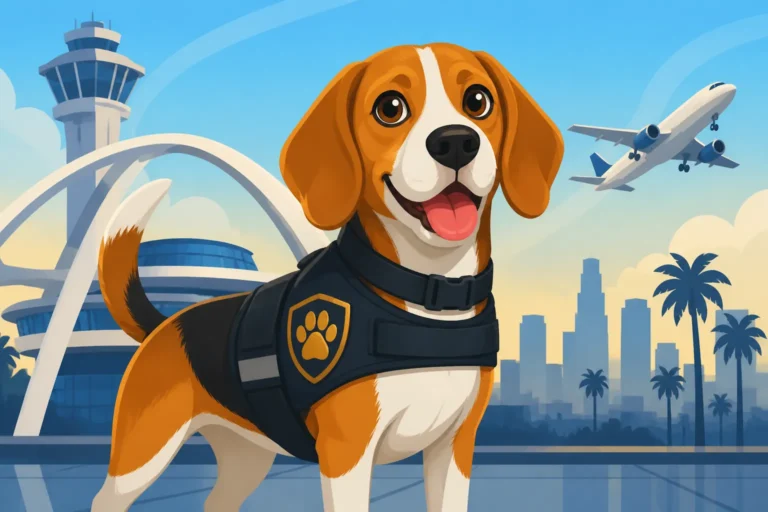
Beyond public perception, practical operational limitations arose. German Shepherds are substantial dogs. Maneuvering them through crowded airport terminals, sniffing around piles of luggage at the carousel, or checking cargo in tight warehouse spaces presented logistical hurdles. Their broad chests and powerful frames required more space, made quick turns difficult, and could inadvertently knock into people or objects. This reduced efficiency and increased the potential for accidental contact in high-traffic areas. Imagine trying to check every bag on a fully loaded baggage belt with a dog that struggles to fit into tight spaces – it becomes a cumbersome process. The Beagle Brigade's First Dog at Los Angeles Airport marked a significant shift in thinking about the ideal physical attributes for this type of work.
Drive for Protection and Its Conflict with Passive Alerting
German Shepherds are bred to protect and confront. While highly trainable, their natural instinct is to engage. In many detection scenarios, especially those involving potentially dangerous contraband, the desired response from the dog is a passive alert – sitting or lying down next to the scent source without touching or reacting aggressively. This indicates the presence of the scent without drawing undue attention or risking a confrontational situation with a human handler or bystander. A German Shepherd's default drive, even when trained for passive alerts, can lean towards a more active, protective response if they perceive a threat, which isn't always what's needed for a low-key search. Agencies found that mitigating this natural protective drive required significant effort and could still present challenges in unpredictable environments.
The Strategic Shift: Ushering in the Era of the Beagle Brigade
The recognition of these challenges led to a thoughtful re-evaluation of the ideal canine profile for non-confrontational detection. The search wasn't for a "better" dog overall, but for a better fit for this very specific type of work. Enter the Beagle, a breed whose inherent traits and temperament proved to be a nearly perfect match. This strategic pivot resulted in the formation of the renowned Beagle Brigade.
The Beagle's Innate Traits for Non-Confrontational Detection
Beagles, in stark contrast to German Shepherds, are small, non-threatening, and possess an almost insatiable desire to follow their noses. They are literally bred for scent work, with approximately 220 million scent receptors, compared to humans' mere 5 million. Their friendly, curious demeanor makes them approachable by the public, often eliciting smiles rather than fear. When a Beagle sniffs a piece of luggage and sits down, it's perceived as cute, not menacing. This natural, non-intimidating presence is invaluable in fostering public cooperation and maintaining a calm atmosphere.
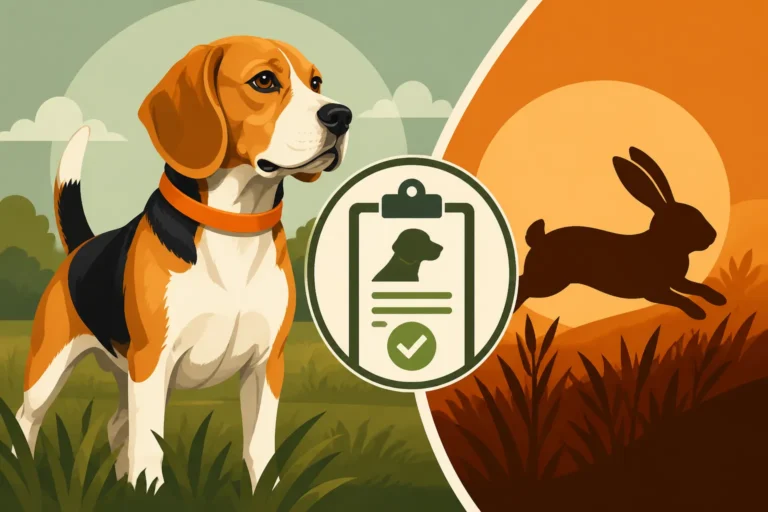
You can read more about Why the USDA Picked Beagles for Airport Work. Their floppy ears, wagging tails, and generally happy-go-lucky disposition are disarming, which is precisely the desired effect when working alongside thousands of daily travelers. This breed was historically used for rabbit packs, which means they were used to working collaboratively, not aggressively. The Beagle from English Rabbit Packs to American Homes shows their history as social, driven scent hounds.
Operational Advantages of Smaller, Food-Motivated Dogs
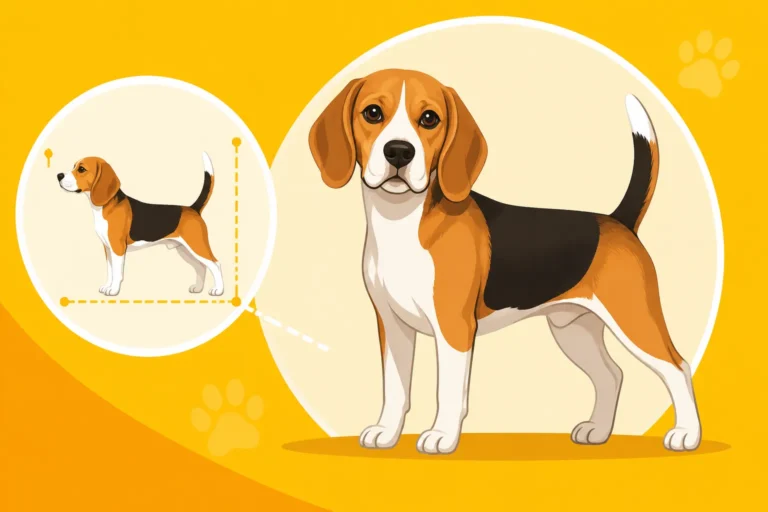
From an operational standpoint, Beagles offer numerous advantages. Their compact size allows them to navigate crowded areas with ease, effortlessly weave through luggage carousels, and search tight spaces in cargo bays or vehicles that would be difficult for a larger dog. This enhances efficiency and thoroughness in detection.
Furthermore, Beagles are incredibly food-motivated. This trait is a huge boon for training and maintaining their work drive. Positive reinforcement using high-value treats (which you can easily find on sites like Chewy, portioned into small, motivating bites) is highly effective. Their intense food drive means they are often willing to work tirelessly for a reward, making them enthusiastic and consistent performers. This intense focus on food also helps them remain undistracted by the myriad of other scents and stimuli present in a busy environment. Using a Beagle's Food Drive as the Training Lever is a core principle in their successful deployment.
Here's a quick look at how the two breeds compare for specific detection roles:
| Feature | German Shepherd (General Detector) | Beagle (Specific Detector – e.g., Beagle Brigade) |
|---|---|---|
| Size | Large, imposing | Small, compact, non-threatening |
| Public Perception | Can be intimidating, serious | Friendly, approachable, disarming |
| Natural Drive | Protection, guarding, apprehension | Scent-tracking, food-motivated |
| Movement in Crowds | Can be cumbersome, takes up space | Agile, navigates tight spaces easily |
| Alert Type | Can lean towards active/protective | Primarily passive, non-confrontational |
| Training Focus | Versatility, bite work, obedience | Hyper-focused scent discrimination, positive reward |
| Energy Output | High, needs consistent mental/physical work | High, but scent work is a primary outlet |
| Cost (Supplies, e.g. Chewy) | Can be higher due to size and larger portions | Generally lower, smaller portions of food and treats |
The Lasting Impact: Training, Public Acceptance, and a New Model for Detection
The transition from larger, more intimidating breeds to the friendly, highly efficient Beagle model represented a significant evolution in detection strategies. It wasn't just about finding a dog that could smell well; it was about integrating canine detection into society in a way that was both effective and publicly acceptable.
Positive Reinforcement and the Beagle's Food Drive
The training methodologies developed for Beagles leverage their natural inclinations to an extraordinary degree. Because they are so food-motivated, positive reinforcement is incredibly powerful. Trainers can use small, high-value treats (many handlers purchase their training treats from online retailers like Chewy to ensure a consistent supply) to reward correct detection, reinforcing the desired behavior without the need for harsh corrections. This creates a happy, eager working dog. The game for the Beagle isn't about aggression or dominance; it's about finding the hidden "prize" (the scent of contraband) and getting a delicious reward. This makes the training process highly effective and maintains the dog's enthusiasm for the job over many years. This constant motivation is key to understanding What a Beagle Brigade Dog Actually Sniffs For and how consistently they perform.
Public Relations and the Friendly Face of Security
The success of the Beagle Brigade stands as a prime example of how effective public relations can be built around a working dog program. Beagles are universally seen as friendly, even comical sometimes, with their long ears and perpetually sniffing noses. When a traveler sees a Beagle at the airport, their first reaction is often to smile, not to feel scrutinized or fearful. This "friendly face" of security is a powerful tool. It normalizes the presence of detector dogs, reduces public anxiety, and even encourages cooperation, as people are less likely to feel defensive around such a charming creature. This positive public image helps agencies fulfill their mission more smoothly and efficiently.
The Beagle Brigade's Success and Lasting Legacy
Since their introduction, particularly by the USDA's Animal and Plant Health Inspection Service (APHIS) for the detection of prohibited agricultural products, Beagles have been exceptionally successful. Their ability to work effectively without alarming the public, coupled with their incredible olfactory capabilities, has made them indispensable. The Beagle Brigade has become a globally recognized and celebrated program, with other nations adopting similar approaches. This success story has solidified the understanding that for certain specialized detection tasks, a smaller, friendlier, and exquisitely scent-driven breed like the Beagle is not just a viable alternative, but often the superior choice. This legacy continues to grow, proving that sometimes, the biggest impact comes from the smallest, most cheerful workers. To truly appreciate their work, you have to understand Beagle Scent Work as the Job a Beagle Was Built For.
The Beagle's relatively compact size also means that the expense for their care, including their ample food supply (many owners rely on Chewy for regular deliveries of their preferred kibble and treats), is often more manageable than for larger working breeds, contributing to the overall cost-effectiveness of their deployment.
Disclaimer
This article is for general informational purposes only and does not constitute professional advice. Laws, prices and regulations vary by location and change over time. Consult a qualified professional for guidance on your specific situation.