Why the USDA Picked Beagles for Airport Work
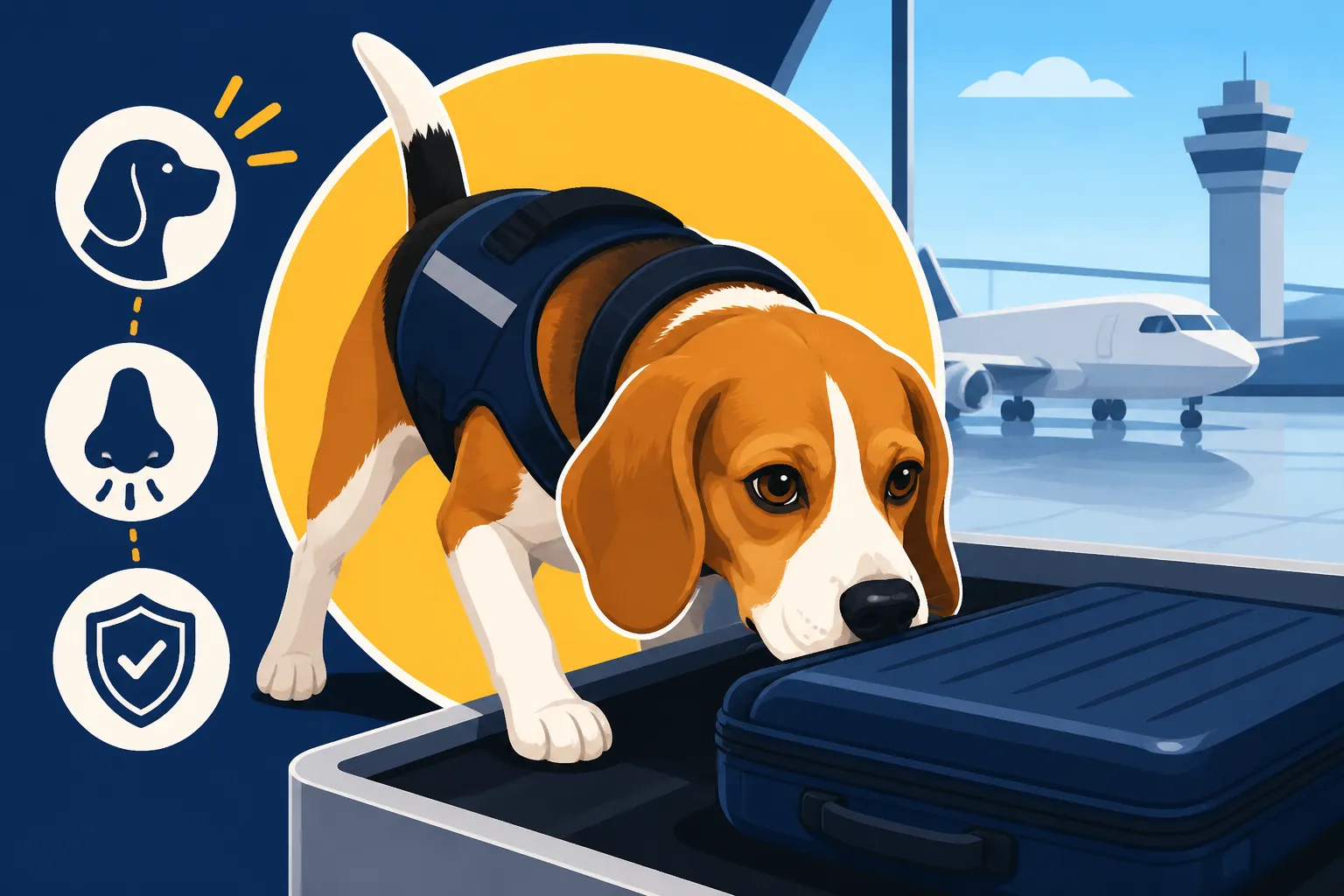
It’s a sight that often brings a smile to tired travelers: a friendly, tail-wagging Beagle, nose to the ground, diligently working its way through airport luggage. Many people wonder why this particular breed, known for its merry disposition and sometimes stubborn nature, was chosen for such a crucial job with the U.S. Department of Agriculture (USDA). This guide will delve into the fascinating reasons behind the Beagle Brigade's success and why these little hounds are perfectly suited for keeping our country safe from agricultural threats.
The Beagle's Unrivaled Olfactory Prowess
Let's face it, a Beagle lives by its nose. This isn't just a cute saying for a breed that loves to sniff; it's a scientific reality that makes them unparalleled in scent detection. Their entire anatomy and physiology are designed for processing and interpreting smells with an intensity most of us can barely comprehend. The USDA didn't just pick a cute dog; they picked a canine superpower with an extraordinary sense of smell.
The Anatomy of a Super Sniffer
A Beagle's nose isn't just a nose; it's a complex bio-sensor. Compared to humans who have about 5 million olfactory receptors, a Beagle boasts an astonishing 220 million. That's a staggering difference, allowing them to detect minuscule traces of scent that are utterly imperceptible to us. Think about walking into a bakery and smelling fresh bread; a Beagle walks into that same bakery and can discern the individual scents of flour, yeast, sugar, butter, and every other ingredient, even those that have already been baked. Their large, moist nostrils are designed to capture scent particles effectively, and their long, floppy ears actually help by sweeping scent towards their nose as they move. It’s a beautifully engineered system for a specific purpose: tracking scent. You might be interested in reading more about How Far a Beagle Can Actually Smell and Why a Beagle Nose Beats Ours Ten Thousand Times Over.
Beyond the number of receptors, it's how their brain processes this information. The olfactory bulb in a Beagle's brain, which is the part responsible for interpreting smells, is disproportionately large compared to its brain size. This means they have immense brainpower dedicated solely to scent analysis. They don't just register a smell; they build a detailed picture, almost like a 3D map, of the scent environment around them. This deep processing allows them to differentiate between an overwhelming array of odors, a critical skill when they are sifting through hundreds of bags that have been in various climates and touched by countless hands.
Sorting Scents in a Chaotic Environment
One of the most challenging aspects of working in an airport is the sheer volume of sensory input. There's constant noise, a cacophony of human voices, rolling luggage, engine hums, and an incredible mix of natural and artificial smells. For many dogs, this environment would be overwhelming and distracting. However, Beagles possess a unique ability to tune out irrelevant stimuli and focus intently on the task at hand: finding specific target odors. They are driven by an innate desire to follow a scent trail to its source. They can walk past a food cart, ignoring the tantalizing aroma of hot dogs or coffee, because their focus is locked onto the much fainter scent of, say, an apple or a piece of undeclared fruit hidden deep in a suitcase.
This incredible focus isn't just about their nose; it's also a testament to their deep-seated drive. When a Beagle is on a scent, it enters a zone of complete absorption. Everything else fades away. This isn't stubbornness, as some owners might describe it when their Beagle ignores a "come" command while tracking a squirrel; it's a deep, primal commitment to the hunt. For the USDA, this means a Beagle can consistently perform its duty in high-traffic, noisy environments without being easily sidetracked. They are, in essence, purpose-built for persistent, detail-oriented scent work, making them perfect candidates for detecting prohibited agricultural items. This talent really highlights What a Beagle Experiences on a Scent Trail and How a Beagle Sorts One Scent Out of Fifty.
Temperament and Training Suitability
Beyond their phenomenal noses, the temperament of a Beagle is a massive asset to the USDA's mission. These dogs interact with the public daily, and their behavior needs to be impeccable. A dog that causes alarm or fear, no matter how good its nose, wouldn't be suitable for the job.
A Friendly Face for Public Spaces
Imagine arriving in a foreign country, perhaps feeling a little anxious after a long flight, and being greeted by a large, imposing dog with bared teeth. It’s not exactly a welcoming image. The USDA recognized this human element when choosing their detection dogs. Beagles, with their soft eyes, perpetually wagging tails, and generally friendly demeanor, are far less intimidating than many other working breeds. They project an image of approachability and harmlessness. When a Beagle sniffs a piece of luggage, people are usually curious or amused, rather than afraid or defensive. This low-stress interaction helps to keep the airport environment calm and reduces potential conflicts.
Their non-threatening appearance means they can work in close quarters with passengers, children, and other animals without causing undue stress. A German Shepherd or a Belgian Malinois, while incredibly capable, might inadvertently create a sense of fear or heightened alert, which isn't conducive to the goal of identifying prohibited items discreetly and efficiently. The Beagle's friendly nature makes it a fantastic ambassador for the program, ensuring public cooperation and a positive perception of security measures. They truly embody the "merry" description often associated with Beagle Temperament and Why the Breed Suits Families.
The Power of Food Drive in Training
If you've ever owned a Beagle, you know one thing for certain: they are highly motivated by food. This isn't a flaw; it's a feature, and it's one of the primary reasons they excel in detection training. Their intense food drive makes them incredibly eager to learn and perform tasks, especially when those tasks are rewarded with a delicious morsel. This isn't just about hunger; it's about their innate desire to work for a reward, a trait that can be leveraged effectively in structured training programs.
The training for the Beagle Brigade focuses on positive reinforcement, where successful detection is always met with a food reward. This creates a strong association between the target scent, the act of indicating it, and the satisfying treat. Because Beagles are so food-driven, they maintain high levels of motivation throughout their shifts, constantly scanning for opportunities to earn their next reward. This makes them incredibly consistent performers. Trainers can rely on their enthusiasm and their deep desire to please (especially when food is involved) to keep them engaged, even during repetitive tasks. Many Beagle owners know this firsthand when trying to implement The Treats a Beagle Will Work Hardest For into their daily training. You can also explore how to manage Beagle Food Budgets for a Dog That Never Stops Eating effectively.
Practical Advantages in a Busy Setting
Beyond their nose and nice personality, Beagles offer several practical benefits that make them ideal for the fast-paced, space-constrained environment of an airport or mail facility. Their size, stamina, and ability to navigate tight spaces are all factors that played into the USDA's decision.
Small Size, Big Impact
The average Beagle stands between 13 and 15 inches tall, making them a compact and efficient detection tool. Their smaller stature allows them to maneuver easily through crowded baggage claim areas, narrow aisles, and between passengers in line without getting in the way or causing disruption. They can effectively sniff low-lying bags, underneath seats, and in cargo areas that might be difficult for a larger dog to access comfortably. This agility and reach are critical for thorough inspections.
Furthermore, a smaller dog is simply easier to manage on a leash for handlers who are often working long shifts. They are less likely to pull or exert significant physical force, making the handler's job less strenuous. Their size also means they take up less space, whether in a vehicle, a break room, or during transit within the airport. This seemingly minor detail adds up to significant operational efficiencies over time, making them a practical choice for a program that deploys many dogs across various locations.
Endurance for Repetitive Work
While Beagles might not be sprinters, they are built for endurance. Their history as hunting hounds, tracking game for hours on end, instilled in them incredible stamina and a tireless work ethic when on a scent. This is crucial for airport work, where they might be sniffing hundreds of bags during a single shift. The work is repetitive, but a Beagle's inherent drive means they can maintain focus and energy throughout.
Their medium energy level, combined with their strong scent drive, means they thrive on having a "job" to do. They don't just endure the work; they often genuinely enjoy it, finding satisfaction in the process of detection. This mental and physical endurance ensures that the Beagle Brigade dogs remain effective throughout their shifts, without succumbing to fatigue or boredom as quickly as some other breeds might. This makes Beagle Scent Work as the Job a Beagle Was Built For such a natural fit.
The Shift from Traditional Detection Dogs
Historically, many people associate detection work with larger, more imposing breeds like German Shepherds or Labradors. While these dogs are exceptional in many roles, the USDA specifically transitioned to Beagles for agricultural detection for several key reasons, marking a significant shift in strategy.
From Intimidation to Approachability
For a long time, the image of a working dog, particularly in security or law enforcement, was often one of a large, powerful animal designed to deter or apprehend. This was effective for certain tasks, but less so for an agency focused on agricultural compliance rather than criminal interdiction, especially in public-facing roles. The USDA's mission is to intercept pests and diseases that could devastate crops and livestock, and their approach needs to be one of education and cooperation, not intimidation. Passengers are more likely to willingly declare items if they feel comfortable and unthreatened.
This philosophical shift led to the embrace of breeds that are naturally perceived as "friendly" and "harmless." Why the Brigade Switched Away From German Shepherds for airport passenger areas was a direct reflection of this desire to create a more welcoming and less confrontational screening experience. The sight of a gentle Beagle, rather than a formidable K9, encourages travelers to be more relaxed and, crucially, less inclined to hide prohibited items out of fear. The overall effectiveness of the program relies not just on detection, but also on fostering an environment where passengers understand and comply with regulations.
Speed and Efficiency in High-Volume Areas
Imagine a long line of travelers, eager to get home, suddenly stopped because a large dog needs to thoroughly investigate every piece of luggage. While effective, it could lead to significant delays and frustration. Beagles, with their small size and focused nature, are able to work quickly and efficiently through high-volume areas. They can weave in and out of lines, dart around luggage carousels, and quickly assess bags without causing major bottlenecks.
Their ability to maintain a steady pace, combined with their precision in pinpointing target scents, means that a Beagle can clear a large number of items in a shorter amount of time than a larger, slower-moving dog might. This efficiency is paramount in a bustling international airport, where thousands of passengers and bags pass through daily. By choosing Beagles, the USDA optimized its operations for speed, discretion, and public relations, all while maintaining a highly effective detection rate. The USDA Beagle Brigade at the Airport represents a thoughtful and strategic approach to protecting our nation's agriculture.
What the Beagle Brigade Seeks to Detect
It's natural to wonder what exactly these dedicated Beagles are looking for. It's not drugs or explosives, which are typically the domain of other specialized K9 units. The Beagle Brigade focuses specifically on agricultural contraband that could introduce devastating pests and diseases to the United States.
| Category | Examples of Prohibited Items | Potential Impact |
|---|---|---|
| Fruits & Vegetables | Apples, oranges, mangoes, potatoes, tomatoes, fresh leafy greens | Can harbor fruit flies, plant diseases, invasive seeds, and agricultural pests that decimate crops. |
| Meats & Poultry | Dried sausages, raw chicken, jerky, uninspected animal products | Risk of Foot-and-Mouth Disease, African Swine Fever, Avian Flu, and other devastating animal diseases. |
| Plants & Seeds | Unprocessed plant material, specific seeds, cuttings, flowers | Could introduce invasive species, plant viruses, fungal pathogens that destroy native flora and agriculture. |
| Live Animals | Birds, insects, snails, unpermitted pets (less common but possible) | Introduction of invasive species, zoonotic diseases, or parasites that impact ecosystems and human health. |
| Soil & Mud | Even small amounts on shoes or equipment | Can contain invasive plant seeds, fungi, bacteria, or insect eggs that threaten local ecosystems. |
These items, even in small quantities, pose an immense threat to the delicate balance of our ecosystems and the multi-billion dollar agricultural industry. A single fruit fly larva, a fungal spore, or a hidden plant cutting could wreak havoc on farms, forests, and local economies. The Beagles are the first line of defense against these silent invaders.
Conclusion: A Small Hound, A Mighty Guardian
The decision by the USDA to specifically employ Beagles for their agricultural detection program was a stroke of genius, marrying scientific understanding of canine abilities with practical operational needs and public relations savvy. These "merry little hounds" are far more than just cute faces; they are highly skilled, indispensable members of our national security apparatus, diligently working to protect our country from unseen threats. Their exceptional noses, amiable temperaments, and practical size make them the perfect fit for a job that requires both precision and diplomacy in the busiest of environments.
So, the next time you spot a Beagle weaving through an airport, nose to the ground and tail wagging, remember the incredible combination of genetics, training, and strategic thinking that makes them such vital guardians of our agriculture. They are a testament to the fact that sometimes, the smallest and friendliest among us can carry the biggest responsibilities.
Disclaimer
This article is for general informational purposes only and does not constitute professional advice. Laws, prices and regulations vary by location and change over time. Consult a qualified professional for guidance on your specific situation.