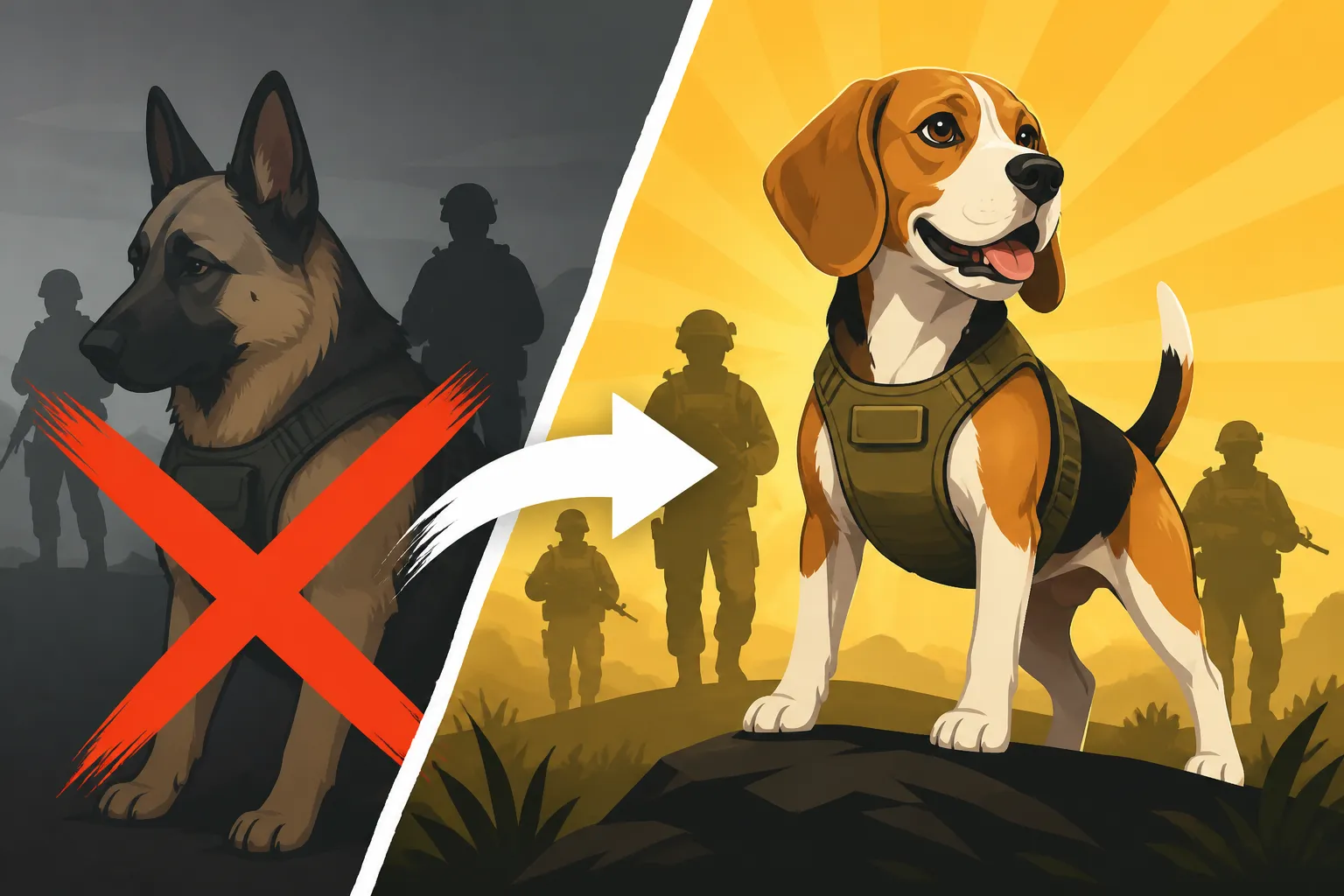
Why the Brigade Switched Away From German Shepherds
For a long time, the image of a working dog in law enforcement or border security conjured up a picture of a large, imposing German Shepherd. And while these magnificent dogs certainly have their place, particularly in roles demanding protection and intimidation, the bustling, sensitive environment of an international airport presents a very different set of challenges. This guide dives into why the U.S. Department of Agriculture's (USDA) Animal and Plant Health Inspection Service (APHIS) made a pivotal switch, moving away from larger breeds to embrace the unassuming but incredibly effective Beagle for its critical role in The USDA Beagle Brigade at the Airport.
The Traditional Role of German Shepherds in Law Enforcement
Before we talk about the Beagles, it's important to understand the landscape of working dogs that came before. German Shepherds have a long and storied history in service, renowned for their intelligence, trainability, and impressive physical capabilities. They are, for many, the quintessential police dog, the image of canine authority and discipline.
Inherent Strengths of the German Shepherd
German Shepherds possess a suite of traits that naturally lend themselves to many forms of detection and protection work. Their strong bite, intimidating presence, and unwavering loyalty make them excellent choices for roles where force might be required or where a visible deterrent is beneficial. They excel in situations requiring intense focus over extended periods and have a keen sense of smell, albeit used differently than a scent hound's. Their size allows them to cover ground quickly and to navigate varied terrains, making them ideal for patrol, tracking fugitives, or searching large outdoor areas. For decades, they were the go-to breed for almost any K9 unit, and for good reason—they are incredibly versatile and capable animals when matched to the right job.
Why They Were Initially Used for Agricultural Detection
In the early days of agricultural product detection, the goal was clear: find prohibited items. The immediate thought was often to deploy the most capable, established working breeds available. German Shepherds fit this bill. Their reputation as intelligent, trainable, and scent-driven dogs meant they were a natural consideration for customs and border protection. They were reliable, could be trained to pinpoint specific odors, and commanded respect from travelers. The assumption was that a dog trained to detect narcotics or explosives could easily be adapted to sniff out an apple or a piece of undeclared jerky. However, what works in a quiet warehouse or a remote border crossing doesn't always translate seamlessly to the dynamic, often chaotic environment of an airport terminal.
The Unique Challenges of Airport Environments
Airports are not like other working environments for dogs. They are a swirling mix of sensory input, human behavior, and tight constraints that can amplify certain challenges for even the most well-trained animal. The sheer volume of people, the constant flow, the diverse smells, and the compact spaces create a very specific set of requirements for a successful detection dog.
Public Perception and Passenger Comfort
Imagine walking through an airport with a large, powerful German Shepherd on patrol. For many, this is a reassuring sight, a symbol of security. But for others, particularly those from different cultural backgrounds or with past negative experiences, a large dog can be intimidating. The goal of the Beagle Brigade was not just effective detection, but also to not cause undue stress or fear among the traveling public. A dog that makes a child cry or causes an elderly person to freeze up, no matter how well-behaved, detracts from the overall passenger experience. The ideal airport detection dog needed to be approachable, friendly, and non-threatening, essentially melting into the background or even becoming a welcome, comforting presence. This was a critical factor in the shift, understanding that effectiveness couldn't come at the cost of public comfort.
Confined Spaces and High Distraction Levels
Airport terminals are notoriously crowded. Aisles are narrow, gate areas are packed, and baggage claim carousels are surrounded by hundreds of people. A large German Shepherd, even one trained for close-quarters work, can struggle to maneuver efficiently through such dense throngs. Their size means they take up more space, requiring more effort from their handler to navigate without bumping into luggage or people. Furthermore, the sensory overload in an airport is immense: thousands of food smells from restaurants, perfumes, cleaning products, luggage, and, of course, other humans. These distractions can make it incredibly difficult for a dog to maintain focus on the specific target scent. German Shepherds, while focused, might find the sheer volume of competing stimuli overwhelming for precise, consistent detection in such a frenetic environment.
Why the Beagle Emerged as a Superior Choice
The shift to Beagles wasn't arbitrary; it was a carefully considered decision based on the breed's inherent characteristics that make them perfectly suited for the specific demands of airport agricultural detection. What might seem like a disadvantage in one working role became a distinct asset in another.
Size, Temperament, and Public Approachability
One of the most immediate and obvious advantages of the Beagle is their size. Being smaller and more compact, they can weave through crowded terminals with ease, slipping between legs and luggage without causing disruption. They are less likely to intimidate passengers, especially children. Instead, their friendly, "merry" disposition makes them incredibly approachable. People often smile, and even want to pet, a Beagle. This drastically reduces passenger anxiety and creates a more positive atmosphere, which is a huge win for an agency that relies on public cooperation. This inherent friendliness is a huge part of Beagle Temperament and Why the Breed Suits Families, making them excellent ambassadors for the USDA.
Unparalleled Scenting Ability and Food Drive
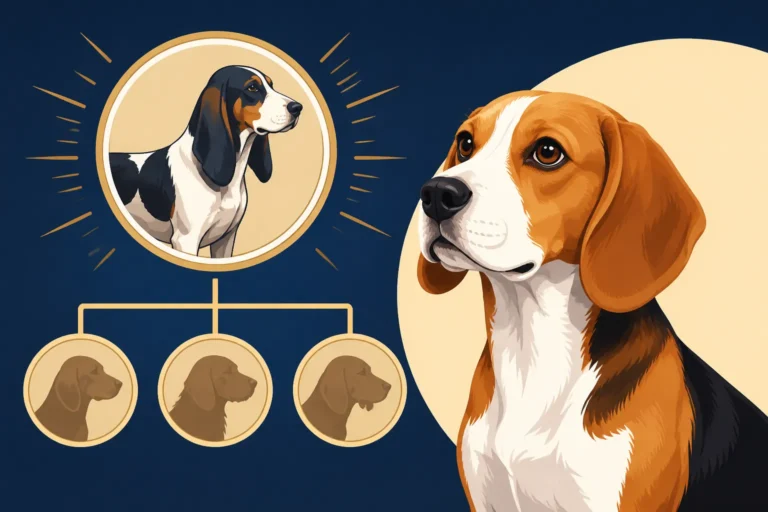
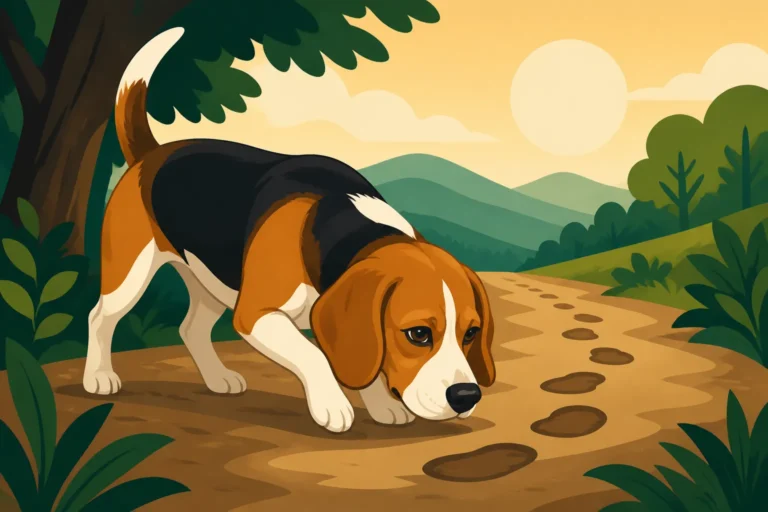
The Beagle's nose is, quite simply, legendary. Bred for centuries to track small game, their olfactory system is highly developed. We're talking about The 220 Million Receptors Behind a Beagle's Nose — an incredible biological advantage over most other breeds. They are masters at discriminating between a myriad of scents, zeroing in on even the faintest whiff of an apple hidden in a carry-on or a sausage tucked into a backpack. This hyper-focused scent drive means they can reliably detect agricultural contraband even amidst the cacophony of airport smells. Moreover, Beagles are famously food-motivated. This insatiable hunger, often a challenge for pet owners trying to manage Beagle Food Budgets for a Dog That Never Stops Eating, becomes a powerful asset in training. They are eager to work for a tasty reward, making them highly enthusiastic and persistent in their search.
Efficiency in Search and Minimal Disruption
Because of their size and scenting prowess, Beagles are incredibly efficient. They can work quickly, covering large areas of baggage claim or passenger lines without needing to stop or re-scan. When a Beagle alerts to an item, it's typically a soft, subtle signal – often just sitting down next to the offending bag. This quiet, non-confrontational alert method is far less disruptive than a more demonstrative indication from a larger dog, and it avoids drawing undue attention to a passenger who might unknowingly be carrying a prohibited item. The goal is detection, not confrontation, and the Beagle's method aligns perfectly with this. Their ability to do their job without creating a scene is a cornerstone of the Beagle Brigade's success.
The Beagle Brigade's Success: More Than Just a Cute Face
The adoption of Beagles by the USDA was a game-changer for agricultural product detection. Their effectiveness goes far beyond their endearing appearance; it's rooted in a combination of their natural abilities and the strategic deployment of those traits in a challenging environment. The Why the USDA Picked Beagles for Airport Work really comes down to their practical advantages.
High Success Rates in Contraband Detection
The numbers speak for themselves. Beagle Brigade teams regularly intercept thousands of pounds of prohibited agricultural products each year. These items, ranging from fresh fruits and vegetables to meats and plant materials, often carry pests and diseases that could devastate American agriculture. A single piece of fruit, if contaminated, could introduce a foreign insect that wipes out an entire crop, costing billions. The Beagles' ability to consistently sniff out these hidden threats at points of entry prevents countless potential biological invasions. Their keen noses mean very little gets past them, acting as a vital first line of defense for the nation's farms and ecosystems.
| Breed Characteristic | German Shepherd (Traditional Role) | Beagle (Agricultural Detection) |
|---|---|---|
| Size/Presence | Large, intimidating, commanding | Small, approachable, non-threatening |
| Scent Ability | Excellent, used for various targets | Exceptional, highly specialized for food/plants |
| Temperament | Serious, protective, focused | Merry, friendly, food-driven |
| Public Interaction | Can cause apprehension | Generally well-received, comforting |
| Maneuverability | Can be cumbersome in crowds | Agile, easily navigates tight spaces |
| Alert Style | Often more overt/forceful | Subtle, quiet sit-down alert |
| Primary Goal | Deterrence, protection, wide detection | Discreet, precise agricultural detection |
Cost-Effectiveness and Longevity of Service
While the initial training investment is significant for any working dog, Beagles often prove to be more cost-effective in the long run. Their smaller size means less food, fewer potential health issues related to large breed growth, and often a longer working lifespan in a less physically demanding role. They are robust little hounds, bred for endurance, which translates into many years of dedicated service to the brigade. This long-term commitment helps to maximize the return on investment for each dog, making them an economically sensible choice for a widespread program. Moreover, supplies for their care, like specialized food or grooming tools, are readily available at retailers like Chewy, making resupply straightforward for their handlers.
Training and Adaptation: How Beagles Are Prepared for the Job
The magic of the Beagle Brigade isn't just in the dogs themselves, but in the specialized training that transforms their natural instincts into precision detection skills. It's a testament to positive reinforcement and tapping into a Beagle's core drives.
Harnessing the Innate Food Drive
Beagles are notorious for their love of food, and this trait is ingeniously leveraged in their training. Instead of working for praise or a toy (though those are often incorporated), the primary reward for a Beagle Brigade dog is often a high-value food treat. This creates an incredibly strong motivation for them to find the target scent. Trainers essentially teach the Beagles that finding prohibited items leads directly to a delicious snack. This Using a Beagle's Food Drive as the Training Lever means they are highly engaged, persistent, and enthusiastic in their searches. They aren't just doing a job; they're playing a very rewarding game of "find the food." It's a powerful and ethical training method that capitalizes on their natural desires.
Specialized Scent Imprinting and Alert Behaviors
The training begins with scent imprinting, where puppies are introduced to the specific odors of various fruits, vegetables, and meats they will later detect. This isn't just about recognition; it's about making those particular scents incredibly exciting and rewarding. Over time, the dogs learn to associate these target odors with positive outcomes. They are then taught a clear, passive alert behavior – typically a sit – to indicate they've found a prohibited item. This passive alert is crucial in an airport setting as it avoids any aggressive or disruptive actions. The Beagles are trained to work calmly, confidently, and independently, making their own decisions about where to search and when to alert. This specialized imprinting ensures that What a Beagle Brigade Dog Actually Sniffs For becomes second nature, almost an instinct. For all their training, access to high-quality training treats and specific chew toys is often managed through bulk purchases from pet supply giants like Chewy.
Continuous Training and Socialization
Even after initial certification, Beagle Brigade dogs undergo continuous training to keep their skills sharp and their focus strong. This includes daily practice searches, exposure to new environments, and refresher courses to ensure they remain proficient. Furthermore, extensive socialization is built into their program. Given their constant interaction with the public, it's vital that these Beagles are comfortable around all kinds of people, sounds, and situations. They need to be unfazed by crying babies, rolling luggage, sudden noises, and bustling crowds. This constant exposure and positive reinforcement ensure that they maintain their friendly demeanor and remain effective, unflappable working dogs throughout their careers, whether they are working in a busy airport terminal or even potentially in a seaport or cargo facility. Beagles Working Seaports and Cargo Facilities often have similar environmental challenges, requiring the same level of calm focus.
The switch from German Shepherds to Beagles for agricultural detection was a calculated, brilliant move that recognized the unique demands of a specific working environment. It underscored the importance of matching the right breed to the right job, prioritizing effectiveness, public comfort, and efficient resource allocation. The Beagle Brigade stands today as a shining example of how a cheerful, food-motivated hound with an extraordinary nose can be the most powerful tool in protecting a nation's agriculture.
Disclaimer
This article is for general informational purposes only and does not constitute professional advice. Laws, prices and regulations vary by location and change over time. Consult a qualified professional for guidance on your specific situation.