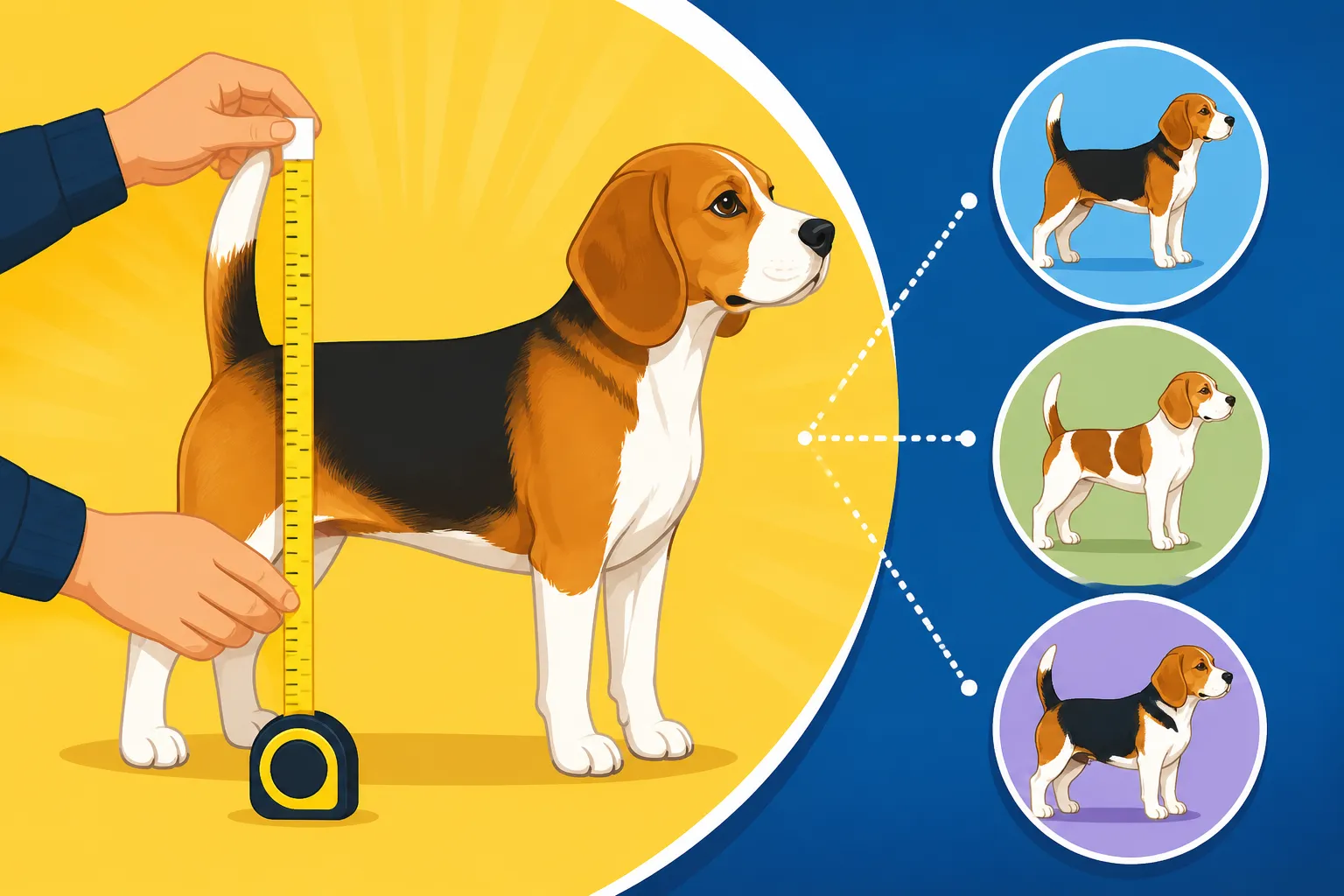
Measuring a Beagle to Decide Its Variety
It’s a common scenario: you’ve got this wonderful, energetic little hound bouncing around your home, and you know they're a Beagle, but then someone asks, "Is your Beagle a 13-inch or a 15-inch?" You might stare blankly, wondering if there’s a secret measuring club you weren't invited to. Don't worry, you’re not alone! Many Beagle owners are curious about their dog's exact size classification, especially if they've heard about the different "varieties" of Beagles. This guide is going to walk you through exactly how to measure your beloved Beagle correctly, what those different measurements mean, and why it even matters in the first place.
Understanding the Official Beagle Varieties and Their Standards
When we talk about Beagle "varieties," we're really talking about height classifications set by breed standards, primarily for showing purposes. It's not like there are fundamentally different types of Beagles running around, but rather a distinction based on how tall they stand at the shoulder. This can be a bit confusing for new owners, as their Beagle might just seem like a "medium-sized dog" to them, and that's perfectly fine! However, understanding these classifications can shed light on some of the breed's history and how they are judged in conformation events.
The 13-Inch and 15-Inch Classifications
Historically, Beagles came in a wider range of sizes, but over time, breed clubs honed in on specific height ranges to create a consistent standard. The American Kennel Club (AKC), for instance, recognizes two varieties for show purposes:
- The 13-Inch Variety: This classification is for Beagles that do not exceed 13 inches in height at the top of the shoulder (the withers). These are the smaller, often more compact Beagles you might see. They tend to have a slightly more delicate build, though still sturdy. It’s a wonderful size for someone who wants a smaller companion but still loves the classic Beagle energy and scent drive.
- The 15-Inch Variety: This category includes Beagles that are over 13 inches but do not exceed 15 inches in height at the withers. These are what many people consider the "standard" Beagle size. They're robust, powerful little hounds, and capable of covering a lot of ground. For many, this is the quintessential Beagle, sturdy enough for adventures without being too large for indoor living.
It's important to remember these are maximums, not minimums. A 12-inch Beagle would fall into the 13-inch variety, and a 14-inch Beagle would be in the 15-inch variety. The lines are drawn clearly, and even a fraction of an inch can move a dog from one class to another, especially in the competitive world of dog shows. This distinction primarily exists for competition, ensuring that dogs are judged against others of similar stature.
Why Height, Not Weight, Defines the Variety
You might notice that the standard focuses exclusively on height at the withers, with no explicit weight requirement mentioned in the primary variety definitions. While breed standards will often provide a general weight range, it's not the defining factor for the two varieties. This is because a Beagle's weight can fluctuate based on its build, muscle mass, and even its daily food intake. Two Beagles of the exact same height could have slightly different weights and still be perfectly healthy and within the standard. For example, a heavily muscled Beagle who is very active might weigh more than a more delicately built Beagle of the same height.
The emphasis on height ensures consistency in the breed's outline and structure, which are crucial for a dog bred for endurance and agility in the field. A Beagle needs to be built in a specific way to effectively follow a scent trail for hours. The standard aims to maintain the functional form that made the Beagle such an effective hunting companion for centuries, even as it transitioned into a beloved family pet. You can learn more about how breeders aim for this ideal in How the Modern Beagle Was Built in the 1830s.
The Step-by-Step Guide to Measuring Your Beagle Accurately
Getting an accurate measurement of your Beagle can feel a bit like trying to measure a wiggle worm, especially if they're particularly excited or distracted! Beagles are naturally curious and often food-motivated, so you'll need patience and maybe a few high-value treats to make this a calm, positive experience. Remember, the goal isn't to stress your dog out, but to get a clear picture of their size.
Gathering Your Tools for a Precise Measurement
Before you even call your Beagle over, make sure you have everything you need laid out. This will help the process go smoothly and quickly, which is key for keeping a Beagle’s attention.
- A measuring stick or yardstick: This is crucial. A tailor's tape measure can be too flexible and difficult to hold steady against a wiggling dog. A solid, straight ruler or yardstick, preferably one with clear inch and half-inch markings, will give you the most accurate read. Some folks even use a carpenter's square for added precision.
- A level surface: Your Beagle needs to be standing on a flat, even surface. This could be a kitchen floor, a patch of concrete, or a solid table that they can comfortably stand on. Avoid carpet or uneven ground, as this can throw off the measurement.
- High-value treats: Beagles live for food. Having some really good, smelly treats on hand (think small pieces of cheese, cooked chicken, or training treats from a brand like Chewy) will be your secret weapon for keeping them still and cooperative.
- An assistant (optional but recommended): If you can enlist a friend or family member to help, it will make things much easier. One person can hold the Beagle steady and offer treats, while the other focuses on the measuring.
The Proper Stance and Location for Measuring
This is where many people go wrong. It’s not just about holding a stick next to your dog; it’s about getting them into the correct anatomical position.
- Find a quiet spot: Minimize distractions. Turn off the TV, put away noisy toys, and ensure there aren't other pets or people wandering through.
- Get your Beagle to stand naturally: This is the trickiest part. Your Beagle needs to be standing four-square, with all four legs planted firmly on the ground, and their weight evenly distributed. Their front legs should be straight, not bowed or tucked. Their head should be held in a normal, natural position, not stretched up or craning down. This is called the "stack" position, and it's how they'd be presented in a show ring. Practice this a few times beforehand with treats. You want them to be comfortable, not tense or leaning.
- Locate the withers: The withers are the highest point of a dog's shoulder blades, right at the base of their neck where their mane would be if they had one. Feel for the bony prominence there. This is your target point.
- Place the measuring stick: Once your Beagle is standing correctly, place your measuring stick vertically on the ground, right next to one of their front legs.
- Use a level or straight edge: Now, take a second flat, straight object (like a small ruler, a book, or even another piece of the yardstick if it's long enough) and place it horizontally across the Beagle's back, resting gently on their withers. Make sure this horizontal piece is perfectly level.
- Read the measurement: Where the horizontal piece intersects with your vertical measuring stick is your Beagle's height. Read this measurement carefully. Do it a few times to ensure consistency.
Here's a simple table to illustrate the two varieties and their height ranges:
| Beagle Variety | Height at Withers (Maximum) | Common Perception |
|---|---|---|
| 13-inch | Up to 13 inches (33 cm) | Smaller, more compact |
| 15-inch | Over 13 inches up to 15 inches (33-38 cm) | Standard, typical size |
Common Mistakes That Lead to Inaccurate Readings
Even with the best intentions, it's easy to make a mistake when measuring your Beagle. Being aware of these common pitfalls can help you avoid them and get the most accurate result.
- Measuring to the top of the head: This is probably the most frequent error. The breed standard specifically calls for measurement at the withers, not the top of the skull or the highest point of their head when it's raised. Their head position changes constantly, but the withers are a more fixed anatomical point.
- Dog is not standing square: If your Beagle is leaning, slouching, or has one leg tucked under, your measurement will be off. Take the time to adjust their stance until they are standing naturally and squarely on all four paws. Use those treats to reward the correct posture!
- Using a flexible tape measure: As mentioned, cloth or flexible plastic tape measures are prone to bending and don't provide a firm straight edge against which to read the height. They also tend to droop, giving you a falsely low reading.
- Not using a level horizontal guide: Just guessing where the top of the withers aligns with your vertical stick is insufficient. The horizontal level ensures you're reading a truly perpendicular height from the ground. Without it, your eye might be tricked, especially if you're not at eye level with your dog.
- Measuring on an uneven surface: A slight bump or dip in the ground can easily add or subtract a half-inch, which can be the difference between variety classifications. Always use a hard, flat surface.
What It Means When Your Beagle Falls Outside the Standard
So, you've measured your Beagle, perhaps after a few attempts and a lot of treats, and now you have a number. What if that number isn't neatly within the 13-inch or 15-inch bracket? Or what if it's over 15 inches? For most pet owners, this changes absolutely nothing about how much you love your dog, but it does have implications in specific contexts like dog shows or breeding.
The "Over 15 Inches" Reality for Many Pet Beagles
It’s a common reality that many pet Beagles, particularly those from less strict breeding programs or simply from "backyard breeders," might grow to be over 15 inches at the withers. This isn't necessarily a bad thing from a health perspective, nor does it make them any less of a Beagle in terms of personality or charm. They'll still have that incredible nose, the baying bark, and the endless enthusiasm for life. However, a Beagle over 15 inches tall is disqualified from conformation showing under the AKC standard. Why Over Fifteen Inches Disqualifies a Beagle is a good read if you're interested in the specifics.
Sometimes, a Beagle might be slightly taller due to genetics that aren't strictly conforming to the show standard, or even just individual variation. They might come from a line that historically had larger hounds, or they might simply be a bigger example of the breed. This is often the case with Beagles bred more for field work or general companionship rather than strict adherence to show ring aesthetics.
The Impact on Showing and Breeding Potential
For those involved in showing or breeding Beagles, the exact measurement is critical.
- Showing: As mentioned, if your Beagle measures over 15 inches, they are immediately disqualified from competing in conformation shows, which are events where dogs are judged on how closely they adhere to their breed standard. Even if they are just a fraction over, they cannot compete. Beagles are often shown in separate classes for the 13-inch and 15-inch varieties, meaning a 13-inch Beagle won't compete directly against a 15-inch Beagle. This helps ensure fairness in judging. You can explore this further in Showing Beagles in Separate Height Classes.
- Breeding: For reputable breeders, adherence to the breed standard, including size, is very important. Breeders strive to produce dogs that fit the standard, not only for show potential but because the standard describes the ideal functional dog. Breeding Beagles that consistently fall outside the accepted height ranges might not be considered responsible breeding practice within the community. It's about maintaining the integrity and characteristics of the breed. However, a slightly oversized Beagle could still be a fantastic pet and even participate in performance events like agility or scent work, where height might be a factor in class placement but not outright disqualification.
Celebrating Your Beagle, Regardless of Its Size
At the end of the day, for the vast majority of Beagle owners, the exact measurement is a fun fact, not a defining characteristic of their dog's value. Whether your Beagle is a perfect 13 inches, a towering 16 inches, or somewhere in between, what truly matters is their health, happiness, and the bond you share.
Your Beagle's personality, their goofy antics, their boundless energy, and that incredible nose that leads them on endless adventures – these are the things that make them cherished members of your family. A "non-standard" height doesn't diminish their ability to be a loving companion, a dedicated scent tracker in your backyard, or a master of counter-surfing. Focus on providing them with a loving home, appropriate exercise (like the kind discussed in Scent Walks That Wear a Beagle Out), and good nutrition from quality sources like Chewy, and they will thrive, whatever their tape-measure number.
Beyond the Tape Measure: The Broader Importance of Beagle Type
While measuring your Beagle's height is a straightforward physical assessment, the concept of "Beagle type" goes much deeper. It encompasses not just their physical dimensions, but also their overall structure, temperament, and how well they embody the characteristics developed over centuries of selective breeding. Understanding the historical context helps us appreciate why these seemingly small details, like height at the withers, became so important.
Historical Context of Beagle Size and Function
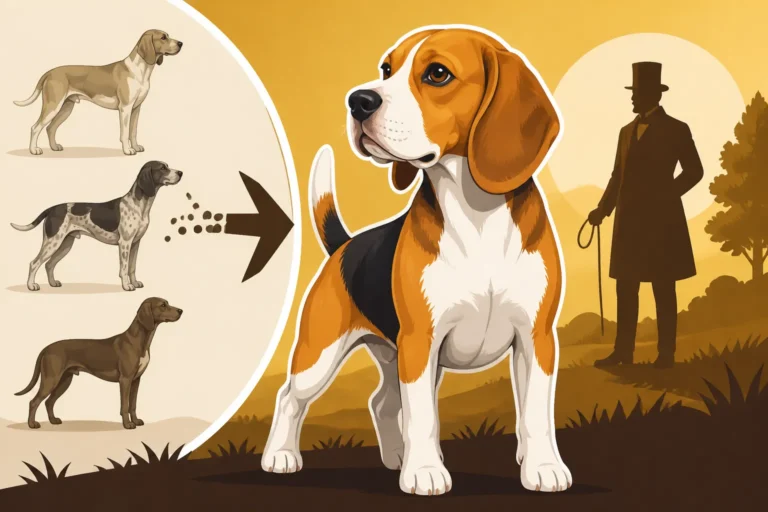
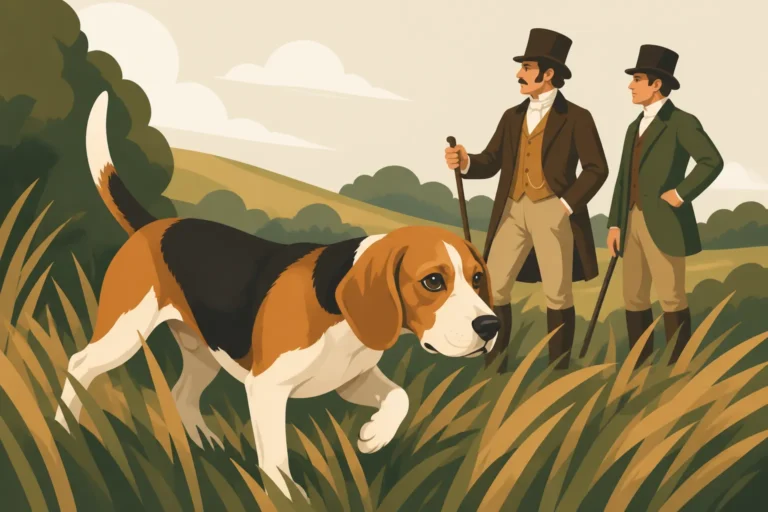
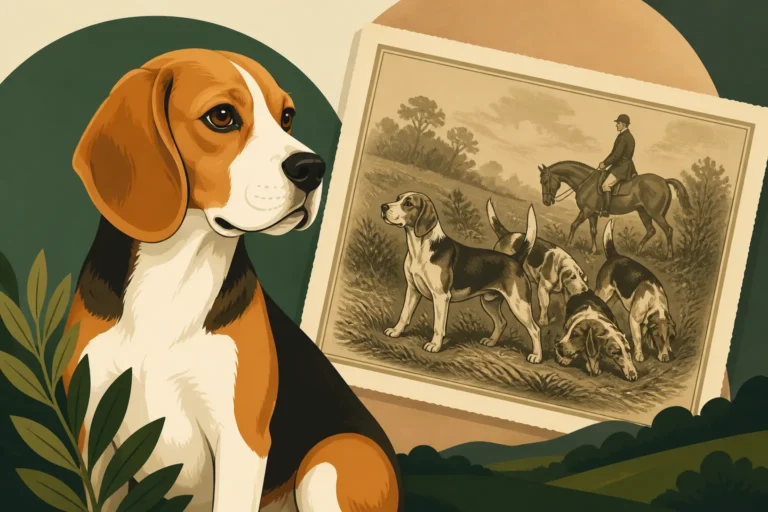
The Beagle's size wasn't arbitrary; it was meticulously developed for a specific job: hunting hare and rabbit. These small hounds needed to be compact enough to navigate dense undergrowth and nimble enough to follow a winding scent trail through fields and forests. Larger hounds, like Foxhounds, were bred for different prey and terrain. The 13-inch and 15-inch varieties reflect this functional purpose. The smaller stature allowed them to be followed on foot, a tradition known as beagling, without needing horses. Their sturdy, well-muscled build, combined with their incredible scenting ability, made them perfectly suited for working tirelessly for hours.
When the first Beagles made their way to America, farmers and hunters recognized their utility for rabbit hunting. Over time, as the breed gained popularity, the emphasis shifted somewhat from purely utilitarian working dogs to dogs that also conformed to a defined aesthetic standard. This led to the formalization of the height varieties we use today, ensuring that the breed retained its distinct physical characteristics even as its role evolved to include companionship and show activities. Delving into The Beagle From English Rabbit Packs to American Homes can give you a richer understanding of this fascinating history.
Health Implications of Extreme Size Variations
While a Beagle being an inch or two over the 15-inch mark is generally not a cause for health concern, extreme size variations, whether unusually small or unusually large, can sometimes have implications. For instance, dogs that are significantly undersized might come from lines that are prone to certain health issues, or they might have been poorly nourished as puppies. Conversely, Beagles that are excessively large for the breed might have structural issues or grow too quickly, potentially predisposing them to joint problems later in life.
Reputable breeders aim to produce dogs within the healthy spectrum of the breed standard not just for aesthetics, but also for health and longevity. They will typically conduct health testing and strive for balanced conformation. While measuring your Beagle to determine its variety is often about show ring eligibility, it subtly reinforces the idea of breeding for sound, functional, and healthy Beagles. A Beagle that is well within its standard height and proper weight for that size is typically a dog that is built to live a long, active, and healthy life. This is why discussions around Beagle Health Testing Under CHIC are so important for the breed's future.
Disclaimer
This article is for general informational purposes only and does not constitute professional advice. Laws, prices and regulations vary by location and change over time. Consult a qualified professional for guidance on your specific situation.