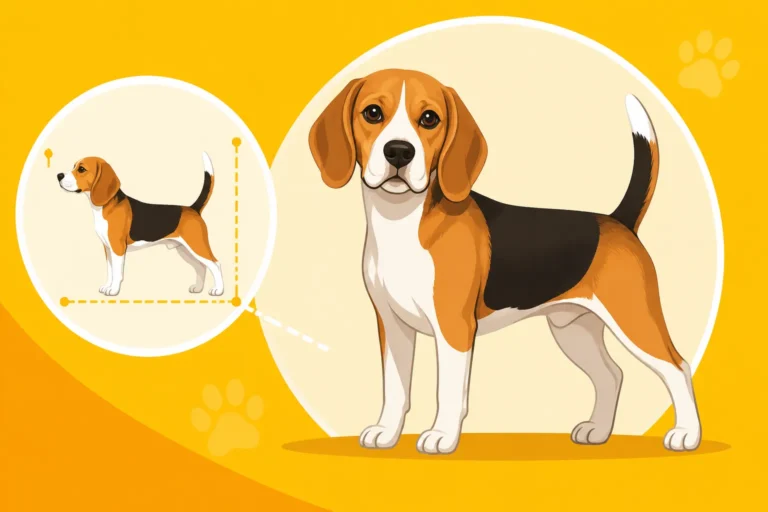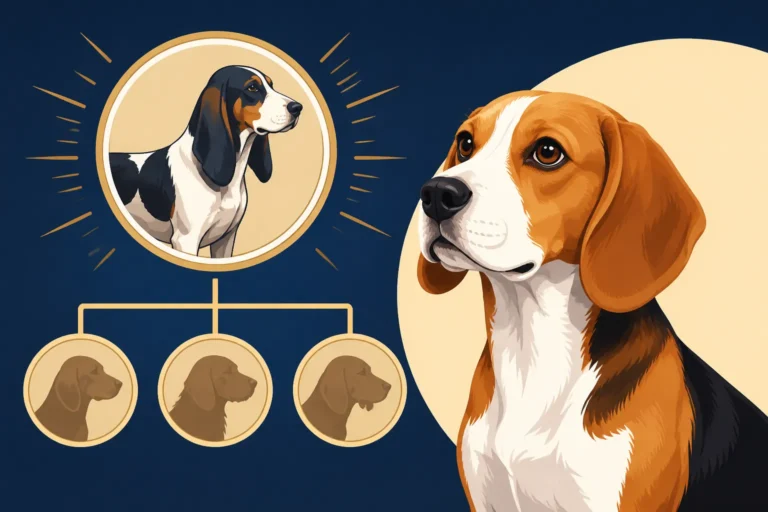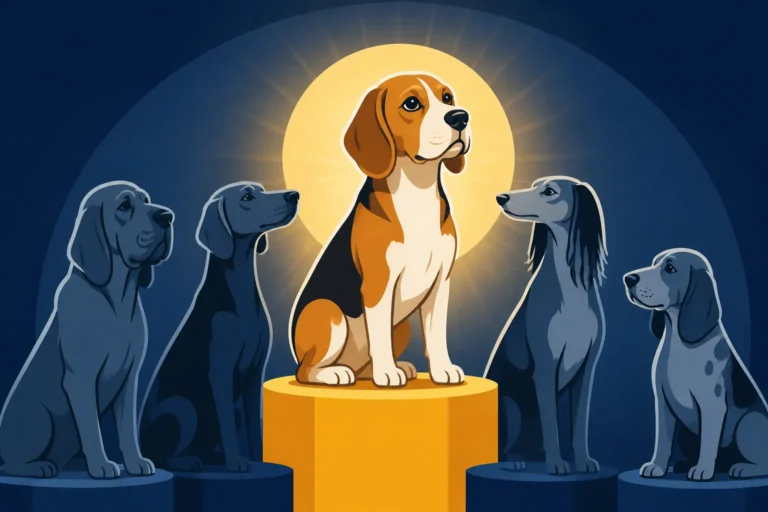
Beagles as Hunting Dogs Today
Even with all the cozy couches and endless belly rubs, a Beagle today is still very much the same determined, scent-driven hound its ancestors were centuries ago. Many owners struggle to understand why their beloved pet becomes a deaf, oblivious force of nature the moment it catches a whiff of something interesting, seemingly ignoring all training. This guide will take a deep dive into the Beagle's enduring hunting heritage, exploring how these incredible dogs are still actively used in the field, participate in competitive scent sports, and even contribute to vital detection work, offering a realistic look at what it means to live with a dog whose nose is always on the job.
The Enduring Legacy of the Beagle's Hunting Instincts
The Beagle's history is inextricably linked to the hunt. For hundreds of years, these dogs were specifically bred to track rabbits and hares by scent, baying to alert hunters to their quarry. This isn't just a quaint historical fact; it's a fundamental aspect of their genetic makeup that continues to shape every aspect of their behavior, even in a modern pet home. Their powerful noses, boundless energy, and distinctive vocalizations are all remnants of this deep-rooted purpose. You can take the Beagle out of the field, but you can't take the field out of the Beagle, and understanding this is the first step toward a harmonious life with one of these remarkable hounds.
Born to Trail: The Beagle's Inherent Drive
A Beagle's drive to hunt isn't something you can easily train out of them; it's practically hardwired. When that nose hits the ground and latches onto a scent, their world narrows to that single, compelling trail. This isn't stubbornness, as many frustrated owners might perceive it; it's intense focus. Their entire physiology is designed for this task. They possess an olfactory bulb that is significantly larger than ours, allowing them to process an astonishing amount of scent information. This inherent drive means that even the most pampered house Beagle will often display behaviors like tracking invisible trails across the living room carpet, meticulously sniffing every blade of grass in the yard, or taking off after a squirrel with an almost terrifying single-mindedness. It’s a primal urge, an echo of generations spent working in packs, diligently following every twist and turn of a rabbit's path. Recognizing this innate drive helps you appreciate their unique qualities rather than constantly fighting against them. Why a Beagle Walks With Its Nose to the Ground
The Scent-Driven World of a Beagle
To truly understand a Beagle, you have to try, however imperfectly, to imagine living in a world dominated by scent. For us, sights and sounds are primary. For a Beagle, scent is everything. A single sniff can tell them who passed by, when, in what mood, and where they were going. They can differentiate between individual animals, track the faintest trace over complex terrain, and even "read" the emotional state of another creature through its scent markers. This incredible ability is why they are so easily distracted by a fresh trail during a walk, and why a seemingly empty bush might hold hours of fascinating data for them. Every walk becomes an odyssey of odors, a rich tapestry of information that we are completely oblivious to. This constant intake of scent is not just a hobby; it's how they interpret and interact with their environment, making every outing a mentally stimulating experience, even if it feels like just another stroll around the block to us. How Far a Beagle Can Actually Smell
Modern Rabbit and Hare Hunting with Beagles
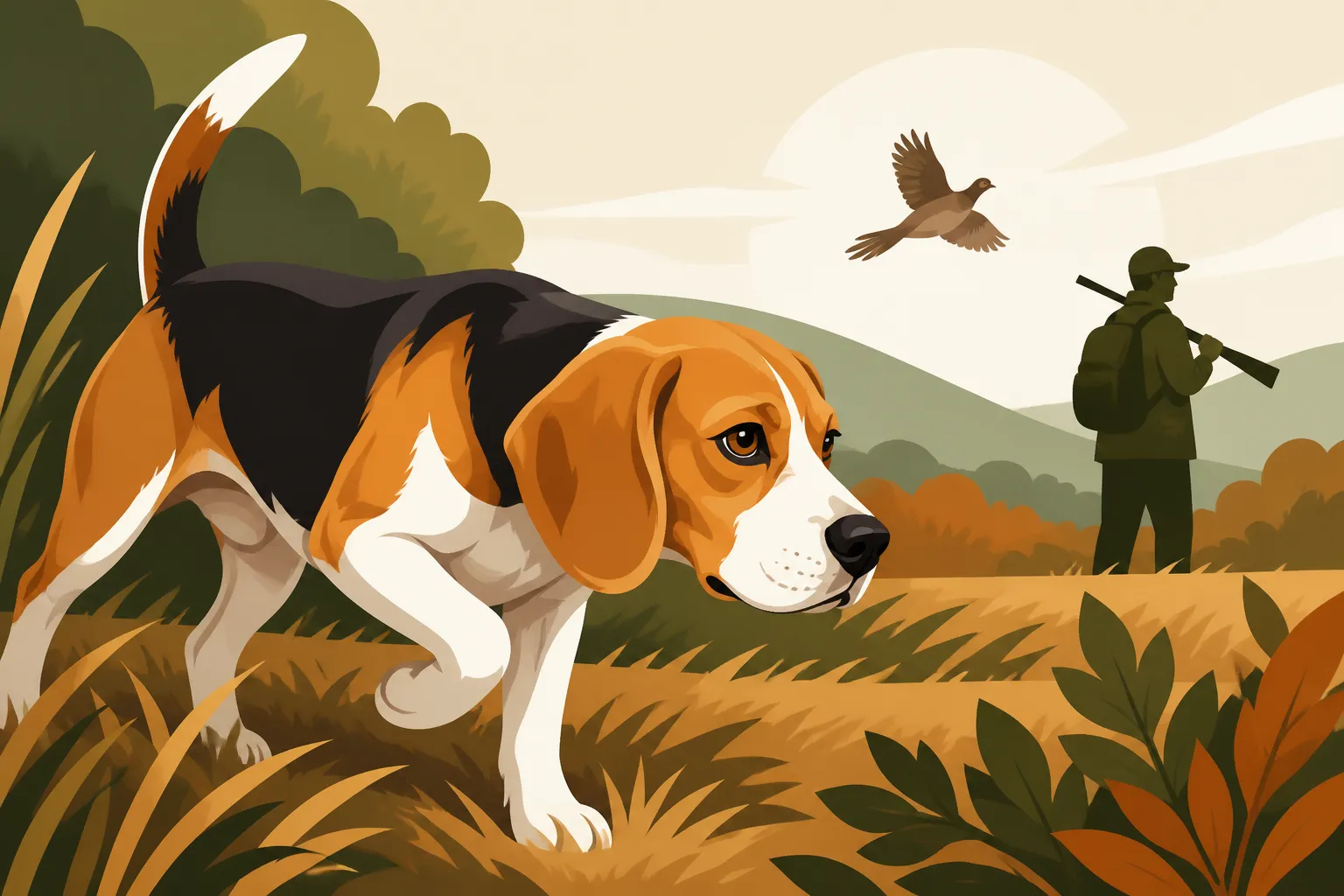
While the image of a Beagle pack baying across the English countryside might feel like something from a bygone era, the reality is that Beagles are still actively used for hunting today, particularly in the United States. This isn't always about sustenance; often, it's about sport, tradition, and the sheer joy of watching these dogs do what they were bred to do. The methods have evolved, but the core principles of the hunt remain: a pack of Beagles, an eager hunter, and the pursuit of a rabbit or hare.
Field Trials and Competitive Beagling
Competitive beagling is a vibrant sport that tests a Beagle's natural hunting abilities under specific rules. These events, often sanctioned by organizations like the American Kennel Club (AKC) through their Performance Events division, focus on the dogs' ability to find, follow, and drive game. Unlike show rings that judge appearance, field trials judge working ability. Beagles are typically judged on their "gait," their ability to follow a trail with intensity and accuracy, their "voice" (how they bay when on a scent), and their teamwork within a pack. It's a fantastic way to see Beagles performing their traditional role, showcasing their intelligence and instinct. Participants often spend years honing their dogs' skills, traveling to different locations to compete. These trials provide a healthy outlet for the breed's natural instincts, often in safe, controlled environments where the focus is on the chase, not necessarily the kill. Beagle Field Trials in the Nineteenth Century
Small Game Hunting for Sport
Beyond formal trials, many individuals and small clubs still use Beagles for traditional small game hunting, primarily rabbits and hares. This can be a social activity, with groups of hunters and their dogs spending a day in the field. The Beagles are released, and they begin to "cast" – searching for scent. Once a trail is found, the characteristic baying starts, signaling to the hunters that the chase is on. The dogs work together to flush the game and keep it moving, allowing the hunters to pursue on foot. This type of hunting emphasizes the dogs' stamina, their ability to work cooperatively, and their vocal communication. It's a way for enthusiasts to connect with the breed's heritage and enjoy the outdoors, often within strict ethical guidelines and hunting seasons. Many hunters cherish the sounds of the pack and the excitement of the chase far more than the harvest itself.
Pack Dynamics in the Field
One of the most captivating aspects of Beagling, whether in a trial or a traditional hunt, is observing the intricate pack dynamics. Beagles are pack animals by nature, and this social structure comes alive in the field. There's often a "lead dog" who is particularly adept at finding the initial scent, but all dogs contribute to the chorus of bays and the steady progress of the trail. They learn to support each other, correcting errors, and collectively maintaining the pursuit. Communication within the pack is often subtle – a change in cadence of a bay, a shift in body language – all contributing to the coordinated effort. This teamwork is a testament to their breeding and how generations of working together have shaped their social intelligence. For an owner, witnessing this raw, instinctual cooperation is a powerful reminder of what these dogs are truly capable of. Beagle Packs and How a Hunt Was Run
Beyond Traditional Hunting: Other Scent Work Roles
While traditional hunting remains a significant part of the Beagle's identity, their extraordinary sense of smell has also made them invaluable in a variety of other scent detection roles. These modern applications leverage the very same instincts and abilities that made them such effective hunters, but redirect them towards tasks that benefit human society in diverse ways.
Conservation Scent Detection
Beagles are increasingly being utilized in conservation efforts around the world. Their ability to pinpoint specific scents over large areas, often in challenging terrain, makes them perfect for tasks like locating invasive plant species, tracking endangered wildlife scat (feces) for population monitoring, or even detecting illegal poaching activity. Imagine a Beagle traversing a dense forest, not chasing a rabbit, but carefully sniffing for the presence of a rare frog species or the tell-tale scent of protected timber. These dogs work alongside conservationists, providing critical data that would be impossible to gather through human efforts alone. Their small size and unwavering focus make them less disruptive to delicate ecosystems than larger, more boisterous breeds, allowing them to contribute to vital scientific research and environmental protection. Beagles Working in Conservation Scent Detection
Medical Alert and Detection Work
The incredible sensitivity of a Beagle's nose isn't just for outdoor trails; it can also be a lifeline in human health. While less common than some other breeds, Beagles have shown promise and are sometimes trained for medical alert and detection work. This can range from detecting specific disease markers, such as certain cancers or low blood sugar levels in diabetics, to alerting individuals to impending seizures or allergic reactions. The exact mechanisms are still being studied, but it's believed that specific volatile organic compounds released by the human body can be detected by highly trained dogs. These Beagles become integral members of their handlers' lives, providing an early warning system that can literally save lives. Their compact size and generally friendly demeanor also make them suitable for public access in these important roles.
The Beagle Brigade at the Airport
Perhaps one of the most well-known modern roles for Beagles is their work with the USDA's Beagle Brigade. These dedicated dogs are a familiar sight at airports and border crossings across the country, where they are trained to detect prohibited agricultural products in travelers' luggage. Why Beagles? Their powerful noses are, of course, a key factor, but their size and temperament are equally important. They are small enough to navigate crowded spaces without intimidating passengers, and their generally friendly, non-threatening appearance helps to ease the anxieties of travelers, especially those unfamiliar with working dogs.
The Beagle Brigade's mission is crucial: to prevent the introduction of foreign pests and diseases that could devastate agricultural industries, harm native ecosystems, and even impact human health. Imagine a Beagle calmly weaving through a line of suitcases, its tail wagging gently, then suddenly sitting down to indicate a hidden apple or a piece of undeclared fruit. This quiet signal is proof of their unwavering focus on scent, a focus that serves as the first line of defense against potentially catastrophic biological threats. They are highly efficient and incredibly effective, proving that the Beagle's hunting instincts can be harnessed for the greater good. Why the USDA Picked Beagles for Airport Work
Training a Beagle for Scent Work and Hunting
Training a Beagle for any kind of scent work, whether competitive beagling, conservation work, or even just advanced nose work games for enrichment, involves channeling their natural instincts rather than trying to suppress them. It's about building a partnership where you guide their incredible nose and stamina, rather than attempting to force them into unnatural behaviors. Consistency, patience, and high-value rewards are absolutely key, because when that nose is engaged, external distractions become practically nonexistent.
Harnessing the Natural Instincts
The most effective way to train a Beagle for scent work is to embrace what they already love to do: sniff. Start with simple scent games in a low-distraction environment. Hide a favorite treat or toy, and encourage them to find it using their nose. As they get better, increase the difficulty by hiding items in more challenging spots or creating longer scent trails. Use positive reinforcement exclusively; every successful find should be met with enthusiastic praise and a reward. Remember, a Beagle’s food drive is notoriously strong, which can be an excellent lever for training. Companies like Chewy offer a wide range of high-value training treats perfect for keeping a Beagle motivated. It’s important to make the training fun and engaging, reinforcing their natural curiosity and drive to follow a scent. Think of it as refining an existing skill, not teaching a completely new one. The Treats a Beagle Will Work Hardest For
Developing Advanced Scent Skills
Once your Beagle masters basic scent games, you can start to introduce more advanced concepts. This might involve teaching them to discriminate between specific target scents, to follow a "cold" (older) trail, or to work through complex environments with many distracting odors. For competitive field trials or formal detection work, this often involves specialized training from experienced handlers. They learn to identify and "indicate" a specific target scent, often by sitting or pawing. It's also crucial to teach them problem-solving skills – how to work through a scent loss, how to check different areas, and how to stay persistent even when the scent is faint. Consistency in scent presentation and reward timing is vital. Advanced training requires dedication and a keen understanding of canine behavior, building on their innate abilities to create a truly skilled working dog. Getting a Beagle Started in Nose Work Classes
Essential Gear for Working Beagles
Having the right gear is crucial for both safety and effectiveness when working with a Beagle in a hunting or scent work context. Here's a breakdown of some essentials:
- Long Line/Leash: Even the best-trained Beagle can get lost on a strong scent trail. A sturdy long line (15-50 feet) is indispensable for practice, allowing them freedom to explore scent while keeping them safe.
- Durable Collar and ID Tags: A well-fitting collar with up-to-date ID tags (including your phone number) is non-negotiable. Many working Beagles also wear GPS trackers for added security, especially in vast outdoor spaces.
- Harness: For working Beagles, especially those pulling on a long line or through brush, a comfortable, well-fitting harness can distribute pressure better than a collar, protecting their neck and throat.
- High-Value Treats: As mentioned, Beagles are food-motivated. Carry plenty of their absolute favorite treats. You can find excellent options, from soft and chewy to crunchy, on Chewy's extensive selection.
- Water and Portable Bowl: Working a scent trail is thirsty business. Always carry fresh water for your Beagle, especially during extended sessions or warm weather.
- First-Aid Kit: Minor cuts, scrapes, or burrs are common in the field. A compact doggy first-aid kit can address small issues immediately.
- Bells/Bright Colors: If your Beagle is working off-leash in areas where hunting is permitted, consider putting a bell on their collar or dressing them in a bright orange vest for visibility and safety.
This gear isn't just about convenience; it's about supporting your Beagle's work, ensuring their safety, and enhancing your training effectiveness. The Long Line Length a Beagle Actually Needs
| Scent Work Type | Primary Goal | Typical Environment | Skills Emphasized | Key Equipment |
|---|---|---|---|---|
| Traditional Hunting | Locate, flush, and pursue small game (rabbit) | Forests, fields, brush | Trailing, voice, pack cooperation, stamina | Long lines, ID, bells, vest |
| Field Trials | Assess natural hunting ability under rules | Controlled field/woodland | Trailing accuracy, drive, voice, obedience, stamina | Long lines, GPS, training treats |
| Conservation Work | Detect specific wildlife/plant scents | Diverse natural habitats | Discriminating target scents, persistence, stamina | GPS, harness, first-aid, water |
| Medical Alert | Detect human health changes (e.g., blood sugar) | Home, public spaces | Target scent discrimination, reliable alert behavior | Harness, easy-access treats |
| Beagle Brigade | Detect prohibited agricultural items | Airports, border crossings | Target scent discrimination (food), quiet indication | Uniform, handler communication |
Ethical Considerations and Responsible Ownership
Owning a Beagle, especially one with a strong working drive, comes with significant responsibilities that extend beyond simply providing food and shelter. It means understanding their needs as a scent hound and ensuring those needs are met in a safe and ethical way, whether they are actively hunting or simply being a beloved family pet. The historical purpose of the breed casts a long shadow on their behavior, and acknowledging this is crucial for responsible ownership in the modern world.
The Commitment to Exercise and Mental Stimulation
A Beagle's intelligence is often underestimated because it's so tightly woven with its nose. They are not dogs that are content with a quick walk around the block. Their high stamina and intense curiosity demand substantial physical exercise and mental stimulation every single day. Without outlets for their natural scenting instincts, Beagles can become bored, frustrated, and destructive. This isn't misbehavior; it's an unmet need. Long, sniff-filled walks where they are allowed to explore every interesting scent are far more satisfying for them than a brisk walk with no sniffing time. Puzzle toys, snuffle mats, and structured nose work games at home are excellent ways to engage their minds. A bored Beagle is often a vocal Beagle, prone to excessive barking and howling, which can become a real source of frustration for owners and neighbors alike. Providing ample mental and physical exercise isn't optional for a Beagle; it's fundamental to their well-being. Why a Scent Walk Tires a Beagle Faster Than Running
Ensuring Safety in the Field and At Home
The Beagle's unwavering focus on scent, while a magnificent trait, also poses significant safety challenges. Because they will follow a scent almost regardless of external commands, Beagles should almost never be trusted off-leash in an unfenced area. The risk of them running off, getting lost, or encountering traffic is simply too high. This means secure fencing at home is paramount; a Beagle can be surprisingly adept at finding weaknesses, digging under, or even climbing over. When out and about, a leash or a long line is essential.
For Beagles actively involved in hunting or field trials, safety measures are even more stringent. This includes ensuring they are easily identifiable (bright colors, bells), that they are trained to return to the handler (even with a strong scent present), and that they are protected from hazards in the environment, such as sharp objects, poisonous plants, or other wildlife. Knowing your dog's limits, especially in terms of stamina and environmental conditions, is crucial to prevent injury or exhaustion. Why a Beagle Should Never Be Off Leash Unfenced
Understanding Local Hunting Regulations
For those considering using their Beagle for hunting, it's absolutely vital to be fully aware of and comply with all local, state, and national hunting regulations. These laws vary significantly by region and often cover aspects such as:
- Hunting Seasons: When specific game animals can legally be hunted.
- Bag Limits: The maximum number of animals that can be taken.
- Licensing: Requirements for hunters to possess valid licenses.
- Method of Take: Permitted hunting tools and techniques.
- Land Access: Where hunting is allowed (public vs. private land, with permission).
- Dog Use: Specific rules regarding the use of dogs for hunting, including identifying them.
Ignoring these regulations can lead to severe penalties, including fines, license revocation, and even criminal charges. Furthermore, responsible hunters practice ethical hunting, which includes respecting wildlife populations, ensuring a humane harvest, and minimizing disturbance to other outdoor enthusiasts. Being a responsible Beagle owner and, if applicable, a responsible hunter, means doing your homework and adhering to the letter and spirit of the law.
Disclaimer
This article is for general informational purposes only and does not constitute professional advice. Laws, prices and regulations vary by location and change over time. Consult a qualified professional for guidance on your specific situation.