What a Beagle Brigade Dog Actually Sniffs For
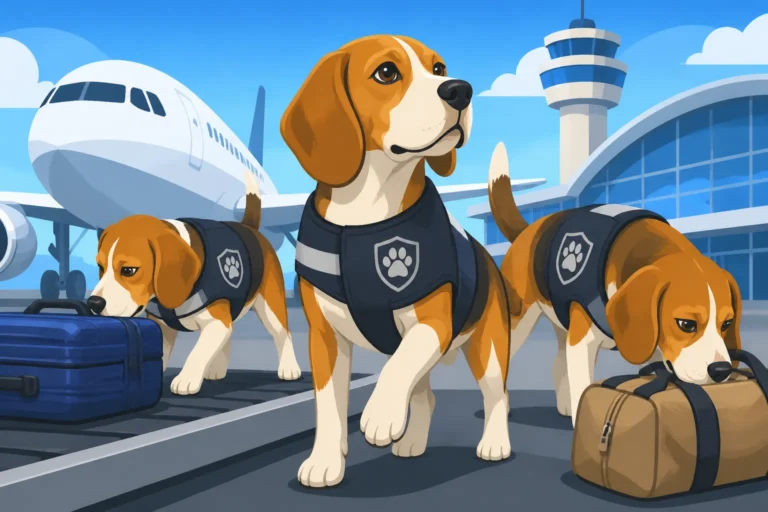
It's a common sight at airports: a friendly, tail-wagging Beagle, nose to the ground, diligently weaving through baggage claim. Many people assume these dedicated dogs are searching for illicit drugs, but the truth is, the U.S. Department of Agriculture (USDA) Beagle Brigade has a much different, yet equally vital, mission. This guide will pull back the curtain on the incredible world of these working Beagles, revealing exactly what they're trained to sniff out and why their work is so crucial for protecting our nation's agriculture and natural resources.
The Unseen Threat: Why Agricultural Smuggling Matters
Before we dive into what Beagles sniff for, it's important to understand why their job exists. Our planet is interconnected, and with global travel, the risk of inadvertently introducing foreign pests and diseases into new environments has skyrocketed. A single piece of contaminated fruit, an uninspected plant, or even seeds hidden in a passenger's bag can carry devastating consequences for local ecosystems and agricultural industries.
Imagine a devastating plant disease that could wipe out entire crops, or an invasive insect that has no natural predators in a new country. The economic impact alone could be catastrophic, affecting farmers, food prices, and entire communities. Beyond economics, the damage to native flora and fauna could be irreversible. This isn't just a hypothetical scenario; it happens all the time, and it's the very reason the Beagle Brigade was created. Their adorable faces and keen noses are on the frontline of preventing these silent, ecological disasters from taking root. It's a massive responsibility for such small, cheerful dogs.
Protecting Crops and Livestock
The primary goal of the Beagle Brigade is to prevent the introduction of foreign plant and animal pests and diseases. Think about it: our food supply depends on healthy crops and livestock. If a new strain of avian flu, African swine fever, or even a novel plant fungus were to enter the country undetected, it could decimate entire sectors of our agricultural economy. These diseases can be carried on something as innocuous as a traveler's muddy shoes or a piece of undeclared jerky.
These dogs are tasked with detecting a vast array of biological materials that could harbor such threats. They’re looking for things that might not seem dangerous to the average traveler, but to a farmer or an ecologist, represent an existential threat. Their ability to locate even small quantities of these items is what makes them indispensable. Without them, countless dangerous materials could slip through checkpoints, potentially leading to widespread damage that would cost billions to control or eradicate, if even possible.
Preventing Invasive Species
Beyond direct agricultural threats, there's the broader issue of invasive species. These are non-native organisms that, once introduced, can outcompete native species, disrupt ecosystems, and cause environmental havoc. A beetle hidden in a wooden souvenir, a plant cutting that carries a new type of weed, or even certain types of fish or seafood can introduce species that throw an entire local ecosystem out of balance.
The Beagle Brigade plays a crucial role in intercepting these potential invaders before they have a chance to establish themselves. Their highly sensitive noses can pick up on the subtle odors of these biological materials, even when carefully concealed. This proactive defense is far more effective and less costly than trying to control an invasive species once it has become entrenched in a new habitat. It's a tireless, ongoing battle, and every successful sniff prevents a potential ecological nightmare.
The Beagle's Superpower: A Nose Built for Detection
So, why Beagles? It's not just their friendly demeanor, though that certainly helps put travelers at ease. It comes down to their extraordinary olfactory abilities and their temperament. Beagles possess one of the most powerful noses in the canine kingdom, a trait that has been selectively bred into them for centuries for hunting.
When you think about the anatomy of a Beagle, it's designed for scent work. Their long, pendulous ears help to sweep scents towards their nose, and their moist noses are packed with an incredible number of scent receptors. This genetic predisposition makes them perfectly suited for the intense and precise work of scent detection. Their deep-seated drive to follow a scent trail means they are naturally motivated to do the job, making training more efficient and enjoyable for them. You might be interested in knowing that Why the USDA Picked Beagles for Airport Work.
Unrivaled Olfactory Ability
A Beagle’s nose is nothing short of a biological marvel. They have an estimated 220 million scent receptors, compared to our mere 5 million. This allows them to detect and differentiate between a multitude of odors with incredible precision. While we might smell a fruit salad, a Beagle can identify each individual fruit by its unique scent signature. This hypersensitivity is crucial when they need to pick out the faint smell of a prohibited item amidst a cacophony of other scents in an airport.
They can even smell things in layers, processing multiple odors simultaneously rather than just one at a time. This complex ability allows them to "unravel" a scent picture, isolating the target odor even if it's masked or very subtle. This is why a Beagle can walk past a suitcase full of clothes, toiletries, and snacks, yet pinpoint the single undeclared apple hidden within. It's truly an extraordinary skill that few other breeds possess to the same degree, especially when coupled with their temperament.
The Food Drive: A Powerful Motivator
Another key factor in the Beagle's success is their legendary food drive. Beagles are notoriously food-motivated, a trait that makes them highly trainable for detection work. For a Beagle Brigade dog, finding the target scent isn't just a job; it's a game that ends with a delicious reward. This positive reinforcement system is incredibly effective, keeping the dogs engaged and eager to work. They learn that a "find" leads to a treat, making them enthusiastic and persistent detectors.
This inherent motivation turns their work into a continuous treasure hunt. Handlers leverage this drive, ensuring that every successful detection is celebrated with their favorite high-value treats. You can see how this plays out in how they approach their task – they're not merely performing a duty, but genuinely enjoying the process. When you're trying to replicate that high-value reward at home for your own scent work games, reputable pet supply stores like Chewy offer a fantastic selection of training treats that can motivate even the most stubborn Beagle. This strong motivation is also why Using a Beagle's Food Drive as the Training Lever is so effective.
Temperament: Friendly and Non-Intimidating
Beyond their noses, Beagles bring an invaluable asset to airport environments: their temperament. They are naturally friendly, curious, and generally non-intimidating, even to those who might be wary of dogs. Their small size and cheerful demeanor make them approachable and less likely to cause anxiety among travelers, which is a major advantage in busy public spaces like airports.
Imagine if the USDA used a breed typically associated with protection work, like a German Shepherd or a Doberman. While those breeds have incredible scent capabilities, their appearance might be perceived as threatening, causing undue stress or fear. The Beagle’s "merry" disposition means they can work effectively without causing a stir, melting hearts while silently performing their critical duties. This combination of powerful scenting, strong motivation, and a genial personality makes the Beagle an ideal candidate for this important public service role. It's not just about the nose; it's about the whole package.
The Specific Targets: What a Beagle Brigade Dog is Trained to Find
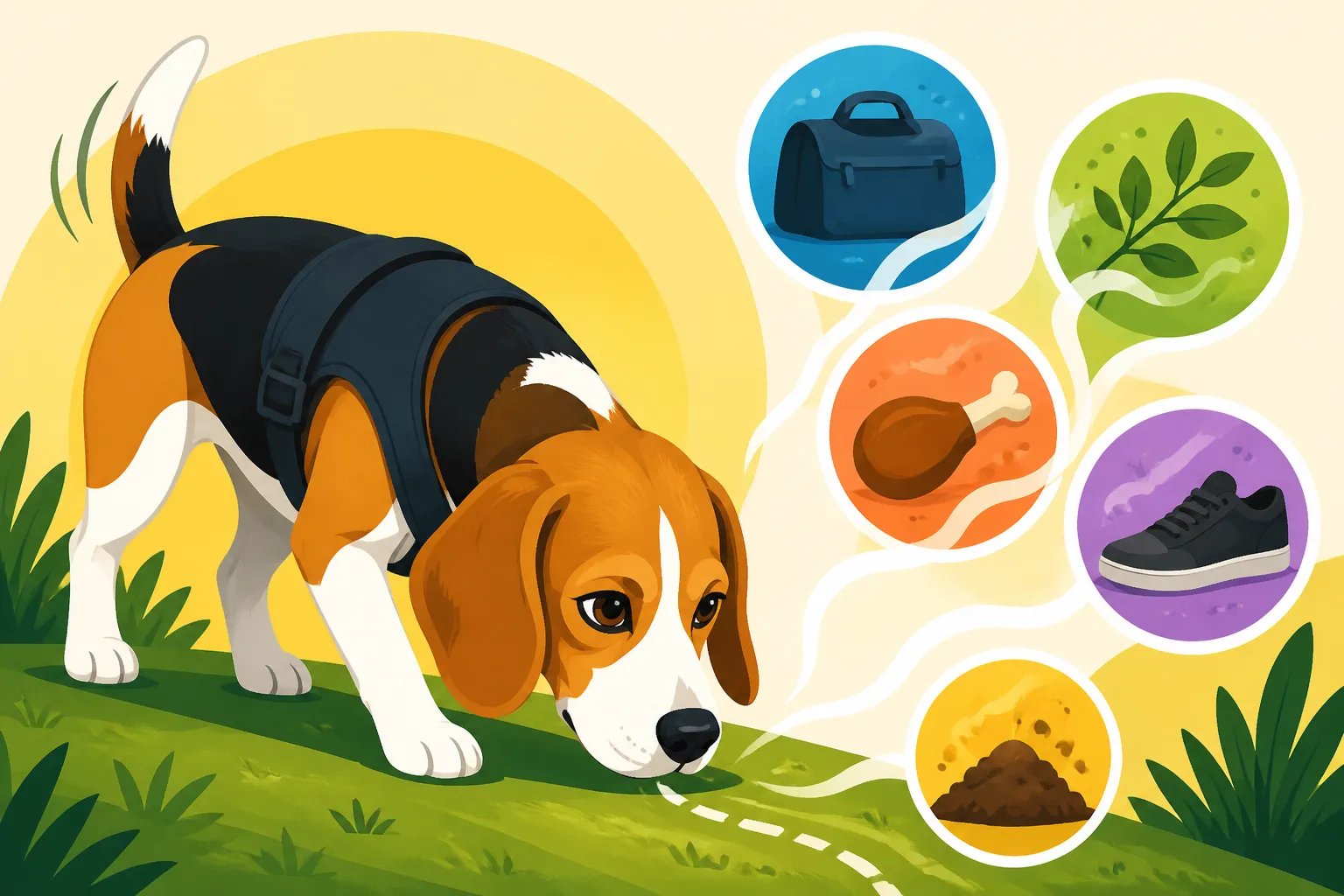
Now for the main event: what exactly are these incredible dogs sniffing for? The short answer is: almost anything organic that is agricultural in nature and is not properly declared or permitted. This includes a surprising range of items that can pose a significant risk if brought into the country. Their training focuses on the scent profiles of these materials, regardless of how well they might be concealed.
It's a misconception that they are looking for narcotics or bombs; those are the domain of other detection dog teams. The Beagle Brigade's mission is purely agricultural. They are looking for items that could carry diseases, pests, or invasive species that could harm our native plants, animals, and ecosystems. This focused training ensures they are highly efficient at their specific task, ignoring other scents that are not relevant to their mission. The types of items they search for are incredibly diverse, from a single fruit to processed meats.
Fruits and Vegetables
One of the most common targets for Beagle Brigade dogs is fresh fruits and vegetables. While a traveler might simply see a healthy snack or a souvenir, an apple from another country could harbor the larvae of a destructive fruit fly, or a leafy green could carry a plant disease unseen to the naked eye. These items are frequently confiscated because they are often carriers of agricultural pests and pathogens that could devastate domestic crops.
The scent of fresh produce is quite distinct, and Beagles are exceptionally good at picking it out. They can detect these items even when they're wrapped, bagged, or hidden deep within luggage. Many people are genuinely surprised when a Beagle alerts to the forgotten orange at the bottom of their backpack. It's not about being intentionally deceptive; it's about the sheer volume of organic material that passes through our ports of entry daily, much of it completely innocent in the owner's mind, but a potential Trojan horse for pests.
Meats and Animal Products
Another major category of concern is meats and animal products, especially those that are raw, unprocessed, or from regions with known animal diseases. Items like undeclared sausages, jerky, or even pet treats can carry pathogens like African swine fever, foot-and-mouth disease, or avian influenza. These diseases are highly contagious and could cause immense harm to livestock industries, leading to mass culling of animals and severe economic disruption.
Beagles are trained to identify the specific scent profiles of various animal products. Their ability to distinguish between harmless commercially packaged items and potentially dangerous homemade or unprocessed meats is crucial. This is particularly challenging given the wide variety of smells present in luggage, but the Beagles' specialized training allows them to make these distinctions with impressive accuracy. This category also includes items like eggs, dairy products, and even certain animal hides or skins if they haven't been properly processed to eliminate disease risks.
Plants, Seeds, and Soil
Bringing uncertified plants, seeds, or even soil into the country is another significant concern. A small potted plant, a packet of seeds, or even a clump of dirt clinging to shoes or equipment can introduce invasive plant species, new diseases, or destructive insects that have no natural predators here. These can quickly take over native habitats, choking out local plants and disrupting delicate ecosystems.
The Beagle Brigade dogs are highly attuned to these earthy and botanical scents. They can detect not just whole plants, but also smaller, more easily hidden items like seed packets, plant cuttings, or even residual soil. This is why thorough cleaning of outdoor gear is often recommended after international travel, as even a speck of foreign soil can carry microscopic threats. Their work in this area is a critical line of defense for both agriculture and wild spaces, preventing the silent spread of ecological invaders. For at-home scent work, you might consider starter kits available on platforms like Chewy, which can help you understand the basics of scent detection and how to motivate your own dog.
Here's a quick summary of common items they sniff for:
| Category | Examples | Potential Risk |
|---|---|---|
| Fresh Produce | Apples, oranges, mangoes, leafy greens, potatoes | Fruit flies, plant diseases, invasive seeds |
| Meats | Jerky, sausages, raw meat, poultry, cured hams | African swine fever, avian influenza, foot-and-mouth disease |
| Plants & Seeds | Plant cuttings, uncertified seeds, flowers | Invasive plants, plant pathogens, foreign insects |
| Soil | Clumps on shoes, gardening tools | Invasive weeds, soil-borne diseases, nematodes |
| Animal Products | Eggs, certain dairy, animal hides | Various animal diseases, bacterial contamination |
Beyond the Sniff: The Training and Environment of a Brigade Beagle
Being a Beagle Brigade dog isn't just about having a great nose; it's about extensive training, constant care, and a structured working environment. These dogs are true professionals, undergoing rigorous preparation to ensure they can perform their duties effectively and reliably in the demanding environment of a busy international airport or mail facility. Their journey from playful puppy to vital national asset is carefully managed and supported every step of the way.
The life of a Beagle Brigade dog is a balance of serious work and joyful play, built around their natural drives. They are highly valued partners to their handlers, living with them and becoming integral members of their families. This partnership is key to their success, fostering trust and a deep working bond. For those interested in how these dogs begin their careers, knowing The Detector Dog Training Center Outside Atlanta can provide some insight into the structured process they undergo.
Rigorous Training Protocols
The training for a Beagle Brigade dog is intense, typically beginning when they are puppies, or sometimes when adopted as young adults from shelters or rescue organizations. These Beagles often start with basic obedience, but quickly move into specialized scent detection exercises. They learn to associate specific target odors with a reward, usually food, as discussed earlier. This training is repetitive and systematic, ensuring that the dogs reliably alert to even the faintest presence of a prohibited item.
They are trained in environments that mimic the real-world scenarios they'll encounter – busy luggage carousels, crowded passenger areas, and vast cargo facilities. This helps them generalize their skills and remain focused amidst distractions. Consistency is key, and trainers work tirelessly to hone their detection abilities, making them expert navigators of complex scent landscapes. It’s a job that requires unwavering focus, and their training prepares them for precisely that. You might find similarities to how you might start Starting a Beagle in Scent Work Classes with your own pet.
A Life of Dedicated Service
Beagle Brigade dogs typically work shifts, much like their human counterparts, and their schedules are designed to prevent fatigue and maintain their keen sense of smell. These dogs typically work for several years before retiring, often going home with their handlers or being adopted into loving families. Their working life is one of purpose, constantly stimulated by new scents and the thrill of the "find."
These dogs are kept in peak condition, with diets carefully managed. Many handlers might source specialized foods or supplements, perhaps even through convenient services like Chewy, to ensure their working partners get everything they need for optimal health and performance. Regular veterinary check-ups are standard, ensuring that any potential health issues are addressed promptly, because a healthy Beagle is an effective Beagle. This commitment to their well-being is paramount, recognizing the invaluable service they provide.
What Happens When a Beagle Brigade Dog Finds Something
When a Beagle Brigade dog makes a "find," it's not a dramatic scene often depicted in movies. These dogs are trained to give a passive alert – usually sitting down calmly next to the piece of luggage or parcel where they detect a target scent. This gentle indication is perfect for the public environment of an airport, avoiding any unnecessary alarm or aggression.
The handler, a Customs and Border Protection (CBP) agriculture specialist, then takes over. They will ask the passenger about the contents of their bag and, if necessary, conduct a secondary inspection. This process is usually quick and respectful, focusing on education rather than accusation. The goal is to prevent the entry of harmful items, and often, travelers simply aren't aware that an item they are carrying is prohibited.
The Alert and Inspection Process
Once a Beagle gives its passive alert, the agriculture specialist handler will engage with the passenger whose bag has been indicated. They typically explain that the dog has detected something of agricultural concern and will ask the passenger if they have any fruits, vegetables, meats, or plants in their luggage. Often, travelers genuinely forgot about a snack or a fruit packed in their bag. This initial interaction is about verification and gathering information.
If the passenger declares the item, or if the item is found during a brief inspection, it is usually confiscated. The passenger is rarely penalized unless there is evidence of intentional concealment or a repeated offense. The focus is always on interception and protection. This methodical approach ensures that dangerous items are removed from circulation while minimizing inconvenience to the traveling public. It's a testament to the effectiveness of the training that the Beagles are so accurate.
Confiscation and Consequences
The prohibited items that are found are then confiscated and disposed of properly, often through incineration, to ensure that any pests or diseases they might carry are completely neutralized. This prevents them from entering the local ecosystem. For most travelers, the consequence is simply the loss of their item and perhaps a brief delay.
However, repeated violations, intentional concealment, or bringing in items known to carry severe risks can lead to fines. These fines can range from a few hundred dollars to thousands, depending on the severity of the offense. The intention is not to punish innocent travelers, but to deter those who might knowingly try to smuggle high-risk items. The Beagle Brigade serves as a constant, gentle reminder that agricultural protection is a serious matter, safeguarding our collective environment and economy, one sniff at a time. The work these dogs do is a silent but powerful line of defense for our entire nation.
Disclaimer
This article is for general informational purposes only and does not constitute professional advice. Laws, prices and regulations vary by location and change over time. Consult a qualified professional for guidance on your specific situation.