The Detector Dog Training Center Outside Atlanta
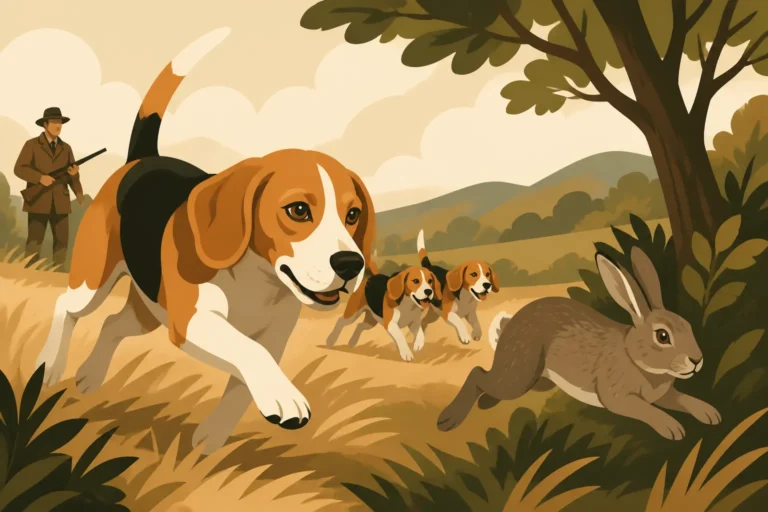
It’s a sight that always brings a smile to my face when I’m traveling: a wagging tail, a sniffing nose, and those big, soulful Beagle eyes working diligently through airport lines. You’ve probably seen these incredible dogs, part of the famed Beagle Brigade, tirelessly searching for prohibited agriculture items. But have you ever stopped to wonder where these dedicated detector dogs come from and how they get to be so good at their jobs? This guide will take you on a journey to the heart of their training, specifically to the Detector Dog Training Center located just outside Atlanta, where many of these remarkable Beagles begin their careers.
The Mission of the Detector Dog Training Center
The Detector Dog Training Center, often abbreviated as DDTC, is a pivotal facility dedicated to training highly specialized scent detection canines. While you might associate it primarily with the adorable Beagles you see in airports, the center's mission is much broader: to protect national agriculture and natural resources from harmful pests and diseases by detecting prohibited items carried by travelers and in cargo. This involves rigorous training programs designed to harness a dog's natural abilities and channel them into a crucial service role. It's a high-stakes job, and the selection and training process is incredibly precise, leveraging the unique traits of certain breeds, especially our beloved Beagles.
Imagine the sheer volume of goods and people moving through ports of entry every single day. Without these dogs, the task of manually inspecting every suitcase, every package, and every piece of cargo for a rogue piece of fruit or an illegal plant cutting would be impossible. These small, mighty Beagles are the first line of defense, acting as biological sensors, ensuring that foreign agricultural threats don't slip through the cracks and devastate domestic crops or livestock. Their keen sense of smell, combined with their non-threatening demeanor, makes them invaluable assets in this silent war against invasive species and diseases.
Why Beagles Excel in Detection Work
So, why Beagles? It’s a question many people ask, considering the array of breeds available for scent work. The answer lies in a perfect storm of biological traits and behavioral characteristics. First and foremost, Beagles possess an olfactory system that is nothing short of legendary. Their noses are packed with an astounding The 220 Million Receptors Behind a Beagle's Nose, far surpassing what most other breeds, let alone humans, can even comprehend. This allows them to discriminate between a vast array of scents, picking out a single target odor from a cacophony of others, even in a busy airport environment.
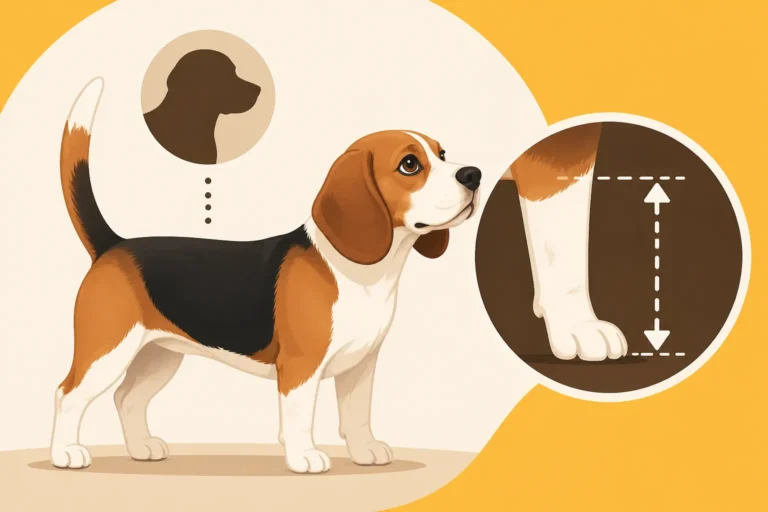
Beyond their superior sniffers, their size plays a significant role. A Beagle is compact enough to navigate crowded areas, climb onto luggage carousels, and even work within tight cargo spaces without causing undue disruption or intimidating the public. Unlike larger, more imposing breeds that might be perceived as threatening by some travelers, a friendly Beagle trotting along often elicits smiles and curiosity, making their presence less stressful for everyone involved. This non-intimidating appearance is a key factor in Why the USDA Picked Beagles for Airport Work over other breeds for public-facing roles.
Furthermore, Beagles are known for their unwavering focus when on a scent. Once their nose locks onto a trail, they become incredibly absorbed, almost to the exclusion of everything else around them. This natural stubbornness, which can sometimes be a challenge for pet owners trying to get a Beagle to come when called, is a huge asset in detection work. They're built for persistence, for following a scent to its source, and for communicating that find with a clear, calm signal, rather than an aggressive alert.
The Training Philosophy
The training philosophy at the DDTC is rooted deeply in positive reinforcement. These dogs aren't "forced" to work; they're motivated by play and, crucially, by food. Beagles, as most owners can attest, are famously food-driven, a trait that the trainers at the center ingeniously leverage. They understand that Using a Beagle's Food Drive as the Training Lever is the most effective way to teach a Beagle complex tasks and maintain its enthusiasm for the job day in and day out. Every correct indication, every successful find, is met with enthusiastic praise and a high-value food reward.
This reward-based system builds a strong, positive association with the work itself. The Beagles learn that identifying a target odor leads to a satisfying treat, turning their job into a fun game. This also fosters an incredibly strong bond between the dog and its handler, built on trust and mutual enjoyment. The treats used are typically small, palatable, and highly motivating, ensuring the dog remains lean and focused without getting full too quickly. For this, centers often rely on reliable suppliers like Chewy for a consistent supply of these training essentials.
The philosophy extends beyond just motivation; it's about creating an environment where the dog feels safe, confident, and eager to learn. Trainers work patiently, breaking down complex tasks into manageable steps, ensuring that each Beagle masters a skill before moving on to the next. This meticulous approach prevents frustration and builds a solid foundation for a long, successful career. The goal is a happy, healthy working dog that genuinely loves its job, understanding that sniffing out those illicit apples means a tasty reward.
A Day in the Life of a Trainee Beagle
Life at the Detector Dog Training Center is structured but engaging, designed to maximize a Beagle's potential and ensure they are well-adjusted working dogs. It's not a kennel environment in the traditional sense; it's a bustling campus where Beagles, and other breeds, live, learn, and play, all geared towards their future roles as vital national security assets. From early morning exercises to focused training sessions and well-deserved downtime, every part of their day is thoughtfully planned to nurture their abilities.
The center acts as both a school and a home for these dogs during their training period, which can last several weeks or months, depending on the individual dog's progress. They are housed in comfortable, clean kennels and receive top-notch veterinary care, nutrition, and exercise. It's a professional setup, but one that recognizes the unique needs of a social, intelligent, and highly motivated breed like the Beagle. Their days are filled with purpose, ensuring they are mentally stimulated and physically fit for the demanding work ahead.
The Puppy Foundation and Recruitment
The journey for many Beagles at the DDTC often begins long before they set paw on the Atlanta campus. While some dogs are acquired from specific breeding programs known for producing working lines, many come from shelters and rescues across the country. This means that a Beagle who might have ended up in a local shelter could, with the right aptitude, find itself on a career path protecting national borders. This is a testament to the center's commitment to finding the best dogs, regardless of their origin, often looking for dogs with high drive, confidence, and, of course, that incredible nose.
These dogs are carefully selected based on a rigorous evaluation process. Trainers look for specific traits: high food drive, strong play drive (often with a favored toy like a tennis ball), curiosity, environmental confidence, and a general enthusiasm for sniffing. A dog that is easily distracted, shy, or lacks the sustained focus needed for scent work might not be a good fit. Age isn't always a barrier either; while puppies are sometimes brought in for early socialization and foundation work, adult Beagles can also be incredibly successful recruits if they display the right inherent drives. For example, a dog that was surrendered to a shelter because it was "too much" for a family might just be perfect for this kind of intense, fulfilling work.
Once selected, the dogs undergo an acclimatization period, where they get used to the routine, the trainers, and the overall environment. Early socialization is crucial, ensuring they are comfortable around people, other dogs, and various sights and sounds they will encounter in their working lives. This foundation stage is about building confidence and reinforcing their natural drives, getting them ready for the specialized scent work that lies ahead. It’s an investment in their future, making sure they’re not just good at their job, but happy doing it.
Intensive Scent Training
This is where the magic truly happens. The core of the DDTC's program is intensive scent training, where Beagles learn to identify a range of target odors that pose a threat to agriculture. These odors typically include fruits, vegetables, meats, plants, and seeds – items that could carry devastating pests or diseases. The training starts simply, with a single target odor, and gradually increases in complexity, teaching the dog to discriminate that scent even when it's hidden among many other distracting odors.
Trainers employ a technique called "scent imprinting," where the dog learns to associate a specific odor with a reward. This might involve placing a small piece of fruit, like an apple slice, in a container, and when the Beagle sniffs it, it immediately gets a jackpot of high-value treats. Over time, the reward isn't just for finding the item, but for giving a clear, passive alert – usually sitting or freezing – to indicate the presence of the target scent. The dog learns that the "game" is to find the hidden odor, and the reward is its "paycheck."
As training progresses, the complexity escalates dramatically. Beagles learn to search different environments, from luggage racks to cargo containers to airport passengers. They're taught to ignore common background smells like perfume, coffee, or cleaning products, and focus solely on the target odors. This often involves setting up elaborate training scenarios that mimic real-world situations, including Beagles Working Seaports and Cargo Facilities and international mail facilities. They are exposed to varying distractions, different types of luggage, and even the sounds and movements of a busy airport, all to ensure they can perform flawlessly under pressure. Quality treats, perhaps sourced from bulk orders through companies like Chewy, are essential during these intense sessions to keep motivation sky-high.
Graduation and Deployment
The culmination of weeks or months of diligent training is graduation. This isn't just a ceremony; it's a rigorous certification process where each Beagle must demonstrate its proficiency in detecting target odors under various conditions. They are assessed on their accuracy, their speed, and their ability to give a clear, consistent alert. Only after successfully passing these stringent evaluations are they deemed ready for active service, prepared to embark on their important careers.
This transition from trainee to working dog is a significant milestone, not just for the Beagle, but for the entire team that has invested in its development. The DDTC takes immense pride in knowing that each graduate will go on to contribute significantly to national security, using its incredible natural abilities for the greater good. It’s truly remarkable to see these dogs transform from eager learners into confident, professional detector agents.
Matching Beagles with Handlers
One of the most critical aspects of deployment is the careful matching of a newly certified Beagle with its human handler. This isn't a random assignment; it's a deliberate process designed to create an unbreakable bond and an effective working partnership. Handlers, who are typically federal agents from agencies like the USDA's Animal and Plant Health Inspection Service (APHIS), also undergo intensive training at the center. They learn how to read their dog's subtle cues, manage their energy, reinforce their training, and provide the ongoing care and attention their working partner needs.
The relationship between a detector dog and its handler is truly unique. It’s a 24/7 partnership; the handler isn't just a colleague but also the dog's primary caregiver, companion, and family. They live together, train together, and work together. This constant interaction solidifies their bond, allowing them to communicate almost telepathically during searches. The success of the team relies heavily on this mutual trust and understanding, making the matching process a vital component of the entire program. Ongoing training and team-building exercises ensure that the partnership remains strong and effective throughout the Beagle’s career.
Where These Beagles Serve
Once graduated and paired with their handlers, these incredible Beagles are deployed to ports of entry across the United States. While most famously associated with airports, where they form the highly visible The USDA Beagle Brigade at the Airport, their assignments are diverse. You might find them working at international mail facilities, sniffing through packages to prevent harmful substances from entering the country, or at seaports, inspecting cargo containers arriving from overseas.
Their presence is crucial in these high-volume areas. Imagine the sheer volume of international travelers arriving daily, each potentially carrying prohibited items, sometimes unknowingly. A Beagle can efficiently screen hundreds of pieces of luggage in a short amount of time, a feat that would take human inspectors hours, if not be impossible. Their quiet, efficient work helps streamline the inspection process while providing a crucial layer of protection. These Beagles truly are unsung heroes, diligently performing their duty to safeguard agriculture and the economy.
Here's a quick look at the typical roles and environments for these working Beagles:
| Role Type | Primary Location | Key Detection Focus | Public Interaction Level |
|---|---|---|---|
| Passenger Screening | Airports | Fruits, Vegetables, Meats, Plants | High (Non-intimidating) |
| Cargo Inspection | Seaports, Airports | Large volumes of same as above | Low |
| Mail Facilities | Postal hubs | Seeds, Plant Materials, Produce | Low |
| Conveyance Inspection | Cruise Ships, Border Crossings | Contraband from travelers | Medium |
The journey of a Beagle from a potential recruit to a fully operational detector dog is a testament to their intelligence, their incredible sense of smell, and the dedication of the trainers and handlers at the Detector Dog Training Center outside Atlanta. They serve a vital purpose, often with a wagging tail and a happy sniff, making the world a safer place one wag at a time. The hard work put in at the center ensures these dogs are not just effective, but also well-cared for, receiving everything from specialized training equipment to their daily kibble, often supplied by trusted vendors like Chewy, keeping them healthy and happy in their demanding roles. What a First-Time Owner Gets Wrong With a Beagle often highlights the challenges of harnessing their scent drive, a challenge the DDTC embraces and transforms into a superpower.
Life After Service for the Working Beagle
A working Beagle's career isn't forever, and the Detector Dog Training Center also considers their long-term welfare. Just like human professionals, these dogs eventually retire. Retirement typically happens when a dog reaches a certain age, usually around 8 to 10 years old, or if they develop a health condition that prevents them from performing their duties effectively. The transition to retirement is handled with the same care and planning as their training and deployment.
These retired Beagles have given years of dedicated service, and it's important that they enjoy a comfortable and loving retirement. Many handlers choose to adopt their canine partners, creating a seamless transition from a working relationship to a full-time family member. The bond forged over years of working together often makes this a natural and deeply rewarding choice for both dog and human. Imagine having a retired Beagle Brigade member curled up at your feet at home!
Sometimes, if a handler cannot adopt their retired partner, the DDTC or associated programs work to find suitable adoptive homes for these deserving dogs. These Beagles are well-socialized, crate-trained, and generally accustomed to a structured environment, making them wonderful pets for families who understand their past. They might still enjoy a good sniff walk or a puzzle feeder filled with treats from Chewy, but their days of scanning luggage are behind them. Ensuring these heroes have a happy, peaceful retirement is a crucial part of the overall program's commitment to animal welfare. Senior Beagle Care After the Age of Ten becomes paramount, with careful attention paid to their diet, exercise, and any emerging health needs as they transition into their golden years.
Disclaimer
This article is for general informational purposes only and does not constitute professional advice. Laws, prices and regulations vary by location and change over time. Consult a qualified professional for guidance on your specific situation.