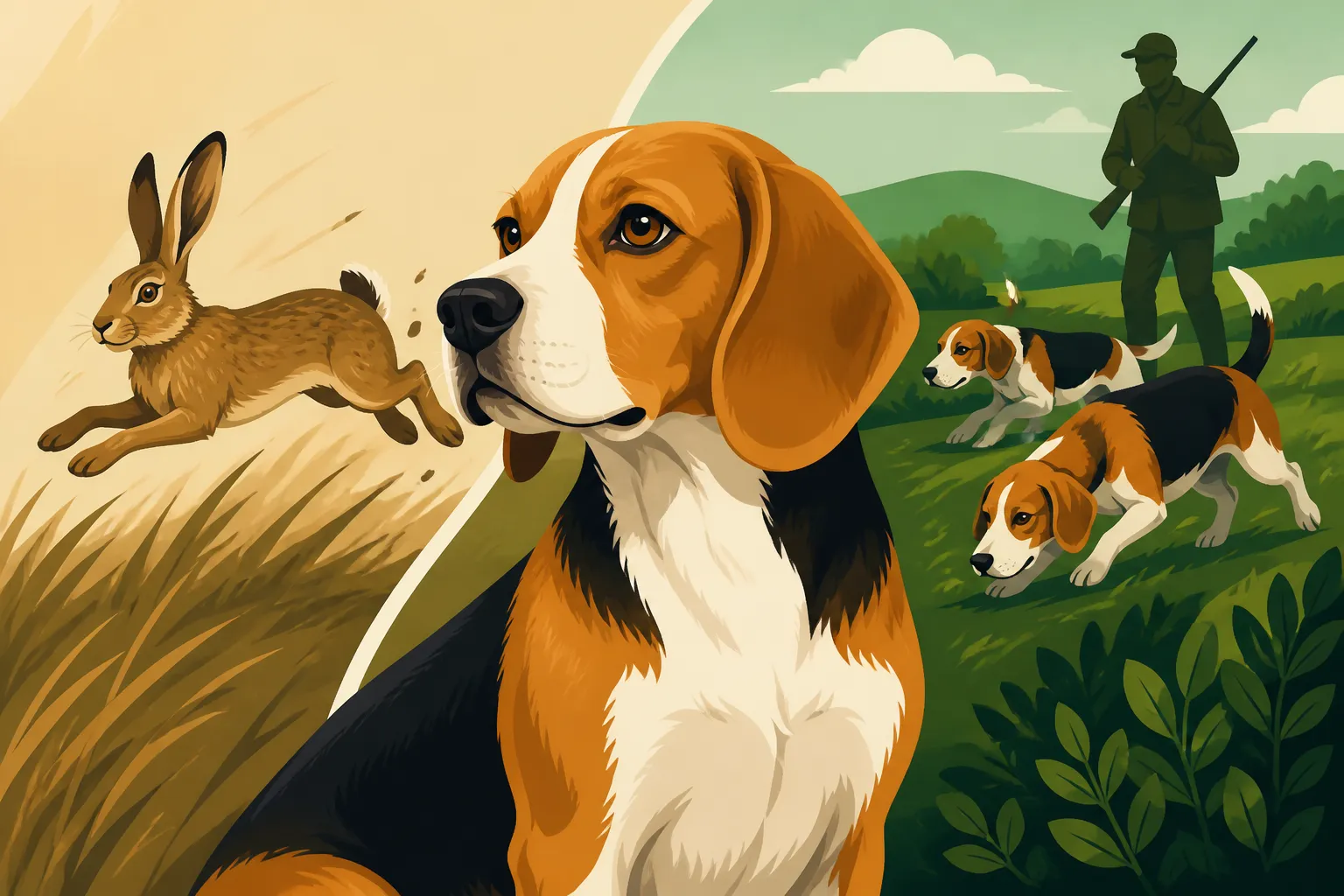
Why Hare Hunting Needed a Small Hound
When you think about the history of Beagles, it's easy to picture them as the lovable, slightly goofy companions we know today. But peel back a few layers of history, and you'll find a dog meticulously crafted by centuries of selective breeding for a very specific job: hunting hares. This isn't just about catching dinner; it's about understanding why a smaller hound was not just preferred, but absolutely essential for the unique challenges of beagling.
The Distinctive Art of Hare Hunting
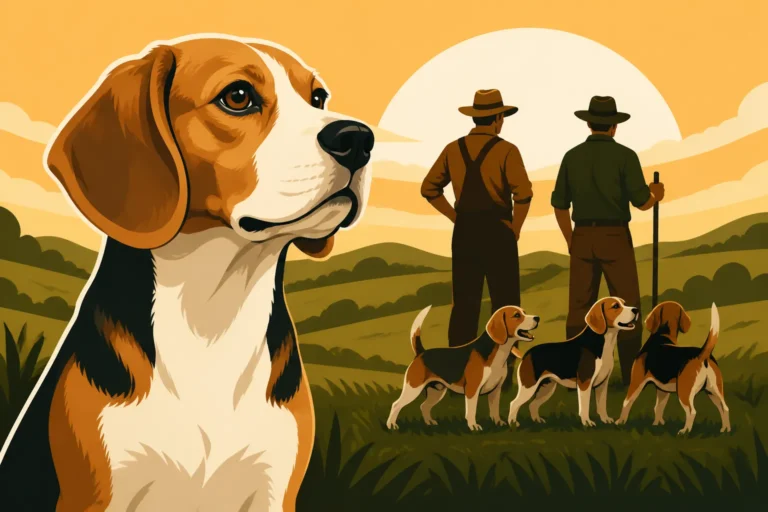
Hare hunting, often called "beagling" when done with Beagles, is a world away from the fast-paced, high-drama chases associated with fox hunting. For centuries, across the rolling hills and dense woodlands of the English countryside, hunting hares required a different kind of finesse, patience, and a very particular type of canine athlete. Unlike fox hunts, which were traditionally conducted on horseback, beagling was (and still often is) a sport followed on foot. This fundamental difference dictated the entire design specification for the ideal hound.
Imagine trying to keep up with a pack of towering foxhounds, built for speed and long strides, across miles of rough terrain, all while on foot. It would be an impossible task for the human hunters. A smaller, slower, yet incredibly persistent dog was needed, one that could work at a pace that humans could match. Hares themselves are also smaller and far more prone to "doubling back" on their own scent trails, taking intricate paths through thick undergrowth and fields. A massive, galloping hound would simply overshoot these subtle twists and turns, losing the trail and the game. This made the concept of What a Beagle Was Originally Bred to Hunt a pursuit that demanded precision over pure velocity. The hunt was less about the kill and more about the chase, the meticulous tracking, and the music of the hounds.
The Beagle's Physical Blueprint for the Chase
The physical attributes of the Beagle aren't accidental; they are a direct result of centuries of selective breeding aimed at creating the ultimate hare-hunting companion. Every aspect of their build, from their compact size to their signature long ears, serves a purpose in this unique pursuit.
Size and Stature Built for the Scent
A Beagle's size is perhaps its most defining characteristic in the context of hare hunting. Standing typically between 13 and 15 inches at the shoulder, with a sturdy, muscular build, they are perfectly proportioned for their job. This low-to-the-ground stature allows them to keep their noses incredibly close to the ground, where the faint, intricate scent trail of a hare lies. Unlike larger hounds that might have to lower their heads significantly or move at an awkward angle, a Beagle's natural posture is already optimized for ground-scenting. They can maintain this position for hours, tirelessly following a cold trail without expending excessive energy or straining their necks. Think of it like a specialized piece of equipment, perfectly adapted for its environment. If you've ever seen a Beagle with its nose glued to the ground, exploring every blade of grass, you're witnessing generations of selective breeding at work. The distinction between The Thirteen Inch Beagle and Its Weight Limit and the fifteen-inch variety reflects this historical emphasis on size consistency for pack work.
Enduring Paws and Weather-Resistant Coat
Beyond their compact frame, Beagles possess other physical traits that make them incredibly well-suited for long days in the field. Their paws are typically round and firm, with hard pads, designed to withstand hours of running and walking over varied terrain—from muddy fields to rocky paths. This robust paw structure minimizes fatigue and injury, crucial for a hound expected to perform day after day during hunting season.
Their short, dense double coat, while causing its fair share of shedding challenges for modern owners (hello, lint rollers!), was an asset in the field. It provides excellent protection against thorns, brambles, and adverse weather conditions. Rain, snow, or harsh winds are less of a deterrent for a Beagle than they might be for a dog with a thinner coat. Furthermore, their long, pendulous ears, which are famously prone to Beagle Ear Infections Under Those Long Ears, serve a valuable purpose in scenting. As the Beagle moves, these ears sweep the ground, effectively wafting ground-level scent particles towards their highly sensitive nose, enhancing their ability to pick up even the faintest of trails. This specialized design highlights how every feature of the Beagle was considered for its role in the hunt. For those looking for grooming supplies for that dense double coat, sites like Chewy offer a wide range of brushes and shampoos designed to keep your Beagle comfortable and clean.
The Unmatched Scenting Ability and Voice
The Beagle's fame as a scent hound is legendary, and for good reason. Their olfactory capabilities are truly remarkable, making them unparalleled trackers of elusive game like hares. But it’s not just their nose; their distinctive voice plays an equally vital role in the traditional hunt.
The Nose That Knows Every Scent
The core of the Beagle's hunting prowess lies in its extraordinary sense of smell. Beagles possess an incredible number of olfactory receptors, far surpassing our own, allowing them to detect and differentiate scents with astounding precision. When a hare crosses a field, it leaves behind a scent trail that is subtle, quickly dissipating, and easily masked by other environmental odors. A large, fast hound might struggle to maintain focus on such a faint trail, especially when moving at high speeds. Beagles, however, are bred for meticulous, nose-to-the-ground tracking. Their determination to unravel a scent puzzle is almost stubborn. They systematically work through the trail, often with their noses glued so closely to the ground that they appear to be vacuuming the path. Why a Beagle Walks With Its Nose to the Ground isn't just a quirk; it's their method. This allows them to follow every intricate twist and turn a hare makes, even when the scent is hours old or obscured by other animal tracks or weather conditions. This deep absorption in scent is why, when a Beagle is on a trail, your voice might stop registering entirely, illustrating the depth of their concentration.
The Mellifluous Bay: Communication in the Field
While their nose finds the hare, it's the Beagle's voice that tells the human hunters what's happening. The distinctive "bay" or "howl" of a Beagle is not just noise; it’s a form of communication, a melodic announcement that has guided hunters on foot for centuries. Unlike a sharp bark, a Beagle’s bay is a deep, resonant sound that carries well over long distances and through dense cover. When a Beagle picks up a fresh scent, or when the pack is hot on the trail, their bay changes, signaling their progress to the hunters. This auditory cue allows the foot-following pack to know where the hounds are, whether they’re still on the trail, or if they’ve lost it and are casting about to pick it up again. Without horses to keep pace, this vocal communication was absolutely critical for coordinated hunting. What a Beagle Bay Actually Sounds Like is a sound truly synonymous with the breed and its history. This communication is particularly vital in situations where the hounds might be out of sight, navigating dense thickets or hilly terrain.
The Evolution of Beagling and Its Enduring Legacy
The need for a small, scent-driven hound for hare hunting didn't just shape the Beagle; it shaped an entire culture and sporting tradition that continues, in various forms, to this day. From ancient packs to modern pet homes, the legacy of the hare hunt is woven into the very fabric of the breed.
From Ancient Packs to Formal Beagling
The concept of using small hounds for hunting goes back further than the formal "Beagle" breed itself. How Long Beagle-Type Hounds Have Existed points to a lineage stretching back centuries, with various small hound breeds used for tracking small game. The formalization of the Beagle breed, particularly in the 19th century, was a response to a desire for a standardized, efficient, and consistent hound for beagling. Reverend Phillip Honeywood, as chronicled in Reverend Phillip Honeywood and His Essex Pack, played a pivotal role in refining these smaller hounds. His efforts, and those of others, led to the development of dogs like his famous Why Honeywood's Beagles Stood Only Ten Inches, which were perfectly suited for the foot-following hunt.
The formation of organizations like The National Beagle Club and Its 1887 Founding solidified the breed standards and promoted the sport of beagling. These clubs organized field trials, where Beagles were judged not just on their appearance but on their ability to hunt and track hares, demonstrating the practical application of their breeding. The emphasis on pack work, discipline, and exceptional scenting was paramount. This era cemented the Beagle's reputation as the premier hare hound, creating a tradition that saw hunters and hounds working in harmony, often for the sheer joy of the chase rather than just sustenance. This tradition of Beagling as a Sport Followed on Foot is a testament to the effectiveness and enjoyment derived from hunting with these remarkable small hounds.
A Legacy Beyond the Hunt
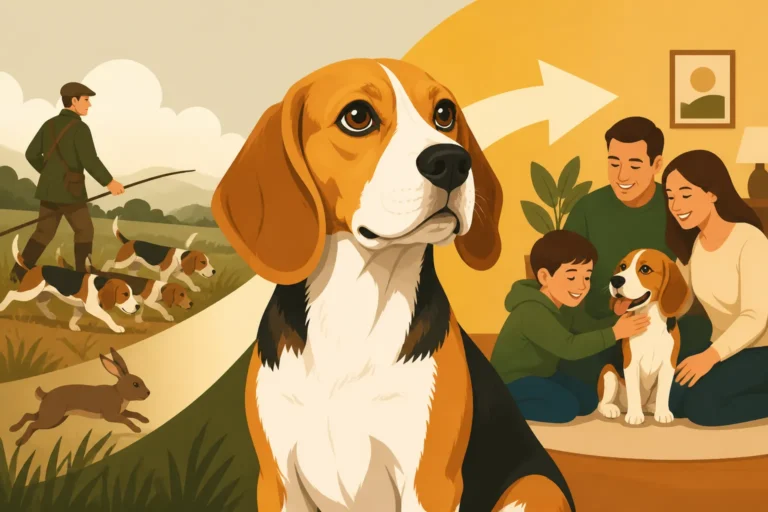
While formal hare hunting with Beagle packs has seen shifts and changes over time, the fundamental traits bred into the Beagle for this purpose remain. Today's pet Beagles, whether curled up on a sofa or romping in a dog park, still carry the powerful nose, the enduring stamina, and the vocal prowess of their hunting ancestors. This is why a Beagle can spend an entire walk with its nose to the ground, utterly oblivious to your calls, or suddenly let out a bay when a particularly interesting squirrel scent crosses its path. Their innate drive to follow a scent trail is as strong as ever, and it's something every Beagle owner quickly learns to appreciate, or at least manage! Many modern Beagle owners find joy in channeling these instincts into activities like scent work or nose work classes, providing their dogs with a "job" that fulfills their ancient purpose. When shopping for durable toys or mentally stimulating puzzle feeders that stand up to a Beagle's determination, online retailers like Chewy provide excellent options to keep those keen noses and active minds engaged, even without a hare in sight. Ultimately, the story of why hare hunting needed a small hound is the story of the Beagle itself—a breed purpose-built for a specific task, whose legacy continues to enrich our lives today.
| Trait / Requirement | Fox Hunting Hounds (e.g., Foxhound) | Hare Hunting Hounds (Beagle) | Direct Impact on Hare Hunting |
|---|---|---|---|
| Primary Pace | Fast, galloping | Moderate, persistent | Humans follow on foot; prevents overrunning faint scent. |
| Size/Height | Taller, longer legs | Shorter, compact, low-slung | Nose closer to ground for subtle hare trails; navigates dense cover. |
| Scenting Style | Often air-scenting, faster | Predominantly ground-scenting | Hares leave delicate ground scent; requires meticulous tracking. |
| Endurance | High-speed bursts, long distances | Sustained effort over hours | Maintains consistent tracking pace throughout the hunt. |
| Terrain Focus | Open country, long lines | Dense undergrowth, intricate trails | Agile in thickets, capable of sharp turns to follow hare's evasions. |
| Voice Function | Loud, carries well at speed | Melodious bay, distinct | Communicates exact location and progress to foot followers. |
| Human Interaction | Followed by riders on horseback | Followed by hunters on foot | Requires a dog whose pace and communication suit pedestrian hunters. |
Disclaimer
This article is for general informational purposes only and does not constitute professional advice. Laws, prices and regulations vary by location and change over time. Consult a qualified professional for guidance on your specific situation.