Snoopy and Why Charles Schulz Made Him a Beagle
It’s impossible to think of the comic strip Peanuts without immediately picturing Snoopy, the philosophical, imaginative, and utterly charming beagle. For many of us, Snoopy is the quintessential beagle, defining our understanding of the breed long before we ever met a real one. But what was it about this specific hound that captured Charles Schulz's imagination so completely, leading him to immortalize the breed in such an iconic way? This guide will delve into the qualities that made Snoopy a beagle, the ways he transcended his breed, and the lasting legacy of Schulz's most famous canine creation.
The Beagle's Innate Qualities That Made Snoopy Shine
Charles Schulz didn't just pick a random dog breed; he chose one with inherent characteristics that were ripe for personification and comedic brilliance. The Beagle, even in real life, possesses a certain charisma that lends itself well to storytelling.
Merry Temperament and Expressive Nature
One of the most defining traits of a Beagle is its "merry" temperament, as often described in breed standards. They are generally cheerful, friendly, and possess a wonderfully expressive face. Those big, soulful eyes and long, drooping ears are practically designed to convey a wide range of emotions, from utter contentment to profound sadness or mischievous delight. This expressiveness was a goldmine for Schulz. Snoopy's emotions are rarely hidden; his joy, frustration, bewilderment, and philosophical ponderings are all clearly etched onto his simple, yet incredibly effective, facial expressions.
Think about how a real Beagle might tilt its head, ears flopping, as it tries to understand a human command, or how its entire body wags with excitement. These are not traits unique to Snoopy, but rather an amplification of what makes real Beagles so endearing. They are social creatures, often thriving in the company of others, a characteristic that subtly underpins Snoopy's deep, if sometimes complicated, relationships with Charlie Brown and the gang. A truly merry disposition is part of Beagle Temperament and Why the Breed Suits Families, making them adaptable and generally good-natured, which surely contributed to their appeal as a family dog and, by extension, a universally loved cartoon character.
Compact Size with a Big Personality
Beagles come in two main varieties – the 13-inch and 15-inch varieties – both of which are compact, sturdy dogs. This relatively small size makes them manageable and relatable, both in real life and within the confines of a comic strip panel. Snoopy never feels overwhelming; he fits perfectly into the world of children, never dwarfing them, yet always commanding attention with his larger-than-life personality.
Despite their size, Beagles are known for having enormous personalities. They are curious, often mischievous, and possess a boundless energy and determination when a scent is involved. This combination of a small frame and a huge spirit is what Schulz tapped into. Snoopy, though small enough to nap on top of his doghouse, dreams of being a World War I flying ace, a famous author, or a celebrated athlete. His adventures are grand, his internal monologue sophisticated, and his aspirations limitless, all contained within that familiar Beagle form. This contrast between his physical size and his mental adventures is a significant part of his charm and comedic power. Their size also means they fit well into many different homes, a practical aspect that may subtly contribute to their broad appeal, much like the broader appeal of Snoopy himself. You can learn more about The Two Beagle Varieties and the Fifteen Inch Line and their physical characteristics.
A Recognizable and Beloved Hound Type
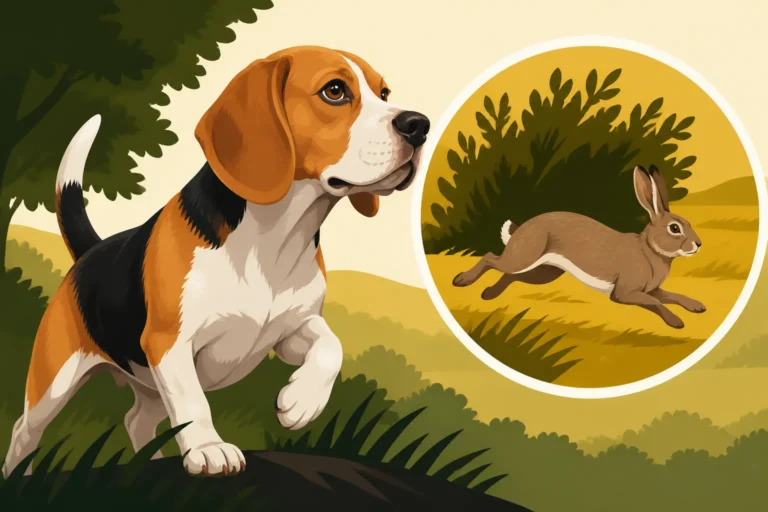
Beagles have a long and storied history, originally bred for hunting hares in England. Their distinctive appearance – smooth coat, long ears, sturdy build, and that often-white-tipped tail held high like a flag – makes them instantly recognizable. They are quintessential hounds, and their image is deeply embedded in canine iconography. Schulz didn't have to invent a dog; he drew upon a well-established and much-loved archetype.
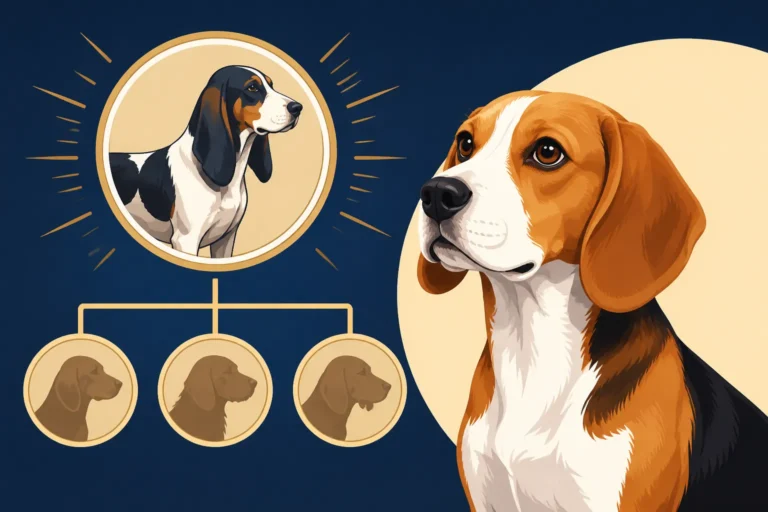
Choosing a Beagle meant tapping into a collective understanding of "dog." Even if someone had never met a Beagle, they likely recognized the general characteristics of a hound: loyal, a bit vocal, and certainly possessing a strong sense of smell. This familiarity allowed Schulz to focus on developing Snoopy's unique personality without having to explain what kind of creature he was. The Beagle's ubiquity and amiable reputation in popular culture predated Snoopy, making him an immediate hit. This foundation of recognition is part of why the Beagle holds such a firm spot in public affection and why Beagle Popularity and That Number Seven Spot has been maintained for so long. Their classic tricolor markings, often a mix of black, white, and tan, are also quite distinct and visually appealing, a perfect canvas for a cartoonist. Details on their appearance, including their classic looks, can be found in Beagle Colors, Markings and the Tricolor Standard.
Beyond the Stereotype: Snoopy's Unique Traits That Defy the Breed
While Snoopy embodies many classic Beagle characteristics, a huge part of his enduring appeal comes from the ways he brilliantly breaks from them. Schulz gave Snoopy human aspirations and intellect, elevating him far beyond a typical canine.
Snoopy's Human-Like Intelligence and Imagination
Real Beagles are clever, no doubt. They are excellent problem solvers, especially when food or an interesting scent is involved. However, they are not typically found writing novels on a typewriter, pondering existential questions, or envisioning themselves flying a Sopwith Camel in a dogfight with the Red Baron. Snoopy's intellectual pursuits and rich fantasy life are, by far, his most distinguishing traits, setting him apart from any real dog.
This anthropomorphism is the core of Snoopy's character. He uses his imagination to escape the mundane reality of being a dog, transforming his doghouse into an airplane, a library, or a yacht. While a real Beagle is driven by its incredibly powerful Training a Beagle Around 220 Million Scent Receptors and instincts, Snoopy is driven by creativity and a desire for recognition and adventure. He thinks in complete sentences, makes profound observations, and even experiences complex emotions like pride, embarrassment, and longing. It’s this departure from purely canine instinct into the realm of human thought that makes him so relatable and endlessly fascinating to readers of all ages.
His Independent Spirit and Reluctance to Hunt
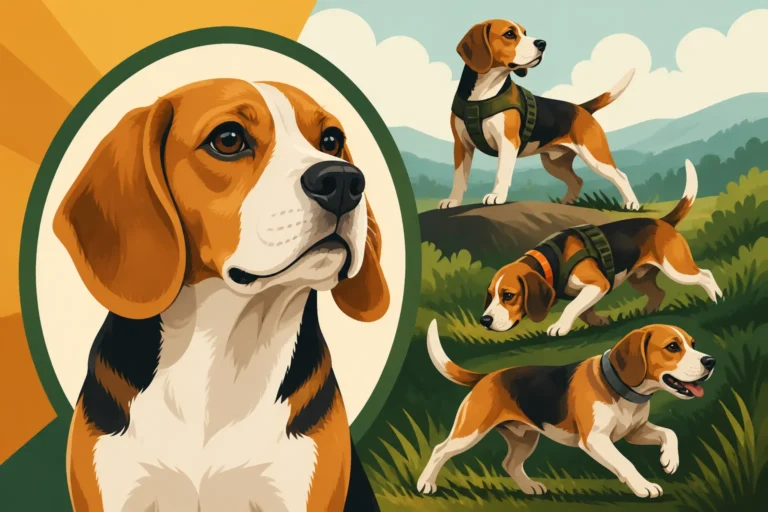
Beagles were originally bred for hunting in packs, following a scent trail with unwavering focus and often vocalizing with their distinctive bay. Their instinct to track is incredibly strong. Snoopy, however, rarely shows an interest in actual hunting or even following a simple scent trail. While he might occasionally play a game of fetch (and even then, often with a humorous twist), his independence manifests more as a desire for self-expression and autonomy rather than genetic instinct.
A real Beagle, if let off-leash in an unfenced area, would very likely follow its nose to the ends of the earth, often to the exasperation of its owner. This profound drive is why Why a Beagle Should Never Be Off Leash Unfenced is a common piece of advice. Snoopy, by contrast, spends most of his time engaged in human activities, often demonstrating a casual disregard for typical dog duties. He prefers naps on his roof to chasing rabbits. This independence, removed from its original hunting context, transforms into a witty, sometimes lazy, and always charming defiance of expectations. He lives his life, not the life expected of a dog.
The Iconic Sleeping Position and Non-Dog Behaviors
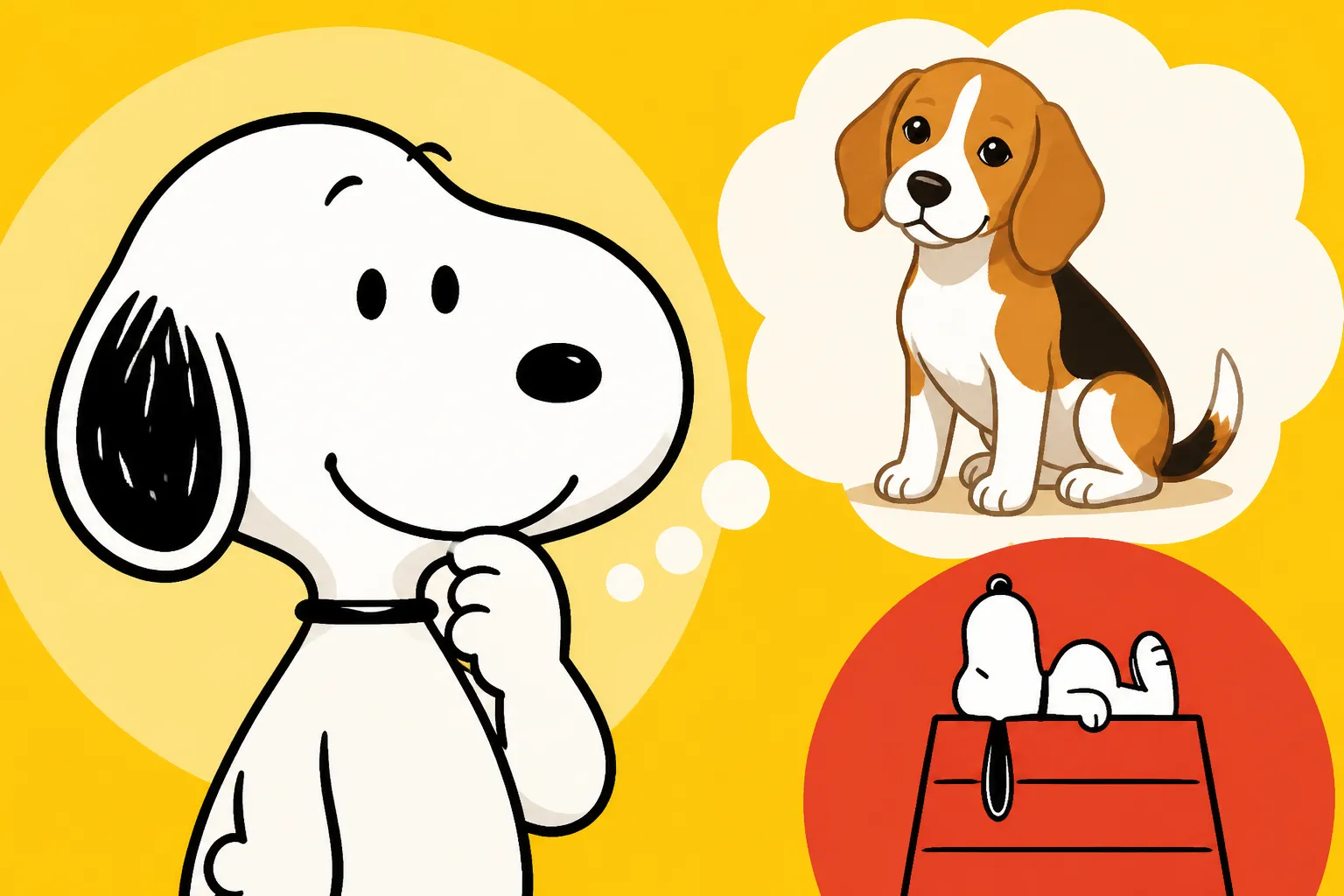
Perhaps Snoopy's most iconic visual is him sleeping peacefully on the roof of his doghouse. This is a behavior completely antithetical to a real dog's instincts. Dogs seek shelter, warmth, and a den-like environment. A real Beagle would much rather be curled up inside its crate or on a soft bed, perhaps even on your lap, than exposed on a wooden roof.
This whimsical detail, along with his bipedal walking, playing baseball, cooking, and occasional dancing, firmly establishes Snoopy as more than just a dog. He transcends his species, becoming a character who merely looks like a Beagle but functions as a miniature human. These non-dog behaviors provide endless comedic opportunities and create a world where a dog's imagination is as rich and complex as any human's. It's a delightful subversion of reality that makes him timeless. While real Beagles have their own unique quirks and behaviors, like their propensity to Beagle Howling, Baying and Barking Explained when excited or bored, Snoopy's behaviors are uniquely his, creating a lovable paradox.
Charles Schulz's Personal Connection to Beagles
The decision to make Snoopy a Beagle wasn't entirely arbitrary. Charles Schulz had a deep affection for dogs, and while Snoopy developed into a character larger than life, his foundational inspiration likely came from the real canines in Schulz's own world.
Schulz's Own Dogs and Canine Observations
Charles Schulz was known to be a dog lover throughout his life. While Snoopy's specific breed was confirmed early on, the behaviors and personalities of Schulz's own dogs undoubtedly influenced the creation of many canine characters in his strips, including Snoopy. It's often the small, mundane observations of real pets that spark the most brilliant character traits in fiction. A dog's loyalty, its excitement at mealtime, its expressive sigh, or even its stubborn streak – these are all universal dog traits that Schulz could have seen in various breeds, including Beagles.
He observed how dogs interact with their environment, with humans, and even with their own thoughts (or what we imagine their thoughts to be). While specific details of his own Beagle ownership might not be widely documented as the sole inspiration for Snoopy, his general love for dogs provided a fertile ground for developing such an empathetic and complex canine character. The way Snoopy gazes at Charlie Brown, or the way he eagerly anticipates dinner, these are moments that resonate because they reflect the true bond between humans and their dogs, regardless of breed. When you see a Beagle eyeing your dinner plate with an intense focus, it's easy to imagine Snoopy's internal monologue about the delectable feast! Beagles, after all, are known for having a substantial Beagle Food Drive That Empties Your Counters, a trait Schulz surely exaggerated for comedic effect with Snoopy.
The Artistic Appeal of the Beagle Form
From a purely artistic standpoint, the Beagle is an excellent choice for a cartoonist. Its features are distinct yet simple enough to be stylized without losing recognition. The long, floppy ears provide a great range of motion for expressing emotion or suggesting speed. The rounded body and relatively short legs give a lovable, somewhat childlike appearance, while the sturdy build suggests a dog that's ready for adventure.
Schulz's minimalist drawing style for Snoopy perfectly captures the essence of a Beagle while allowing for maximum expressive capability. The basic black-and-white (with the classic tricolor pattern implied) outline of Snoopy is instantly recognizable. The white-tipped tail, a standard feature of many Beagles, is often highlighted as a distinct part of the breed standard, and it serves as a charming detail for Snoopy, always wagging or held aloft like a cheerful flag. The classic Beagle head, with its slightly domed skull and expressive eyes, translates beautifully into cartoon form, allowing for those wonderfully nuanced expressions from pure elation to profound despair.
Crafting a Universal Character from a Specific Breed
Ultimately, Schulz's genius was taking a specific breed – the Beagle – and transforming it into a universal symbol of friendship, imagination, and perseverance. Snoopy might be a Beagle, but his personality and experiences transcend breed boundaries, making him relatable to anyone who has ever dreamed big, felt misunderstood, or longed for a good meal.
By choosing a breed that was already widely recognized and generally well-regarded, Schulz gave Snoopy an immediate foundation of familiarity. Then, he layered on top of that canine base a rich tapestry of human emotions, philosophical musings, and fantastical adventures. Snoopy became the "everydog" who represents the best parts of canine companionship combined with the aspirational spirit of humanity. He's loyal like a dog, but dreams like a person. This blending of species is why Snoopy remains one of the most beloved cartoon characters of all time, making us laugh, think, and occasionally shed a tear over his adventures.
Snoopy's Lasting Impact on the Beagle's Image
Snoopy’s immense popularity has had a tangible effect on how the public perceives Beagles, both positively and, at times, with a touch of unrealistic expectation.
The "Snoopy Effect" on Beagle Popularity
There's no doubt that Snoopy played a significant role in cementing the Beagle's status as a household name and a desirable family pet. His gentle demeanor, loyalty to Charlie Brown, and endearing quirks made many people fall in love with the idea of owning a Beagle. The "Snoopy Effect" likely contributed to the breed's consistent popularity in rankings of common dog breeds. People wanted a dog like Snoopy: intelligent, affectionate, and full of character.
This increased visibility and romanticized image meant that more people sought out Beagles, often seeing them as the ideal companion. His image has been used in countless marketing campaigns, further embedding the Beagle in the cultural consciousness as a friendly, wholesome, and fun-loving breed. When families discuss getting a dog, Snoopy often comes to mind, highlighting the positive associations he created for the breed. This cultural impact is part of the ongoing story of Snoopy and the Beagle in American Culture.
Managing Expectations for Real-Life Beagles
However, the "Snoopy Effect" can also lead to some misunderstandings. Real-life Beagles, while wonderful, are not cartoon characters. They won't write novels or fly planes from their doghouses. They will, however, enthusiastically follow their noses, bay loudly when excited or lonely, and possess an incredible food drive that can lead to counter-surfing or eating questionable items found on walks. Potential owners, charmed by Snoopy's quiet intelligence and human-like sensibilities, might be surprised by the very real and very canine traits of an actual Beagle.
For example, a real Beagle's bay is a distinctive and often loud sound, very different from the silent thought bubbles of Snoopy. Understanding What a Beagle Bay Actually Sounds Like and how frequently a Beagle might use its voice is crucial for potential owners. Furthermore, Beagles, as a pack breed, can be prone to Beagle Separation Anxiety in a Pack Breed if left alone for long periods, leading to vocalizations or destructive behaviors that Snoopy never displayed. It’s important for prospective Beagle owners to research the breed thoroughly and understand their specific needs, recognizing that a real Beagle, while full of charm, is also a dog with strong instincts and needs that are distinct from its cartoon counterpart. While Chewy offers a fantastic range of supplies for all types of dogs, including Beagles, understanding the breed's specific needs for durable toys and secure fencing is key.
Celebrating the Real Beagle Alongside the Icon
Ultimately, Snoopy remains a beloved icon, and his Beagle heritage is a point of pride for many breed enthusiasts. He represents the potential for deep companionship, joy, and the boundless spirit that dogs bring to our lives. But it's also a chance to celebrate real Beagles for who they truly are: affectionate, intelligent, and sometimes mischievous hounds with an unparalleled sense of smell and a love for adventure.
While Snoopy may live out his fantasies from the top of his doghouse, a real Beagle's greatest joy might come from a long, sniffy walk through the woods, unraveling the complex tapestry of scents that humans can only imagine. They are dogs who thrive on activity, mental stimulation, and being part of a family pack. By appreciating both the fictional charm of Snoopy and the genuine, wonderful qualities of a living, breathing Beagle, we can truly honor Charles Schulz's legacy and the breed he helped make famous. Whether you're considering What a Beagle Puppy Costs From a Breeder or navigating Beagle Medical Costs for Epilepsy and Thyroid Disease, it's important to understand the realities of owning one of these fantastic dogs, beyond the comic strip panel.
| Trait | Snoopy's Portrayal | Real Beagle's Reality |
|---|---|---|
| Intelligence | Writes novels, flies planes, highly philosophical. | Clever, excellent problem solvers (especially with scent/food). |
| Independence | Defies norms, pursues personal hobbies, avoids 'dog' tasks. | Strong scent drive can lead to independent roaming; pack-oriented. |
| Vocalization | Mostly silent internal monologue. | Prone to baying, howling, and barking, especially when lonely or on scent. |
| Sleeping Habit | Sleeps on top of his doghouse. | Prefers enclosed, comfortable, den-like spaces. |
| Food Drive | Loves food, but often with wit and self-control (mostly). | Extremely strong food drive, prone to counter-surfing and scavenging. |
| Motivation | Imagination, recognition, philosophical pondering. | Scent, food, companionship. |
Disclaimer
This article is for general informational purposes only and does not constitute professional advice. Laws, prices and regulations vary by location and change over time. Consult a qualified professional for guidance on your specific situation.