Beagles Cast in Film and Television
It’s easy to look at a Beagle on screen, whether in a heartwarming family film or a beloved cartoon, and imagine that perfect, mild-mannered companion. But for many Beagle enthusiasts and potential owners, the charming, often mischievous portrayal in film and television creates a somewhat idealized picture that doesn't always match the lively, scent-driven reality of living with this wonderful breed. This guide aims to bridge that gap, exploring why Beagles are so frequently cast in media and what it truly takes to share your life with one of these real-life stars.
The Enduring Allure of Beagles in Media
There's something undeniably captivating about a Beagle, and Hollywood and television producers have certainly taken notice. Their expressive faces, soulful eyes, and generally compact size make them incredibly appealing to audiences. But it goes deeper than just their looks; specific traits ingrained in the breed's history make them surprisingly versatile, or at least adaptable, performers.
Why Their Look Appeals to Audiences
Beagles possess a unique combination of physical attributes that lend themselves perfectly to the camera. First, there's their size. They are small enough to be perceived as cute and manageable, yet substantial enough to register clearly on screen without being overshadowed by human actors. Their famous long, drooping ears frame their faces beautifully, often exaggerating expressions and adding to their visual charm. Think about how their ears might flop during a dramatic chase scene or perk up with curiosity – it’s instant character.
Their coats, typically tricolor (black, white, and tan), lemon, or red and white, are also visually striking and distinct, making them easily recognizable. Unlike some breeds with complex grooming needs, a Beagle's short, dense coat is relatively easy to maintain, which is a practical consideration for a production crew on a tight schedule. They simply look like the quintessential "dog next door," approachable and endearing, which helps viewers connect with them instantly. This familiar aesthetic, paired with their often comical antics, helps them steal scenes and become memorable characters that resonate long after the credits roll.
Temperament Traits That Lend Themselves to Acting
Beyond their looks, several inherent Beagle temperament traits make them prime candidates for screen roles, albeit with significant training and patience. Beagles are generally known for being good-natured, friendly, and eager to please, especially when there's food involved! Their high food drive is a huge asset in training, as they are often highly motivated by treats, allowing trainers to shape complex behaviors. This eagerness can translate into enthusiastic performances, whether it's a happy tail wag or a determined trot.
They are also incredibly adaptable, a trait developed from their pack-hunting history. While a Beagle might prefer to be with its human "pack," they can adjust to various environments and new people, which is crucial on a busy, ever-changing film set. Their natural curiosity and intelligence mean they can learn routines and cues, even if their independent streak sometimes makes them selective listeners. Training a Beagle Around 220 Million Scent Receptors means harnessing that innate drive, often with high-value rewards, to focus on the task at hand rather than the tantalizing smells of the craft services table. They have an inherent "merry" disposition that translates well into family-friendly content, often portraying loyal, happy companions.
The Challenge of Beagle Scent Drive on Set
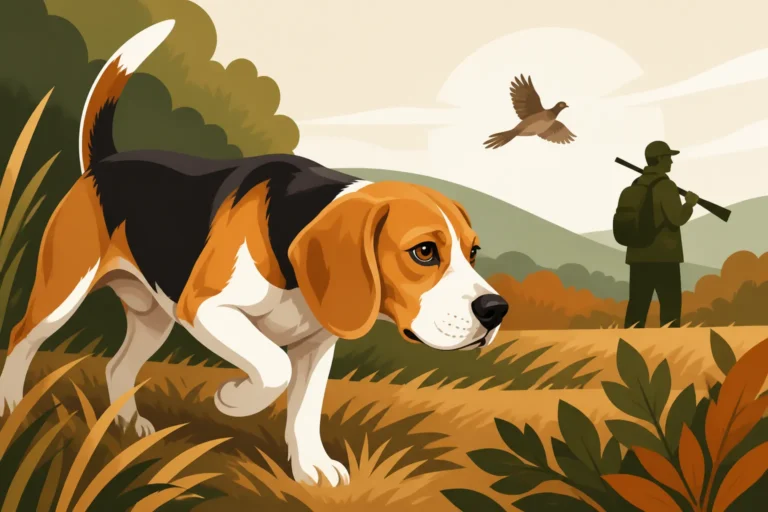
However, anyone who lives with a Beagle knows their superpower – their nose. With 220 million scent receptors, a Beagle's world is primarily one of smell. While this makes them phenomenal detection dogs, like those in The Beagle Brigade and the Working Beagle, it presents a massive challenge on a film or television set. Imagine trying to get a Beagle to hit a mark or perform a specific action when there are a hundred new, exciting smells from crew members, props, and location changes!
Trainers working with Beagles for film have to be masters of distraction management, often employing strategies to keep the dog focused. This might involve setting up controlled environments, using specific scent-free props, or literally masking enticing smells. Their natural inclination to put their nose to the ground and follow a trail can easily derail a take, turning a simple walk-on into an impromptu scent investigation. This highlights the difference between a naturally appealing dog and one disciplined enough for the demands of acting. It also means that behind every seemingly effortless Beagle performance, there's usually an incredibly patient and skilled animal trainer working tirelessly.
Iconic Beagles of the Big Screen and Small Screen
When we think of Beagles in popular culture, a few stand out as truly iconic. Their roles have ranged from animated legends to heartwarming live-action heroes, solidifying their place in the hearts of audiences worldwide.
Snoopy: The World-Famous Cartoon Beagle
It's impossible to talk about Beagles in media without starting with Snoopy. Charles Schulz's creation for the Peanuts comic strip and subsequent animated specials is arguably the most famous Beagle in the world. Snoopy isn't just a pet; he's a philosopher, a writer, a WWI flying ace, and an integral part of the Peanuts gang. His personality—imaginative, mischievous, loyal, and often comically self-important—perfectly encapsulates a certain Beagle charm, albeit with an anthropomorphic twist.
Snoopy’s enduring popularity stems from his relatable character and his distinct look. His large, round head, floppy ears, and signature white-and-black markings are instantly recognizable. Through Snoopy, millions have been introduced to the Beagle breed, even if his antics don't always reflect the ground-dwelling, scent-obsessed reality of a real Beagle. His adventures have spanned decades, influencing countless generations and making the Beagle breed synonymous with a whimsical, intelligent, and deeply loyal companion. His presence in pop culture is so pervasive that for many, Snoopy is the Beagle, shaping public perception of the breed's personality and intelligence. This makes Snoopy and the Beagle in American Culture a truly significant phenomenon.
Live-Action Beagles in Family Films
Beyond animation, live-action Beagles have graced our screens in numerous family-friendly productions, often chosen for their inherent charm and ability to convey emotion. One of the most notable examples is the titular dog in Shiloh, a series of films based on the beloved books. Shiloh, a mistreated Beagle puppy, finds a champion in a young boy, Marty Preston. The Beagle's expressive eyes and sympathetic demeanor perfectly conveyed the vulnerability and deep connection central to the story. These films showcased the Beagle's capacity for profound loyalty and affection, making audiences fall in love with the breed's gentle nature.
Another memorable live-action appearance was Lou, the main canine protagonist in the movie Cats & Dogs. Here, a Beagle was cast in a more adventurous, action-oriented role, demonstrating that with creative special effects and extensive training, even a scent hound could be a secret agent. While perhaps less true to typical Beagle behavior, it highlighted their adaptability for more fantastical narratives. Beagles have also appeared in countless commercials, often portraying the happy, energetic family pet, chasing children or eagerly awaiting a treat. Their friendly faces and moderate size make them ideal for advertising products aimed at families, from pet food (which you can easily stock up on through Chewy) to household goods. These roles solidify the Beagle's image as the quintessential loving and playful family dog.
The Unexpected Beagle Star Power
Sometimes, a Beagle's appearance in film or television is more subtle but no less impactful. They might be the loyal sidekick, the background family pet, or even the unwitting comic relief. For instance, the original live-action Underdog movie featured a Beagle in the lead role, capitalizing on the breed's ability to look both unassuming and endearing. Even in brief cameos or as unnamed characters, their distinctive look and engaging presence can elevate a scene.
Consider how a Beagle might be used in a scene to establish a character's home life: a happy Beagle greeting its owner at the door immediately tells the audience something about that character's warmth or domesticity. Their characteristic vocalizations – the famous "bay" or howl – have also been used for comedic or dramatic effect. What a Beagle Bay Actually Sounds Like is instantly recognizable and can add a layer of sound design that evokes a sense of home, or perhaps, a touch of chaos. This versatility, from leading roles to essential supporting characters, speaks to the Beagle's unique charm and the way they naturally draw the eye and the heart.
Beyond the Camera: The Realities of Beagles as 'Actors'
While Beagles make fantastic on-screen stars, it's crucial to understand that the seamless performances we see are the result of immense dedication, specialized training, and often, specific temperaments. It's not just about finding "any" Beagle; it's about finding the right one and putting in the work.
The Intense Training Behind the Scenes
Behind every successful animal actor, there's a team of dedicated professional trainers who spend countless hours shaping behaviors. For Beagles, this training begins early and is extremely systematic. It focuses on positive reinforcement, especially leveraging their strong food drive. Imagine teaching a Beagle to "stay" amidst the chaos of a film set, with lights, cameras, and dozens of crew members moving around. This requires breaking down actions into tiny steps and rewarding each successful attempt. High-value treats are a must, and often, a specific food motivation from a reliable source like Chewy can make all the difference.
Trainers must also desensitize Beagles to various stimuli: loud noises, unfamiliar equipment, different surfaces, and being handled by multiple people. They learn specific cues, often hand signals, that might not be visible to the camera. The goal is to make the desired action so ingrained that the Beagle performs it reliably, even under pressure. This goes far beyond basic obedience; it's about teaching complex sequences and maintaining focus in highly distracting environments, which is particularly challenging given Why a Beagle Ignores You Halfway Down a Trail in real life. The "star" Beagle is, in essence, a highly trained working dog, and their on-screen charm is a testament to both their innate abilities and their trainer's expertise.
Ethical Considerations for Animal Actors
The welfare of animal actors is a paramount concern, and reputable productions adhere to strict guidelines to ensure the dogs are treated humanely. This includes limiting working hours, providing ample breaks, access to fresh water and food, and creating a safe, comfortable environment. Organizations often monitor animal treatment on set, ensuring that no animal is harmed or stressed during filming. The animals are typically brought in from specialized training facilities or professional animal actor agencies, where their health, temperament, and training are carefully managed.
However, the pressure of performance can still be stressful for some animals, even with the best care. The unique challenges of a Beagle’s temperament, such as their vocal nature or their desire to follow a scent, mean that trainers must be acutely aware of their individual needs and comfort levels. For example, Beagle Howling, Baying and Barking Explained shows that their vocalizations are natural, but on a quiet set, they might need specific training to suppress or redirect this behavior. Ensuring the Beagle genuinely enjoys the "work" and isn't simply tolerating it is a key ethical consideration.
The "Lookalike" Phenomenon and Breed Trends
The visibility of Beagles in popular media often leads to a phenomenon known as the "lookalike" effect, where public demand for the breed increases after a popular movie or show features one. People fall in love with the on-screen character and then seek out a real-life Beagle, often without fully understanding the breed's specific needs and challenges. While this can sometimes be positive for reputable breeders and rescues, it can also lead to impulse buys and an increase in backyard breeding, where dogs are bred without proper health screening or temperament consideration.
The problem arises when owners are unprepared for the realities: the strong scent drive that means Why a Beagle Should Never Be Off Leash Unfenced, their independent nature that makes Beagle Recall and Why Your Voice Stops Registering a constant battle, or their tendency for Beagle Separation Anxiety in a Pack Breed if left alone too long. The cinematic Beagle often glosses over the digging, the baying, the counter-surfing, and the boundless energy that define the breed. This can unfortunately result in Beagles being surrendered to shelters when owners find their real-life companion doesn't quite live up to their on-screen expectations.
Bringing a "Star" Beagle Home: Expectations vs. Reality
Inspired by a Beagle's charming on-screen presence? That's wonderful! But before you welcome one into your home, it's vital to have a clear understanding of what makes a real Beagle tick, and how that might differ from the Hollywood version.
The Difference Between a Fictional and Real Beagle
The biggest difference between a fictional Beagle and a real one is often the narrative convenience of fiction. On screen, a Beagle might instantly understand complex commands, rarely make a mess, and always be perfectly quiet unless the plot demands a dramatic bay. In reality, Beagles are dogs. They shed, they can be vocal, they require consistent training, and their noses will always be their guiding force. A real Beagle doesn't instinctively know not to jump on the furniture or to leave food on the counter; these are behaviors that must be patiently taught and reinforced over time.
Think of it this way: the on-screen Beagle is an edited highlight reel, often with multiple takes and CGI enhancements. Your real-life Beagle is the full, unedited documentary. They come with all the adorable quirks, yes, but also the challenges that make them uniquely Beagle. For example, their boundless curiosity and scent drive mean they will explore everything with their nose, often finding trouble or forbidden snacks. This means you’ll need to do some serious Beagle-Proofing a Kitchen Counter and ensure your home is secure. The magic of cinema creates an ideal; the reality of dog ownership requires commitment and understanding.
Meeting the Real-Life Needs of Your Beagle
If you're bringing a Beagle home, be prepared to meet their specific needs, which include plenty of exercise, mental stimulation, and consistent training. They are not couch potatoes by nature; they were bred to be active hunting dogs. Daily walks, ideally long ones that incorporate plenty of sniffing opportunities – what we call "sniffing walks" – are crucial for their physical and mental well-being. Exercising a Beagle Enough to Settle It means understanding their drive and providing outlets for it. Puzzle toys, scent games, and even beginner nose work classes can provide essential mental stimulation, preventing boredom that can lead to destructive behaviors like digging or excessive barking.
Their grooming needs are relatively simple but consistent: regular brushing to manage their shedding double coat, and crucially, weekly ear cleanings to prevent infections in those long, floppy ears. Beagle Ear Cleaning as a Weekly Job is not a suggestion, it's a necessity. And, of course, a high-quality diet is paramount. Finding good food and treats, perhaps through a convenient online retailer like Chewy, will support their energy levels and overall health.
Managing Expectations for First-Time Owners
For first-time Beagle owners, managing expectations is key. Do not expect your Beagle to be the silent, perfectly obedient canine you saw in a movie. Embrace their unique Beagle-ness! They are intelligent, but also famously independent and stubborn when their nose is on a mission. What Nobody Tells You Before Getting a Beagle often includes the sheer volume of their baying or their uncanny ability to escape seemingly secure yards. Patience, humor, and a consistent routine will be your best allies.
It's also important to understand that Beagles thrive on companionship. They are pack animals and prefer not to be left alone for long stretches, as this can exacerbate separation anxiety. While a second dog might help, it's not a guaranteed fix. They need engagement, training, and positive reinforcement to channel their instincts productively. If you are prepared for a lively, loving, and sometimes exasperating companion who will always keep you on your toes with their incredible sense of smell and vocal charm, then a real-life Beagle might just be the perfect star for your home.
| Trait / Aspect | On-Screen Portrayal (Fiction) | Real-Life Beagle Experience (Reality) |
|---|---|---|
| Obedience | Instantly responsive, performs complex tricks flawlessly. | Intelligent but independent; recall is challenging, scent-driven distractions are common. |
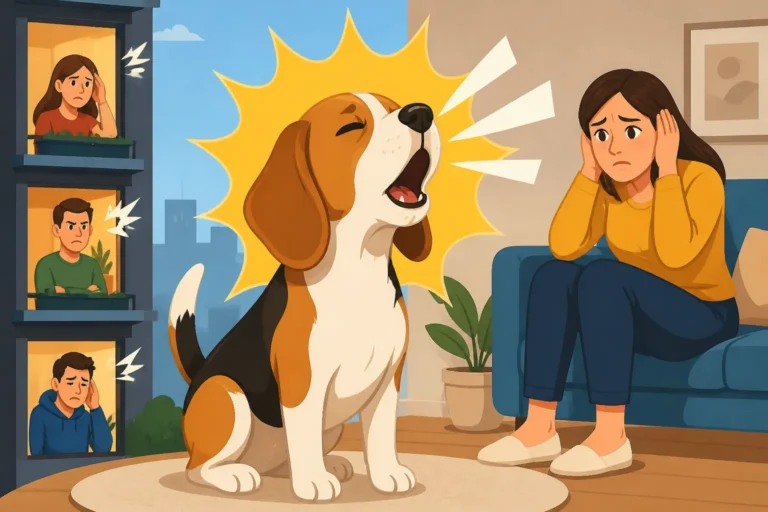
| Vocalizations | Bays or barks only when dramatically appropriate for the plot. | Prone to baying, howling, and barking at various stimuli, often loudly. |
| Behavior | Calm, well-mannered indoors, never destructive. | Energetic, curious, prone to digging, counter-surfing, and exploring with their nose. |
| Training Needs | Minimal effort, seems to naturally understand. | Requires consistent, positive reinforcement training, especially for recall and impulse control. |
| Separation Anxiety | Content alone for long periods. | Pack animals, can develop separation anxiety if left alone too much. |
| Scent Drive | Focused on human interaction, ignores ambient smells. | Nose-driven, will follow interesting scents over human commands. |
| Appearance | Always perfectly groomed, clean, and photogenic. | Sheds regularly, needs routine ear cleaning, may get dirty on scent adventures. |
Disclaimer
This article is for general informational purposes only and does not constitute professional advice. Laws, prices and regulations vary by location and change over time. Consult a qualified professional for guidance on your specific situation.