Snoopy and the Beagle in American Culture
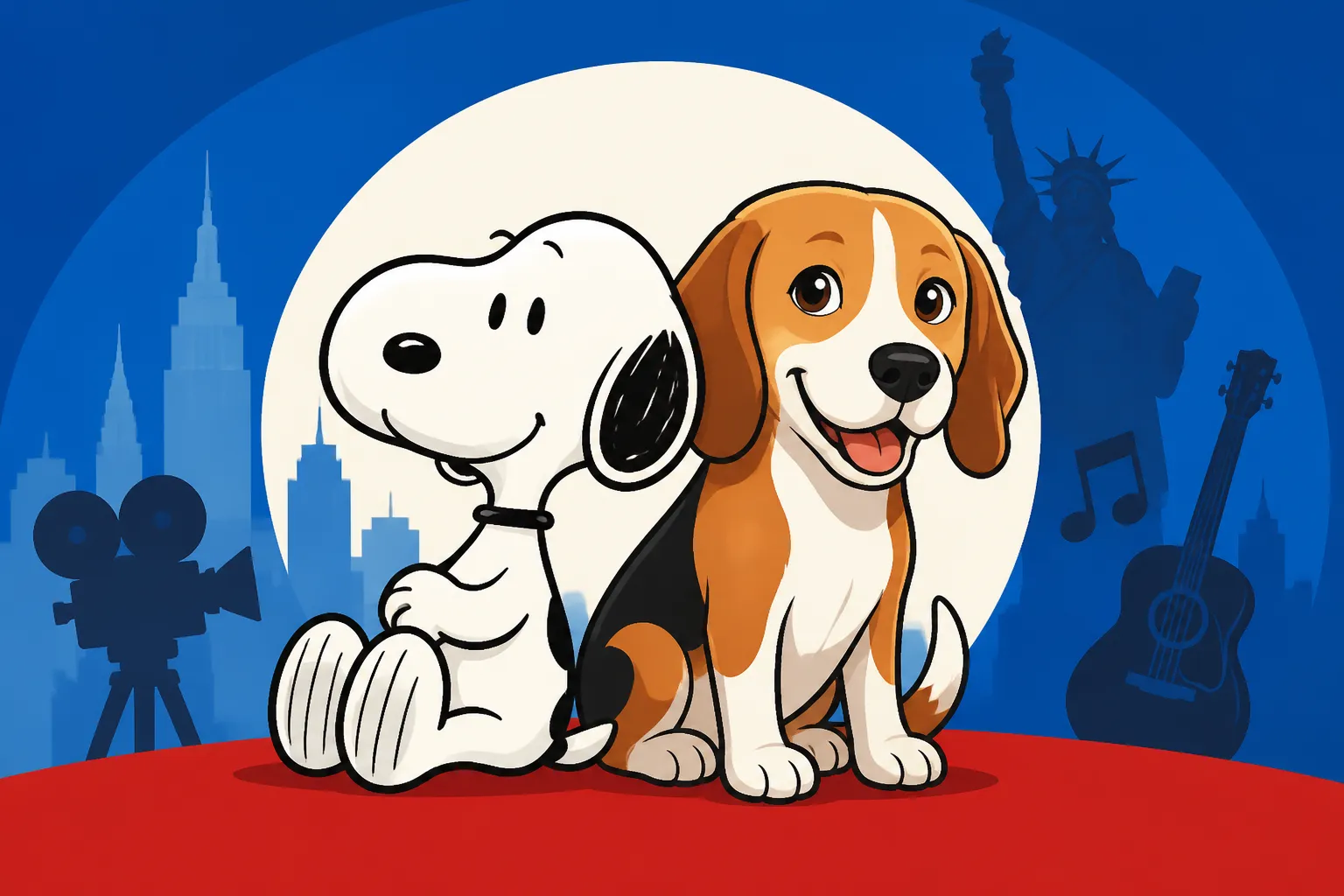
It's easy to look at a Beagle and immediately think of Snoopy, isn't it? For so many of us, this iconic character isn't just a cartoon dog; he's a representation of everything we love about our canine companions – loyal, mischievous, a little bit philosophical, and utterly charming. But how did this particular Beagle become such a colossal figure in American culture, and what does his legacy mean for the real-life Beagles who share his breed? This guide will dive deep into the fascinating story of Snoopy, exploring his creation, his impact on the Beagle breed's popularity, and the delightful blend of fantasy and reality he brings to our perception of these merry hounds.
The Birth of an Icon: Charles Schulz's Vision
The story of Snoopy, like all good stories, has humble beginnings. He didn't just spring forth fully formed as the celebrated Ace Flying Beagle; he evolved, much like the Peanuts strip itself, from simpler forms into the beloved character we know today. Understanding his origins helps us appreciate the depth of his impact.
From "Sniffy" to Snoopy: Early Concepts and Evolution
When Charles M. Schulz first introduced a little white dog into his Peanuts comic strip on October 4, 1950, he was a far cry from the complex, anthropomorphic character Snoopy would become. Originally, Schulz intended to name the dog "Sniffy," but discovered another comic strip already had a character by that name. So, "Snoopy" was chosen, a name suggested by Schulz's mother, who reportedly said if their family were to get another dog, they should name him Snoopy. This seemingly minor detail connected the character deeply to Schulz's own life and sensibilities from the very beginning.
In those initial strips, Snoopy behaved much like a typical dog – walking on all fours, making non-verbal dog noises, and mostly interacting with Charlie Brown in a straightforward pet-owner dynamic. He didn't have thought bubbles, elaborate fantasies, or the confident swagger he would later develop. He was just a dog, albeit a cute and charming one, existing in the background of Charlie Brown's perpetually melancholic world. This gradual evolution allowed readers to grow with Snoopy, to witness his personality unfurl over years, making his eventual transformation feel organic and earned, rather than sudden.
His physical appearance also changed significantly over time. Early Snoopy was gangly, with a more traditional Beagle-like face and floppy ears. As the strip progressed, his form became more stylized, rounded, and expressive, eventually settling into the universally recognized design that adorned everything from t-shirts to lunchboxes. This artistic refinement coincided with his growing inner life, as if his physical form needed to catch up with the burgeoning depth of his character. It was a testament to Schulz's genius that he could take a simple pet and imbue him with such profound and relatable human qualities, all while maintaining his canine essence.
Why Schulz Chose a Beagle: The Breed's Innate Charm
It’s no accident that Snoopy is a Beagle. Charles Schulz, as a dog lover, surely understood the unique qualities of the breed, even if he wasn't explicitly trying to promote them. Beagles possess a certain inherent charm, a "merry" disposition, and an incredibly expressive face that lends itself perfectly to cartooning. Their large, soulful eyes and long, floppy ears make them instantly recognizable and undeniably adorable, traits that Schulz expertly amplified in Snoopy's design.
The Beagle's history as a hunting dog, bred for its keen sense of smell and robust constitution, might seem at odds with Snoopy's often lazy, philosophical nature, but it actually provides a subtle backdrop. Real Beagles are incredibly driven by their noses, often to the exclusion of all else, which can make them seem stubborn or single-minded. Snoopy, while not trailing scents, is single-minded in his pursuit of naps, food, and his various alter egos. This innate focus, a core Beagle trait, is cleverly reinterpreted in Snoopy's imaginative pursuits. It speaks to the idea that Beagles, while built for the field, also possess a deep inner world and a capacity for pure, unadulterated joy.
Moreover, the Beagle's compact size and generally friendly demeanor make them ideal family dogs, a characteristic that fits perfectly within the wholesome, relatable world of Peanuts. They are often described as good-natured and tolerant, qualities that Snoopy embodies, even when he's being a bit of a rascal. Schulz captured the spirit of the breed, even as he elevated Snoopy far beyond the typical canine. His choice wasn't just aesthetic; it tapped into the very essence of what makes Beagles so endearing to so many people, suggesting a playful, gentle soul beneath that iconic black and white coat.
Snoopy's Multifaceted Persona: More Than Just a Pet
What truly elevated Snoopy from a cute cartoon dog to a cultural icon was his evolving personality. He wasn't content to simply fetch a stick or beg for treats. Snoopy harbored dreams, ambitions, and a rich inner life that resonated deeply with readers of all ages.
The Philosophical Dog and His Inner World
One of the most profound aspects of Snoopy's character is his introspective nature. Despite being a dog, he often grappled with existential questions, pondered the meaning of life from atop his doghouse, and shared his musings through thought bubbles that were, for all intents and purposes, internal monologues. He became a silent observer of the human condition, often commenting on the quirks, anxieties, and simple joys of Charlie Brown and his friends with a wisdom that transcended his species.
These philosophical moments were what made Snoopy truly unique. He wasn't just a comedic foil; he was a character capable of deep thought, irony, and even melancholy. He explored themes of identity, ambition, and the pursuit of happiness, all while remaining utterly charming and accessible. Readers, especially adults, found themselves relating to Snoopy's quiet contemplation, his moments of self-doubt, and his ultimate resilience. He became a mirror for our own inner lives, reflecting universal experiences in a deceptively simple form.
His capacity for understanding and empathy, even without speaking, made him a powerful symbol of companionship. He might tease Charlie Brown or steal Linus's blanket, but at his core, Snoopy was always there, a steadfast presence. His philosophical musings often highlighted the absurdities of life but always ended with a sense of hopeful acceptance, a distinctly Beagle-like trait of merriment despite adversity. It’s this blend of profound thought and innocent canine charm that made Snoopy a truly timeless figure, touching hearts and minds for generations.
The Ace Flying Beagle and His Many Alter Egos
Perhaps nothing cemented Snoopy's iconic status more than his incredible capacity for imagination and his diverse array of alter egos. The most famous, of course, is the World War I Flying Ace, perpetually battling the Red Baron from atop his doghouse, which he imagines as a Sopwith Camel. This persona alone captured the hearts of millions, transforming a simple pet into a heroic, daring figure. The contrast between his mundane reality and his vivid fantasy world provided endless humor and a powerful message about the boundless nature of imagination.
Beyond the Flying Ace, Snoopy adopted countless other personas. He was Joe Cool, leaning against a wall with sunglasses, exuding an effortless, laid-back charm. He was the World Famous Author, constantly pecking away at his typewriter, forever beginning his great novel with "It was a dark and stormy night." He took on roles as a scout leader, a surgeon, a lawyer, a hockey player, and even the Easter Beagle. Each alter ego allowed Schulz to explore different facets of aspiration, folly, and the human desire for recognition, all through the lens of a dog.
These escapist fantasies weren't just funny; they were deeply relatable. Who among us hasn't imagined themselves as someone grander, more successful, or more adventurous than our everyday lives suggest? Snoopy's alter egos gave permission to dream big, to find excitement and purpose in the mundane, and to inject a dose of playful absurdity into the everyday. They showed us that a simple dog, particularly a Beagle with an active mind, could contain entire worlds within himself, offering boundless entertainment and endless possibilities for adventure.
The Cultural Phenomenon: Snoopy's Reach and Impact
Snoopy transcended the comic strip panel to become a ubiquitous presence in American culture, influencing everything from television to marketing. His gentle humor and endearing personality proved incredibly adaptable across different media, reaching audiences far beyond the newspaper page.
From Comic Strips to Television Specials and Feature Films
The leap from print to animation was a pivotal moment in Snoopy's journey to superstardom. The beloved Peanuts television specials, beginning with "A Charlie Brown Christmas" in 1965, introduced Snoopy and the gang to an entirely new generation of viewers. These specials, characterized by their distinctive animation style, jazz soundtrack, and surprisingly profound themes, became holiday traditions, airing annually for decades and solidifying Snoopy's place in the cultural lexicon.
In these animated adaptations, Snoopy's personality truly came alive. His silent antics were amplified by expressive movements and sound effects, capturing his mischievous spirit and imaginative leaps in a way that static panels couldn't. Bill Melendez provided Snoopy's iconic vocalizations – the joyful yelps, the frustrated groans, the excited laughs – giving him a voice without words that became instantly recognizable. The specials often focused heavily on Snoopy's fantasies, particularly his WWI Flying Ace persona, further cementing these aspects of his character in the public imagination.
His presence continued into feature films, from "A Boy Named Charlie Brown" to more recent CGI adaptations, ensuring his relevance across evolving media landscapes. Each new iteration allowed Snoopy to enchant fresh audiences, demonstrating the timeless appeal of Schulz's creation. Whether on a classic holiday special or a modern streaming feature, Snoopy's expressive movements and rich inner world continued to capture hearts, allowing his legend to grow with each passing decade.
Merchandise, Marketing, and Mainstream Presence
Snoopy's image became, and remains, incredibly potent in the world of merchandise and marketing. From the moment his popularity exploded, he graced an astonishing array of products, transforming him from a comic strip character into a brand icon. Think about it: Snoopy has been on everything from humble coffee mugs and keychains to high-end fashion collaborations and collector's items. His face, whether in a simple drawing or a plush toy, is instantly recognizable and evokes feelings of warmth, nostalgia, and joy.
This commercial ubiquity wasn't just about selling products; it deeply ingrained Snoopy into the fabric of daily American life. A child might have a Snoopy bedspread, an adult a Snoopy watch, and everyone might see him on a greeting card or a billboard. He became a friendly, reassuring presence, a symbol of innocent fun and enduring childhood memories. Businesses quickly realized the power of his appeal, and he became a popular mascot for various campaigns, lending his universal charm to everything from food products to banking services.
Even today, you can find a vast array of Snoopy-themed items, a testament to his lasting appeal. Major retailers and pet supply stores, such as Chewy, often carry a range of Peanuts-themed dog toys, beds, and apparel, allowing real-life Beagles (and other breeds) to channel their inner Snoopy. This constant presence in the marketplace has ensured that Snoopy remains a vibrant, visible figure, continuously introducing him to new generations and reinforcing his status as a true American cultural staple.
Snoopy's Enduring Influence on Beagle Perception
It's impossible to discuss Snoopy without addressing the profound impact he had on the perception and popularity of the Beagle breed itself. For many, Snoopy was their first, or only, exposure to a Beagle, shaping their expectations of what owning one might be like.
The "Snoopy Effect": Increased Popularity of the Breed
Snoopy’s immense popularity undeniably had a significant "Snoopy Effect" on the Beagle breed. Suddenly, this merry little hound, once primarily known as a hunting companion, was thrust into the spotlight as the epitome of a lovable, intelligent, and charming family pet. People who might never have considered a Beagle before began to seek them out, envisioning their own philosophical, imaginative companion to share their lives with. The image of Snoopy, often seen daydreaming on his doghouse or playfully interacting with Charlie Brown, painted a very appealing picture of canine companionship.
This romanticized view led to an undeniable surge in Beagle ownership, contributing to the breed's consistent high ranking in national popularity surveys. For decades, the Beagle has remained a top ten breed, a testament, in part, to Snoopy’s enduring public relations work. Potential owners were drawn to the idea of a dog with Snoopy's gentle demeanor, expressive eyes, and apparent capacity for deep connection. The character made Beagles aspirational, suggesting they were not just pets, but intelligent, character-filled members of the family who might, just might, secretly be flying aces.
While this increased visibility was certainly a boon for the breed's recognition, it also brought its own set of challenges. Many new owners, captivated by Snoopy's human-like intelligence and quiet contemplation, were sometimes unprepared for the realities of living with a scent hound. The "Snoopy Effect" was powerful enough to draw people in, but the real work began when they realized their new Beagle had a very different set of priorities than its cartoon counterpart. Beagle Popularity and That Number Seven Spot is a clear indicator of how widespread this influence became.
Bridging the Gap: Cartoon Traits vs. Real Beagle Behaviors
Here's where the magic of fiction meets the reality of dog ownership, and sometimes, a little bit of a bump. Snoopy is a literary genius, a world-class athlete, and a philosophical thinker. A real Beagle, while wonderful in its own right, is primarily a scent hound, driven by an instinct to follow its nose, often to the exclusion of all else. The contrast between Snoopy's intellectualism and a real Beagle's powerful, often distracting, scent drive can be a significant surprise for new owners expecting a quiet, contemplative companion.
For instance, Snoopy's quiet moments of thought rarely involve baying at a squirrel or howling at a distant siren. Real Beagles, on the other hand, are known for their vocalizations – their distinctive bay, howl, and bark are an integral part of their heritage as hunting dogs. An owner expecting Snoopy's silent wisdom might be taken aback by a Beagle who vocalizes every passing cat, delivery truck, or interesting smell. Beagle Howling, Baying and Barking Explained goes into detail about just how vocal these dogs can be, a far cry from Snoopy's mostly silent demeanor.
Similarly, Snoopy's independence, often seen in his ability to entertain himself on his doghouse, doesn't always translate to the real world. Beagles are pack animals, and while intelligent, they are often described as having "selective hearing" when a fascinating scent is involved. Beagle Recall and Why Your Voice Stops Registering highlights the challenges of getting a real Beagle's attention once its nose has taken over. This isn't to say real Beagles aren't intelligent or affectionate; they absolutely are. But their intelligence is often expressed through cunning problem-solving to get to food or follow a scent, rather than penning a novel. Understanding this crucial difference is key to a happy life with a real Beagle, appreciating them for who they are, rather than expecting them to be a cartoon character.
Beagles Beyond Snoopy: Other Notable Canine Stars
While Snoopy undeniably holds the crown for the most famous Beagle in American culture, the breed's charm and distinctive looks have led to other notable appearances in media and real life, further cementing their status as beloved canine figures. These examples, though perhaps less globally recognized, contribute to the broader image of the Beagle as a spirited and often mischievous companion.
The Beagle Brigade and Their Unexpected Celebrity
Perhaps the most prominent real-world example of Beagles in American culture (aside from pets in homes) is the USDA's Beagle Brigade. These dedicated working dogs are deployed at airports, seaports, and border crossings across the United States, sniffing out prohibited agricultural products in travelers' luggage. Their job is incredibly important for preventing the introduction of pests and diseases that could devastate American agriculture. What makes them so beloved is the charming contrast between their serious, vital work and their undeniably adorable appearance.
Unlike imposing police dogs or guard dogs, the Beagle Brigade dogs are compact, friendly, and non-intimidating, making them perfect for interacting with the public in busy environments. Passengers are often delighted to see these "detective dogs" at work, diligently weaving through baggage claim with their noses to the ground. Their bright "Beagle Brigade" vests and happy wagging tails make them approachable ambassadors for agricultural safety. The USDA Beagle Brigade at the Airport delves into their crucial role and why Beagles are uniquely suited for this type of scent detection work.
The Beagle Brigade's presence in airports and their occasional features in news stories or documentaries have given them a unique form of celebrity. They represent the working side of the Beagle breed, showcasing their incredible scenting ability, focus, and trainability – all traits that sometimes get overshadowed by Snoopy's whimsical nature. These dogs are real heroes, demonstrating that Beagles are far more than just cute cartoon characters; they are intelligent, dedicated animals capable of performing essential public service.
Beagles in Presidential Homes and Historical Context
Beagles have even graced the halls of the White House, lending a touch of their merry charm to presidential families. The most famous presidential Beagles belonged to President Lyndon B. Johnson: a pair named Him and Her. Johnson was famously fond of his Beagles and often seen with them, carrying them around, and even, controversially, lifting Him by his ears for photographs. While the ear-lifting incident sparked public outcry and a debate about animal welfare, it also solidified Him and Her's place in presidential pet history.
These presidential Beagles, particularly Him and Her, brought the breed into millions of American homes through newsreels and photographs, portraying them as affectionate and playful family members, even within the highest office in the land. This kind of high-profile exposure, alongside Snoopy's fictional fame, helped to normalize the idea of a Beagle as a cherished pet, connecting them to a sense of Americana and public life. The Beagle from English Rabbit Packs to American Homes provides historical context for how the breed transitioned from working dogs to beloved companions in various settings.
While subsequent presidents have had other breeds, the image of LBJ with his Beagles remains an iconic snapshot of a president and his beloved dogs. It reminds us that Beagles, with their friendly disposition and manageable size, have been embraced by people from all walks of life, including those in the most powerful positions, further cementing their status as a versatile and endearing presence in American households and culture.
Embracing the Real Beagle: What Snoopy Taught Us
Snoopy, while a fictional character, has undeniably served as an introduction to the Beagle breed for countless people. His legacy, in a way, challenges us to look beyond the cartoon and truly appreciate the wonderful, sometimes quirky, realities of the dogs he represents.
Appreciating the Breed's Unique Qualities
For all of Snoopy's anthropomorphic traits, he indirectly led many to discover the real Beagle breed. And for those who took the plunge into Beagle ownership, the journey quickly became about appreciating the unique, often challenging, but always endearing qualities of these actual hounds. A real Beagle isn't going to type a novel or pilot a Sopwith Camel from its doghouse. Instead, it will teach you about the incredible power of scent, the joy of a perpetually wagging tail, and the unwavering optimism of a dog convinced every interesting smell is worth investigating.
Understanding a Beagle means embracing their profound scent drive. They are literally built for it, with noses ten thousand times more sensitive than ours. This means walks become "sniffaris," where every patch of grass is a newspaper and every bush a compelling novel. It means understanding that What a Beagle was Originally Bred to Hunt dictates much of their natural behavior. It also means managing their vocalizations – that distinctive bay that can be both charming and challenging, depending on the hour and the neighbors.
Ultimately, Snoopy sparked the initial interest, but the real Beagle offers a deeper, more tangible kind of love and companionship. They are spirited, affectionate, and full of personality, even if that personality expresses itself through a stubborn pursuit of a squirrel's trail rather than a philosophical monologue. The real Beagle reminds us that the simple, innate joy of a dog, driven by instinct and love, is just as profound and rewarding as any cartoon fantasy. They bring an unmatched zest for life, a tireless nose, and a boundless capacity for affection into our homes.
The Lasting Cultural Legacy of a "Merry Hound"
Snoopy's enduring cultural legacy goes beyond just boosting Beagle popularity; he embodies a universal sense of childlike wonder, imagination, and friendship. He's a symbol of resilience, always bouncing back from the Red Baron's perceived victories and Charlie Brown's unintentional slights. He teaches us to find joy in the simple pleasures – a good meal, a long nap on a cozy surface (perhaps a bed from Chewy), and the warmth of companionship. He remains a powerful icon of innocence, loyalty, and the boundless capacity for dreams, reflecting the very best of what we imagine in our canine friends.
The Beagle, in turn, has become an indelible part of the American landscape, both in our homes and in our shared cultural imagination. Thanks in no small part to Snoopy, the image of the Beagle has become synonymous with a friendly, beloved family pet, a "merry hound" indeed. Whether we are reading a Peanuts strip, watching a holiday special, or cuddling with our own real-life Beagle, the spirit of Snoopy reminds us of the special bond we share with dogs. The breed's inherent qualities, like their expressive Beagle Eyes, Ears and Expression and their generally amicable Beagle Temperament and Why the Breed Suits Families, resonated perfectly with the character Schulz created.
So, the next time you see a Snoopy cartoon or meet a real Beagle, take a moment to appreciate the incredible journey this breed has taken – from ancient hunting packs to beloved family members, and finally, to the pages and screens where one particular Beagle, with a powerful imagination and a heart of gold, became one of the most beloved characters in American history. He is a testament to the enduring appeal of the dog, and a beautiful reminder of the joy they bring into our lives, in every form.
Disclaimer
This article is for general informational purposes only and does not constitute professional advice. Laws, prices and regulations vary by location and change over time. Consult a qualified professional for guidance on your specific situation.