Beagles Trained for Medical Alert Work
Living with a chronic medical condition can be incredibly isolating and frightening, often marked by unpredictable health events that can strike at any moment. The constant vigilance, the fear of an unseen drop in blood sugar or the onset of a debilitating migraine, can steal your peace of mind and limit your independence. This guide will explore how the humble Beagle, with its extraordinary nose and boundless heart, is being trained to become a life-saving medical alert dog, offering a unique blend of companionship and crucial assistance to those who need it most.
Why a Beagle's Nose Excels in Medical Alert Work
When you think of a medical alert dog, your mind might jump to larger, more stoic breeds like Labrador Retrievers or German Shepherds. And while those breeds are fantastic, the Beagle, despite its reputation for stubbornness and an insatiable desire to follow its nose, possesses a superpower that makes it uniquely suited for specific types of medical alert work: its unparalleled sense of smell. This isn't just about sniffing out a dropped treat; it's about detecting subtle, imperceptible changes in human body chemistry that precede a medical emergency.
The Science Behind the Beagle's Incredible Olfactory System
Let's talk about that nose for a moment. A Beagle's olfactory system is a marvel of nature. While humans have a mere 5 to 6 million scent receptors, a Beagle boasts an astonishing 220 million. That's not just a little better; that's an order of magnitude more sophisticated. Their olfactory bulb, the part of the brain responsible for processing smells, is disproportionately large compared to their overall brain size, showcasing just how dominant this sense is for them. This means they don't just smell a scent; they smell its individual components, its layers, its past, and its present, creating a rich tapestry of information from what we perceive as a single odor.
When a person experiences a change in blood sugar, for example, their body can emit specific volatile organic compounds (VOCs) through their breath or sweat. For a human, these scents are entirely undetectable. For a Beagle, it's like a neon sign flashing. They can pick up on these minute chemical shifts in the air or on the skin long before a blood glucose monitor registers a change or before a person even feels the first symptom. This makes their nose an invaluable, early warning system. The 220 Million Receptors Behind a Beagle's Nose delves deeper into this incredible biological advantage.
Leveraging the Beagle's Food Drive for Training
Anyone who has ever lived with a Beagle knows two things: they love to follow a scent trail, and they really love food. This legendary food drive, often seen as a challenge by owners trying to keep them off the counter or out of the trash, becomes a powerful asset in medical alert training. Beagles are highly motivated by positive reinforcement, and a tasty treat is often the highest form of praise.
Trainers can use this inherent motivation to teach a Beagle to identify specific medical odors. For instance, when presented with a sample of sweat from a person experiencing low blood sugar, the Beagle learns that accurately identifying that scent leads to a high-value food reward. This method builds a strong, positive association with the target odor. Their intense focus when food is involved allows them to sustain concentration on a scent task for longer periods than some other breeds might. Imagine trying to get a dog to ignore a squirrel outside while it sniffs for faint chemical changes – a Beagle might be distracted by the squirrel's scent, but if the reward for the medical scent is high enough, its focus can be incredibly sharp. Just make sure you've got a good supply of their favorite training treats, perhaps something you can easily order from Chewy, to keep them engaged and learning.
Size, Temperament, and Public Access
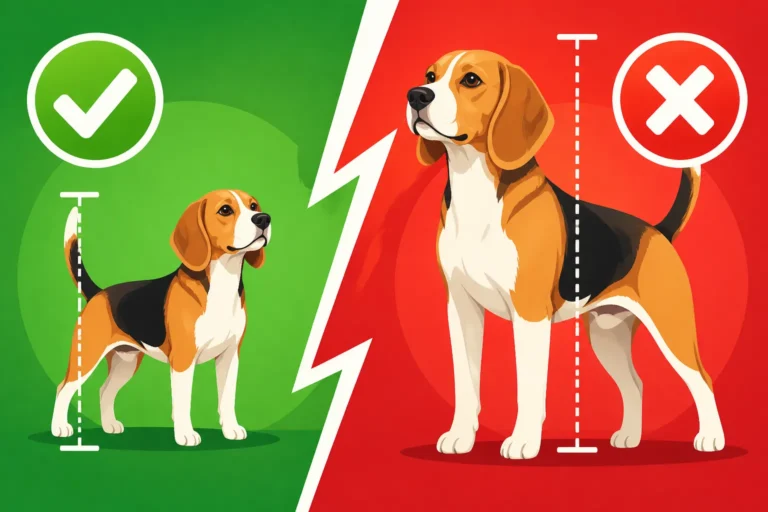
Beyond their nose and food drive, Beagles bring other qualities to the table. Their compact size (either the 13-inch or 15-inch variety) makes them easy to transport and manage in public spaces. They can comfortably fit under airplane seats or in small cars, and their smaller stature means they take up less space in crowded areas like grocery stores or doctor's offices. This is crucial for a service dog that needs to accompany its handler everywhere.
Furthermore, Beagles are generally friendly, social, and non-intimidating. This amiable temperament is a huge advantage for public access. People are less likely to be fearful or wary of a Beagle than they might be of a larger, more imposing breed. Their "merry" disposition, as often described in the breed standard, can also provide a great deal of emotional support and comfort to their handler, which is a vital, if often overlooked, aspect of living with a medical condition. While their famous baying can be a concern, Beagle Howling, Baying and Barking Explained details how this vocalization can be managed and sometimes even integrated into their alert behavior.
Types of Medical Alerts Beagles Can Be Trained For
The beauty of a Beagle's nose is its versatility. While some breeds might be naturally predisposed to certain tasks, a Beagle's keen sense of smell can be adapted to detect a wide array of subtle physiological changes that indicate an impending or current medical event. This adaptability makes them valuable partners for individuals managing diverse health challenges.
Diabetic Alert: Detecting Blood Sugar Swings
One of the most common and impactful roles for medical alert Beagles is in diabetic alert work. For individuals with diabetes, especially Type 1, sudden and drastic shifts in blood glucose levels can be life-threatening. A hypoglycemic (low blood sugar) event can lead to confusion, loss of consciousness, or seizures, while hyperglycemia (high blood sugar) can cause serious long-term complications. Traditional monitors are reactive, telling you what your sugar is now. A well-trained Beagle, however, can often provide a proactive warning.
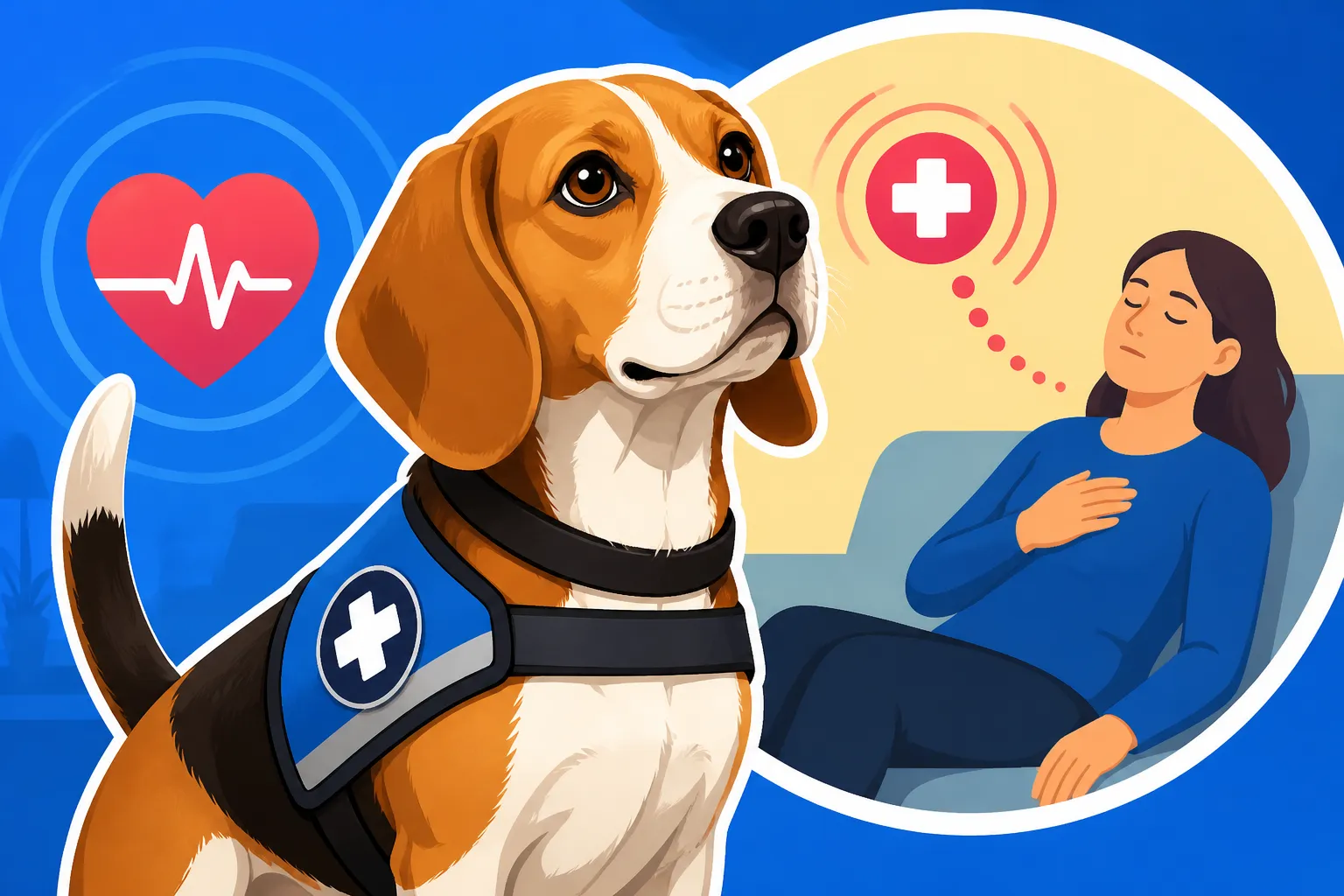
The human body releases specific odors when blood sugar levels begin to drop or rise significantly. For instance, isoprene, a naturally occurring hydrocarbon, has been associated with hypoglycemia, while acetone can be present on the breath during hyperglycemia. These are scents far too faint for humans to detect, but a Beagle can pick them up with remarkable accuracy. They are trained to alert their handler—perhaps by nudging a hand, pawing, or performing a specific "sit and stare"—when these changes occur. This early warning allows the individual to take corrective action, like consuming a sugary snack or administering insulin, before the situation becomes critical. Imagine the peace of mind knowing your furry companion, perhaps snuggled beside you after a satisfying meal from Chewy you carefully portioned out, is constantly monitoring your well-being.
Seizure Response and Potential Prediction
While "seizure prediction" is a complex and often debated topic in the service dog world, Beagles can be incredibly effective as seizure response dogs. Many dogs, including some Beagles, do display a change in behavior, like becoming agitated or trying to get their handler's attention, moments before a seizure. This pre-seizure behavior might be an intuitive response to subtle shifts in scent, changes in gait, or even tiny muscle tremors that we don't perceive.
More reliably, Beagles can be trained to perform crucial tasks during or immediately after a seizure. This could include fetching medication or a phone, activating a pre-programmed emergency alert device, or even lying protectively over their handler to prevent injury. For those who experience Beagle Epilepsy and Seizures From Six Months On in their own dogs, the concept of a dog assisting during such an event resonates deeply. The comfort and grounding presence of a loyal Beagle can also be invaluable during the disorienting post-seizure recovery period.
Allergen and Migraine Alerts
Beyond blood sugar and seizures, a Beagle's scenting prowess can be harnessed for other medical alerts:
- Allergen Detection: For individuals with severe allergies to specific foods (e.g., peanuts, gluten, dairy), a Beagle can be trained to sniff out trace amounts of these allergens in food, on surfaces, or even in the air. They learn to identify the specific odor molecules of the allergen and alert their handler, preventing accidental exposure that could lead to a life-threatening anaphylactic reaction. This is particularly challenging as it requires discrimination between many different food scents.
- Migraine and Pain Alerts: Some Beagles have shown an ability to detect the subtle physiological changes that precede a migraine attack or an escalation of chronic pain. Anecdotal reports suggest dogs may react to shifts in body chemistry that occur hours before a migraine's onset, allowing their handler to take preventive medication or move to a safe, quiet space. While harder to scientifically quantify, the bond between dog and owner allows for these often intuitive and profound forms of assistance.
The Training Process for a Beagle Medical Alert Dog
Training a Beagle to become a certified medical alert dog is a rigorous, multi-stage process that requires immense patience, consistency, and a deep understanding of canine behavior and scent work. It’s not simply about teaching basic obedience; it’s about honing a natural instinct into a life-saving skill.
Puppy Selection and Early Socialization
The journey often begins even before a puppy is born. Reputable breeders will carefully select breeding pairs with excellent health clearances and stable temperaments. For a medical alert dog, traits like moderate energy, intelligence, eagerness to please (yes, even a Beagle has this when motivated!), and a high drive for scent work are paramount. Once puppies are born, temperament testing helps identify those with the ideal disposition for service work—confident, resilient, and focused, but still friendly.
Early socialization is absolutely critical. A future medical alert dog needs to be exposed to a wide variety of sights, sounds, people, and environments from a young age. This helps them develop into well-adjusted adults who can remain calm and focused in bustling public settings. This includes everything from noisy city streets to crowded stores, ensuring they can perform their duties without being overwhelmed. A young Beagle puppy destined for service work will be introduced to different textures, sudden noises, and even gentle interactions with children and other animals, all in a controlled, positive manner.
Scent Imprint and Alert Behavior Training
This is where the magic of the Beagle's nose truly comes into play. Scent imprint training involves teaching the dog to recognize and discriminate specific medical odors. For diabetic alert dogs, trainers use samples of a person's sweat or saliva taken during a hypoglycemic or hyperglycemic event. These samples are extremely faint but contain the unique chemical signature the dog needs to learn.
The training typically starts with presenting the dog with the target scent in a controlled environment, rewarding them heavily every time they show interest or identify it. This is often done using a game-like approach, making it fun for the highly food-motivated Beagle. Over time, the dog learns to consistently identify the target odor even amidst many distracting scents.
Once the dog reliably identifies the scent, the next step is to train an "alert behavior." This is how the dog communicates to its handler that it has detected the target odor. Common alert behaviors include:
- Nose Nudge/Paw: Gently nudging or pawing at the handler's leg or hand.
- Sit and Stare: Sitting directly in front of the handler and staring intently.
- Retrieval: Fetching a specific item, like a medical kit or an emergency button.
The choice of alert behavior depends on the dog's natural tendencies and the handler's needs. The alert must be clear, consistent, and unobtrusive, especially in public. Reinforcing these behaviors with high-value treats and praise, perhaps from a bag of training kibble you got from Chewy, is key to solidifying the response.
Public Access and Advanced Obedience
A medical alert dog must be impeccably behaved in public. This means mastering advanced obedience commands far beyond "sit" and "stay." They must walk politely on a loose leash, remain calm in distracting environments, ignore dropped food, and tolerate being around strangers and other animals without reacting. Beagle Recall and Why Your Voice Stops Registering addresses their natural inclinations, which must be carefully managed in a working dog context.
Public access training involves gradually exposing the dog to increasingly challenging environments while reinforcing calm and focused behavior. This is where a Beagle's natural curiosity and exuberance can sometimes present a challenge, requiring dedicated training to channel their energy and focus. The goal is a dog that is "invisible" in public, performing its duties without drawing undue attention or causing disruption. While Beagles are naturally friendly, they must be taught that when their vest is on, they are "working" and not available for petting or play from strangers.
Living with a Beagle Medical Alert Dog
Bringing a medical alert Beagle into your life is a profound experience. It's not just getting a pet; it's welcoming a working partner, a furry guardian, and an extension of your medical management team. This partnership requires ongoing commitment, clear communication, and an understanding of the unique dynamics of having a service animal.
Daily Life Integration and Responsibilities
Integrating a medical alert Beagle into daily life means building routines that support both its working function and its needs as a happy, healthy dog. This involves consistent feeding schedules, regular exercise tailored to a Beagle's energy levels (which are considerable!), and dedicated time for play and mental stimulation. Remember, a working dog is still a dog! Sniffing walks where they can just be a Beagle and explore scents without a specific task are vital for their mental well-being, as explored in What a Beagle Experiences on a Scent Trail.
The handler takes on the primary responsibility for the dog's well-being, which includes grooming, health care, and providing all necessary supplies. Think about investing in quality food, comfortable bedding, and all those essential training aids. A reliable source like Chewy can be a godsend for these ongoing needs, ensuring you always have what your working Beagle requires. Beyond the practical, there's the emotional responsibility: acknowledging the deep bond that forms and trusting your Beagle with a critical role in your health management.
Ongoing Training and Skill Maintenance
Training for a medical alert Beagle is never truly "finished." The world is constantly changing, and a service dog needs to be adaptable. Ongoing training sessions are essential to keep their skills sharp, reinforce alert behaviors, and address any new challenges that arise. This might involve refresher scent work, practicing public access manners, or fine-tuning their response to new environments.
It's also important to regularly "test" their alert abilities in controlled settings to ensure they are maintaining accuracy. For diabetic alert dogs, this might involve discreetly introducing scent samples to see if they alert appropriately. Consistency is key; every time the dog performs its alert, it should be acknowledged and rewarded, reinforcing the importance of its work.
Public Perceptions and Legal Rights
Navigating the world with a service dog often means encountering varying levels of understanding and awareness from the public. While federal laws like the Americans with Disabilities Act (ADA) protect the rights of individuals with service animals to access public places, not everyone is familiar with these regulations. You might face questions, curious onlookers, or even inappropriate attempts to pet your working dog.
It's important for handlers to be prepared to calmly educate others about their rights and the role of their service dog. While the Beagle's friendly nature can be an asset, it can also lead people to assume it's just a pet, tempting them to interact. Maintaining your Beagle's "working dog" demeanor in public is paramount. This means ensuring they are focused on you and their task, not on receiving attention from strangers.
Common Misconceptions About Medical Alert Beagles
Despite their proven abilities, there are still some myths and misunderstandings surrounding Beagles in medical alert roles. Addressing these can help potential handlers and the public better appreciate these remarkable working dogs.
| Misconception | Reality |
|---|---|
| Beagles are too distracted by scent. | While their scent drive is powerful, it's channeled. Training teaches them to prioritize specific medical scents over environmental distractions, especially with high-value rewards. Training a Beagle Around 220 Million Scent Receptors is all about this. |
| They're too vocal to be service dogs. | Beagles are indeed vocal, but training focuses on managing inappropriate vocalization. Their bay can even be incorporated as a specific alert for some tasks, or simply managed to minimize disruption. |
| Any Beagle can be a medical alert dog. | Not all Beagles possess the right temperament or drive. Careful selection and professional training are crucial for success. Health, temperament, and scent drive must align. |
| Training is a one-time event. | Medical alert dogs require ongoing training, refresher courses, and consistent practice to maintain their life-saving skills throughout their Beagle Lifespan and the Twelve to Fifteen Year Range. |
| They predict every medical event. | While some dogs show predictive abilities, especially for seizures or migraines, for conditions like diabetes, they often detect physiological changes as they occur or just before symptoms appear, providing crucial early warning. |
Challenges and Rewards of a Working Beagle
Living with a medical alert Beagle comes with its own set of challenges, many of which stem from the very traits that make them so special. Their powerful nose means you'll need to be extra vigilant about Beagle Counter Surfing and Trash Raiding at home and scavenging on walks. Their strong prey drive means off-leash excursions are almost never an option unless in a securely fenced area. And yes, they can be vocal, so management of their Beagle Howling, Baying and Barking Explained is an ongoing task.
However, the rewards far outweigh these challenges. The independence, security, and peace of mind that a medical alert Beagle provides are immeasurable. They offer companionship, reducing feelings of isolation, and act as a constant, non-judgmental partner. For someone managing a chronic condition, the ability to anticipate a medical crisis, or to have crucial assistance during one, can be truly life-changing. A Beagle service dog isn't just a helper; it's a loyal friend who stands by you, nose to the ground, heart open, ready to serve.
Disclaimer
This article is for general informational purposes only and does not constitute professional advice. Laws, prices and regulations vary by location and change over time. Consult a qualified professional for guidance on your specific situation.