The British Beagle Packs Still Running Today
For many of us who love Beagles as our cherished family pets, the idea of them participating in a hunting pack might feel a little distant, perhaps even a bit old-fashioned. But across the British countryside, a long and deeply rooted tradition of "beagling" persists, where these incredible scent hounds continue to work as a pack, just as their ancestors have for centuries. This guide will take you through the fascinating world of these active British Beagle packs, exploring their history, their methods, and what it all means for the breed.
The Enduring Tradition of British Beagling
It's easy to look at our Beagles curled up on the couch, snoring contentedly, and forget their rich history as working dogs. But the truth is, Beagles were originally developed for hunting, specifically small game like hare and rabbit, and in the UK, that tradition has been carefully preserved by dedicated packs. These aren't just casual outings; they are organized, disciplined activities with a history stretching back hundreds of years.
Roots in the English Countryside
The lineage of the Beagle traces back centuries in England, evolving from various small hound types into the distinct breed we recognize today. The Beagle From English Rabbit Packs to American Homes touches on this, explaining how these dogs were bred specifically to hunt rabbits and hares. Unlike larger foxhounds, Beagles were ideal for hunting on foot, allowing followers (the human participants) to keep up without horses. This made beagling a more accessible sport for many, fostering a strong community around the packs. It wasn't just about the hunt itself; it was about the social gathering, the shared love of the hounds, and the connection to the land.
This tradition meant that many rural communities had their own local packs, passed down through generations. Families would dedicate their lives to breeding, training, and caring for these dogs, ensuring the continuation of specific lines known for their keen noses and strong working drive. The sound of a Beagle pack, baying in unison as they followed a scent, became an iconic part of the British rural soundscape, signifying a deep connection to the natural world and a way of life that values the instincts of these remarkable animals. It fostered a unique bond between the hounds and their human companions, built on mutual respect for their inherent abilities.
Beagling on Foot: A Different Kind of Hunt
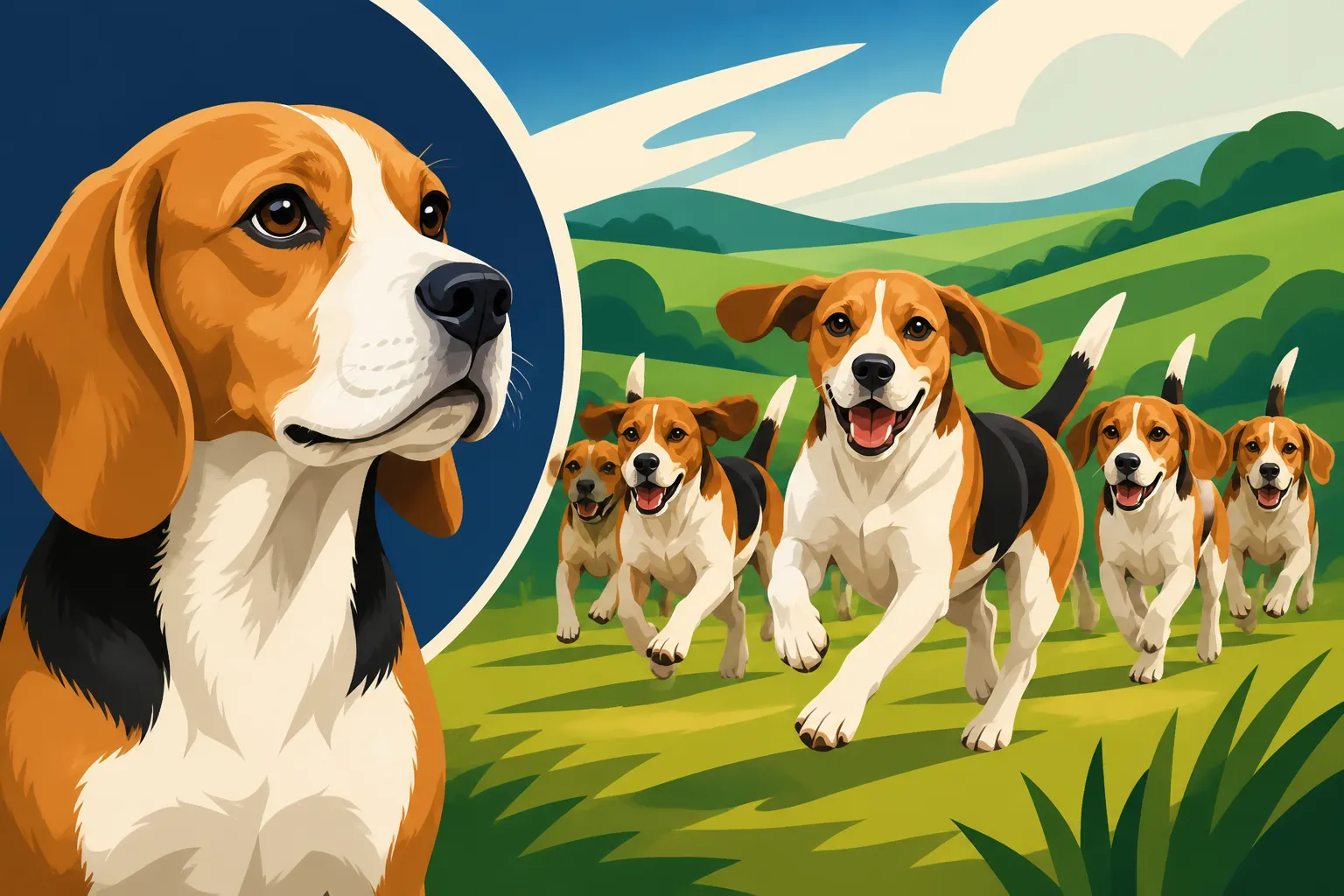
The term "beagling on foot" really sets this activity apart. Imagine a crisp morning, dew still clinging to the grass, and a group of enthusiasts following a pack of Beagles as they diligently work a scent trail. This isn't a high-speed chase; it's a much more deliberate, immersive experience. The pace is often a brisk walk, sometimes a jog, as the hounds lead the way through fields, hedgerows, and woodlands. It requires stamina from both the dogs and the followers. Beagling as a Sport Followed on Foot highlights this unique aspect, emphasizing the intimate connection to nature.
The human element is just as crucial as the canine one. There's a particular skill in understanding the hounds, reading their body language, and interpreting their various vocalizations. A handler, often called a huntsman or whippers-in, guides the pack using specific calls and horn signals, communicating with the dogs and the followers. It’s a dance between human direction and canine instinct, a collaborative effort to unravel the intricate tapestry of scent left by a hare. It's a sport that demands patience, observation, and a profound respect for the Beagle's incredible olfactory abilities.
The Role of the Hound in the Pack
For a Beagle in a working pack, life is all about scent. Their entire being is geared towards it. The 220 Million Receptors Behind a Beagle's Nose explains the sheer power of their sniffing apparatus. In a pack environment, individual Beagles work together, each contributing their nose to piece together the puzzle of a scent trail. It's a cooperative effort where the collective intelligence of the pack often succeeds where a single dog might fail. When one Beagle picks up a faint trace, its bay will alert the others, who then converge, amplifying the scent and confirming the direction.
This pack mentality is deeply ingrained in the breed. Beagles thrive on the camaraderie and shared purpose, finding immense satisfaction in doing what they were bred to do. Their characteristic bay, often described as musical or bell-like, isn't just noise; it's a form of communication, a running commentary on the scent trail. It lets the other hounds and the human followers know exactly what's happening. A well-trained pack moves as one unit, responding to the huntsman's signals and supporting each other in their shared pursuit. It’s a magnificent display of canine teamwork and instinct in its purest form.
How Modern Beagle Packs Operate Today
While rooted in tradition, modern British Beagle packs operate under specific rules and regulations, often adapted to contemporary sensibilities and legal frameworks. Their activities are structured, with clear roles for humans and dogs, all centered around the Beagle's extraordinary nose.
The Structure of a Hunt Club
Modern beagling operates through established hunt clubs, each with its own master (or masters), huntsman, whippers-in, and committee. These clubs are responsible for managing the pack, overseeing the hounds' care, organizing meets, and ensuring adherence to local laws and ethical guidelines. The master is usually the primary decision-maker, guiding the hunt and representing the club. The huntsman directly handles the hounds during a hunt, building a deep bond with each dog and understanding its individual quirks and strengths. The whippers-in assist the huntsman, helping to keep the pack together and turn hounds when necessary.
These clubs often have strict rules regarding conduct, land access, and animal welfare. They are communities in themselves, where members share a passion for Beagles and the traditional sport. Many club members contribute to the care and upkeep of the hounds, which can include feeding, exercising, and even helping with veterinary needs. This collective effort ensures the pack remains healthy, well-socialized, and ready to work. It’s a year-round commitment, not just a seasonal hobby, reflecting a profound dedication to the breed and the tradition.
Following the Scent: The Beagle's Natural Instinct
The core of beagling is allowing the Beagles to do what comes most naturally to them: follow a scent. Why a Beagle Walks With Its Nose to the Ground explains how their anatomy and instincts are perfectly adapted for ground-scenting. During a hunt, the pack is cast out in an area known to hold hares. They then spread out, noses to the ground, diligently working the cover to pick up a fresh scent. Once a scent is found, the lead Beagle will "speak," letting out a bay that signals the discovery. The other hounds quickly join in, confirming the line, and the chase is on.
The chase itself is a testament to the Beagle's endurance and determination. Hares are notoriously cunning, using turns, doubles, and even running through water to break a scent trail. The Beagles must rely on their collective intelligence and individual skill to unravel these challenges. The huntsman and followers observe this intricate process, appreciating the hounds' problem-solving abilities. It's a true intellectual exercise for the dogs, and a fascinating spectacle for those who understand the nuances of scent work. The sheer joy and focus a Beagle exhibits when on a hot trail is truly something to behold, confirming that this activity taps directly into their inherent drives.
The Legal Landscape and Shifting Practices
The practice of hunting with hounds in the UK has undergone significant changes, particularly with the introduction of the Hunting Act in 2004. This legislation banned the hunting of wild mammals with dogs, including hares with Beagles. However, it also included exemptions, allowing for certain activities like "trail hunting" and "flushing to a bird of prey." As a result, many traditional Beagle packs have adapted their activities to comply with the law.
Today, much of modern beagling falls under the umbrella of "trail hunting," where a pre-laid artificial scent is followed by the hounds, simulating a traditional hunt without actually pursuing a live animal. This allows the Beagles to exercise their natural instincts, work as a pack, and provides the followers with the enjoyment of the chase, all within legal boundaries. It requires careful planning and meticulous scent-laying to ensure the experience is as authentic as possible for the hounds. This adaptation allows the social, cultural, and canine aspects of beagling to continue, preserving a vital part of the British rural heritage while respecting contemporary animal welfare standards.
The Ethical Debates Surrounding Beagling
Like many traditional field sports involving animals, beagling has been the subject of considerable ethical debate. Understanding these different perspectives is key to appreciating the complex landscape surrounding these practices.
Animal Welfare Concerns
The primary concern raised by opponents of traditional hunting with Beagles revolves around animal welfare, particularly that of the hunted hare. Critics argue that the pursuit of a live animal by a pack of hounds constitutes unnecessary cruelty and stress. They highlight the fear and distress experienced by the hare, as well as the potential for injury or death if caught by the hounds. These concerns were central to the arguments for the Hunting Act of 2004.
Even with the shift to trail hunting, some animal welfare advocates remain wary, citing concerns about potential accidental encounters with live animals, or the belief that the practice still promotes a culture of hunting that could be detrimental to wildlife. The debate often centers on whether the enjoyment of the sport for humans and the fulfillment of the dogs' natural instincts outweigh the potential suffering of the prey animal. Advocates for the hunts emphasize the historical context, the minimal impact on wild populations, and the swiftness of any kill, contrasting it with other forms of wildlife management. It's a deeply emotional issue with passionate arguments on both sides.
Public Perception vs. Tradition
Public perception of hunting with hounds has shifted dramatically over recent decades, moving away from widespread acceptance towards increasing scrutiny and opposition, particularly in urban areas. For many, the idea of pursuing an animal with dogs feels outdated or inhumane. This changing perception has put immense pressure on traditional hunt clubs to justify their activities and adapt to new social norms. The iconic imagery of huntsmen in traditional attire can evoke both a sense of heritage and, for others, a symbol of privilege or insensitivity.
However, for those involved in beagling, it's a cherished tradition, a link to their ancestors, and a way of life that celebrates rural skills and the natural world. They often view their activities as a form of active conservation, fostering an understanding of wildlife and managing local populations. The social aspect, the community ties, and the deep love for their hounds are central to their participation. The challenge for these traditional groups is to bridge the gap between their deeply held values and a rapidly evolving public understanding of animal rights and environmental ethics.
Conservation and Land Use
A less discussed aspect of beagling, but one that proponents often highlight, is its connection to conservation and responsible land use. Hunt clubs, through their presence and activities, often act as stewards of the land they hunt over. This can involve maintaining bridleways, clearing overgrown areas, and fostering relationships with landowners. In some cases, packs are credited with helping to manage hare populations, although the extent of this impact is often debated.
Furthermore, the existence of hunt clubs can indirectly contribute to the preservation of rural landscapes and practices. The financial contributions and volunteer efforts of members can support local economies and maintain aspects of the countryside that might otherwise decline. The knowledge passed down through generations about local wildlife, habitat, and tracking skills is also a form of cultural conservation. Opponents, however, might argue that these benefits do not justify the pursuit of animals, and that conservation efforts should focus on non-invasive methods. The discussion around beagling is therefore not just about hunting, but also about the complex interplay of human activity, animal populations, and the health of rural ecosystems.
What It Means for the Beagle Breed
The continued existence of working Beagle packs in Britain has significant implications for the breed as a whole, influencing genetics, temperament, and the very definition of what a Beagle is.
Maintaining Working Lines
The most direct impact of ongoing beagling is the preservation of working Beagle lines. While many Beagles in homes today are bred primarily for companionship, pet homes, or show, packs in the UK specifically breed for traits essential to hunting: superior scenting ability, stamina, pack compatibility, and a strong, unshakeable drive. These working lines often have a slightly different build and temperament than their show-bred counterparts, typically being leaner, more athletic, and possessing an even more intense focus on scent.
Breeders involved in working packs meticulously select breeding pairs based on their performance in the field, ensuring that the critical instincts and physical capabilities are passed down. This ongoing selection pressure helps to maintain the genetic diversity within the breed, preventing the loss of these fundamental working traits. It means that the foundational essence of the Beagle, its historical purpose, continues to be embodied by active dogs, contributing to the overall robustness and authenticity of the breed's genetic pool.
Temperament Differences in Field Beagles
While all Beagles share a common ancestry and many core personality traits, there can be subtle but distinct temperament differences between a Beagle from a working line and one bred strictly for pets. A field-bred Beagle will typically possess an even higher prey drive, an insatiable curiosity for scent, and potentially a more independent nature when on a trail. They are bred to be persistent and focused, often to the exclusion of other stimuli, which can sometimes manifest as "selective hearing" to a pet owner. Training a Beagle Around 220 Million Scent Receptors touches on how challenging this focus can be for pet owners.
This intense drive means that a working Beagle thrives on having a "job" to do. Without sufficient mental and physical stimulation, especially scent work, they can become bored, destructive, or vocal. They require significant exercise and opportunities to use their nose, whether through actual hunting, Scent Work as the Job a Beagle Was Built For or extensive Sniffing Walks and Why They Tire a Beagle Out. Owners of pet Beagles from working lines often find that providing these outlets is crucial for a happy, well-adjusted dog.
The Genetic Contribution to the Breed
The dedicated breeding programs of British Beagle packs serve as a vital genetic reservoir for the entire breed. By maintaining healthy, robust working lines, they help ensure that the original instincts and physical characteristics that define the Beagle are not lost over time. Even if an individual Beagle from a working line never hunts, its genetic heritage contributes to the overall health and behavioral integrity of the breed. This is especially important for preserving the breed's famed nose and endurance.
Consider the role of reputable breeders who understand the full spectrum of Beagle capabilities, from the show ring to the field. Many will seek to balance desired physical traits with sound working temperament, drawing from both types of lines. For those looking to understand the full genetic makeup of a Beagle, or even those considering a more active, scent-focused companion, the history and current practices of British Beagle packs offer invaluable insight into what makes this breed so unique and enduring.
Here's a quick comparison of the focus areas for different types of Beagle breeding:
| Aspect | Working/Field Beagle Focus | Pet/Show Beagle Focus |
|---|---|---|
| Primary Goal | Maximize scent drive, endurance, pack cooperation, hunting instinct | Conform to breed standard (looks), companion temperament, health |
| Key Traits | High prey drive, intense scent focus, stamina, independent problem-solving on trail | Affectionate, adaptable, good with families, biddable, moderate energy |
| Physical Build | Often leaner, more athletic, less emphasis on extreme aesthetics | Often more robust bone, specific head/ear set for show ring, compact |
| Exercise Needs | Very high, requires extensive scent work and physical activity | Moderate to high, needs regular walks and mental enrichment |
| Training Emphasis | Recall despite distraction, pack manners, scent discrimination | Basic obedience, house training, socialization, impulse control |
| Temperament Impact | More prone to "nose blind" to owner, persistent, driven | Generally more eager to please, attentive to human interaction |
If you're looking for ways to engage your Beagle's natural scent drive, even if they're a couch potato, resources like Chewy offer a fantastic array of puzzle toys, snuffle mats, and durable long lines for safe scent walks. These tools can help mimic the mental stimulation a working Beagle gets from a day in the field. When it comes to managing the diet of an active Beagle, Feeding a Beagle That Would Happily Eat All Day is a great resource, as is considering high-quality dog food options available from retailers like Chewy.
The legacy of British Beagle packs is a living testament to the breed's incredible capabilities and the deep-seated human connection to these remarkable scent hounds. It reminds us that our Beagles, no matter how spoiled they are on our sofas, carry within them the heart and soul of a working hunter.
Disclaimer
This article is for general informational purposes only and does not constitute professional advice. Laws, prices and regulations vary by location and change over time. Consult a qualified professional for guidance on your specific situation.