Beagling as a Sport Followed on Foot
It's easy to picture the glamorous image of mounted fox hunts, riders in red coats galloping across fields. But for many Beagle enthusiasts and followers of traditional hound sports, that image misses the true, grassroots spirit of the chase. The reality is, a significant and deeply cherished form of hunting with hounds, known as beagling, has always been an activity performed entirely on foot, blending the thrill of the hunt with a more accessible, intimate connection to the hounds and the landscape. This guide will delve into the world of beagling on foot, exploring its history, what makes Beagles uniquely suited for it, the experience for participants, and its place in the modern world.
Understanding the Tradition of Beagling on Foot
Imagine a group of people, dressed for the elements, walking through fields and woods, listening intently to the melodic "music" of a pack of hounds. This isn't just a casual stroll; it's beagling on foot, a time-honored sport that has shaped the Beagle breed and provided generations with a unique outdoor experience. Unlike the grand spectacle of mounted hunts, beagling on foot emphasizes camaraderie, a deep appreciation for the hounds' work, and a slower, more deliberate pursuit that connects participants directly to the chase.
What "Foot Hunting" Truly Means
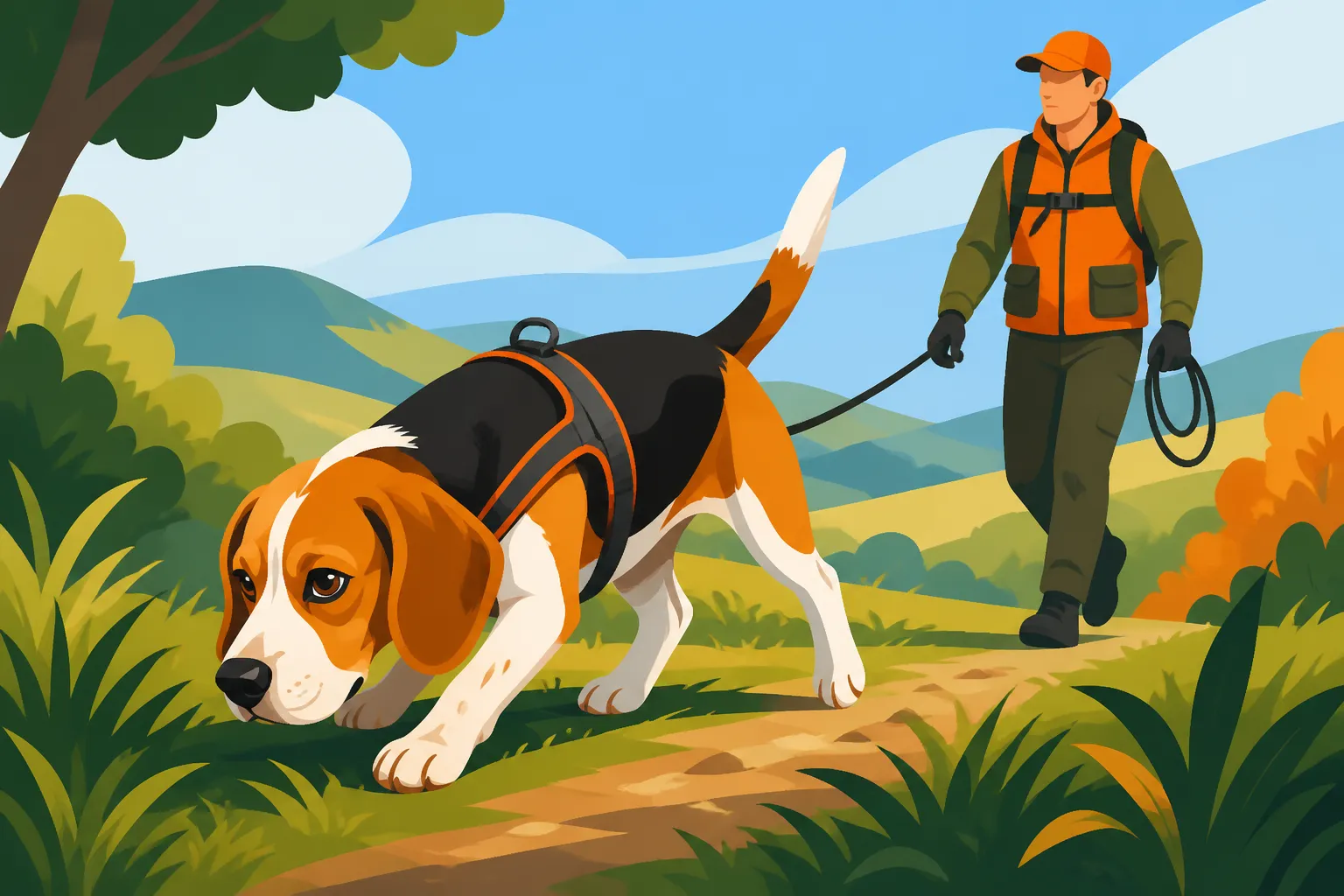
At its heart, "foot hunting" with Beagles means exactly what it sounds like: all participants, from the hunt master to the followers, are on their feet, traversing the terrain alongside the hounds. There are no horses involved. This fundamentally changes the nature of the hunt. The pace is dictated by the hounds’ working speed and the terrain itself, which is typically much slower than a mounted chase. Beagles are bred to methodically follow a scent trail, often of a rabbit or hare, which is precisely what the foot followers do. They observe the hounds, listen to their distinct baying, and attempt to keep pace as the pack unravels the scent puzzle. It's a sport that requires endurance, keen observation, and an understanding of hound work. The entire experience revolves around the natural instincts of the Beagles and the ability of humans to interpret and follow their efforts. It’s an active engagement, not just a spectator sport, and often brings a sense of accomplishment in simply keeping up and witnessing the hounds perform their genetic destiny.
The Historical Roots of Beagling Packs
The tradition of beagling stretches back centuries, with small hounds like the Beagle being instrumental in hunting small game long before mounted fox hunting became prevalent. Beagles, or their ancestors, were specifically developed for hunting hare and rabbit, What a Beagle Was Originally Bred to Hunt, critters that tend to run in circles or stay within a smaller territory, making them perfect game for a foot pack. Early beagling packs, particularly in England, were often maintained by farmers and local communities who couldn't afford horses but still desired the sport and the utility of pest control. These packs were followed on foot, with participants often needing to navigate hedgerows, ditches, and uneven ground. The slower pace allowed for a more detailed observation of the hounds' incredible scenting abilities and the intricate dance of the chase. Historical accounts from the 17th and 18th centuries detail how these "foot packs" would work a scent, with the hunters following closely, listening to the unique "music" of the hounds. The Beagle From English Rabbit Packs to American Homes This tradition has continued remarkably unchanged in many areas, a testament to its enduring appeal and the fundamental effectiveness of the Beagle as a foot-hunting dog. It wasn't about the kill for many, but the intricate process of the chase itself, the skill of the hounds, and the social aspect of a community engaged in a shared outdoor pursuit.
The Beagle's Unique Role in Foot Hunts
The very essence of beagling on foot is deeply intertwined with the Beagle's innate characteristics. These aren't just any dogs; they are finely tuned scenting machines with a specific set of physical and behavioral traits that make them perfectly suited for this particular sport. Understanding these qualities is key to appreciating why Beagles are the undisputed stars of foot hunting.
The Scent-Driven Pursuit and the "Music" of the Pack
Beagles possess an extraordinary sense of smell, with around 220 million scent receptors, making them masters of ground-scenting. When on a hunt, a Beagle's nose is constantly glued to the ground, meticulously unraveling the invisible thread of a scent trail. This intense focus is often mistaken for stubbornness by pet owners, but in a hunting context, it's their greatest asset. Why a Beagle Ignores You Halfway Down a Trail They don't rely on sight or air scenting like some other hounds; their strength is in tracking every twist and turn the quarry makes on the ground. This deliberate, nose-down approach is ideal for foot hunting, as it naturally sets a pace that humans can keep up with.
As the Beagles work, they communicate their progress through their distinctive vocalizations – their "music." There's a particular bay that signals they're on a hot trail, a different note when they've "checked" (lost the scent temporarily), and an excited burst of sound when they've "recovered" it. What a Beagle Bay Actually Sounds Like For the foot beagler, learning to interpret this symphony is crucial. It tells them where the hounds are, what they're doing, and whether the chase is heating up or cooling down. This vocal communication allows the followers to anticipate the hounds' movements, even when they are out of sight in dense cover. It's an immersive experience where sound becomes the primary guide, deepening the connection between human and hound.
Why a Smaller Hound Suits the Human Pace
One of the most defining characteristics of the Beagle is its size. Both the 13-inch and 15-inch varieties are compact, sturdy, and built for endurance rather than speed. This smaller stature is precisely why Why Hare Hunting Needed a Small Hound became the preferred choice for foot packs. Larger hounds, like Foxhounds or Harriers, are faster and require horses to follow effectively. Beagles, however, are perfectly suited to maintaining a sustained, steady pace that a fit human can match over several hours.
Their compact build allows them to navigate dense underbrush, squeeze through gaps in fences, and work in areas where larger dogs might struggle. This agility, combined with their unwavering focus on scent, means they can relentlessly pursue game through varied terrain without outstripping their human companions. The human element of beagling on foot is as much about physical endurance as it is about observation. The smaller size of the Beagle ensures that the sport remains accessible and engaging for those who wish to participate directly in the chase, rather than just observing from a distance. It's this perfect marriage of the Beagle's natural abilities and its physical dimensions that makes beagling on foot such an enduring and unique sport.
The Practicalities and Experience of Following the Hounds
Deciding to join a beagling pack or even just observe a hunt is a truly unique way to experience the outdoors and witness the incredible working ability of Beagles. But it's not simply a walk in the park; it requires preparation, understanding, and respect for the tradition and the animals involved.
Essential Gear for the Foot Beagler
When you're out following a pack of Beagles across fields, through woods, and over fences, being properly equipped makes all the difference. Comfort and practicality are paramount.
First and foremost, sturdy, waterproof boots are absolutely essential. You'll be covering miles over uneven, potentially muddy, and wet terrain. Blisters are a definite chase-killer! Many seasoned beaglers favor ankle-supporting hiking boots, while others might opt for knee-high rubber boots in particularly wet conditions.
Next, weather-appropriate clothing is crucial. Layers are your friend, as you'll warm up quickly once the hounds are on a line, but may cool down during checks or breaks. Think breathable, durable fabrics that can withstand thorns and brambles. Many traditional hunts still have specific dress codes, often earth-toned jackets or formal tweed, but for most casual or private foot packs, practical outdoor wear is perfectly acceptable.
A small backpack is invaluable for carrying essentials like water, snacks, a basic first-aid kit (for yourself and perhaps a hound, though the hunt staff will have comprehensive supplies), and maybe a spare pair of socks. For the safety of your own dog, if you're bringing a pet (which usually isn't done on a formal hunt, but if observing casually), having a durable leash and a GPS tracker can be helpful. Products you might find on Chewy, like a sturdy Ruffwear Web Master Harness or a durable long line, could be good for training your own Beagle for endurance walks, though formal beagling usually involves specific equipment managed by the hunt.
Finally, a hunting horn (if you're part of the hunt staff or invited to carry one) is used to communicate with the hounds and other members of the pack. Even as a follower, a good pair of binoculars can enhance the experience, allowing you to observe the hounds' work from a slight distance.
The Camaraderie and Challenge of the Chase
The experience of beagling on foot is truly multi-faceted. It's physically demanding, often requiring hours of walking, sometimes at a brisk pace, over challenging landscapes. You'll be climbing hills, jumping ditches, and navigating dense cover. But it's also incredibly rewarding.
One of the most striking aspects is the camaraderie. Beagling packs are often tight-knit communities, sharing a common passion for the hounds and the sport. There's a strong sense of teamwork, with everyone working together to assist the hounds, whether by opening gates, guiding them across roads, or simply encouraging them with shouts of "Hark to them!" This shared effort builds strong bonds among participants, creating an atmosphere of mutual respect and enjoyment.
The challenge lies in several areas:
- Physical Endurance: Keeping up with an active pack for several hours requires a reasonable level of fitness.
- Reading the Hounds: Learning to understand the nuances of the Beagles' "music" and body language is a skill that develops over time, enhancing your connection to the chase.
- Navigating Terrain: Being able to move efficiently and safely through varied landscapes, sometimes without clear paths, is part of the adventure.
Many find the immersive nature of beagling on foot deeply satisfying. It's a chance to disconnect from the modern world, engage with nature, and witness animals performing their natural, instinct-driven work. The sound of the pack, the crisp air, and the thrill of the chase create an unforgettable sensory experience. It's a sport that celebrates tradition, skill, and the remarkable abilities of the Beagle.
Caring for an Active Hunting Beagle
For Beagles involved in regular hunting activities, their care needs are amplified compared to a typical house pet. These dogs are athletes, and their bodies and minds are pushed to their limits, so proper care is paramount to their health and longevity.
Nutrition is critically important. A hunting Beagle expends a tremendous amount of energy, far more than a sedentary companion dog. They need a high-quality diet specifically formulated for active working dogs, rich in protein and healthy fats to support muscle maintenance and sustained energy release. Portion control is still important to prevent obesity, but the caloric intake will be significantly higher. The Daily Calorie Target for a Twenty Pound Beagle Consulting with a vet or a canine nutritionist is essential to ensure they are receiving adequate fuel for their demanding work. Many specialized dog food brands or even some available on Chewy offer performance formulas designed for active breeds.
Foot and paw care is another vital consideration. A Beagle's paws take a beating over varied terrain, from rocky paths to muddy fields. Regular checks for cuts, punctures, or excessive wear are necessary. Paw balms can help toughen and protect pads, and some owners opt for protective booties in extreme conditions. After a hunt, a thorough cleaning of the paws helps prevent infection and removes any burrs or thorns. Beagle Paw Care After a Field Walk
Recovery and rest are just as important as the activity itself. After a long day in the field, a hunting Beagle needs a comfortable, warm place to rest. They should have access to fresh water and a nutritious meal. Muscle soreness can occur, just like in human athletes, so gentle massage or warm compresses might be beneficial. Regular veterinary check-ups are also crucial to monitor their overall health, joint integrity, and ensure they are up-to-date on all vaccinations and parasite prevention. Year-Round Parasite Prevention for a Beagle The goal is to keep these dedicated workers healthy, happy, and ready for their next pursuit.
Modern Perspectives and Ethical Considerations
While rooted in deep history, beagling on foot continues to evolve, facing new challenges and adapting to modern sensibilities. Its practice today often reflects a blend of tradition, a passion for hound work, and a growing emphasis on conservation and ethical considerations.
Beagling Today: Conservation and Sport
In many regions, particularly the United Kingdom and parts of the United States, beagling on foot remains a thriving sport, albeit with some significant changes compared to historical practices. The focus has largely shifted from the terminal outcome of the chase (i.e., killing the quarry) to the skill of the hounds and the enjoyment of following their work. Many modern packs participate in "trail hunting" or "drag hunting," where an artificial scent is laid, allowing the Beagles to perform their natural abilities without pursuing live quarry. This allows the sport to continue in areas where live hunting might be prohibited or undesirable, The British Beagle Packs Still Running Today and it ensures a controlled environment.
For packs that still pursue live game, there's often a strong emphasis on responsible wildlife management and conservation. Landowners and hunt masters work to ensure healthy populations of rabbits and hares, recognizing that the sport depends on a thriving ecosystem. Beagling can be seen as a form of active land management, helping to monitor and manage small game populations. Furthermore, many participants are deeply invested in land preservation, recognizing that open spaces are vital not just for hunting but for all wildlife. Beagle Hunting Licenses and Rabbit Seasons The sport inherently connects people to the land, fostering an appreciation for natural habitats. Organizations like the National Beagle Club of America also provide guidelines and support for ethical beagling practices, emphasizing sportsmanship and the well-being of the hounds.
Distinguishing Foot Beagling from Mounted Hunts
It's important to understand that beagling on foot is fundamentally different from the more widely known mounted fox hunting. While both involve packs of hounds, the distinctions are significant:
| Feature | Beagling on Foot | Mounted Fox Hunting |
|---|---|---|
| Participants | All on foot | Riders on horseback |
| Pace | Slower, deliberate, dictated by hound scenting | Fast, galloping, covering large distances quickly |
| Quarry | Typically rabbit or hare | Typically fox |
| Terrain | Often dense cover, smaller fields, varied ground | Open countryside, fields, woods, larger territories |
| Focus | Intimate observation of hound work, camaraderie | High-speed chase, equestrian skill, covering vast ground |
| Accessibility | More accessible, lower cost (no horse ownership) | Less accessible, higher cost (requires horses, gear) |
This table highlights why foot beagling appeals to a different demographic and offers a distinct experience. Without horses, the interaction between human and hound is more direct and personal. The slower pace allows for a deeper appreciation of the Beagles' incredible scenting prowess and their vocalizations. It's less about the grand spectacle and more about the raw, visceral experience of nature and the working dog. The sport emphasizes the inherent ability of the Beagle to track and puzzle out a trail, providing a truly immersive outdoor activity that honors the breed's origins. While there might be elements of both sports focused on the chase, the entire atmosphere and practicalities of beagling on foot set it apart as a unique and cherished tradition.
Disclaimer
This article is for general informational purposes only and does not constitute professional advice. Laws, prices and regulations vary by location and change over time. Consult a qualified professional for guidance on your specific situation.