The Beagle Against Other Scent Hounds
Deciding to bring a scent hound into your life is a big step, and it often means wrestling with a common question: what's the real difference between a Beagle and all those other wonderful dogs who live by their nose? Many people are drawn to the Beagle's charming looks and reputation, but quickly realize there's a whole world of hounds out there, each with their own quirks and needs. This guide will help you understand where the Beagle truly stands among its scent-driven relatives, so you can make an informed choice that brings joy to both you and your future companion.
The Beagle's Unique Scenting Style Compared to Other Hounds
When you talk about scent hounds, you're talking about a group of dogs built from the ground up to follow a trail. But even within this specialized group, there's a fascinating diversity in how they actually go about their business. Beagles have a very distinct method that sets them apart from many of their cousins.
Ground Scenting Versus Air Scenting
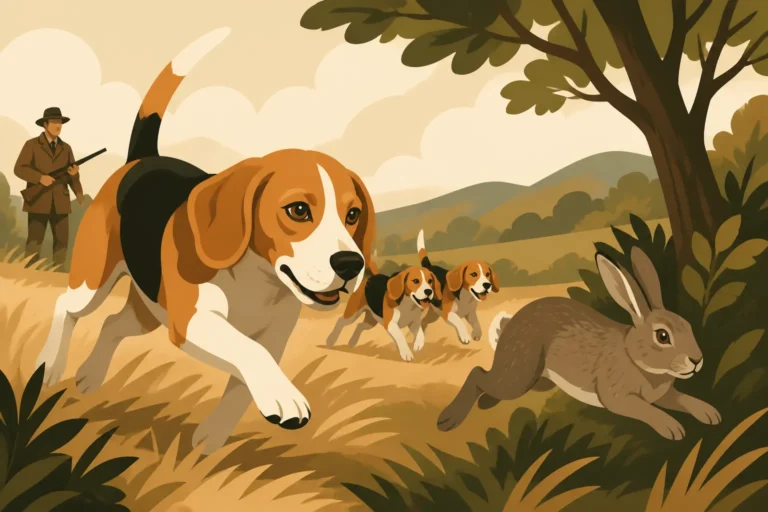
Most scent hounds are either primarily ground-scenters or a mix of ground and air-scenters. A Beagle is, first and foremost, a ground-scenting expert. Their long, pendulous ears actually help sweep scents from the ground towards their nose, enhancing their ability to pick up and analyze subtle odors. When a Beagle is on a trail, its nose is practically glued to the earth, meticulously following every twist and turn of a scent left by a rabbit or other small game. They process these odors with an intensity that can make them seem oblivious to the world around them. You can dive deeper into this fascinating ability by reading about The 220 Million Receptors Behind a Beagle's Nose.
Compare this to, say, some of the larger Foxhounds or even certain Coonhounds, which might employ more "air-scenting." These breeds are often bred to pick up scent particles suspended in the air, allowing them to follow a trail at a faster pace, with their heads held higher. While a Beagle can certainly get a whiff of something in the air, their true mastery lies in dissecting the complex layers of ground scent. This difference in primary scenting style dictates much about their behavior on a walk – a Beagle will often drag you from bush to bush, a methodical investigator, while another hound might sweep a field with its head up, covering more ground broadly.
The Beagle's Focus and Persistence on a Trail
If there's one word to describe a Beagle on a scent trail, it's persistence. They were bred for hundreds of years to follow a scent until they found their quarry, often as part of a pack, for hours on end. This isn't a dog that gives up easily. Once a Beagle locks onto a scent, especially one of high value like a rabbit, they become incredibly absorbed. It's not stubbornness in the human sense; it's an intense, instinctual focus that overrides almost everything else.
This relentless drive means that when a Beagle is engaged, verbal commands often become irrelevant. Their brain is literally rewired to prioritize the scent information. This can be incredibly frustrating for an owner trying to get them to come back from the edge of the woods. Other scent hounds, like the Basset Hound, share this persistence but often at a slower, more deliberate pace. Larger, faster hounds might cover ground more quickly, but a Beagle's determination to unravel every thread of a scent is truly legendary. This unshakeable focus is why a Beagle will ignore you halfway down a trail, and why training for reliable recall is an ongoing journey.
Temperament and Personality: Beagles Versus Their Scent Hound Cousins
Beyond their incredible noses, the temperament of a Beagle is often what truly endears them to families. They are known for a specific kind of cheerful disposition, which stands in contrast to the more reserved or singularly driven nature of some other hounds.
The Merry Temperament: Beagle Sociability and Affection
Beagles are often described as "merry hounds," and it’s a designation they live up to. They are typically good-natured, outgoing, and thrive on companionship, whether it's with their human family or other dogs. This sociability stems from their history as pack hounds, where they worked and lived closely with other Beagles. They tend to be very affectionate and love to be involved in family activities, often seeking out attention and a good cuddle session on the couch. This makes them wonderful family pets for those who want an interactive companion. You can learn more about this by reading Beagle Temperament and Why the Breed Suits Families.
In contrast, some of their larger scent hound relatives, like the American or English Foxhound, might be more independent or less overtly affectionate with their human family. While they can certainly be loving, their primary drive is often focused on the hunt or their working purpose, and they may not seek out human physical affection with the same intensity as a Beagle. Even other small scent hounds, like certain types of Dachshunds, can be quite independent and sometimes even a bit aloof with strangers, preferring the company of their chosen few. Beagles, on the other hand, are often quite pleased to meet new people and dogs, generally greeting them with a wagging tail and a hopeful sniff.
Independence and Stubbornness in Scent Hounds
While Beagles are undeniably friendly, that doesn't mean they're always easy to manage. They possess a healthy dose of hound independence, which can often be perceived as stubbornness. When that nose hits the ground, or when they've got their mind set on a particular activity (often food-related!), their ears can seemingly turn off. They make their own decisions based on what their powerful nose is telling them, and convincing them otherwise requires patience, consistency, and often, high-value treats.
This independent streak is a common trait among many scent hounds. Basset Hounds, with their equally formidable noses, are also renowned for their stubborn nature. They'll follow a trail at their own pace, seemingly unfazed by calls or attempts to redirect them. Coonhounds, while often very devoted to their owners, can also exhibit a strong independent drive, especially when their working instincts kick in. Understanding this inherent trait is crucial for any potential scent hound owner. It's not about being disobedient out of spite; it's about being profoundly driven by instincts that have been bred into them for generations. It means your training methods need to be smart, engaging, and always more rewarding than the scent they're chasing.
Exercise and Activity Needs: How Beagles Stack Up
Every dog needs exercise, but for a scent hound, it's not just about physical exertion; it's about mental stimulation that engages their primary sense. Beagles have a particular set of exercise requirements that differ from both high-energy sight hounds and more sedentary breeds.
Daily Exercise and Mental Stimulation for a Beagle
Beagles are deceptively energetic dogs for their size. While they might look like lazy couch potatoes when they're curled up, they need a significant amount of daily exercise to stay happy and healthy. This isn't just a quick potter around the block; it means vigorous walks, opportunities for off-leash (in a secure area!) running, and most importantly, plenty of time to explore with their nose. A short, fast run might tire out a sight hound, but a Beagle often needs a long, meandering walk where they can sniff to their heart's content. These "sniffing walks" are mentally exhausting for them because they're processing so much information.
Many other scent hounds also require considerable exercise, but the type of exercise can vary. Foxhounds and Harriers, for example, need vast amounts of open space to run and would struggle immensely in a small urban yard. Basset Hounds, while also persistent trailers, are much lower-energy than Beagles and are often content with a couple of moderate walks a day, though they'll never turn down a good sniff. If you're looking for a dog that needs to run alongside you for miles every day, a Beagle can do it, but they'd probably prefer a long, investigative hike. It’s important to remember that physical exercise without mental stimulation for a Beagle can lead to frustration and destructive behaviors. You can find more detail on this in Beagle Exercise Needs at Every Age.
The Drive for Scent Work in the Home
Because their world is primarily scent-driven, Beagles absolutely thrive on activities that engage their noses, even indoors. This isn't just a "nice-to-have"; it's often a necessity for their well-being. Puzzle feeders, snuffle mats, and hiding treats around the house for them to find are excellent ways to provide mental enrichment, especially on rainy days or when outdoor exercise is limited. These activities tap into their natural hunting instincts in a safe and appropriate way.
Many scent hounds benefit from similar activities. Coonhounds, with their strong tracking abilities, often excel at formal scent work or tracking sports. Bloodhounds, the ultimate scenting machines, require extensive opportunities to use their noses in a structured way to prevent boredom and behavioral issues. Even small scent hounds like Dachshunds enjoy a good puzzle toy. For a Beagle, this isn't just a game; it's often their "job" and can be incredibly satisfying for them. It burns mental energy and keeps their sharp minds engaged. Brands like Chewy offer a wide variety of puzzle toys and snuffle mats specifically designed to challenge a dog's nose, which can be invaluable for a Beagle owner.
Grooming and Health Considerations Across Scent Hounds
While Beagles might seem fairly low-maintenance, there are specific grooming and health needs tied to their breed type, especially concerning their unique features. Understanding these can help you prepare for ownership, especially when comparing them to other hounds.
Coat Maintenance and Shedding Patterns
Beagles have a short, dense, double coat that requires relatively little fuss compared to long-haired breeds. However, "little fuss" doesn't mean "no fuss." They do shed, and often quite a bit, particularly seasonally. Regular brushing, at least once or twice a week, is essential to remove loose hair, distribute natural oils, and keep their coat healthy and shiny. During peak shedding seasons (typically spring and fall), you might find yourself brushing daily to manage the dog hair around your home. You can learn more about this by reading Beagle Shedding and the Two Coats Underneath.
In comparison, other scent hounds can have a wider range of coat types. Basset Hounds also have a short, dense coat and similar shedding patterns. Some Coonhounds or Foxhounds might have slightly coarser coats, while others, like certain Plott Hounds, can have a more wiry or even slightly longer coat that may require different brushing tools. Even within the Dachshund family, you have smooth, long-haired, and wire-haired varieties, each with distinct grooming needs. The key takeaway for Beagles is that while professional grooming isn't typically necessary, consistent home brushing is a must to keep their coat healthy and minimize shedding. Investing in a good deshedding brush from a retailer like Chewy can make a world of difference.
Ear Care and Common Scent Hound Ailments
Perhaps the most critical grooming and health consideration for a Beagle, and many other scent hounds, involves their ears. Those long, floppy ears, so charming and iconic, unfortunately create a perfect environment for moisture and bacteria to thrive, leading to frequent ear infections. Regular cleaning, at least once a week, is vital to prevent these uncomfortable and sometimes painful issues. Owners need to be diligent about checking for redness, odor, or discharge. This is an ongoing responsibility that can’t be overlooked. Find out more about this crucial task in Beagle Ear Cleaning as a Weekly Job.
Many other scent hounds with similar ear structures, such as Basset Hounds, Bloodhounds, and certain Spaniels (which share some scenting heritage), face the exact same challenge. Their long ear flaps restrict airflow, making them prone to infections. In contrast, scent hounds with prick ears or shorter, less pendulous ears might have fewer issues, though they are not immune. Beyond ear infections, Beagles can be prone to specific health issues like hypothyroidism and intervertebral disc disease (IVDD) due to their slightly longer backs. While IVDD is more notoriously associated with Dachshunds, Beagles are not exempt. It's crucial for any potential scent hound owner to research the breed's specific health predispositions and budget for regular vet check-ups.
Living Environment and Adaptability: Is a Beagle Right for Your Home?
Choosing a dog means honestly assessing your living situation. Beagles have certain needs that make them better suited for some environments than others, and comparing these to other scent hounds can highlight important distinctions.
Apartment Living and Noise Concerns
Can a Beagle live in an apartment? Technically, yes, if their exercise and mental stimulation needs are met daily. However, there's a significant caveat: their vocalizations. Beagles are hounds, and hounds bay. This isn't just a regular bark; it's a deep, mournful, and surprisingly loud vocalization bred into them for generations to alert hunters to the location of game. When a Beagle bays, it carries. A single Beagle can be quite noisy, and two Beagles can amplify the sound considerably. This can be a major issue for neighbors in close quarters like apartments or townhouses.
Many other scent hounds share this trait. Basset Hounds have an incredibly deep, resonant bay that can be equally disruptive. Coonhounds are also renowned for their distinctive "hound music," which can be a joy to a hunter but a nightmare in a suburban backyard. While some dogs are perfectly quiet apartment dwellers, a Beagle typically is not, and it’s important to manage realistic expectations around Beagle Howling, Baying and Barking Explained. If peace and quiet are paramount in your living situation, you might find a Beagle's natural vocal tendencies challenging, whereas some other dog breeds, even certain smaller ones, might be more suitable.
Fencing and Containment for the Escape Artist
This is perhaps the most critical difference between Beagles and many other breeds. Beagles are master escape artists, and a securely fenced yard isn't just a convenience; it's a non-negotiable safety requirement. Their keen noses will lead them on adventures, and once they've picked up a compelling scent, they become singularly focused on following it, often completely ignoring property lines or verbal commands. They are also adept at digging under fences or squeezing through surprisingly small gaps.
Compare this to, say, a Labrador Retriever, which might be content with a standard fence, or a Greyhound, which might have a strong prey drive but less of a persistent trailing instinct. For a Beagle, a standard 4-foot privacy fence is often not enough. Many Beagle owners find themselves investing in 6-foot fences with "dig skirts" buried along the bottom to prevent escapes. Invisible fences are notoriously ineffective for Beagles, as the desire to follow a scent far outweighs any unpleasant static correction. Other scent hounds, like Bloodhounds or Coonhounds, also have a strong urge to roam and require similar containment measures, but a Beagle's compact size often makes their escape attempts even more varied and surprising. Before bringing a Beagle home, you must have a plan for secure containment.
Training Challenges and Rewards: The Scent Hound Approach
Training any dog takes dedication, but training a Beagle (or any scent hound) presents its own unique set of delightful, albeit sometimes frustrating, challenges. Their natural instincts need to be understood and channeled, not suppressed.
Recall Training: A Scent Hound's Greatest Challenge
If there’s one aspect of Beagle training that causes owners the most stress, it’s recall. Getting a Beagle to reliably come back when called, especially if there's an interesting scent in the air, is often described as the "holy grail" of Beagle ownership. As mentioned earlier, their intense focus on scent can make your voice completely disappear from their awareness. This means traditional recall methods often need to be elevated and made incredibly rewarding. High-value treats, exciting games, and practicing in increasingly distracting environments are all crucial. You can read more on this topic in Beagle Recall and Why Your Voice Stops Registering.
This challenge is common across most scent hound breeds. A Bloodhound, hot on a human trail, is not going to turn around for a polite "come." Coonhounds, with their strong hunting drive, can be difficult to recall from a fresh scent. Even a Basset Hound, despite its slower pace, will often choose the scent over your command. This isn't a sign of defiance; it's thousands of years of selective breeding kicking in. Therefore, for a Beagle, a long line or a securely fenced area is absolutely essential for safe exercise. Expect to manage their environment rather than relying solely on voice commands, especially in unfenced areas. GPS collars, available through retailers like Chewy, are also becoming popular backups for Beagle owners who understand the inevitability of their dog's nose taking over.
Leveraging the Food Drive for Training Success
While their scent drive can be a training hurdle, Beagles offer a wonderful counter-lever: their incredible food drive. Beagles are notoriously food-motivated, and this can be your greatest asset in training. They will work hard and learn quickly for the right reward. This intense focus on food can be used to teach everything from basic obedience commands to more complex tricks. Using their daily meal rations as training rewards, or finding truly high-value treats, can make you the most interesting thing in the world, at least for a few moments, even when there's a whiff of something enticing nearby.
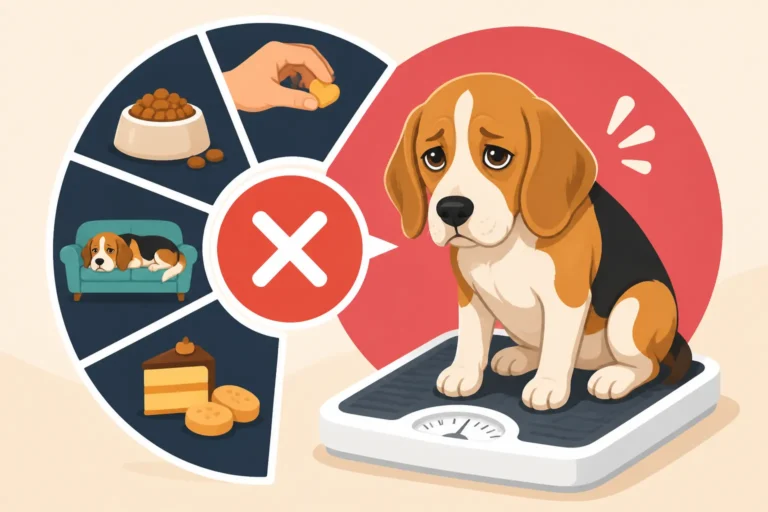
Many scent hounds are food-motivated, but Beagles seem to take it to another level. They're often described as living to eat. This strong motivation makes them surprisingly trainable for those willing to embrace positive reinforcement and consistent reward systems. It means you can use that powerful food drive to redirect them from undesirable behaviors, engage them in learning, and build a strong bond. However, this also means you need to be vigilant about their weight, as their love for food can quickly lead to obesity if not managed carefully. Every treat needs to be factored into their daily calorie intake, and healthy, low-calorie options are a must.
| Scent Hound Breed | Primary Scenting Style | Typical Vocalization | Exercise Needs (Daily) | Grooming Complexity | Common Temperament |
|---|---|---|---|---|---|
| Beagle | Ground Scavenging | Baying, Howling | Moderate to High | Low, but regular ears | Merry, Sociable, Persistent |
| Basset Hound | Extreme Ground Trailing | Deep Baying | Low to Moderate | Low, but critical ears | Placid, Stubborn, Affectionate |
| American Foxhound | Ground & Air Trailing | Loud Baying | Very High | Low | Independent, Energetic, Reserved |
| Dachshund | Ground Trailing | Barking, Yappy | Moderate | Varies by coat | Bold, Spirited, Clever |
| Bloodhound | Ultimate Ground Trailing | Deep Baying, Howling | High | Moderate | Gentle, Independent, Calm |
Disclaimer
This article is for general informational purposes only and does not constitute professional advice. Laws, prices and regulations vary by location and change over time. Consult a qualified professional for guidance on your specific situation.