How Many Beagles Are Still Used in Testing
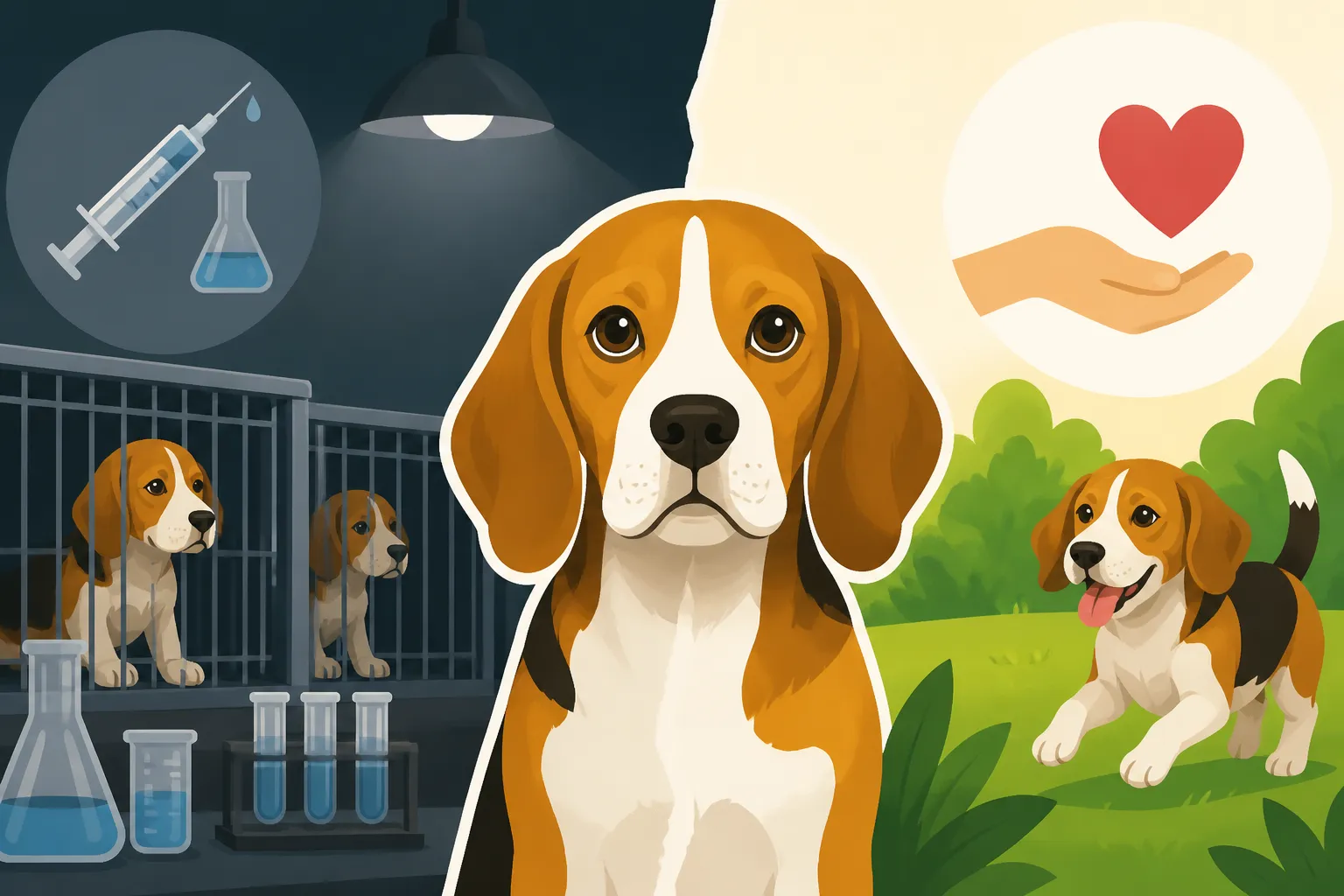
It's a question that weighs heavily on the hearts of many Beagle lovers: how many of these gentle, merry hounds are still being used in research and testing facilities today? It’s a complex and often heartbreaking topic, shrouded in more opacity than most of us would like. This guide aims to pull back the curtain as much as possible, exploring the historical reasons for their selection, the current landscape of regulations and reporting, and the powerful advocacy efforts working towards a future where fewer, if any, Beagles are subjected to such lives.
The Historical Context: Why Beagles Became the Go-To
For decades, Beagles have been the breed of choice for laboratory research, a fact that stings deeply given their naturally affectionate and docile nature. It wasn't a malicious decision, but rather a confluence of unfortunate traits that made them "ideal" from a scientific perspective. Understanding this history, even if painful, helps us grasp the scale of the challenge in ending their use.
Temperament and Size: An Unfortunate Fit
Beagles, as anyone who has lived with one knows, are incredibly tolerant and relatively docile dogs. They are not prone to aggression, even when stressed or uncomfortable, which, sadly, made them easier to handle in a laboratory setting. Their low bite risk was a major factor. They're also a compact size, with the 13-inch and 15-inch varieties making them manageable in smaller spaces and easier to house in large numbers. Imagine trying to conduct similar research with a much larger, more volatile breed; the logistics would be far more challenging. This inherent sweetness, a trait we adore in our pets, became their greatest vulnerability in the context of research. Their robust health, a generally hardy constitution, also meant they could withstand various procedures, which further cemented their place as a preferred research subject. It's a cruel irony that their very virtues—their gentle spirit and resilience—were exploited. Why Laboratories Chose Beagles in the First Place delves deeper into these initial decisions.
Standardization and Availability
Another critical factor was the breed's genetic uniformity. Over generations, Beagles have been selectively bred to maintain a consistent genetic profile, which is highly valued in research. When scientists are trying to study the effects of a drug or a compound, they need subjects with as few genetic variables as possible to ensure that any observed effects are due to the intervention being tested, not individual genetic differences. This standardization allows for more controlled experiments and, from a research standpoint, more reliable data. Additionally, their widespread availability, initially due to their popularity as hunting dogs and then as companion animals, meant that large numbers could be sourced relatively easily. Breeders focusing on specific lines also contributed to this genetic consistency, further reinforcing their suitability for studies that required large cohorts of genetically similar animals.
Current Regulations and Reported Numbers
Navigating the landscape of animal testing regulations and obtaining precise, up-to-the-minute numbers on Beagles used in research is incredibly challenging. The data isn't always centralized, easily accessible, or consistently reported, leading to varying estimates and a lack of clear transparency for the average person.
The Shifting Regulatory Climate
Globally, there's a growing movement towards reducing and ultimately replacing animal testing, driven by ethical concerns and advancements in alternative methodologies. Many countries and regions, particularly in Europe, have banned or severely restricted animal testing for cosmetics, and some are pushing for similar restrictions in other areas. In the United States, federal laws like the Animal Welfare Act (AWA) set minimum standards for the care and treatment of animals in research, but they don't prohibit testing itself. Recent legislative efforts have sought to amend acts like the Toxic Substances Control Act (TSCA) to reduce reliance on animal testing for chemical safety. However, progress can feel slow, and loopholes or exceptions often exist for certain types of testing, particularly for pharmaceuticals or medical devices, where regulations are often more stringent about animal safety studies before human trials can begin. This means that while the general tide is turning, the actual impact on the number of Beagles used can fluctuate and isn't always straightforward.
Public Data and Transparency Challenges
One of the biggest frustrations for advocates and concerned individuals is the difficulty in getting clear, public data. In the United States, facilities that use animals in research are required to report certain figures to the USDA annually. These reports categorize animals by species and usage. However, the exact number of Beagles specifically can be hard to extract from broader "dog" categories, and the data often lags by a year or more. Furthermore, not all animals are covered under the AWA – for instance, purpose-bred laboratory rats and mice are often exempt, although Beagles typically are not. This fragmented and sometimes generalized reporting makes it nearly impossible to provide a definitive, real-time count. What we often see are estimates, informed by these reports, advocacy group investigations, and industry trends, which can paint a general picture but lack the precise clarity we crave. The numbers fluctuate depending on research needs, regulatory changes, and public pressure, making any single figure a snapshot rather than a constant.
Estimated Figures and Areas of Use
Given the challenges in precise reporting, it's difficult to give an exact, up-to-the-minute number of Beagles used in testing. However, advocacy groups and some research suggest that tens of thousands of dogs, predominantly Beagles, are still used in laboratories across the globe each year. The majority of this testing falls into categories such as:
- Pharmaceutical Testing: Evaluating the safety and efficacy of new drugs before they are approved for human or animal use. This includes toxicology studies, where Beagles are observed for adverse reactions to various doses of a compound.
- Chemical Safety Testing: Assessing the potential harm of industrial chemicals, pesticides, and other substances. This can involve exposing animals to chemicals to determine irritation, sensitization, or long-term effects.
- Medical Device Testing: Ensuring the safety and functionality of new implants, surgical tools, or other medical devices.
- Veterinary Product Testing: Similar to pharmaceutical testing, but for drugs and treatments intended for animals themselves.
While there's been a clear trend towards reducing animal testing overall and seeking alternatives, Beagles remain a significant presence in these areas due to their perceived reliability as a "model organism" and the existing regulatory frameworks that often require animal data.
Here's a simplified look at the general categories of animal testing that typically involve Beagles, and the associated challenges:
| Type of Testing | Primary Goal | Challenges for Transparency |
|---|---|---|
| Pharmaceutical | Drug safety, dosage, efficacy | Proprietary data, regulatory requirements for animal models |
| Chemical & Pesticide | Toxicity, irritation, environmental impact | Complex regulations, varied reporting across agencies |
| Medical Device | Biocompatibility, functionality, safety | Specific device protocols, often smaller-scale studies |
| Veterinary Products | Animal drug safety, vaccine efficacy | Similar to human pharmaceuticals, but for animal health |
| General Scientific Research | Disease mechanisms, physiological studies | Broad categories in public reports, varying funding sources |
It's important to remember that these are broad categories, and specific protocols vary widely.
The Landscape of Beagle Rescue and Advocacy
Despite the challenges and the ongoing use of Beagles in research, there is a powerful and growing movement dedicated to their rescue, rehabilitation, and advocating for an end to animal testing. These efforts have brought significant change and hope, highlighting the incredible resilience of these dogs and the compassion of countless individuals.
The Impact of High-Profile Cases
One of the most impactful developments in recent years has been the increased public awareness spurred by high-profile rescue operations. The case of the Adopting One of the Envigo Beagles in Virginia, for example, brought the issue squarely into the national spotlight. When thousands of Beagles were rescued from a breeding facility that supplied research labs, it was a stark, undeniable visual of the sheer numbers involved and the conditions many endured. This event galvanized public opinion, leading to a massive outpouring of support for adoption and inspiring legislative action in some states. Where the Four Thousand Rescued Beagles Went chronicles this monumental effort. These stories resonate because they put a face to the numbers, transforming an abstract concept into individual, deserving lives. The public outcry following such events demonstrates that people care deeply about the welfare of these animals, and that pressure can indeed lead to tangible change, from policy adjustments to increased funding for rescue and rehabilitation.
Organizations Fighting for Change
Numerous dedicated organizations are working tirelessly on multiple fronts to address the issue of Beagles in testing. Some focus on direct rescue and rehoming, taking in Beagles released from laboratories and helping them adapt to life outside the facility. These groups often provide specialized care, as many of these dogs have never experienced grass, sunshine, or even a soft bed. Others concentrate on legislative advocacy, lobbying for stricter animal welfare laws, bans on specific types of testing, and mandatory retirement programs for research animals. Groups like the Beagle Freedom Project are well-known for their work in rescuing Beagles and other animals from laboratories and championing "Beagle Freedom Laws" in various states, which often mandate that research facilities offer former research animals for adoption rather than euthanasia. There are also scientific organizations dedicated to developing and promoting non-animal testing methods, ensuring that scientific progress can continue without relying on animal suffering. These multifaceted efforts create a powerful force for change, giving hope for a future where Beagles are valued only as companions, not research subjects.
What This Means for Potential Owners
For anyone considering bringing a Beagle into their home, the reality of their historical and ongoing use in research adds another layer of consideration. It raises questions about where your future companion comes from, and how you can contribute to a more humane future for the breed.
Adopting a Former Research Beagle
Adopting a Beagle that has spent its life in a laboratory can be an incredibly rewarding experience, but it’s also one that comes with unique challenges and responsibilities. These dogs often arrive with significant deficits in socialization and understanding of the world outside a kennel. They may have never walked on grass, felt sunshine, or seen a blue sky. Everyday household noises can be terrifying, and they may not understand basic concepts like toys, leashes, or even stairs. Potty training can be a marathon, as they've been accustomed to eliminating wherever and whenever they need to. They might also have specific medical needs related to their past. Patience, a gentle approach, and a secure, calm home environment are absolutely crucial. These dogs often thrive with a predictable routine and a kind, understanding owner willing to let them learn at their own pace. Seeing them discover the joy of a soft bed or a game of fetch for the first time is truly heartwarming. Providing a safe, loving forever home to one of these resilient Beagles is a profound act of compassion. When preparing for such an adoption, resources from places like Chewy can be invaluable for setting up a quiet, comfortable space with appropriate bedding, gentle harnesses, and perhaps some calming pheromone diffusers. What a Former Research Beagle Needs First offers more insights into their unique needs.
Supporting Ethical Breeding and Research Alternatives
If you're looking to welcome a Beagle into your family, you have the power to make choices that support ethical practices. Opting to adopt from a reputable Beagle rescue, particularly one that specializes in former research animals, is a direct way to provide a second chance to a dog in need. If you choose to go through a breeder, it's paramount to select one who prioritizes the health, temperament, and welfare of their dogs, and who breeds for companionship rather than supplying research facilities. Reputable breeders will be transparent about their practices, welcome visits to their facilities, and health test their breeding stock. They will also typically use contracts that ensure the puppy will be a beloved pet and not end up in a lab.
Beyond individual adoption choices, supporting organizations that advocate for an end to animal testing and promote alternative research methods is vital. This can involve donating, volunteering, or simply spreading awareness about the issue. When shopping for pet products, you can also look for brands that clearly state they do not test on animals. For those special treats, toys, or even prescription foods for an adopted Beagle with specific needs, major retailers like Chewy often carry a wide selection of products from brands committed to cruelty-free practices, making it easier for you to make ethical consumer choices for your beloved hound. Every conscious decision, from where you get your Beagle to what products you buy, contributes to a collective effort for a more compassionate world for these wonderful dogs.
Disclaimer
This article is for general informational purposes only and does not constitute professional advice. Laws, prices and regulations vary by location and change over time. Consult a qualified professional for guidance on your specific situation.