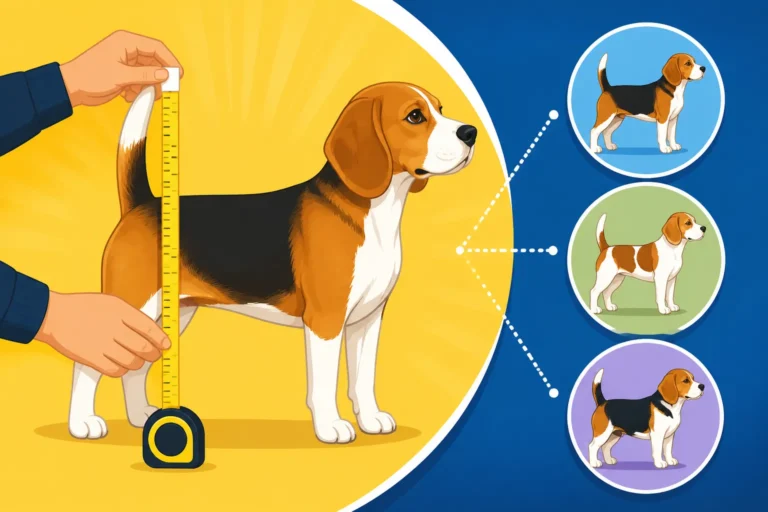
Beagle Tricolor and Where It Comes From
If you've ever pictured a Beagle in your mind, chances are you're envisioning that iconic tricolor coat – a striking combination of black, white, and tan. It's the image that's captured hearts in countless cartoons, movies, and family homes. But have you ever stopped to wonder why this specific pattern is so prevalent, or where it actually comes from? It's not just a random happenstance; there's a rich history and fascinating genetic science behind that classic Beagle look, and understanding it helps us appreciate these merry hounds even more. This guide will dive deep into the origins, genetics, and variations of the beloved Beagle tricolor, helping you understand what makes your particular pup's coat so unique.
Understanding the Classic Beagle Tricolor Pattern
When we talk about a "tricolor Beagle," most people immediately think of a very specific, recognizable pattern. It’s not just three colors thrown together; there's a distinct arrangement and intensity that defines this classic look. This predictable distribution of black, white, and tan is what makes the tricolor so instantly identifiable and, frankly, so charming. Many new Beagle owners are delighted to watch their puppies' colors change and settle into this pattern as they grow.
The Distinctive Black Saddle and White Base
The most defining feature of a classic tricolor Beagle is undoubtedly the "black saddle." This isn't just a smattering of black hairs; it's a solid, often glossy black area that covers a significant portion of the dog's back, sometimes extending up the neck and down the sides. Think of it like a neatly placed blanket or saddle on their back. The intensity of this black can vary, from a deep, rich coal color to a slightly softer jet-black hue, but it's always the dominant dark color. This black saddle rests on a crisp white base, which typically covers the chest, belly, legs, and the tip of the tail. This white blaze is particularly important on the tail, as it was historically bred into Beagles to make them easier to spot when hunting in tall grass or brush. The clean contrast between the dark saddle and the bright white is a hallmark of the traditional tricolor.
Below the black, the white extends beautifully, creating the chest, belly, and leg markings. This white isn't usually just solid; it can have speckles or spots, which we'll touch on later with 'ticking.' The way the black flows into the white, often with a clear, sharp line, contributes greatly to the aesthetic appeal of the tricolor Beagle. When you see a Beagle with a perfectly defined black saddle, you know you're looking at that classic pattern.
Tan Points and Their Placement
Adding the third dimension to the tricolor are the tan points. These aren't random patches; they appear in very specific locations on the Beagle's body, almost like carefully painted accents. You'll typically find tan over the eyes, on the cheeks, along the sides of the muzzle, on the inside of the ears, and often extending down the front of the shoulders, flanks, and under the tail. These tan markings provide a lovely warmth and contrast against both the black and the white, breaking up the starkness and adding depth to the coat. The shade of tan can range from a light cream or lemon color to a deep, rich reddish-brown, sometimes even described as a "liver" or "chestnut" tan. It's these precise tan points that truly complete the tricolor picture, making it more dynamic than a simple black and white.
Without these tan points, a Beagle might appear as a "black and white" or "piebald" dog, which is a different genetic expression. The presence and specific location of the tan are what define it as tricolor. It's almost as if nature designed them with these specific highlights to give them their cheerful, expressive faces. The tan above the eyes, in particular, often enhances that famously soulful, "pleading" Beagle expression that owners know and love. It’s part of what gives them so much character and makes their facial expressions so readable.
How Puppy Colors Develop into Adult Tricolor
One of the most exciting and sometimes surprising aspects of owning a tricolor Beagle puppy is watching their colors evolve. Many Beagle puppies, especially those destined to be classic tricolors, are born primarily black and white. You might see just a hint of tan peeking through around their faces or legs, or sometimes none at all. Their black often appears more extensive and intense in puppyhood. As they grow, typically between 6 to 12 weeks of age, the tan begins to "bloom" or "spread." What might have looked like solid black areas start to reveal hidden tan hairs, especially on the face and legs. This phenomenon is often referred to as "black melting into tan" or "tanning out."
It’s a truly fascinating transformation. That large black patch on a tiny puppy's back will gradually recede and define itself into the distinct saddle, while the tan emerges in its designated spots. The final adult color and pattern may not be fully established until the Beagle is well into its first year, sometimes even closer to two years old. This is why a breeder might tell you that a puppy is "likely a tricolor" even if its tan isn't fully visible yet. It's a genetic process that unfolds over time. If you're looking at a young puppy, it can be hard to predict the exact shade of tan or the precise boundaries of the black saddle, but the underlying genetic code for tricolor is already there, just waiting to be expressed. Many puppy owners enjoy documenting this color shift, a lovely journey of discovery for their new companion. If you're unsure about what to expect, reputable breeders are usually very knowledgeable about how their puppies' colors will develop.
The Genetics Behind Beagle Coat Color
Understanding Beagle coat colors goes beyond just what you see; it delves into the fascinating world of canine genetics. Just like humans inherit traits from their parents, Beagles inherit specific genes that determine everything from their size to the exact shade and pattern of their fur. The tricolor pattern, while common, is a result of a specific combination of these genetic instructions.
The K Locus and Dominant Black (K^B)
At the heart of a Beagle's classic tricolor coat is the K locus, specifically the gene for dominant black, denoted as K^B. This gene is extremely influential because if a dog inherits even one copy of K^B, it will express black pigment in its coat wherever allowed by other genes. For tricolor Beagles, the K^B allele is present, laying down the black pigment that forms that prominent saddle. However, it's not the only gene at play, which is why the black doesn't cover the entire dog. The K locus also has other alleles, such as k^br (brindle) and k^y (non-black, allowing agouti expression), but it's the dominant K^B that mandates black in the tricolor.
Without the K^B gene, a Beagle couldn't be a true black tricolor. It would express other colors like fawn or red, potentially with black points, but not the solid black saddle. The strength of this dominant black gene means that even if a Beagle inherits genes for other colors, K^B will often override them, ensuring that significant black areas are expressed. It's a foundational genetic component for many black and tan, or tricolor, dog breeds. This powerful gene is one of the reasons why the black saddle is so reliably present in tricolor Beagles, making it such a consistent and recognizable trait.
The A Locus and Agouti Patterns
While the K locus dictates the presence of black, the A locus (Agouti series) determines how that black, and other colors, are distributed on the dog's body. For a tricolor Beagle, the specific allele at the A locus is often 'at' (tan points), which allows for the expression of tan markings in those characteristic areas: over the eyes, on the muzzle, chest, and legs, and under the tail. The 'at' allele effectively restricts black pigment to specific areas (like the saddle), allowing the underlying red/tan pigment to show through in others. If a Beagle had 'A' (dominant agouti) or 'ay' (sable/fawn) alleles at this locus, its coat pattern would be entirely different, perhaps a wild band pattern or an all-over fawn/red with black tipping, not the distinct tricolor.
So, you can think of the K locus as deciding "Is there black?" and the A locus as deciding "Where does the black go, and where do the tan points appear?" The interaction between K^B (dominant black) and 'at' (tan points) is crucial for the tricolor pattern. Essentially, the 'at' allele tells the body to produce tan pigment in specific regions, while the K^B allele ensures that the remaining areas are richly black. It's a coordinated genetic dance that results in the beautiful, balanced tricolor we admire. Understanding these two loci helps to demystify why the tan points appear so predictably, rather than randomly.
Other Genes Influencing Shade and Distribution
Beyond the K and A loci, several other genes play supporting roles, subtly influencing the exact shade of the tan, the intensity of the black, and even the presence of white markings. For instance, the B locus affects black and brown pigment. While most Beagles are B_ (meaning they have black pigment), a 'bb' genotype would result in a liver tricolor (brown, white, and tan) rather than black. The E locus (extension) also has a hand in how pigments are expressed, with certain alleles restricting black and allowing for more red or yellow.
Then there's the S locus (spotting), which controls the white markings. This gene determines how much white is present and whether it creates a solid white blaze, distinct white feet, or even more extensive white areas. The 'T' locus (ticking) can add small flecks or spots of color within the white areas, creating what's known as "ticked" tricolor. You might see this on a dog's legs or muzzle, where tiny black or tan spots appear within the white fur. These "ticked" Beagles are quite charming and are a common variation. Finally, modifier genes can influence the richness of the tan, making it anything from a pale lemon to a deep, fiery red. It’s a complex interplay, ensuring that while the tricolor pattern is consistent, no two tricolor Beagles are exactly alike, adding to their individual charm. Reading a Beagle DNA Panel Result Line by Line can offer even deeper insights into these genetic nuances.
Historical Origins of the Tricolor Beagle
The Beagle's tricolor coat isn't just a modern fashion statement; it's a pattern deeply rooted in the breed's history, reflecting centuries of selective breeding and its purpose as a hunting hound. To understand where the tricolor comes from, we have to look back at the ancestry of Beagle-type hounds and the choices made by early breeders.
Early Beagle-Type Hounds and Their Varied Coats
The ancestors of modern Beagles, known as "Beagle-type" hounds, have existed in various forms for many centuries, tracing back to medieval times. These early hounds were primarily bred for their incredible scenting ability and their tenacity in tracking small game, particularly hares. Their appearance was secondary to their working capabilities. As such, their coats were likely much more varied than the standardized Beagles we see today. Historical records and artistic depictions suggest a range of colors, including solid whites, blacks, and reds, as well as various patched and spotted patterns. There might have been bicolors (black and white, red and white) and even more mottled or 'ticked' coats, perhaps without the distinct tan points we now associate with tricolor. The focus was on drive, nose, and stamina, not color conformity.
These early hounds were often kept in large packs, and practical considerations would have dictated certain color preferences. For example, some historians suggest that lighter-colored hounds were favored because they were easier to spot in dense undergrowth or at dusk during a hunt. While the tricolor pattern likely existed among these earlier hounds, it probably wasn't the dominant or singularly desired coat. It was one of many expressions of a working dog's camouflage and visibility in the field. The journey from these diverse, ancient hounds to the iconic tricolor Beagle involved generations of intentional breeding choices. How Long Beagle-Type Hounds Have Existed really puts their history into perspective.
The Influence of Selective Breeding in the 19th Century
The standardization of the Beagle breed, and with it, the prevalence of the tricolor pattern, largely took shape in the 19th century, particularly in Great Britain. This was a period when dog breeding became more formalized, with an emphasis not only on working ability but also on consistent appearance and temperament. Breeders began to select for specific traits, and the tricolor pattern emerged as a favored aesthetic. Figures like Reverend Phillip Honeywood, whose Essex pack in the 1830s is often cited as a foundation for the modern Beagle, played a significant role in consolidating desirable traits. While Honeywood himself was known for his smaller, often white Beagles, the broader trend in England and later America shifted towards a more uniform look.
The tricolor pattern was likely favored for a few key reasons. Firstly, it offered good visibility in the field due to the white markings, while the black and tan provided a degree of natural camouflage in varying light conditions. Secondly, it presented a striking and attractive appearance that appealed to kennel owners and those participating in early dog shows. As the breed gained popularity, breeders consistently selected for dogs displaying this pattern, slowly cementing it as the "classic" Beagle look. This intentional, long-term selective breeding essentially filtered out many of the more diverse coat patterns seen in earlier hounds, allowing the tricolor to become predominant. It's a testament to how human preference can shape the genetic landscape of a breed over generations. What John Mills Wrote About Beagles in 1845 offers a glimpse into this era.
Why Tricolor Became the Iconic Beagle Look
The tricolor pattern didn't just become common; it became iconic. Part of this undoubtedly stems from its aesthetic appeal – the clear definition, the warm tan points, and the stark white create a visually balanced and appealing dog. But beyond looks, practical considerations from their hunting heritage likely cemented its status. The white-tipped tail, often called the "flag," is a crucial element of the tricolor, making it easy to spot a Beagle as it worked through dense brush, a feature deliberately bred for. The combination of dark and light could also be advantageous for blending into diverse environments while still remaining distinct enough for hunters to follow.
As Beagles moved from being solely working hounds to companion animals and show dogs, the tricolor maintained its popularity. It became the recognized standard, the mental image people conjured when they thought of a Beagle. This cultural acceptance was further amplified by popular media, perhaps most famously with characters like Snoopy, who, while often depicted as black and white, subtly embodies that classic Beagle essence. The consistent breeding for this pattern meant that the genes for tricolor became widespread, making it the most common and expected coloration. It's a wonderful example of how function, fashion, and familiarity all converged to make one specific coat pattern the indelible signature of a beloved dog breed. This journey is intertwined with the overall history of The Beagle From English Rabbit Packs to American Homes.
Variations Within the Tricolor Spectrum
While the classic black, white, and tan tricolor is indeed iconic, the Beagle coat isn't a rigid blueprint. There's a surprising amount of variation even within the "tricolor" designation, influenced by different genetic modifiers and the natural process of aging. These variations add individuality and charm to the breed, showcasing the subtle beauty of canine genetics.
Broken Tricolor and Ticked Coats
Sometimes, a Beagle's tricolor coat isn't quite the neat, solid saddle with crisp white markings you might expect. This is where "broken tricolor" and "ticked" coats come into play, adding a delightful layer of complexity to their appearance. A "broken tricolor" refers to a pattern where the black is not a solid, continuous saddle, but rather broken up into patches. Imagine the black areas as distinct, irregular spots or patches on a white background, still accompanied by the classic tan points. This gives the dog a more dappled or piebald appearance, moving away from the "blanket back" look. It's a perfectly acceptable variation within the breed standard, simply a different expression of the same underlying tricolor genetics.
"Ticking" takes this a step further. Ticking refers to small, isolated spots or flecks of color (black or tan) that appear within the white areas of the coat, particularly on the legs, muzzle, and belly. These spots can range from fine speckles to more prominent splashes, giving the white fur a "salt-and-pepper" or "strawberry roan" effect. A common example is the "blue tick" Beagle, which technically refers to a tricolor coat where the ticking is so dense and finely distributed in the white areas that it gives a bluish-grey impression. This isn't a separate color, but rather a descriptive term for a specific type of ticking. It's quite common to see some degree of ticking, especially on the lower legs, even in Beagles with otherwise solid white markings. Beagle Markings and the Ticked Coat provides more detail on this charming feature. These variations add character and ensure that each tricolor Beagle is truly unique, even when following the same core pattern.
Faded or Diluted Tricolors (Lemon and Blue Tick)
Beyond the classic black and tan, the tricolor can also manifest in "diluted" or "faded" forms, which are recognized variations and equally beautiful. The most common of these is the "lemon and white" Beagle, which is effectively a tricolor where the black pigment has been diluted to a very pale cream or lemon color. In these dogs, the "black saddle" area appears as a light tan or yellowish shade, rather than a true black. The tan points might be a slightly darker shade, but the overall effect is much softer, lacking the stark contrast of the black tricolor. These dogs are genetically tricolor, but a dilution gene has acted upon the black pigment. They are often born looking almost entirely white, with the lemon color emerging as they mature, much like the tan in a classic tricolor puppy.
The "blue tick" Beagle, as mentioned earlier, is another interesting variation. While often appearing as a blue-grey ticking on a white background, it's essentially a tricolor where the black pigment is diluted to a blue-grey (a genetic dilution of black), and the tan points are still present. So, instead of black, white, and tan, you might see blue-grey, white, and tan, often with extensive ticking that gives the "blue" impression. Similarly, "red and white" Beagles are bicolors, but a "red ticked" Beagle would imply a tricolor where the black areas are more reddish-brown, and the ticking reflects this red hue. Lemon Beagles and the Rarer Colors delves deeper into these lovely, lighter variations. These diluted forms demonstrate the range of expressions possible within the Beagle's genetic makeup, proving that beauty comes in many shades. For those seeking specific color variations, many reputable breeders will have detailed information about the genetic background of their lines, and resources like Chewy can help you find products specifically for dogs with sensitive skin or coats that might benefit from particular shampoos regardless of color.
The Impact of Age on Tricolor Intensity
Just like human hair changes over time, a Beagle's tricolor coat isn't static. It can, and often does, change in intensity and shade as the dog ages. This is a natural process, and owners often notice subtle shifts in their dog's coloration over the years. The most common change is a softening or "fading" of the black areas. What was once a deep, rich black saddle in a young adult Beagle might gradually become a softer, more charcoal-grey or even slightly brown-tinged black in a senior dog. This is due to the natural reduction in melanin production in the hair follicles over time, similar to how human hair grays.
Similarly, the tan points can also experience changes. They might become paler, or in some cases, deepen slightly depending on sun exposure and overall coat health. White areas, especially around the muzzle and eyes, will often become more prominent as the dog ages, giving the impression of "graying," though it's typically just the white hairs becoming more dominant. It's not uncommon for an older tricolor Beagle to appear significantly lighter than they did in their prime. This natural aging process doesn't detract from their beauty; it simply adds character and tells the story of their life. It's a gentle reminder that our Beagles, like us, evolve over time. How Beagle Puppy Color Shifts With Age can be a great resource for understanding the entire journey of color development from puppyhood to senior years.
Tricolor in the Beagle Standard and Breeding
The classic tricolor pattern isn't just a popular look; it's a foundational element of the Beagle breed standard, guiding breeders and judges alike. Understanding its place in the standard helps clarify why it's so pervasive and how ethical breeders approach coat color in their programs.
What the Breed Standard Says About Tricolor
The official breed standard for Beagles, established by kennel clubs like the American Kennel Club (AKC), is a detailed description of the ideal Beagle, covering everything from temperament and gait to coat color and markings. For color, the standard is quite liberal, stating that "Any true hound color is acceptable." However, it goes on to elaborate on the typical patterns, and the tricolor is explicitly recognized and described. The standard confirms the distinct arrangement: a black saddle, white body markings (chest, belly, legs, tail tip), and tan points. It validates the clean lines and contrast that make the tricolor so striking. The white tip on the tail, often called the "hound flag," is specifically mentioned as a desirable trait, not just for aesthetics but for its historical utility in hunting.
While the standard allows for "any true hound color," the implicit message through its detailed description of the tricolor is its status as the most traditional and recognized pattern. It sets a benchmark for what is considered aesthetically correct and functionally sound for the breed's heritage. This doesn't mean other colors are "wrong," but the tricolor is certainly the quintessential Beagle image. This broad allowance for color ensures that while breeders strive for the classic, they aren't unduly limited, allowing for the beautiful variations we discussed. It's a balanced approach that respects both tradition and genetic diversity.
Tricolor and Its Role in Show Ring Judging
In the competitive world of dog shows, adhering to the breed standard is paramount, and coat color, while not the most important factor, certainly plays a role. While the Beagle standard is quite inclusive regarding color, a well-defined, vibrant tricolor coat often presents a very classic and appealing picture to judges. Judges evaluate the overall balance, condition, and presentation of the dog, and a coat that clearly exhibits the expected tricolor pattern, with good pigment and clear markings, contributes positively to the overall impression. A washed-out or poorly defined tricolor might not be penalized outright, but it might not stand out as much as a dog with a rich, well-pigmented coat.
However, it's crucial to remember that a Beagle will never win or lose simply because of its color if it otherwise meets the standard. Structure, movement, temperament, and overall breed type are far more critical. A perfectly conformed Beagle with a lemon and white coat could easily beat a structurally flawed Beagle with a classic tricolor. The tricolor simply represents the traditional and visually harmonious appearance that many judges appreciate, but it's always secondary to the dog's overall conformation and health. It's about the entire package, with the tricolor being a beautiful, but not solely determinant, part of it. Where a Beagle Loses Points on the Scale can shed more light on the judging process.
Ethical Breeding Practices for Coat Color
For ethical Beagle breeders, coat color is an important, but never the sole, consideration. Their primary focus is always on health, temperament, and adherence to the breed standard in terms of structure and working ability. When it comes to color, ethical breeders understand the genetics behind the tricolor and other acceptable patterns. They use this knowledge to ensure healthy litters, avoiding combinations that might produce undesirable or non-standard colors or patterns if those aren't their specific breeding goals. They'll also be transparent about the expected coat colors and how they might develop in their puppies.
An ethical breeder will never breed solely for a rare or unusual color if it compromises health or temperament. For example, they wouldn't prioritize an extremely rare color if it meant sacrificing good bone structure or passing on genetic health issues. Instead, they'll ensure that their breeding dogs are health-tested (for things like MLS, hips, and eyes, which are critical for Beagles) and have sound temperaments, with coat color being a desirable attribute within those parameters. They understand that while a beautiful tricolor coat is appealing, it's ultimately superficial compared to a dog's well-being. When looking for a puppy, always ask about the parents' health clearances, not just their coat colors. This commitment to the whole dog is what defines responsible breeding. You can find more information about comprehensive health testing by looking into Beagle Health Testing Under CHIC. Many breeders use resources like Chewy for high-quality nutrition to support their breeding dogs and puppies, ensuring they have the best start in life.
Why the Beagle Tricolor Stands Out
The tricolor Beagle is more than just a dog with three colors; it's a living embodiment of breed history, careful genetic selection, and a universally appealing aesthetic. This specific pattern has transcended its origins in the hunting field to become an icon of the breed, instantly recognizable and deeply cherished.
The Visual Harmony of Black, White, and Tan
There's an undeniable visual harmony that makes the classic tricolor Beagle so captivating. The combination of solid black, crisp white, and warm tan creates a natural balance that is both striking and pleasing to the eye. The black provides a strong, anchoring presence, typically covering the back and often symbolizing the strength and resilience of the working hound. The white, contrasting sharply, highlights the dog's movement and allows for quick identification, historically crucial in dense undergrowth. The tan, with its warmth and precise placement, softens the transition between the stark black and white, adding depth and expression, especially around the face. It’s a palette that just works.
This isn't an accidental arrangement of colors; it's a testament to centuries of natural selection (for visibility) and intentional breeding (for aesthetic appeal). The clear delineation of colors, rather than a mottled or indistinct pattern, creates a sense of order and classic beauty. For many, this specific combination embodies the very essence of a "dog's dog" – sturdy, handsome, and full of character. It’s a pattern that looks equally at home in the field as it does curled up on a living room couch, reflecting the Beagle's versatility and enduring charm.
Tricolor as a Link to Beagle Heritage
The tricolor coat is not just pretty; it's a direct link to the Beagle's storied heritage as a scent hound. As we've explored, the specific placement of white, particularly on the tail, was a practical adaptation for hunters. That white "flag" allowed hunters to keep track of their Beagles as they worked through thickets and tall grasses, even when the dog itself was out of sight. The black and tan provided a degree of camouflage, helping the dog blend into natural surroundings when necessary, while still being identifiable by its distinctive markings. This functional aspect of the tricolor reinforces its authenticity as a true working breed.
When you look at a tricolor Beagle, you're not just seeing a beautiful pet; you're seeing a living piece of history. You're seeing the result of generations of breeders who sought to create a dog that was both effective in the field and aesthetically pleasing. The tricolor represents the culmination of these efforts, a visual shorthand for all the qualities that define a Beagle: their incredible nose, their merry disposition, and their unwavering determination. It’s a pattern that tells a story, connecting your beloved companion back to the ancient packs that roamed the British countryside.
The Unmistakable Beagle Identity
Ultimately, the tricolor coat has become synonymous with the Beagle identity. When someone pictures a Beagle, that specific black, white, and tan image is almost universally what comes to mind. It's the face of Snoopy, the image on countless products, and the classic representation of the breed in popular culture. This pervasive recognition isn't just about good looks; it's about the consistency and tradition that the tricolor represents. It’s a visual anchor for the breed's distinct personality – cheerful, curious, and utterly charming.
While other colors and patterns exist and are equally valid within the breed, the tricolor has earned its place as the definitive Beagle look. It helps distinguish them from other hounds and contributes to their unique appeal. Whether your Beagle is a classic tricolor, a broken tricolor, or a lemon and white, understanding the journey and genetics behind that coat only deepens the appreciation for this wonderful breed. It’s a color scheme that has stood the test of time, cementing the Beagle's place as one of the most beloved and recognizable dogs in the world. Next time you're browsing for dog supplies, perhaps on Chewy, take a moment to appreciate how many Beagle products feature this iconic color scheme! Beagle Colors, Markings and the Tricolor Standard really brings home how deeply ingrained this pattern is.
| Feature | Classic Tricolor Beagle | Broken/Ticked Tricolor Beagle | Diluted Tricolor (e.g., Lemon) |
|---|---|---|---|
| Black Saddle | Solid, distinct black blanket over the back | Black broken into patches, less continuous | Black diluted to pale cream, lemon, or blue-grey |
| White Base | Crisp, clear white on chest, belly, legs | White areas may contain flecks of color (ticking) | White base, can also have ticking |
| Tan Points | Rich tan over eyes, cheeks, muzzle, legs | Tan points present, may vary in shade | Tan points present, may be paler or reddish |
| Tail Tip | Almost always white ("hound flag") | Typically white | Typically white |
| Overall Look | Strong contrast, traditional Beagle | More mottled or speckled appearance | Softer, lighter color palette |
| Genetics | K^B allele for dominant black, 'at' for tan points, S_ for white | K^B, 'at', plus T locus for ticking and S_ for white | K^B, 'at', S_, plus dilution genes (e.g., D locus for blue, or specific modifiers for lemon) |
Disclaimer
This article is for general informational purposes only and does not constitute professional advice. Laws, prices and regulations vary by location and change over time. Consult a qualified professional for guidance on your specific situation.