The Two Beagle Varieties and the Fifteen Inch Line
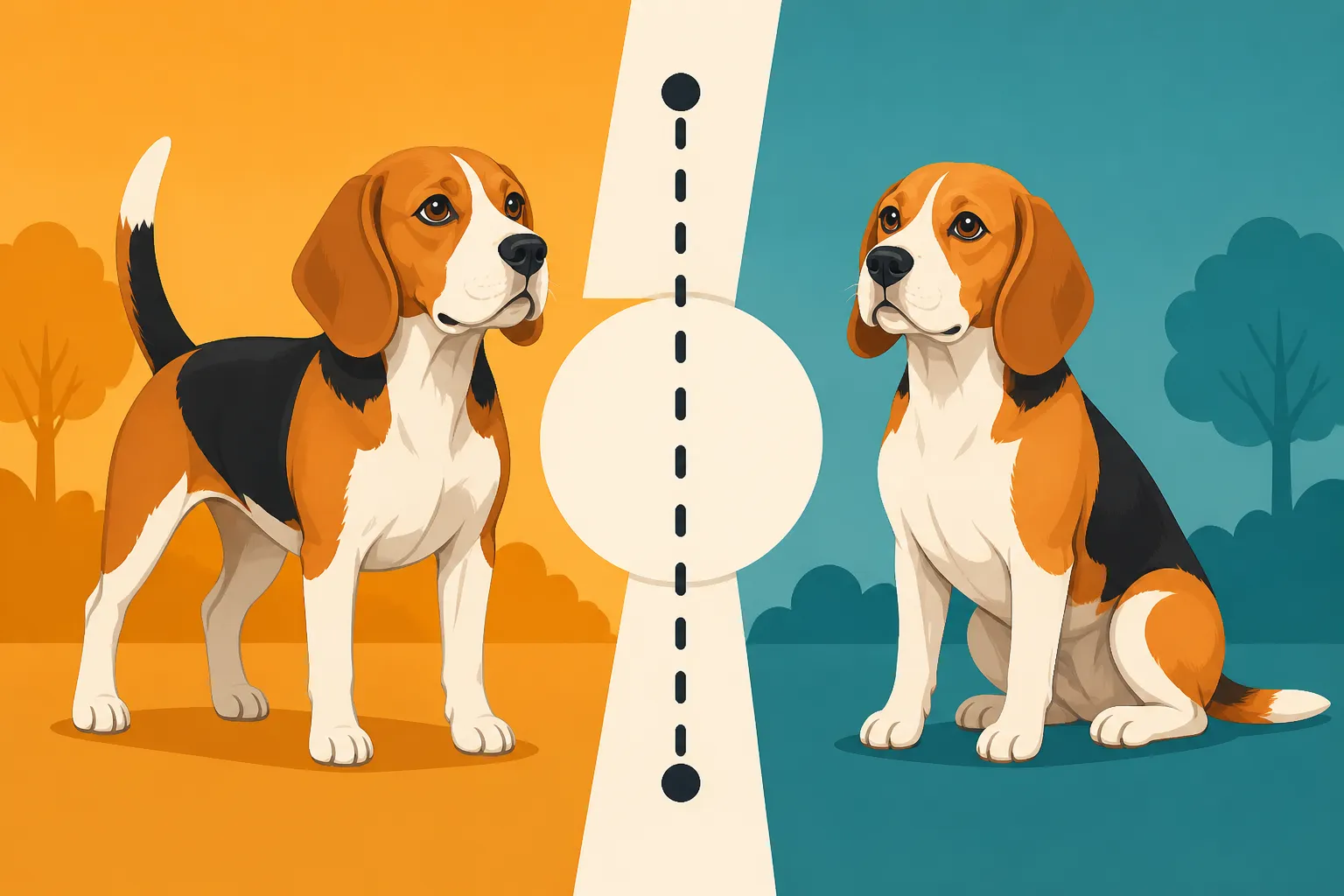
It can be incredibly confusing to talk about your beloved Beagle when someone asks if they're a "thirteen-inch" or "fifteen-inch" variety. Most of us just see our wonderful hound, full of personality and charm, and assume "Beagle" is a single, distinct category. But there's a fascinating history and a practical reason behind these two classifications, and understanding them can help you appreciate your dog's unique traits and ensure you're meeting their specific needs. This guide will walk you through the origins, distinctions, and living realities of both the thirteen-inch and fifteen-inch Beagle varieties.
The Historical Roots of Beagle Varieties
The concept of distinct Beagle varieties didn't just appear out of nowhere; it's deeply rooted in the breed's working past. For centuries, hounds resembling what we now know as Beagles were found across the British Isles, primarily used for hunting small game like rabbits and hare. Their size and build were often dictated by the terrain and the specific hunting styles favored in different regions.
Early Beagle-Type Hounds and Size Variations
Before formal breed standards were established, "Beagle-type" hounds were a diverse group. They varied significantly in size, coat type, and even their baying voices. Some were larger, more robust dogs used for longer, more strenuous hunts, while others were much smaller, almost "pocket-sized," designed to navigate dense undergrowth or even be carried in saddlebags. This natural variation was a result of breeders selecting dogs that excelled at specific tasks in their local environment. A hunter in a hilly, brush-heavy region might prefer a smaller, more agile dog, whereas someone hunting in open fields might value a slightly taller, faster hound. This functional breeding meant that while they all shared a common ancestry and a prodigious nose, a strict uniformity in size was neither sought nor often achieved. Historically, Beagles were valued for their ability to follow a scent, not for a precise height. The Beagle From English Rabbit Packs to American Homes delves deeper into these origins.
Reverend Honeywood and the Ten-Inch Line
One of the most notable figures in early Beagle history was Reverend Phillip Honeywood, who established a pack in Essex, England, in the 1830s. His hounds were particularly famous for their diminutive size, with some standing as small as ten inches at the shoulder. These "Honeywood Beagles" were highly regarded for their keen scenting abilities and their suitability for hunting on foot, a popular pastime among the gentry who didn't always want to ride horses. The existence of such small, well-documented packs certainly influenced the idea that Beagles could and should come in a range of sizes. While the ten-inch variety isn't formally recognized in today's main standards, Honeywood's influence highlights the historical precedent for smaller Beagles and the deliberate effort to breed for specific dimensions. It cemented the idea that Beagles, unlike some other hound breeds, had a clear place in the smaller end of the spectrum.
American Breeders and the Rise of the Two Standards
When Beagles made their way to America, particularly after the Civil War, their popularity as hunting dogs for rabbits soared. American breeders began to refine the breed, moving towards more standardized types. The National Beagle Club of America, founded in 1887, played a crucial role in formalizing these standards. Recognizing the existing size variations and their practical applications in the field, they established two distinct varieties: one not exceeding 13 inches at the shoulder, and another over 13 inches but not exceeding 15 inches. This division wasn't arbitrary; it reflected the sizes that had proven most effective for the style of rabbit hunting prevalent in the United States. It also helped judges at dog shows categorize and compare Beagles more fairly. These two varieties were seen as the sweet spot, balancing the need for agility in dense cover with the stamina for a full day's hunt. How the Modern Beagle Was Built in the 1830s further explains this fascinating development.
Understanding the Thirteen-Inch Beagle Variety
The thirteen-inch Beagle variety is often considered the classic "small package" of the breed, though even this description needs nuance. They are compact, sturdy hounds, perfectly built for flushing game out of thick brush and following a scent trail relentlessly.
Defining the Thirteen-Inch Standard
According to the breed standard, a thirteen-inch Beagle must not exceed 13 inches (33 cm) in height at the top of the shoulder blades, known as the withers. This is a hard limit; any dog measuring even a fraction of an inch over this height would be disqualified from the thirteen-inch variety in the show ring. Their overall appearance should still be one of robust endurance, not delicacy. They are not meant to be frail or toy-like. Instead, they should possess all the characteristic Beagle traits – the long, pendulous ears, the merry expression, the deep chest – simply scaled down to a smaller frame. Their compact size makes them surprisingly agile and capable in dense terrain, a testament to their original purpose.
Typical Weight and Build
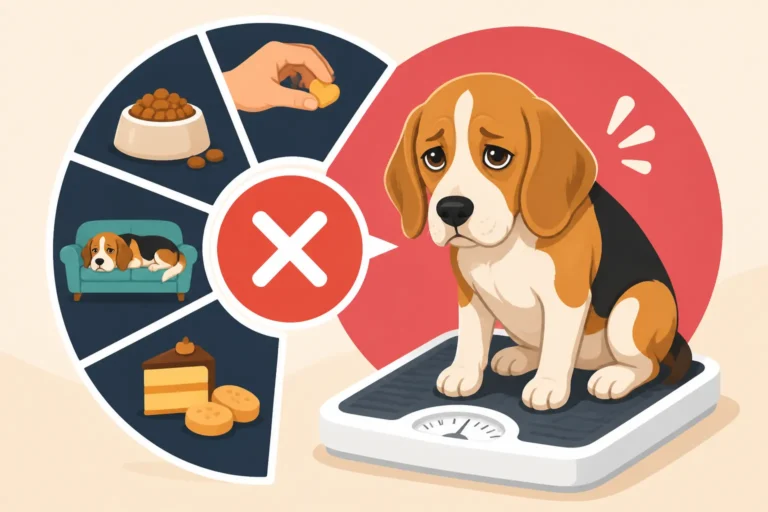
While the standard specifies height, not weight, a thirteen-inch Beagle typically weighs between 18 and 25 pounds (8 to 11 kg). This weight range keeps them proportionate to their height, allowing for the muscular build necessary for their energetic lifestyle. A Beagle in this variety should have a solid, well-muscled body, with good bone structure. You should be able to easily feel their ribs without seeing them protruding, indicating a healthy body condition. Their back should be strong and level, and their legs straight and well-angulated for efficient movement. They are little powerhouses, capable of covering significant ground despite their smaller stature. Maintaining this ideal weight is crucial for their health and longevity, as explained in Beagle Weight Management Across the Two Size Varieties. When looking for appropriate food, consider smaller kibble sizes from reputable brands often found on platforms like Chewy, ensuring they are not overfed.
Temperament and Exercise Needs of the Smaller Beagle
In terms of temperament, the thirteen-inch Beagle is every bit as merry, curious, and scent-driven as its larger counterpart. Their smaller size doesn't diminish their boundless energy or their inherent hound instincts. They still possess that signature "nose to the ground" mentality and a strong desire to follow interesting smells. This means their exercise needs are still quite significant; they are not content with just a short walk around the block. Daily, vigorous exercise, including opportunities for sniffing and exploring, is essential to keep them mentally stimulated and physically fit. Without proper outlets, they can become bored, leading to destructive behaviors or excessive baying. They thrive on routine and consistent training, especially recall, given their strong prey drive. Remember, even a small Beagle can cover miles following a scent if given the chance.
Diving Deep into the Fifteen-Inch Beagle Variety
The fifteen-inch Beagle is perhaps the more commonly seen variety in many American homes today. They share all the charming qualities of the breed but in a slightly larger, often more substantial package.
Defining the Fifteen-Inch Standard
This variety encompasses Beagles that stand over 13 inches (33 cm) but do not exceed 15 inches (38 cm) at the withers. Just like the thirteen-inch variety, this is a strict guideline for conformation shows, where a Beagle measuring even a tiny bit over 15 inches would be disqualified from the ring. The idea is to maintain the compact, sturdy build that is characteristic of the breed, preventing them from becoming too leggy or rangy, which would detract from their traditional hound-like appearance and working ability. They embody the balanced proportions and robust constitution that have made the Beagle such an effective and enduring hunting companion. The Fifteen Inch Beagle Variety offers further insights into this particular standard.
Typical Weight and Build
A fifteen-inch Beagle typically weighs between 25 and 35 pounds (11 to 16 kg), though some well-muscled individuals may fall slightly outside this range while still being at a healthy body condition. Their build is undeniably solid and muscular, reflecting their heritage as tireless hunting dogs. They should have a deep chest, well-sprung ribs, and a level topline. Their bone structure is substantial, giving them a powerful, enduring presence. Just like their smaller cousins, maintaining an ideal weight is paramount. Obesity can put undue strain on their joints and exacerbate potential back issues. How Extra Weight Raises Beagle Disc Pressure explains the serious health implications of excess weight. When considering their diet, look for high-quality, balanced dog food options available on Chewy, making sure to measure portions carefully to prevent overfeeding.
Temperament and Exercise Needs of the Larger Beagle
Despite the slight difference in size, the temperament of the fifteen-inch Beagle is remarkably similar to the thirteen-inch variety. They are known for their cheerful, outgoing personalities, their unwavering loyalty, and, of course, their incredible noses. They are typically very social dogs, thriving on companionship with their human families and often enjoying the company of other dogs. However, their slightly larger size means they might have a bit more physical presence, and their energy levels are still extremely high. They require ample exercise, including long walks, play sessions, and opportunities for scent work to satisfy their innate instincts. A fifteen-inch Beagle left alone with insufficient mental and physical stimulation can quickly develop behavioral issues like excessive howling, destructive chewing, or digging. Beagle Exercise Needs at Every Age is a great resource for understanding their requirements.
Measuring Your Beagle Accurately
Knowing your Beagle's variety isn't just for show enthusiasts; it helps you understand their genetic predispositions, potential size, and even how certain gear might fit. But how do you actually measure them correctly?
The Importance of Withers Height
The official measurement for Beagles, and many other dog breeds, is taken at the withers. The withers are the highest point of the shoulder blades, located at the base of the neck where the neck meets the back. It's crucial not to measure to the top of the head, which is a common mistake and will give an inaccurate, often much taller, reading. Measuring at the withers provides a consistent and anatomically correct point for comparing dogs within a breed. This is the standard used by kennel clubs and breeders worldwide to classify Beagles into their respective size varieties. Understanding this point helps you accurately assess where your Beagle falls within the breed's accepted range.
When to Measure and How to Get It Right
The best time to accurately measure your Beagle is once they have reached their full adult height, typically around 12 to 18 months of age, though growth might slow earlier for the smaller variety. To get an accurate measurement, your Beagle needs to be standing squarely on a flat, level surface, with all four paws beneath them, and their head held in a natural, upright position, not stretched up or bowed down.
Here's how to do it:
- Gather your tools: You'll need a measuring tape and a carpenter's level or a sturdy, flat piece of wood.
- Position your Beagle: Have your dog stand calmly and squarely. It helps if they're used to standing still for short periods. A treat or a calm voice can help them relax.
- Find the withers: Locate the highest point of their shoulder blades.
- Measure: Place one end of the measuring tape on the ground directly beside one of your Beagle's front feet. Extend the tape straight up. Take your level or flat piece of wood and place it across your Beagle's shoulders, ensuring it's level and rests gently on the withers. Read the measurement on the tape where it meets the underside of the level. Repeat a few times to ensure consistency.
Don't fret if your Beagle is a little squirmy – it might take a few tries to get a good read! Measuring a Beagle to Decide Its Variety provides more detailed guidance.
Why the Breed Standard is So Specific
The specificity of the breed standard, down to the exact inch, serves multiple purposes. Firstly, it helps maintain the uniformity and recognizable characteristics of the Beagle breed. Breeders strive to produce dogs that fit within these guidelines, ensuring predictable size, structure, and overall appearance. Secondly, for show Beagles, adhering strictly to these measurements is paramount for competition. Dogs that fall outside the specified height ranges are disqualified, even if they are otherwise excellent examples of the breed. This strictness ensures that judging is fair and consistent across events. Finally, these standards reflect the historical utility of the breed; the sizes chosen were those most effective for their intended working roles. It’s not just about aesthetics; it’s about preserving function.
Beyond the Tape Measure: Differences in Appearance and Gait
While height is the primary distinguishing factor between the two Beagle varieties, there can be subtle differences in their overall conformation, head proportions, and even how they move, particularly noticeable to a trained eye.
Subtle Variations in Head and Ear Proportions
Generally, the head and ear proportions are quite consistent across both varieties, as the breed standard describes a singular "Beagle head." However, in a smaller thirteen-inch Beagle, the head might appear slightly more compact or refined in proportion to its body compared to a fifteen-inch Beagle, which might have a slightly broader skull or longer muzzle, simply due to overall scaling. The characteristic long, low-set ears are a hallmark of the breed, regardless of size, reaching almost to the tip of the nose when drawn forward. The soulful, pleading Beagle expression, with moderately large, soft brown or hazel eyes, is also identical across both varieties. These aren't definitive differences that would disqualify a dog, but rather slight nuances that arise from the overall size.
The Impact of Size on Movement and Agility
Both varieties of Beagles are expected to move with a merry, active, and effortless gait. They should cover ground with enthusiasm, their tails carried gaily like a flag. However, there can be subtle differences in how their size impacts their movement. The thirteen-inch Beagle, being lighter and more compact, might display a slightly quicker, more agile movement, allowing them to navigate very dense undergrowth with ease. The fifteen-inch Beagle, with its slightly longer stride and greater body mass, might exhibit a more powerful, ground-covering trot, especially over longer distances or more open terrain. These are not drastic differences in efficiency, as both are built for endurance, but rather subtle variations in how their bodies physically interact with the environment. Both are built to be tireless workers. Beagle Gait as Judged in the Show Ring covers what judges look for in their movement.
Show Ring Standards and Disqualifications
In the conformation show ring, judges are meticulously assessing Beagles against their specific variety standard. For the thirteen-inch variety, any dog over 13 inches is disqualified. For the fifteen-inch variety, any dog under 13 inches or over 15 inches is disqualified. This strict adherence to height is paramount. Beyond height, judges look for overall balance, soundness, and adherence to all aspects of the breed standard, including head, eyes, ears, body, coat, and tail. A Beagle's proportions, substance, and temperament are all taken into account. It's a testament to careful breeding that both varieties manage to perfectly embody the "Beagle type" despite their size difference. For breeders, this means careful selection and understanding their lines to ensure they consistently produce dogs within the desired height range for their chosen variety.
Living with Both Beagle Varieties
When it comes to daily life, both the thirteen-inch and fifteen-inch Beagle varieties share far more similarities than differences. Their core Beagle instincts, intelligence, and charm remain consistent, but there are minor considerations that might influence a potential owner's choice.
Exercise and Activity Level Expectations
Regardless of whether your Beagle measures 13 or 15 inches, they are still Beagles at heart, and that means they are active, energetic dogs with significant exercise needs. The idea that a smaller Beagle requires less exercise is a common misconception. Both varieties thrive on daily physical activity, including long walks, opportunities to explore scents, and engaging playtime. While a thirteen-inch Beagle might fit more easily into smaller living spaces, their need for mental and physical stimulation is just as great. Think of it this way: a small dog doesn't mean less energy, it just means less space for that energy. A fifteen-inch Beagle might have a slightly longer stride, but both will happily spend hours tracking a scent. Scent Walks That Wear a Beagle Out explains why their nose is so important to their exercise routine. Interactive toys and puzzle feeders from Chewy can be excellent tools for mental enrichment for both sizes.
Dietary Needs and Weight Management
Both Beagle varieties are renowned for their voracious appetites and their uncanny ability to sniff out any stray crumb. This means that careful diet management is critical, regardless of their height. Obesity is a significant health concern for Beagles, predisposing them to issues like joint problems, diabetes, and heart disease. While the total calorie intake will differ based on their size and activity level – a 20-pound Beagle naturally needs fewer calories than a 30-pound one – the principles of feeding remain the same: high-quality dog food, measured portions, and limited treats. Slow feeders can be particularly helpful for Beagles who inhale their food, a common trait across both varieties. Regularly monitoring their body condition and adjusting their food intake as needed is a lifelong commitment. You can find a wide range of suitable slow feeders and specific diet foods on Chewy to support healthy weight management. Beagle Obesity Treated as a Health Problem offers critical advice on this topic.
Training Considerations for Each Size
Training methodologies don't fundamentally change between the two varieties; both respond extremely well to positive reinforcement, especially when high-value treats are involved. Both possess that famous Beagle stubbornness, which is often just intense focus on a compelling scent, and both require consistent, patient training from puppyhood. Recall training is paramount for all Beagles, given their powerful prey drive. However, a slight difference might be felt in day-to-day handling. A thirteen-inch Beagle might be easier to physically manage on a leash if they suddenly pull towards a scent, simply due to their lighter weight. A fifteen-inch Beagle might exert more force. Therefore, choosing an appropriate harness and leash is important for both sizes to ensure comfort and control. Harnesses designed for hounds, which provide good chest support without restricting shoulder movement, are available from retailers like Chewy and are suitable for either variety. Training a Beagle Around 220 Million Scent Receptors emphasizes the importance of understanding their scent drive in training.
Dispelling Myths About Beagle Varieties
Over the years, various myths and misconceptions have cropped up regarding the two Beagle varieties. It's important to address these to ensure owners have a clear and accurate understanding of the breed.
The Myth of the "Pocket Beagle"
One of the most persistent myths is the existence of the "Pocket Beagle" as a distinct, officially recognized variety today. While historically there were very small Beagles, some even small enough to fit in a saddlebag (hence the "pocket" moniker), the modern breed standard recognizes only the thirteen-inch and fifteen-inch varieties. Any breeder claiming to sell "Pocket Beagles" today is likely using the term for marketing purposes, selling undersized Beagles that may be a result of poor breeding practices, or are simply smaller individuals of the thirteen-inch variety. These dogs often come with a higher risk of health problems due to genetic issues or improper nutrition during development. True, healthy Beagles should fit within the established size ranges. It's crucial for prospective owners to be wary of breeders who use such terms, and instead seek out reputable breeders who adhere to the recognized breed standards and prioritize health. Pocket Beagles and Whether They Ever Existed explores this myth in detail.
Size and Health Correlations
It's natural to wonder if one size variety is inherently healthier than the other. Generally, both the thirteen-inch and fifteen-inch Beagles are robust and healthy breeds, known for their Beagle Lifespan and the Twelve to Fifteen Year Range. Any breed-specific health concerns, such as Beagle Ear Infections Under Those Long Ears, Beagle Hypothyroidism and the Weight It Puts On, or Beagle Eye Conditions and the Board-Certified Exam, affect both varieties equally. There's no scientific evidence to suggest that the smaller variety is more prone to certain ailments or that the larger variety is inherently hardier. The health of a Beagle is far more dependent on responsible breeding practices, genetic screening (like The MLS DNA Test Required for Beagle CHIC), proper nutrition, and veterinary care than it is on whether they measure 13 or 15 inches. What can impact health is if a Beagle is bred to be unnaturally small, outside the recognized standard, as this can introduce fragility.
Personality Differences: Fact or Fiction?
Often, people assume that smaller dogs have different personalities than larger ones – perhaps being more yappy or more delicate. With Beagles, however, this simply isn't the case. The vibrant, merry, and sometimes mischievous personality that is so characteristic of the breed is present in both varieties. Their size doesn't dictate their level of scent drive, their vocal tendencies, their intelligence, or their affection for their human families. A thirteen-inch Beagle can be just as boisterous and determined on a scent trail as a fifteen-inch one, and both are equally capable of emptying your counters if given the chance. Any perceived personality differences are more likely due to individual dog temperament, socialization, training, and upbringing rather than their specific height variety. The Beagle temperament is a hallmark of the breed, consistently expressed across its recognized sizes. Beagle Temperament and Why the Breed Suits Families dives into what makes their personality so unique.
Beagle Varieties: A Comparative Overview
To help you visualize the differences and similarities, here's a brief comparison of the two recognized Beagle varieties:
| Feature | Thirteen-Inch Variety | Fifteen-Inch Variety |
|---|---|---|
| Height (at withers) | Not exceeding 13 inches (33 cm) | Over 13 inches, not exceeding 15 inches (38 cm) |
| Typical Weight | 18-25 pounds (8-11 kg) | 25-35 pounds (11-16 kg) |
| General Build | Compact, sturdy, muscular | Slightly larger, more substantial, muscular |
| Temperament | Merry, curious, scent-driven, energetic | Merry, curious, scent-driven, energetic |
| Exercise Needs | High, requires daily vigorous activity and scent work | High, requires daily vigorous activity and scent work |
| Grooming | Short, dense coat, weekly brushing needed | Short, dense coat, weekly brushing needed |
| Health Concerns | Typical Beagle breed-specific concerns (e.g., ears, hips) | Typical Beagle breed-specific concerns (e.g., ears, hips) |
Ultimately, whether you welcome a thirteen-inch or a fifteen-inch Beagle into your home, you're getting an intelligent, affectionate, and endlessly entertaining companion with a nose that will lead them – and you – on many grand adventures.
Disclaimer
This article is for general informational purposes only and does not constitute professional advice. Laws, prices and regulations vary by location and change over time. Consult a qualified professional for guidance on your specific situation.