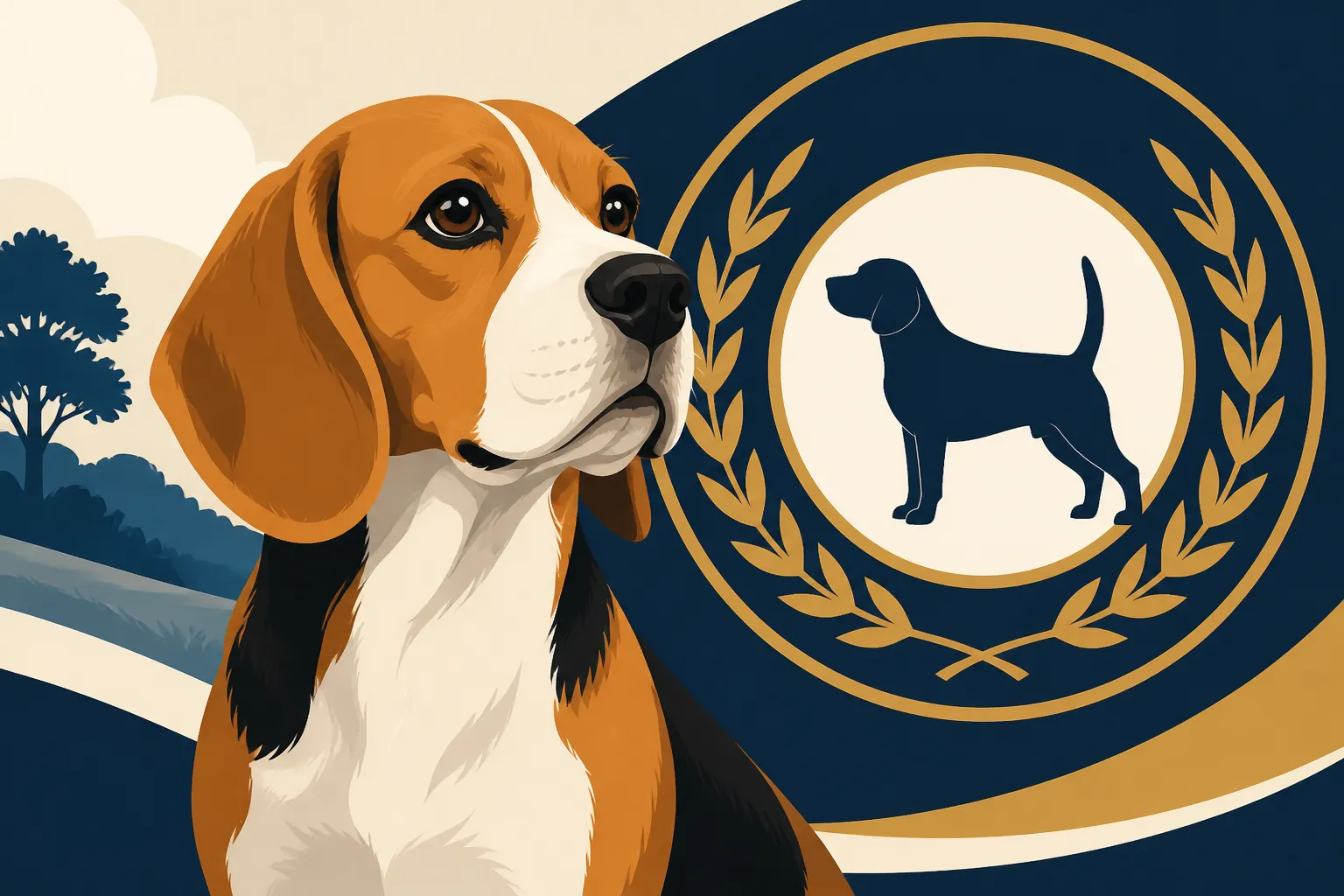
The National Beagle Club Founded in 1887
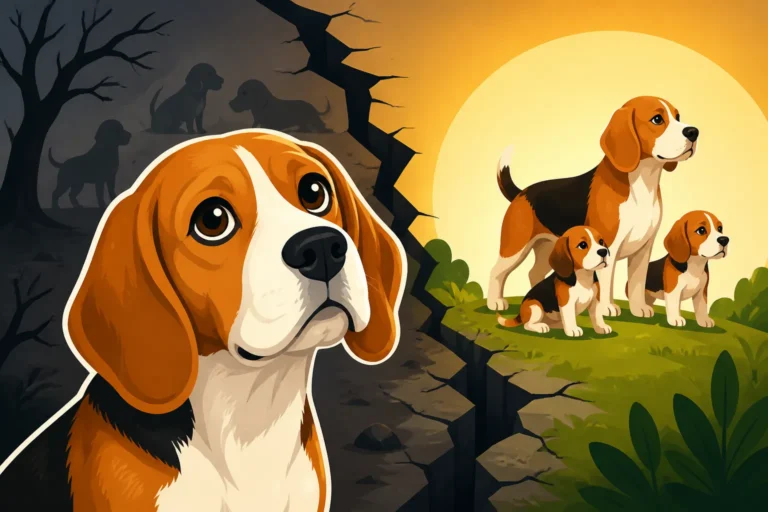
Before the late 19th century, the world of Beagles in America was a bit of a free-for-all, a patchwork of local hunting hounds that, while loved, lacked any kind of unified identity or formal recognition. This lack of standardization made it tough for enthusiasts to truly elevate the breed, participate in organized events, or even agree on what a "proper" Beagle should look like. This guide will take you through the pivotal moments and dedicated individuals who, out of this enthusiastic but uncoordinated landscape, forged The National Beagle Club in 1887, forever changing the breed's trajectory.
The Disorganized Beagle World Before 1887
Imagine a time when you couldn't be quite sure what you were getting when you acquired a "Beagle." Local hunters might have their own lines, bred for specific terrain or prey, and what was considered a Beagle in one valley might look quite different from one in the next county. This pre-club era was rich with passion for these little hounds, but it was also chaotic in its lack of definition. People loved their Beagles for their unwavering scenting ability and merry disposition, but there was no overarching standard to guide breeding or evaluation.
The Disparate Beagle Types of Early America
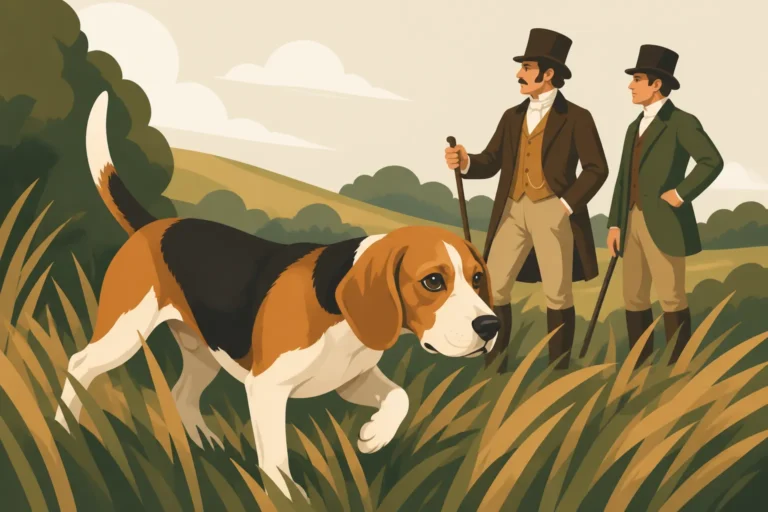
Before the formal establishment of a national club, Beagles across America were a wonderfully varied bunch, often adapted to local hunting needs rather than a singular ideal. You had your smaller "Pocket Beagles" – a bit of a misnomer, as they weren't always truly pocket-sized, but certainly quite diminutive – cherished for their ability to navigate dense underbrush and follow a rabbit's trail in tight spaces. Then there were larger, more robust hounds, sometimes bordering on the size of a small Harrier, used for longer chases over more open terrain. Each breeder, each hunting group, had their own preferences, leading to a wide range in height, weight, coat pattern, and even ear set.
This meant that while the general "Beagle type" – a small, scent-driven hound – was recognizable, the specifics were highly inconsistent. If you traveled from, say, a hunting lodge in Pennsylvania to a farm in Ohio, the Beagles you encountered could be surprisingly different. Some might have longer legs for speed, others heavier bone for endurance, and the baying voice, a hallmark of the breed, could vary wildly in pitch and volume. This diversity, while charming in its own way, presented a real challenge for anyone hoping to bring structure and consistency to the breed. It was a testament to the Beagle's innate hunting prowess that it thrived despite this lack of uniformity, simply because it got the job done in the field.
The Need for Standardization and Recognition
The haphazard breeding practices and the sheer variety of "Beagle" types eventually led to a growing desire among serious fanciers and hunters for greater standardization. Without a clear set of guidelines, it was impossible to hold meaningful dog shows where Beagles could be judged fairly against a common ideal. More importantly, it made it difficult for breeders to consistently produce dogs that embodied the best traits of the breed, both in appearance and working ability. How could you improve the breed if you couldn't even agree on what "improved" meant?
This push for uniformity wasn't just about aesthetics; it was deeply practical. Hunters wanted Beagles that were predictable in the field, with the right combination of speed, endurance, and nose to excel at rabbit hunting. Breeders wanted to ensure that genetic lines were sound and that desirable traits were passed on consistently. The lack of a governing body also meant there was no central registry for pedigrees, making it hard to track bloodlines and avoid undesirable pairings. The absence of formal recognition also limited the Beagle's status compared to other breeds that already had established clubs and standards, a frustration for those who saw the Beagle's undeniable merits. The Beagle From English Rabbit Packs to American Homes touches on this evolution.
The Visionaries Behind the National Beagle Club
The idea of a formal club didn't just spring up overnight. It was the culmination of years of discussions, informal gatherings, and a shared passion among a dedicated group of individuals who saw the potential for the Beagle breed to achieve true excellence and widespread admiration. These were people who deeply understood the Beagle's heritage as a hunting companion and wanted to ensure its future.
Early Enthusiasts and Their Vision
The late 19th century saw a surge in interest in purebred dogs, fueled by the growing popularity of dog shows and the influence of British kennel clubs. American sportsmen and dog fanciers began looking at their own native breeds, or those well-established in the country, and envisioned a future where they too could be celebrated and systematically improved. For the Beagle, this meant bringing together disparate groups of hunters and breeders who, despite their regional differences, shared a profound love for the little hound. Men like General George B. McClellan (not the Civil War general, but another prominent figure) and James L. Kernochan were among the early proponents.
These early enthusiasts often came from backgrounds where hunting was a valued tradition, and they recognized that a standardized Beagle would not only perform better in the field but also gain respect in the nascent world of conformation shows. They saw the potential for a club to serve as a central hub, a place where breeders could share knowledge, establish best practices, and collectively work towards a common goal. Their vision was one of both utility and beauty, where the Beagle could be both an exceptional working dog and a recognized, admired show dog. They understood that to truly elevate the breed, they needed a formal structure to unite their efforts and amplify their voices.
The Influence of English Pedigree Culture
Across the Atlantic, Great Britain had already established a robust system of kennel clubs and breed standards, shaping the trajectory of many popular dog breeds. The Kennel Club (of the UK), founded in 1873, was a powerful example of how a centralized organization could bring order to the world of dog breeding, establish strict pedigree records, and organize highly respected dog shows. This burgeoning "pedigree culture" in England had a significant influence on American dog fanciers. They observed how standardization led to predictable traits, how organized shows promoted healthy competition, and how official registries lent credibility and value to purebred dogs.
American Beagle enthusiasts keenly watched these developments. They saw that if their beloved Beagles were to gain similar prestige and consistency, they needed to emulate this successful model. The English experience demonstrated that a strong, unifying club could not only prevent the breed from fracturing into countless regional types but also provide a platform for genetic health, ethical breeding, and wider public appreciation. This desire to align with international best practices and to bring the Beagle onto the national (and eventually international) stage was a powerful motivator for the founders of The National Beagle Club. They wanted to ensure the Beagle's rightful place among the most cherished and well-defined breeds.
The Inaugural Year and Its Immediate Impact
The year 1887 marks a monumental shift for the Beagle in America. It was the year that vision turned into reality, as a group of committed individuals finally came together to formalize their aspirations for the breed. This foundational meeting laid the groundwork for everything that followed, setting a course for organization, preservation, and promotion that continues to this day.
The Inaugural Meeting and Key Objectives
The pivotal gathering that led to the founding of The National Beagle Club took place in New York City, a central location for many of the period's prominent dog fanciers. Here, on a specific day in 1887, a group of dedicated individuals officially formed the club. Their primary objectives were clear and ambitious: to establish a definitive breed standard, to encourage the breeding of Beagles true to type, and to promote the sport of Beagle field trials. They sought to create a comprehensive registry for Beagles, allowing for accurate pedigree tracking and ensuring the integrity of the breed's lineage.
The members understood that for the club to be truly national, it needed to encompass the various forms of Beagle enthusiasm – from the show ring to the hunting field. They aimed to bridge the gap between those who bred for conformation and those who bred for working ability, recognizing that a truly excellent Beagle should possess both. This holistic approach was critical to their success, as it prevented the club from becoming too narrowly focused and ensured broader support from the Beagle community. They were building an institution that would not just dictate, but also unify and celebrate, the breed.
Early Challenges and Triumphs
Establishing a national club from scratch, especially one aiming to standardize a breed as varied as the Beagle, was no small feat. One of the initial challenges was simply gaining consensus among breeders and fanciers who had long-held ideas about what a Beagle "should" be. Bridging geographical divides and personal preferences required considerable diplomacy and a shared commitment to the breed's greater good. Another hurdle was setting up the administrative infrastructure: creating membership protocols, developing a robust registration system, and organizing the first official field trials and conformation shows. It was a lot of paperwork and planning in an era before modern communication.
Despite these obstacles, the club quickly saw triumphs. The very act of formalizing the breed generated enthusiasm and a sense of shared purpose. Breeders, now with a common goal and a defined standard, could work more effectively to improve their lines. The club's early field trials, though perhaps smaller in scale than today's, were instrumental in showcasing the Beagle's natural hunting talents and proving the value of a standardized working dog. The initial success in bringing together a diverse community of Beagle lovers and laying down the foundational rules was a testament to the dedication of its founders and demonstrated the real hunger for such an organization.
Defining the Breed: The Early Standard
One of the most immediate and profound impacts of The National Beagle Club's founding was the creation of a definitive breed standard. This document, meticulously crafted by the club's early members, served as the blueprint for what an ideal Beagle should embody, both in physical form and characteristic temperament. It was a crucial step in moving the breed from a collection of similar hounds to a distinct and recognizable entity.
Crafting the Ideal Beagle
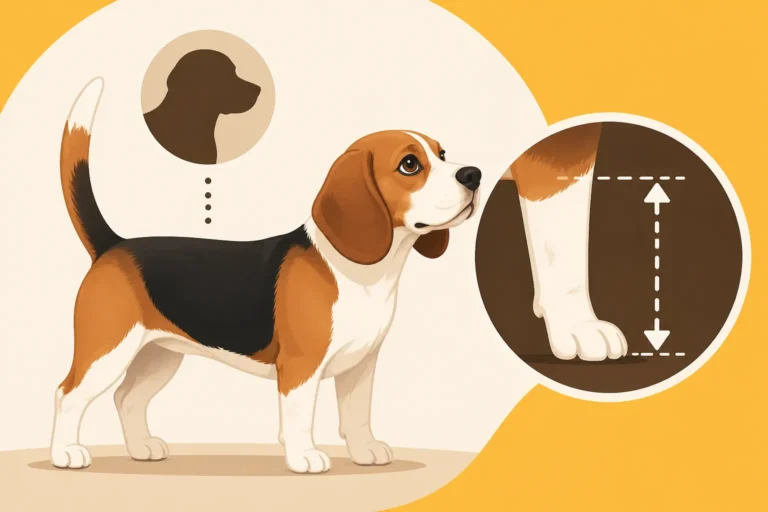
The task of writing the first Beagle breed standard was immense, requiring careful consideration of the various types of Beagles then prevalent and a clear vision for the breed's future. The club's members poured over details, describing everything from the shape of the skull and the length of the ears to the set of the tail and the texture of the coat. They defined the "merry" temperament that makes Beagles so endearing and specified the ideal proportions that would allow the dog to work tirelessly in the field. Notably, they recognized two distinct size varieties: the 13-inch and 15-inch Beagles, acknowledging the historical preference for different sizes in hunting. The Thirteen Inch Beagle Variety and The Fifteen Inch Beagle Variety highlight these distinctions.
This standard wasn't just a physical description; it was a philosophical statement about the essence of the Beagle. It emphasized the importance of a strong, level back, well-sprung ribs, and sturdy legs – features essential for endurance and agility in the hunt. The distinctive white tip on the tail, often called the "stern," was deemed critical, serving as a flag that hunters could spot as the dog worked through tall cover. Crafting this standard was a balancing act, respecting the breed's working heritage while also establishing an aesthetic ideal for the show ring, ensuring that the Beagle could excel in both worlds.
The Impact on Breeding Practices
With an official breed standard in place, Beagle breeding practices underwent a significant transformation. No longer were breeders solely relying on local traditions or personal preferences; they now had a concrete guide to follow. This meant a gradual shift towards more consistent physical types and temperaments across the country. Breeders began to select for traits outlined in the standard, leading to a more uniform appearance and predictable working qualities in successive generations. The existence of the club and its registry also made it easier to track pedigrees, allowing for more informed breeding decisions and helping to avoid inbreeding or the propagation of undesirable traits.
The standard encouraged a more scientific approach to breeding, moving away from purely anecdotal methods. It also fostered a sense of community and shared purpose among breeders. They could now compare notes, discuss interpretations of the standard, and collectively work towards improving the breed as a whole. While some regional variations persisted for a time, the overarching influence of the National Beagle Club's standard slowly but surely shaped the American Beagle into the recognizable and beloved hound we know today. It provided a common language and a common goal, elevating the craft of Beagle breeding.
Promoting the Beagle's Natural Instinct: Field Trials
From its inception, The National Beagle Club understood that a Beagle's true essence wasn't just in its looks but in its innate ability to follow a scent. This meant that while conformation shows were important for breed standardization, field trials were absolutely critical for preserving the working heart and soul of the Beagle. These events were designed to test a Beagle's hunting prowess and ensure that the breed's primary purpose remained at the forefront of the club's mission.
Preserving the Hunting Instinct
The Beagle was, first and foremost, a hunting dog, bred over centuries to pursue rabbits and hare with a keen nose and an enduring voice. The founders of The National Beagle Club were deeply committed to preserving this essential hunting instinct. They recognized that without actively testing and rewarding these natural abilities, the breed could easily drift into becoming purely a show dog, potentially losing the very traits that made it special. Field trials served as the vital link to the Beagle's heritage, a living testament to its original purpose.
These trials were not just competitions; they were celebrations of the Beagle's natural talents. They showcased the dog's exceptional olfactory capabilities, its unwavering focus on a scent trail, and its distinctive baying voice that signals to hunters the progress of the chase. By making field performance a core component of the club's activities, the founders ensured that breeders would continue to prioritize working ability alongside conformation. This commitment helped maintain the Beagle's status as a versatile hound, capable of both winning ribbons and excelling in the field. Beagle Field Trials in the Nineteenth Century delves into the early days of these competitions.
Field Trials as a Test of Ability
Beagle field trials are rigorous tests designed to evaluate a dog's natural hunting abilities under conditions as close to actual hunting as possible. In these events, Beagles are judged on their ability to find a scent, follow it accurately, and demonstrate persistence and drive. Judges look for a strong, clear voice (the "bay" or "chop") that indicates when the dog is on a fresh trail, signaling its location and progress to the handlers. The dog's ability to work cooperatively within a brace or a pack, responding to handler commands while still exercising its independent scenting judgment, is also crucial.
These trials often take place in open fields or wooded areas, where rabbits or sometimes hare are present. Dogs are released, and their handlers observe their work, with judges scoring them on various criteria. Unlike conformation shows which focus on static appearance, field trials are dynamic, showcasing the Beagle's athleticism, intelligence, and unwavering dedication to its nose. They serve as a vital mechanism for identifying the best working Beagles, which can then contribute to the gene pool, ensuring that future generations continue to possess the instincts and skills for which the breed is renowned. Running a Beagle in a Brace Trial further explains the structure of these events.
The Enduring Legacy of the National Beagle Club
The National Beagle Club, founded in 1887, didn't just create a rulebook; it established a cornerstone for the breed in America. Its legacy is woven into every aspect of the modern Beagle, from its consistent appearance to its continued popularity as both a companion and a working dog. The foresight of its founders created an organization that has adapted and thrived for well over a century.
Guiding the Breed for Over a Century
For more than 130 years, The National Beagle Club has remained the guardian of the breed in the United States, providing continuous guidance and oversight. Its role has expanded far beyond just setting a standard and organizing trials. Today, the club is deeply involved in promoting responsible breeding practices, emphasizing health testing, and educating the public about the unique needs and characteristics of Beagles. It actively supports research into Beagle health issues and maintains a comprehensive registry that is crucial for understanding genetic lines. Beagle Health Testing Under CHIC outlines some of these modern health initiatives.
The club also acts as a vital resource for Beagle owners, breeders, and enthusiasts, fostering a strong community through events, publications, and outreach programs. It ensures that the breed standard is upheld in conformation shows, while also championing the Beagle's working heritage through a variety of scent-related activities, including traditional field trials and newer disciplines like scent work. This consistent, long-term commitment has been instrumental in maintaining the Beagle's integrity and ensuring its welfare for generations.
The Beagle's Enduring Popularity
The stabilization and promotion efforts initiated by The National Beagle Club in 1887 undoubtedly played a significant role in securing the Beagle's enduring popularity. By providing a clear identity and a framework for responsible breeding, the club helped the Beagle transition from a regional hunting dog to a beloved national breed. The consistency in appearance and temperament, coupled with the breed's inherently cheerful and adaptable nature, made Beagles increasingly appealing to families and individuals beyond the hunting community.
The club's work in promoting the breed through shows and trials also raised its profile, making more people aware of the Beagle's charm and capabilities. This recognition helped solidify its position as one of America's most cherished breeds, consistently ranking among the top ten most popular dogs for decades. The framework established by the club provided the stability and quality assurance that allowed the Beagle to thrive, becoming the familiar and adored hound that brightens so many lives today. It's a testament to the club's foundational work that the Beagle remains as popular and relevant as ever.
| Aspect | Before National Beagle Club (Pre-1887) | After National Beagle Club (Post-1887) |
|---|---|---|
| Breed Standard | Highly varied, regional "types," no official definition | Unified, official breed standard established by the club |
| Breeding Practices | Inconsistent, driven by local preferences and anecdotal knowledge | Guided by standard, focus on consistent traits, pedigree tracking |
| Formal Recognition | None at a national level, limited participation in formal events | Recognized breed with official registry and conformation shows |
| Working Events | Informal local hunts, no standardized competition | Organized field trials to test and preserve hunting instinct |
| Community | Disconnected groups of enthusiasts and local hunters | National network of breeders and fanciers, shared goals |
| Genetic Health | Difficult to track or address systematic issues | Framework for responsible breeding, eventual health testing initiatives |
Disclaimer
This article is for general informational purposes only and does not constitute professional advice. Laws, prices and regulations vary by location and change over time. Consult a qualified professional for guidance on your specific situation.