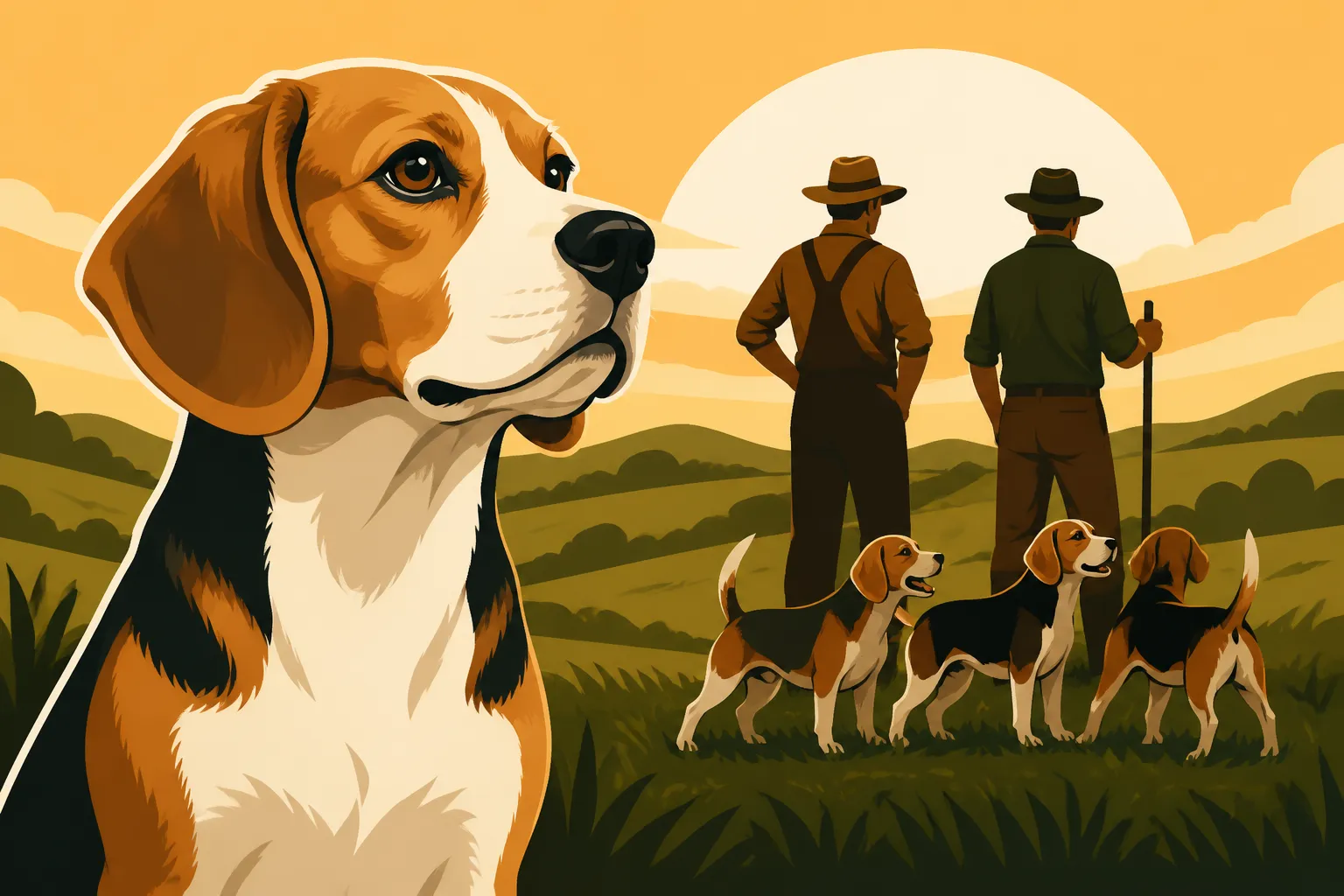
The Southern Farmers Who Kept Rabbit Beagles Going
It's easy to look at a Beagle today and see a cheerful, family-friendly dog, perhaps even one with a bit of a mischievous streak, known for its incredible nose and its distinctive bay. But did you know there was a time when the very existence of the practical, rabbit-hunting Beagle was, shall we say, a little fragile? Across the pond in England, where the breed truly began, the smaller, working-type Beagle faced some real challenges. This guide dives into the pivotal, unsung role that Southern farmers played in keeping the spirit and utility of the rabbit Beagle alive and thriving, ultimately shaping the breed we cherish today.
The Beagle's Early Struggles: Why American Farmers Stepped In
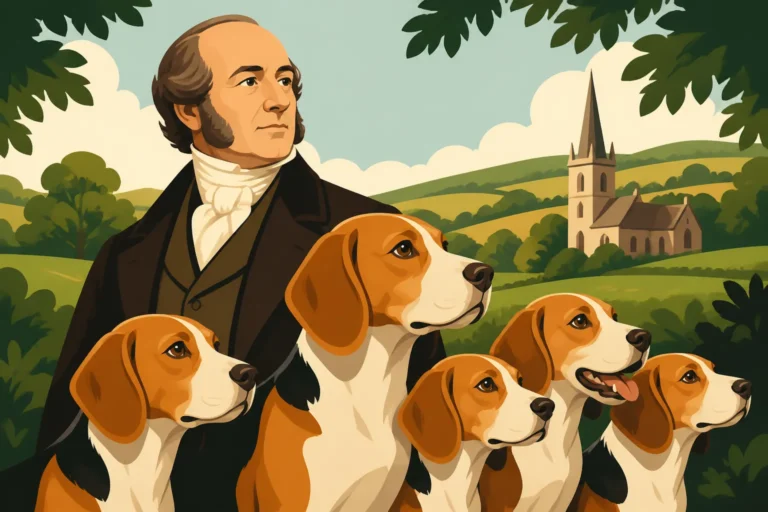
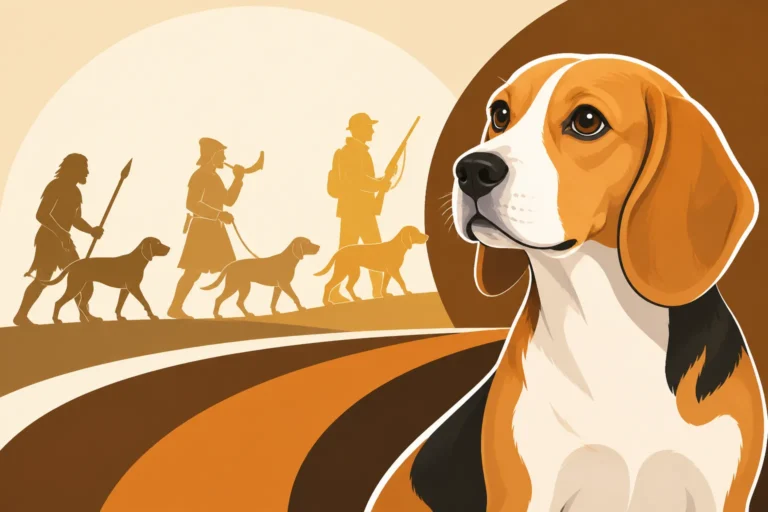
For centuries, small scent hounds resembling Beagles were used for hunting hare and rabbit across Britain. These were working dogs, bred for their nose, their stamina, and their ability to follow a trail on foot alongside hunters, not for their conformation in a show ring. The hunt wasn't about speed or flash; it was about the thrill of the chase, the music of the hounds, and the cleverness of the quarry. However, as the 19th century progressed, the landscape of dog breeding in England began to shift.
Larger hounds, like the Foxhound, were gaining popularity for fox hunting, which was a faster, more mounted sport that appealed to a different class of hunter. Simultaneously, the burgeoning dog show scene started to emphasize specific physical traits and uniformity, sometimes at the expense of working ability. This meant that the smaller, more varied "foot-hunting" Beagles, especially those focused purely on rabbit, started to fall out of favor with some of the more fashionable breeders and clubs. There was a real risk that the practical, resilient rabbit Beagle, the kind bred for genuine field work, might be diluted or even lost amidst these trends. How the Modern Beagle Was Built in the 1830s touches on some of these foundational moments in the breed's development, highlighting how much pressure there was to standardize.
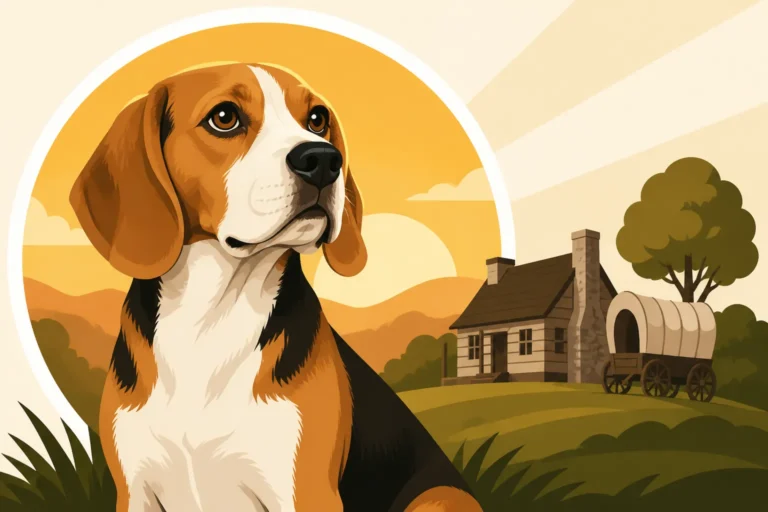
This is where America, and particularly the Southern states, entered the picture as an unlikely but crucial haven. While English breeders were perhaps becoming more interested in what a Beagle looked like on the bench, American farmers and hunters were deeply pragmatic. They needed dogs that worked. They weren't looking for a fancy pedigree or a perfectly level topline as much as they wanted a dog that could reliably find and chase rabbits, putting food on the table or providing sport after a long day in the fields. The economic realities and cultural traditions of rural America created a perfect environment for the traditional Beagle to not just survive, but to flourish based purely on its merit as a hunting companion.
Rabbit Hunting in the South: A Perfect Niche for the Beagle
In the Southern United States, rabbit hunting wasn't just a pastime; it was deeply embedded in the culture and economy of rural communities. Rabbits were a readily available game animal, providing meat for families and a source of sport that didn't require horses, vast estates, or expensive equipment. This made rabbit hunting accessible to farmers, laborers, and everyday folks who enjoyed spending time outdoors and putting their dogs to work. This wasn't about formal hunts with elaborate rituals; it was often about a few friends or family members, their Beagles, and a day spent wandering through fields and briar patches.
The qualities of a good rabbit dog were very specific. You needed a dog with an unparalleled nose, capable of picking up a "cold" trail – one that wasn't fresh – and sticking to it relentlessly. This dog needed stamina to follow that trail for hours, often through dense underbrush and over varied terrain. And crucially, it needed a voice – that distinctive, melodious "bay" – to let the hunters know where the rabbit was and how the chase was progressing. This "music" of the hounds was not just functional; it was a cherished part of the hunting experience. Beagle Howling, Baying and Barking Explained dives into why that sound is so integral to the breed. These were precisely the traits that the Beagle excelled at, making them the ideal choice for Southern rabbit hunters.
The hunting methods themselves reinforced the need for these traits. Hunters typically followed on foot, listening to the Beagles work. A dog that ranged too far ahead or lost the trail easily wasn't useful. A dog that couldn't stick to the scent or vocalize its progress might as well have stayed home. The terrain, often thick with briars and heavy cover, favored a smaller, agile hound that could navigate tight spaces, unlike larger breeds that might struggle. The farmers valued Beagles that were tenacious, intelligent, and completely dedicated to their work, recognizing that these dogs were partners in a time-honored tradition. They often selected for dogs that could run a rabbit in a nice, tight circle, bringing it back past the hunter without ever losing the scent. This focused, reliable hunting style became a hallmark of the American rabbit Beagle.
What These Southern Beagle Lines Were Like
The Beagles nurtured by Southern farmers weren't necessarily the polished, uniform dogs seen in early dog shows. Instead, they were diverse in appearance, reflecting the utilitarian breeding practices focused purely on working ability. Size might have varied more, and their markings, while often tri-color, could lean towards various shades and patterns depending on the regional preferences or simply the genetics that produced the best hunters. What truly mattered was their field performance, their nose, their voice, and their endurance.
These dogs were often bred within local communities, passed down through generations of hunting families. A farmer might breed his best female to a neighbor's proven male, not based on show titles, but on a reputation for consistently producing outstanding rabbit dogs. Records might have been kept informally, or simply in the collective memory of the hunting group. This informal breeding network, driven by practical results, preserved a functional type of Beagle that prioritized instinct and drive above all else. Beagle Field Trials in the Nineteenth Century highlights how even early formal competitions eventually had to acknowledge and create classes for these working types, demonstrating their prevalence and importance.
It's also worth noting the resilience and hardiness of these Beagles. Living on farms, they were exposed to varied conditions, and only the toughest, healthiest dogs would thrive and contribute to the next generation. They were expected to be self-sufficient to a degree, clever enough to navigate rural environments, and robust enough to withstand the demands of frequent hunting. While modern Beagle owners might turn to reputable sources like Chewy for all their dog's needs, these early Beagles were often fed scraps from the farm and expected to earn their keep. This rigorous, natural selection helped to create a deeply sound and enduring lineage.
Physically, these Beagles were typically sturdy and well-muscled, built for sustained effort rather than short bursts of speed. Their ears, while still long, might not have been as exaggerated as those sometimes seen in show lines, as extreme length could hinder them in thick cover. Their tails, famously carried "gaily" like a flag with a white tip, were functional, helping hunters spot them in tall grass – a trait still valued today and often mentioned in discussions of The Beagle Tail and Its White Tip. Essentially, these were dogs bred for function, with their form following the demands of the field.
The Enduring Legacy of the American Rabbit Hunter
The efforts of Southern farmers were instrumental in ensuring the continuation of the working Beagle type in America. As organized dog sports and kennel clubs began to take root in the United States in the late 19th and early 20th centuries, these vibrant, field-proven lines provided a crucial genetic pool. Without them, the breed in America might have looked very different, potentially leaning heavily towards the aesthetics of the English show ring, rather than the robust, tenacious hunters we know.
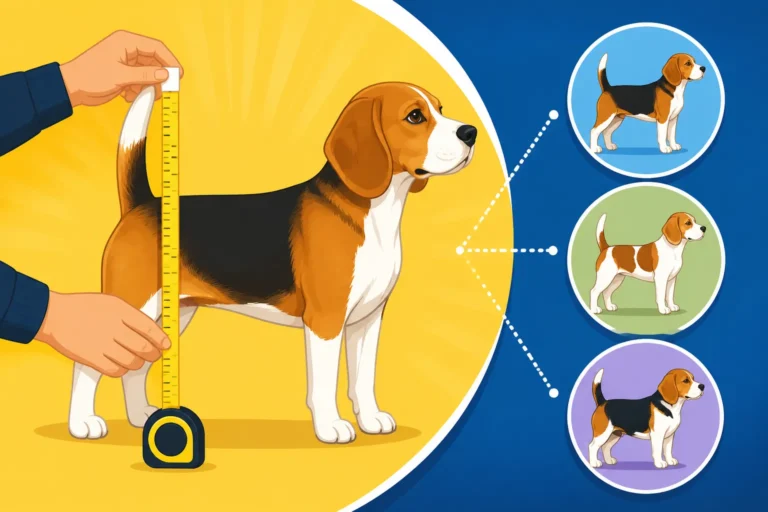
When the National Beagle Club of America was founded in 1887, and the breed began to be formally recognized and classified, the two varieties – the 13-inch and the 15-inch – were established. These classifications likely reflected the range of sizes already present in the working packs across the country, many of which had their roots in the very Beagles kept by these Southern farmers. The early field trials organized by the club put a strong emphasis on actual hunting ability, a direct nod to the values held by generations of rabbit hunters. The National Beagle Club and Its 1887 Founding showcases how these groups sought to formalize what had been a long-standing tradition.
Today, while many Beagles are beloved family companions, the breed's heritage as a hunter remains unmistakable. Their incredible scent drive, their stamina, and their distinctive vocalizations are all direct legacies of those early working dogs. Even pet Beagles, when given the chance to engage their noses in scent work or long, exploratory walks, are tapping into the instincts carefully preserved by these farmers. Modern enthusiasts still engage in beagling, a sport that directly echoes these traditions, often acquiring their dogs from lines specifically bred for field performance, many of which trace back to these foundational American lines.
Furthermore, the impact isn't just in hunting. The Beagle's exceptional nose, honed over centuries by hunters and then kept sharp by these pragmatic farmers, is why breeds like the Beagle are chosen for specialized tasks such as detection work with agencies like the USDA's Beagle Brigade. Their unwavering focus on scent, their friendly demeanor, and their manageable size make them perfect for tasks that require keen olfactory abilities without intimidating the public. The very foundation of what makes a Beagle a Beagle – its nose, its drive, its merry nature – was carefully preserved and championed by the Southern farmers who simply wanted a good rabbit dog. You can even find specialized puzzle toys for Beagles on sites like Chewy that cater to engaging their powerful sense of smell, showing how this core trait is still celebrated in pet life. Their contribution cannot be overstated; they were the guardians of the working Beagle spirit.
Disclaimer
This article is for general informational purposes only and does not constitute professional advice. Laws, prices and regulations vary by location and change over time. Consult a qualified professional for guidance on your specific situation.